C-Section Recovery in Pakistan: Week by Week, Stitches, Diet and Warning Signs
C-section recovery takes about six weeks. Here is what heals when, how to care for the stitches, what to eat, and the signs that need a doctor.

You are home with a newborn, a wound across your lower belly and a strip of painkillers, and nobody sat you down to explain what the next six weeks are supposed to look like. Caesarean births are common here now. National survey data analysed in BMC Pregnancy and Childbirth found they rose from 3.2% of deliveries in 1990-91 to 19.6% in 2017-18. Aftercare advice has not kept pace.
Here is what recovery actually involves: what heals when, how to look after the stitches in Pakistani heat, what to eat, and the symptoms that mean phoning your doctor tonight.
A caesarean is abdominal surgery, not a shortcut
The line on your skin is only the outside of the repair. Below it, the muscle sheath and the uterus have their own stitches and their own timetable. That is why the lifting rules still apply on a day you feel fine: the skin can look sealed while the layers underneath are still knitting together.
C-section recovery week by week
Timelines vary, and your surgeon's instructions beat any table on the internet. Most women follow roughly this pattern.
| When | What is usually happening | What to do |
|---|---|---|
| Days 1 to 2 | In hospital. Catheter out, first walk, first feeds. The NHS notes most women stay 1 or 2 days after a caesarean. | Walk as soon as you are allowed. It helps prevent clots and restarts the bowels. |
| Days 3 to 7 | Wind pain, a sore incision, heavy red bleeding. Non-dissolvable stitches or staples usually come out after 5 to 7 days. | Painkillers on schedule, not only at the peak. Short walks indoors. |
| Week 2 | Bleeding lightens and darkens. Sitting up gets easier. Driving is often possible from about two weeks. | Still nothing heavier than the baby, and no dragging or stretching. |
| Weeks 3 to 4 | Discharge turns pink, then yellow or white. The scar may itch, tingle or feel numb. | Showers yes, soaking in a tub no, usually until about three weeks. |
| Weeks 4 to 6 | Bleeding stops for most women. Energy is patchy. The scar is closed but firm. | Ask your doctor before starting exercise, sex or an abdominal belt. |
| Week 6 onwards | Daily life is mostly back to normal. Deeper healing carries on for months. | Build up gradually. Sudden pain is a signal to stop. |
The lifting limit is the rule women break first and regret most. MedlinePlus advises not lifting anything heavier than your baby for the first 6 to 8 weeks, waiting at least two weeks to drive, and skipping baths, hot tubs and swimming until your provider says otherwise.
Looking after the stitches
Dressings usually stay on for at least 24 hours. After that the NHS advice is to clean and dry the wound gently every day and wear loose clothing. That matters more in our climate than it does in London, because a damp fold of skin over a fresh incision in September humidity is where infection starts. Loose cotton kameez, high-waisted underwear that sits above the line rather than across it, and a proper pat-dry after every shower.
Two things people get wrong. First, scrubbing: rinse gently and let it air dry. Second, putting things on it. No antibiotic cream, haldi, oil or home remedy unless your surgeon told you to. Ask before discharge whether your stitches are dissolvable, because nobody volunteers it.
Bleeding, cramps and what counts as normal
Bleeding starts bright red, goes darker, then pink, then yellow or white before stopping, usually over four to six weeks. Use pads, never tampons. Cramping in the first few days feels like strong period pain and often sharpens while you feed, which is your uterus contracting back down. What is not normal: soaking a pad every hour, clots the size of a lemon, or bleeding that restarts heavily after it had settled.
What to eat after a C-section
There is no forbidden-foods list. The useful question is what your body needs: protein to rebuild tissue, iron to replace blood, fluid, and enough fibre that your first bowel movement is not something you dread.
- Protein at every meal. Anda, daal, chicken, fish, yogurt, chickpeas. If your family is pushing panjiri and desi ghee, eat it if you enjoy it, but it is energy rather than protein and it does not replace the daal.
- Iron. Surgery means blood loss on top of a pregnancy that already drew on your stores. The WHO estimates 37% of pregnant women worldwide are anaemic, with blood loss around childbirth a main reason. Red meat, liver, spinach and dates all help.
- Fibre and water. MedlinePlus suggests smaller meals, plenty of fruit and vegetables and around eight cups of water a day, with a bulk laxative if needed.
- Do not diet yet. Cutting calories in the first six weeks, especially while breastfeeding, slows healing. Our calorie calculator and BMI calculator are more useful at three months than at three weeks.
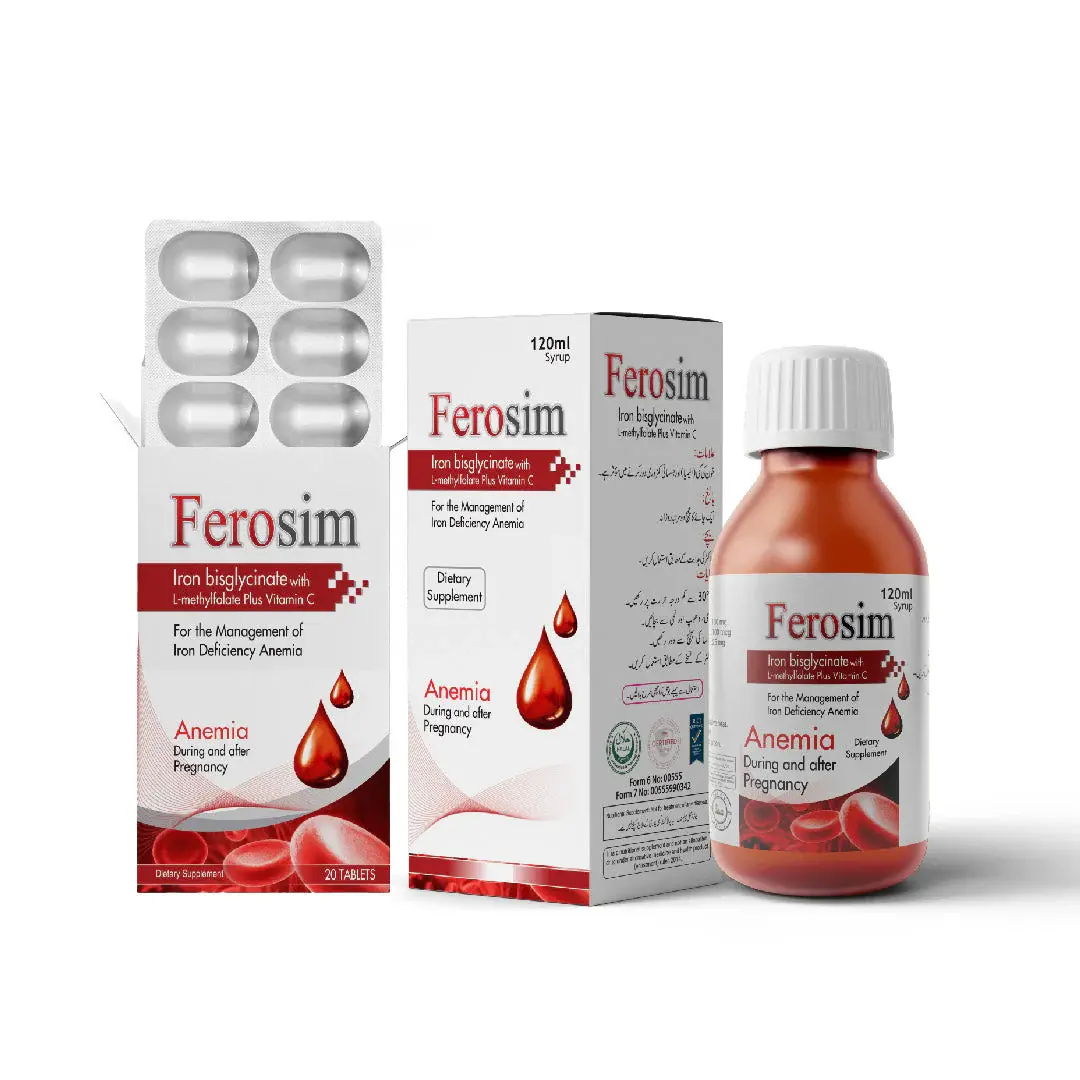
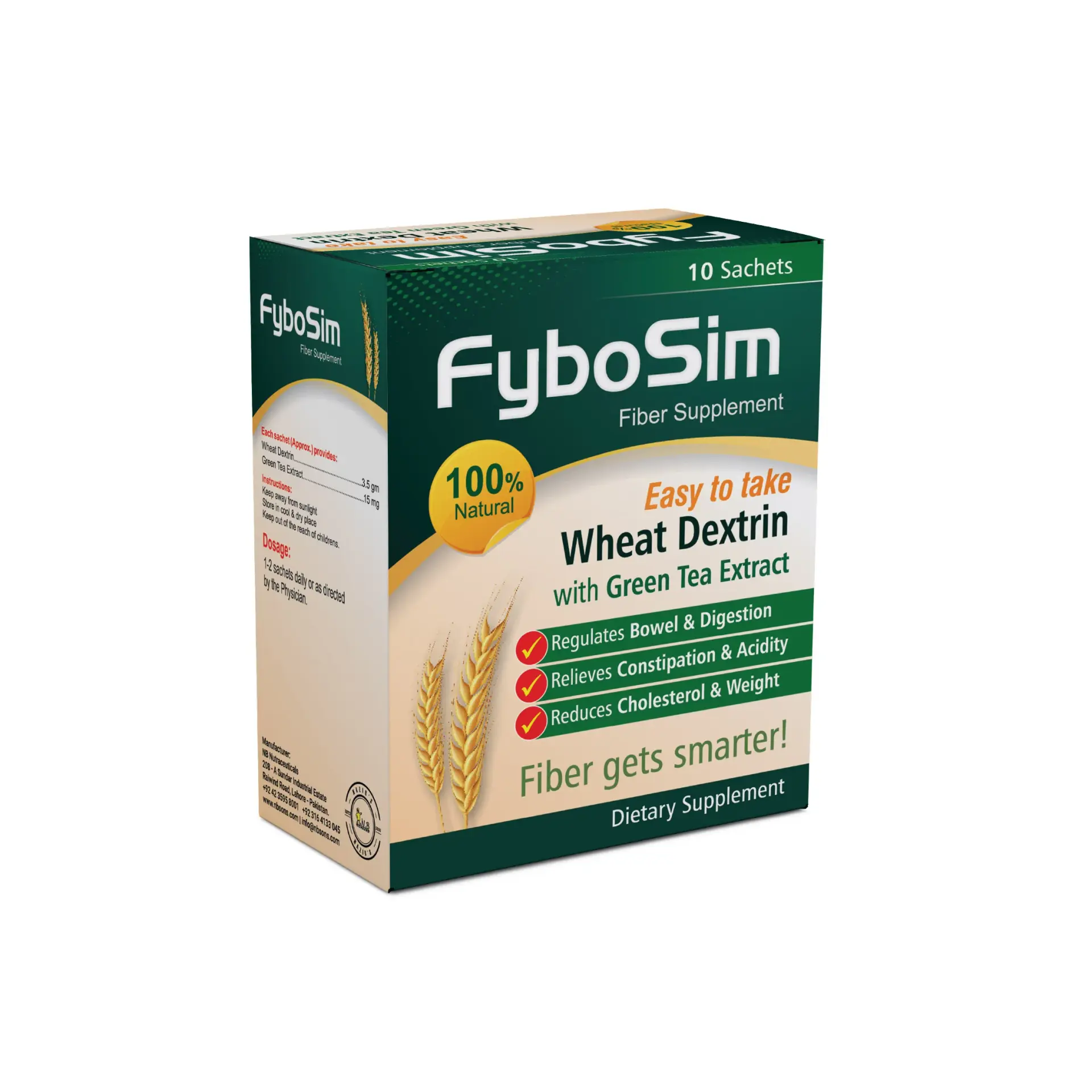
Two supplements are worth raising with your doctor. An iron tablet such as Ferosim (Rs 450) uses iron bisglycinate with L-methylfolate and vitamin C, and its label says to take it after food and away from chai, since tea blocks iron absorption. A plain fibre sachet like Fybosim (Rs 390) stirred into a full glass of water adds bulk without a stimulant laxative. If you are already on prescribed iron, do not stack another on top. Our guide to iron deficiency in Pakistani women goes deeper on testing.
Constipation, gas and the first bowel movement
Nobody warns you about this part. Anaesthesia, opioid painkillers, iron tablets and lying still all slow the gut, and the trapped wind can hurt more than the incision. Walking is the most effective fix. Warm fluids and saunf tea help, as does supporting the wound with a folded towel when you cough. If nothing has moved by day four, ask about a stool softener rather than a strong laxative. More in our guide to constipation relief.
Does an abdominal belt help?
A belt will not shrink your belly or speed up healing, whatever the shopkeeper says. What it can do is make moving and standing up feel more secure early on. ACOG lists a heating pad or an abdominal binder among comfort measures after a caesarean. Buy one if it helps you move more, but check with your doctor first, and never put one over a wound that is red, weeping or painful.
Painkillers and feeding
ACOG notes that ibuprofen is usually the preferred first option after a caesarean because very little passes into breastmilk, and that paracetamol is also safe while breastfeeding. The NHS adds that aspirin and codeine are not usually recommended if you are breastfeeding. Take what your doctor prescribed, at the dose on the label, and take it before the pain peaks. Undertreated pain keeps you in bed, and that is what causes clots and constipation.
You can feed from the first day. Ask a nurse or lactation consultant for a position that keeps the baby's weight off your incision. If supply is the worry, see our guide on breast milk supply.
Warning signs: call a doctor now
The CDC's urgent maternal warning signs apply for up to a year after birth, not only the first fortnight. Get medical help straight away for any of these.
| Sign | Why it matters |
|---|---|
| Fever of 38C (100.4F) or higher, or chills | Possible wound or womb infection |
| Wound turning red, swelling, opening or leaking pus | Wound infection or breakdown |
| Soaking a pad an hour, or passing very large clots | Postpartum haemorrhage |
| Severe or worsening belly pain | Infection or an internal complication |
| Pain, swelling or redness in one leg, usually the calf | Possible blood clot |
| Breathlessness, chest pain or a pounding heart | Possible clot in the lung or a heart problem |
| A headache that will not go away, vision changes, sudden swelling of face and hands | Possible postpartum pre-eclampsia |
| Burning when you pass urine, or leaking urine | Urinary infection or bladder injury |
| Thoughts of harming yourself or your baby | A medical emergency. Tell someone today. |
How you feel, not only how you heal
Feeling low or tearful for a few days is common, and the NHS says these baby blues usually pass within two weeks. Postnatal depression is different: it can start any time up to a year after birth and does not lift on its own. Women who had an emergency caesarean sometimes also carry a sense of having missed the birth they planned. Say it to your doctor rather than filing it away.
Sex, periods and the next pregnancy
Most doctors ask you to wait around six weeks before sex, or until bleeding has stopped and you feel comfortable. Fertility returns sooner than people expect: the NHS warns you can get pregnant three weeks after birth, including if you are breastfeeding and your periods have not restarted. ACOG adds that ovulation can return within a few weeks if you are not breastfeeding, and that many experts recommend waiting at least 18 months between pregnancies.
Decide on contraception before you need it. When your cycles return and you are ready to try again, our ovulation calculator will find your fertile window. Whether a normal delivery is possible next time depends on why this caesarean was done and how the scar healed, which is a conversation for your obstetrician rather than a rule you can look up.
Your follow-up appointments
Do not treat the six week check as the only one. Contact your doctor within two to three weeks, even by phone, and have a full check-up by around twelve weeks covering your mood, the scar, your blood count and contraception. If you were anaemic in pregnancy, ask for a haemoglobin test then. Our prenatal vitamins guide covers what is usually continued while breastfeeding, and the rest sits under women's health.
Frequently asked questions
How long do C-section stitches take to heal?
The skin closes within a couple of weeks, and non-dissolvable stitches or staples usually come out after 5 to 7 days. The deeper layers take much longer, which is why lifting and exercise limits run to six weeks or more.
When can I drive?
MedlinePlus suggests at least two weeks, and no driving at all while you are on strong prescription painkillers. The practical test is whether you can brake hard and twist to check behind you without pain.
When can I start bending and climbing stairs?
Stairs are fine slowly, holding the rail, from the start. Bending to pick things off the floor is the movement to delay. Keep what you need at waist height for the first couple of weeks.
What foods should I avoid after a caesarean?
No food is medically banned. The only list worth keeping is your own: whatever leaves you bloated while the gut is still sluggish. What to genuinely avoid is restricting your diet to lose weight in the first six weeks.
Walk early, lift nothing heavier than your baby, keep the wound dry, eat protein and iron, and take the painkillers on time. Six weeks is the rough mark for ordinary life, though the deeper healing is slower and nobody hands out a certificate on day 42. If something feels badly wrong, phone your doctor rather than waiting it out.
This article is general information and does not replace the advice of the doctor who performed your surgery.
Liked this one? Get the next in your inbox.
One fortnightly note from the editors, new pieces, restocks, and the routines we're actually using. Unsubscribe any time.