Best Prenatal Vitamins in Pakistan: What Every Expecting Mother Should Know
Best prenatal vitamins in Pakistan: the nutrients that actually matter, the doses to check on the label, and how to handle nausea and constipation.
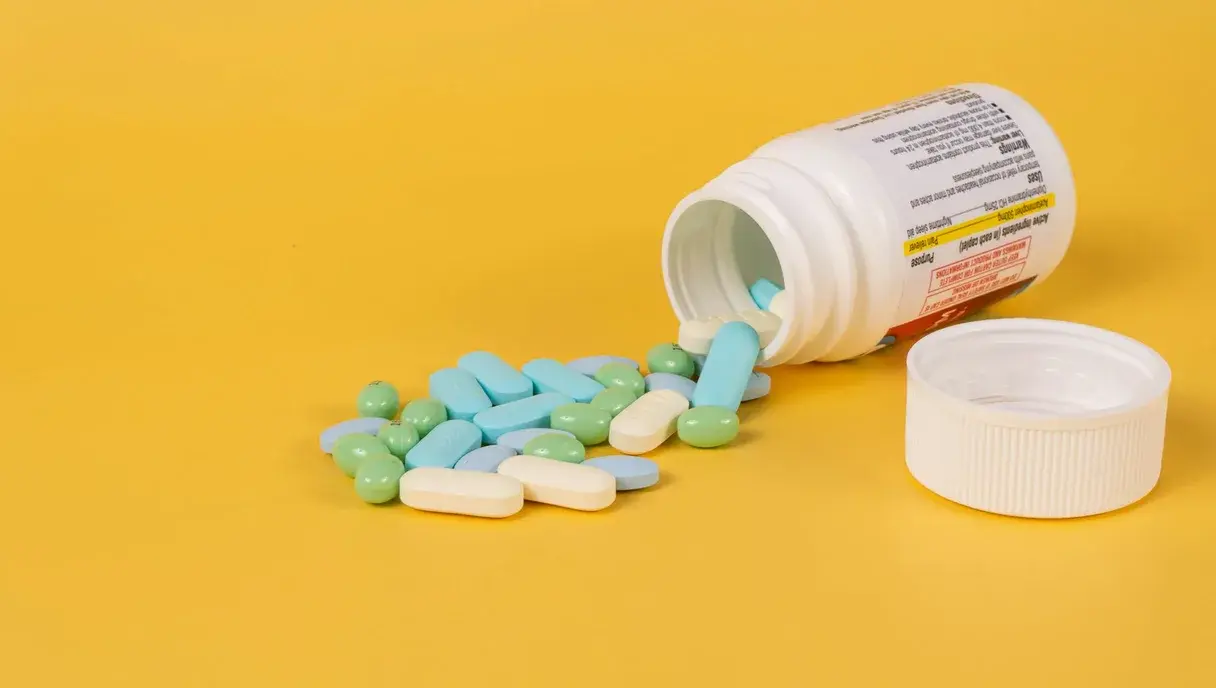
Pakistan's National Nutrition Survey 2018 found that 41.3% of women of reproductive age are anaemic, one of the highest rates in the region, with 18.4% carrying outright iron deficiency anaemia. That single fact tells you why the right prenatal vitamin matters so much here. Finding one can still feel like wandering through a maze.
Pharmacy shelves carry dozens of options. You see imported brands at premium prices, local generics with confusing labels, and everything in between. Your gynaecologist might scribble a brand name on a prescription pad without explaining why.
They rarely tell you what to do if it makes you nauseous. Meanwhile, well-meaning relatives insist that desi ghee and doodh are all you need.
Here is the reality. Prenatal vitamins are not optional luxury items. They close gaps that a normal Pakistani plate often leaves open.
The right prenatal vitamin, started at the right time, targets real risks. The WHO recommends daily iron and folic acid through pregnancy to prevent maternal anaemia, puerperal sepsis, low birth weight and preterm birth, and MedlinePlus notes that enough folic acid before and during pregnancy can prevent major birth defects of the baby's brain or spine.
This guide cuts through the confusion. We will cover exactly what to look for in a prenatal vitamin in Pakistan. We will explain which ingredients actually matter, which are marketing filler, and when to start.
We will also show you how to handle common side effects. These side effects make many Pakistani women quit too early.
Shop the picks in this guide (5)
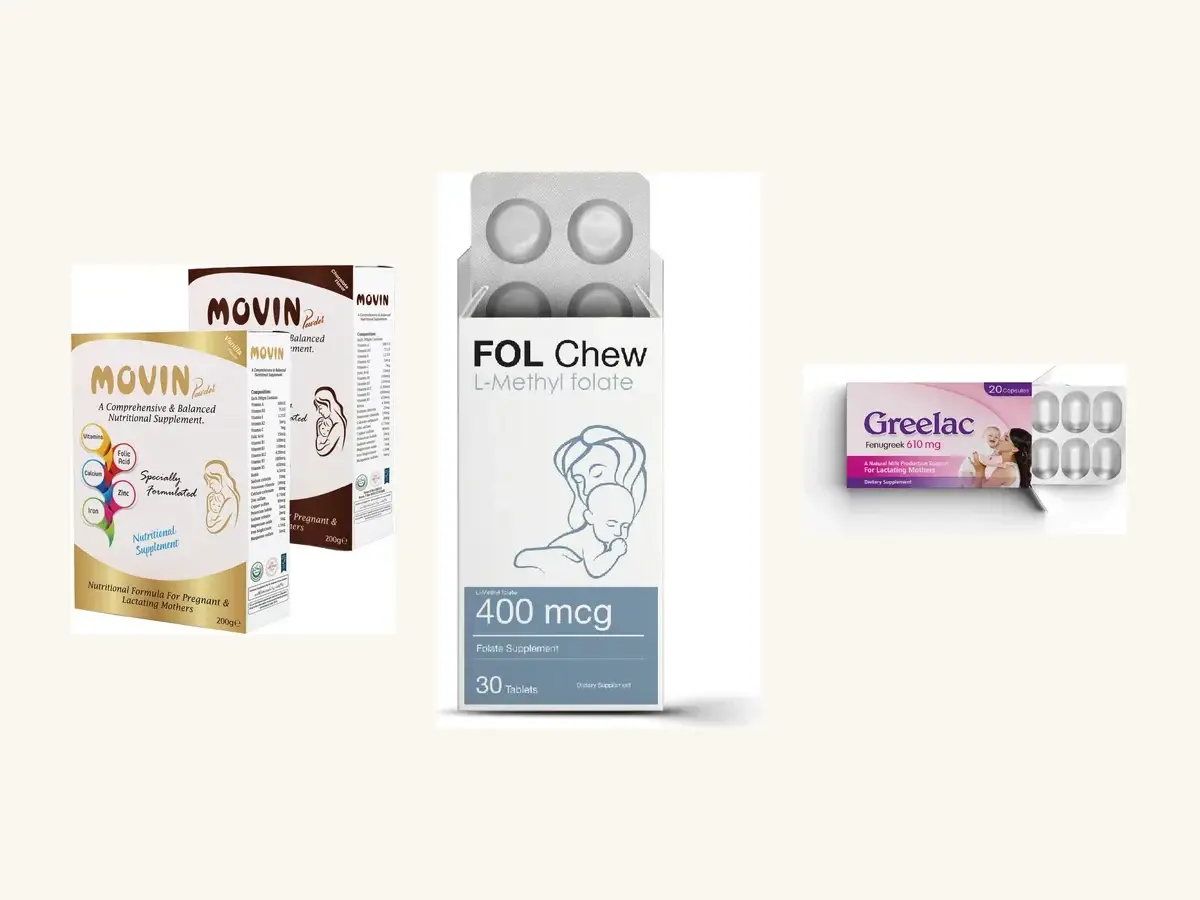
- Complete Pregnancy Care, Rs 1,720, Movin, FOL Chew and Greelac in one pack for pregnancy and breastfeeding
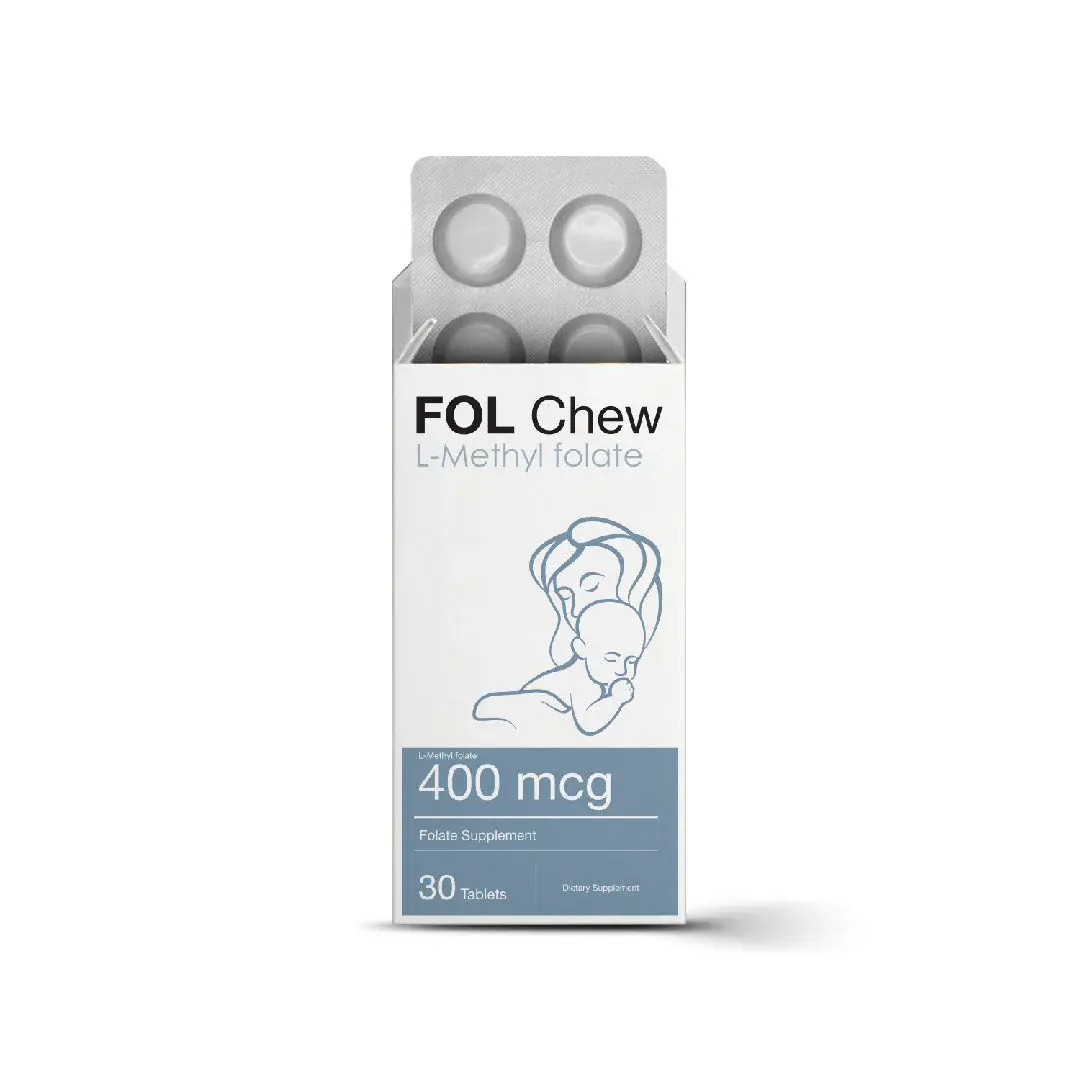
- FOL Chew, Rs 485, chewable L-methylfolate 400 mcg for the months around conception
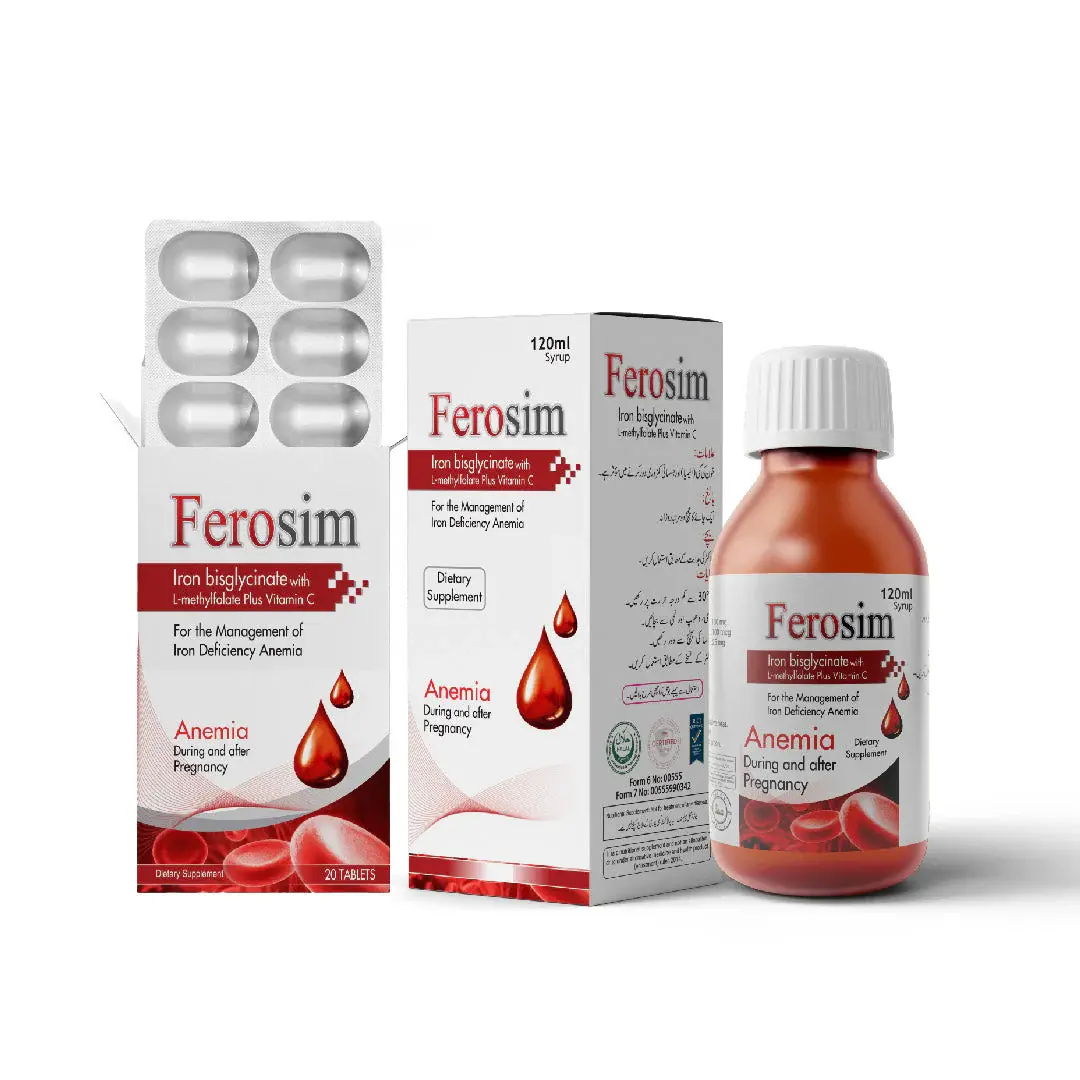
- Ferosim, Rs 450, iron bisglycinate with folate and vitamin C, the gentler iron form, taken on your doctor's advice
- Movin, Rs 870, maternal nutrition powder for mothers who cannot face another tablet
- Repro-F, Rs 1,300, preconception multivitamin with folic acid, iron and iodine for the planning months
Table of Contents
- Why Prenatal Vitamins Matter More in Pakistan
- When to Start Taking Prenatal Vitamins
- The 7 Essential Ingredients to Look For
- Ingredients That Are Nice to Have (But Not Critical)
- What to Avoid in Prenatal Supplements
- Choosing Between Local and Imported Brands
- How to Handle Common Side Effects
- Prenatal Nutrition: What Supplements Cannot Replace
- Popular Prenatal Brands and Prices in Pakistan
- Frequently Asked Questions
Why Prenatal Vitamins Matter More in Pakistan
Pakistan's maternal mortality ratio was 186 deaths per 100,000 live births in the Maternal Mortality Survey 2019, down from 276 in the 2005 to 2007 period. The same analysis puts postpartum haemorrhage at the top of the causes, at 41% of maternal deaths.
Some people dismiss prenatal supplements as a Western concept. Before you do, consider what the survey data says about Pakistani women's nutritional status.
- Anaemia is common before pregnancy even starts. The National Nutrition Survey 2018 found 41.3% of women of reproductive age anaemic. Globally, the WHO puts anaemia in pregnancy at 37% and links it to premature birth, low birth weight and maternal mortality. Starting a pregnancy already low on iron leaves no reserve.
- Folate needs rise sharply and rise early. Folic acid before and during early pregnancy protects against defects of the brain and spine, and the protection has to be in place before most women know they are pregnant.
- Vitamin D runs low. A study of 26,750 people at a Karachi laboratory found 56% vitamin D deficient and 76% deficient or insufficient, with the highest deficiency rate, 70%, in girls aged 13 to 18.
- Calcium targets are hard to hit from food alone. MedlinePlus puts the pregnancy target at 1,000 mg a day for adults and 1,300 mg for teenagers aged 14 to 18. A prenatal tablet cannot carry that much, so the rest has to come from meals.
- Iodine is easy to miss. The requirement rises during pregnancy and plenty of prenatal formulas leave iodine out of the label altogether.
These are not hypothetical concerns. They describe the baseline reality of the average pregnant woman in Pakistan. A well-chosen prenatal vitamin does not replace good food. It provides a safety net that closes dangerous gaps.
When to Start Taking Prenatal Vitamins
The standard advice is to start prenatal vitamins “when you find out you are pregnant.” This advice is too late.
The neural tube becomes the baby's brain and spinal cord, and it forms in the first weeks after conception. Most women do not even know they are pregnant during this window.
By the time a pregnancy test comes back positive, the window for preventing neural tube defects has already narrowed. Cleveland Clinic puts it plainly: ideally you take prenatal vitamins one to three months before trying to conceive.
The Ideal Timeline
- One to three months before trying to conceive: Start a prenatal vitamin carrying 400 to 600 mcg of folate. This builds tissue stores that protect from day one. Simfolic (Rs 1,390) pairs myo-inositol 2,000 mg with folic acid 400 mcg for this stage, and Repro-F is the fuller preconception multivitamin.
- Throughout pregnancy: Continue daily without gaps. Your needs for iron, calcium and vitamin D stay high through the second and third trimesters.
- During breastfeeding: Keep going while you are nursing. Lactation draws on maternal stores, which is why Greelac (Rs 600) and Movin sit in the same pack as the folate in our Complete Pregnancy Care bundle.
Practical reality in Pakistan: Many pregnancies are unplanned. If you are a woman of reproductive age and pregnancy is possible, a basic folate supplement still helps. It offers meaningful protection even without the full prenatal formula.
Folic acid is cheap and available at every pharmacy in Pakistan.
The 7 Essential Ingredients to Look For
Not all prenatal vitamins are created equal. Some carry a long ingredient list at doses too low to matter. That looks impressive and delivers little.
Focus on these seven ingredients at proper dosages.
1. Folate (400 to 600 mcg), Non-Negotiable
Folate is the single most important nutrient in any prenatal supplement. MedlinePlus states that getting enough folic acid before and during pregnancy can prevent major birth defects of the baby's brain or spine, which is about as strong as prevention advice gets.
What to look for: MedlinePlus puts the pregnancy and breastfeeding requirement at 600 mcg a day from food and supplements combined, and Cleveland Clinic says a prenatal should carry 400 to 600 mcg. Labels use two forms: folic acid, and L-methylfolate, the form already in its active state. FOL Chew is L-methylfolate 400 mcg in a chewable tablet, which suits women who gag on capsules. Some women are prescribed a higher dose, for a previous pregnancy affected by a neural tube defect or because of medication they take, and that decision belongs with a doctor.
Pakistan-specific note: Folate stores take time to build, so the tablet you start today is protecting a pregnancy that may be weeks away. That is the argument for starting before you are trying, not after.
2. Iron (27 to 30 mg), Fights the Anaemia Crisis
Iron requirements climb during pregnancy to support the mother's expanded blood supply and the baby's. MedlinePlus puts the figure at 27 mg a day, and Cleveland Clinic says most prenatal vitamins carry 27 to 30 mg of elemental iron. Given how common anaemia already is among Pakistani women, iron supplementation is not the part to skimp on.
What to look for: 27 to 30 mg of elemental iron. The WHO's antenatal recommendation runs from 30 to 60 mg of elemental iron with 400 mcg of folic acid daily, and it prefers the higher end in settings where anaemia in pregnant women reaches 40% or more. Your gynaecologist decides where in that range you sit. The form matters greatly for tolerability.
- Iron bisglycinate, best tolerated, least constipation, well absorbed. It costs more but it is worth it. Ferosim uses this form, with L-methylfolate 200 mcg and vitamin C 50 mg alongside it.
- Ferrous fumarate, good absorption, moderate side effects. Commonly used in Pakistan.
- Ferrous sulphate, cheapest and most available. It works fine but causes the most nausea and constipation.
Tip: Cleveland Clinic advises taking iron with vitamin C, a glass of orange juice for example, and not taking it with milk, caffeine, antacids or calcium supplements. In practice that means your iron tablet and your chai should be hours apart.
3. Calcium (200 to 300 mg), Protects Your Bones
The baby will take calcium regardless. It comes from your food, your supplement or your bones. That is the reason the target is set as high as it is.
What to look for: MedlinePlus sets the pregnancy target at 1,000 mg a day for adults, 1,300 mg for teenagers aged 14 to 18, from food and supplementation together. Cleveland Clinic notes that a prenatal itself typically carries only 200 to 300 mg. Calcium and iron also compete for absorption, so if you take both, space them out across the day.
Important: Fitting the full 1,000 mg into a single prenatal pill is physically impossible, because calcium is bulky. You need dietary sources to bridge the gap, and a separate calcium if your meals cannot. Calosent (Rs 350) is an effervescent calcium carbonate tablet with vitamins D3, C and B6 that dissolves in a glass of water, which is easier than swallowing another tablet.
4. Vitamin D3 (at least 600 IU), Unlocks Calcium
Vitamin D is what lets your body absorb the calcium you are eating. In a country where a large Karachi laboratory study found 76% of the people it tested deficient or insufficient, that link is not academic.
What to look for: MedlinePlus and Cleveland Clinic both give 600 IU a day as the figure for pregnancy. If you suspect you are low, get a blood test rather than guessing, and let your doctor set any higher, short-term dose. High-strength vitamin D products sold for general adult use are not prenatal doses and should not be self-prescribed during pregnancy.
5. DHA / Omega-3 (at least 200 mg), Brain Building
DHA (docosahexaenoic acid) is a structural fat that makes up a large part of the baby's brain and retina. Cleveland Clinic lists at least 200 mg of DHA among the things a prenatal should provide.
What to look for: DHA specifically, not just “omega-3.” EPA is useful, but DHA is the one named for foetal brain development. Fish oil is the common source, and algae-based DHA exists for those who avoid fish products.
Pakistan-specific note: Pakistani diets are typically low in fatty fish. Coastal households fare better; inland cities like Islamabad, Lahore and Faisalabad have thinner access to good fish, which is where a DHA supplement earns its place. MedlinePlus also advises limiting high-mercury fish in pregnancy, so check with your doctor before adding a fish oil on top of your prenatal.
6. Iodine (150 to 220 mcg), Brain Development
Iodine feeds the thyroid hormones that drive foetal brain development. Cleveland Clinic describes the requirement rising from 150 micrograms a day to 220 micrograms during pregnancy, and calls iodine a critical nutrient for the baby's brain.
What to look for: Iodine printed on the label at all. Cleveland Clinic warns that many prenatal vitamins simply do not contain it, which makes the label check worth the thirty seconds. Households using iodised salt get some from the kitchen, but not every household does. Repro-F lists iodine 140 mcg in its composition, close to the pre-pregnancy figure.
7. Zinc, Immune and Growth Support
Zinc supports immune function, cell division and foetal growth, and it appears on most complete prenatal labels for that reason. Pakistani diets lean on phytate-rich wheat, rice and legumes, which make zinc harder to absorb.
What to look for: Zinc named on the label with a stated milligram figure rather than a vague “mineral blend.” Repro-F carries 15 mg of zinc alongside its iron and iodine. Better-absorbed forms such as zinc picolinate or bisglycinate are worth paying for over zinc oxide.
Ingredients That Are Nice to Have (But Not Critical)
Beyond the essential seven, some prenatal vitamins add extra nutrients. These provide benefits but are not strictly necessary if your diet is reasonably balanced.
- Vitamin B6: Cleveland Clinic gives 1.9 mg a day in pregnancy and notes B6 may curb the nausea and vomiting of morning sickness, and that it works better when combined with an antihistamine called doxylamine. That combination is a prescription decision, so raise it with your gynaecologist rather than buying a high-dose B6 off the shelf.
- Vitamin B12: Important for nerve development. Most Pakistani diets include B12 from meat, eggs and dairy. Vegetarian women should make sure their prenatal includes it.
- Magnesium: Often taken in the evening for leg cramps and sleep. Calco Fit (Rs 1,290) is magnesium glycinate 500 mg, a form chosen for being gentle on the stomach, though it is sold for general adult use rather than as a pregnancy product. Clear any separate magnesium with your doctor first.
- Vitamin C: Supports iron absorption and immune function. Most Pakistani diets provide enough from citrus fruits, amla and vegetables, and Ferosim already includes 50 mg alongside its iron.
- Vitamin A: Important for foetal eye and immune development, and the one nutrient where more is actively worse. See the warning in the next section.
- Choline: Supports the baby's brain and spinal cord. Cleveland Clinic notes that most pregnant people fall short of the recommended amount and that choline is often missing from prenatal vitamins or present only in small amounts. Eggs are the everyday source.
What to Avoid in Prenatal Supplements
Some ingredients and formulations raise red flags.
- Too much vitamin A as retinol: The NHS advises keeping total vitamin A intake from food and supplements at or below 1,500 micrograms a day, and tells pregnant women to avoid liver and liver products such as pate. Check what form and how much your prenatal carries before adding anything else with vitamin A in it.
- Herbal blends and “traditional” additions: Some prenatals marketed here include herbal mixtures without safety data for pregnancy. Avoid any prenatal with herbal ingredients unless your doctor specifically approves them.
- Extra iron stacked on top of your prenatal: The WHO reserves 120 mg of elemental iron for treating diagnosed anaemia under clinical supervision. Adding a second iron product on your own initiative buys constipation and nausea, not benefit.
- Artificial colours and unnecessary fillers: These are not harmful in small amounts. Still, a quality prenatal should not need artificial colouring. If the pill is bright pink or blue, ask what else the maker prioritised over substance.
- Missing key ingredients: Some very cheap prenatals contain only folic acid and iron. They skip calcium, vitamin D, iodine and DHA entirely. These are incomplete and create a false sense of coverage.
Choosing Between Local and Imported Brands
Every pregnant Pakistani woman faces this question. Here is an honest assessment.
Imported Brands
Pros: Generally complete formulations, established quality control, and dosages set against published recommendations.
Cons: Pharmacy pricing moves with the rupee and the import cycle, so the figure you paid last month is not the figure today. Stock outside major city pharmacies is unreliable, and counterfeits circulate on unverified online sellers. Some formulas are also dosed for Western diets rather than Pakistani nutritional gaps.
Local Brands
Pros: Cheaper and far easier to actually find, month after month, which is the thing that decides whether you finish the course.
Cons: Formulations vary a lot in quality. Some are comprehensive. Others cut corners on expensive ingredients like DHA and methylfolate.
The Smart Approach
Price does not determine quality. Evaluate based on the seven essential ingredients above, at proper dosages.
A cheaper local prenatal that carries folate 400 to 600 mcg, iron 27 mg, calcium 200 to 300 mg, vitamin D 600 IU, DHA 200 mg, iodine and zinc beats an expensive import that quietly leaves iodine and DHA off the label. Read the panel, not the box.
Some women take Yellow Pink supplements like M-Sol (Rs 950) while trying to conceive. Its sachet carries myo-inositol 2,000 mg with folic acid 200 mcg and melatonin 1 mg, and it is built for ovulation, egg quality and steadier cycles rather than for pregnancy itself. Once a pregnancy is confirmed, talk to your doctor about moving to a prenatal formulation instead.
How to Handle Common Side Effects
The most common reason Pakistani women stop taking prenatal vitamins is side effects, mainly nausea and constipation. Both are manageable.
Nausea
- Take it after a meal. Cleveland Clinic's first suggestion for nausea is simply taking the vitamin after food rather than on an empty stomach.
- Take it at night with a light snack rather than in the morning. You sleep through the worst of the nausea window.
- Switch to a different iron form. Ferrous sulphate causes the most nausea. Ask your pharmacist for a brand using iron bisglycinate or ferrous fumarate.
- Ginger (adrak in hot water, without milk) before the vitamin is the traditional remedy here, and it settles the stomach for many women.
- Ask about the first trimester. If nausea peaks early, your doctor may adjust the iron in those weeks and bring it back later. That is a conversation, not a decision to make alone.
Constipation
- More fibre and more water. Cleveland Clinic names both as the first step, and a stool softener as the next one if they are not enough.
- Isabgol husk (psyllium) in water before bed is the familiar Pakistani version of that advice, and it sits well alongside iron.
- Walk daily. Even fifteen or twenty minutes helps things move.
- Switch iron forms. Iron bisglycinate, the form in Ferosim, is easier on the gut than ferrous sulphate.
- Try a different brand. Cleveland Clinic notes that side effects with one prenatal often disappear on another.
Do not stop taking your prenatal due to side effects without talking to your doctor. The fix is almost always switching brands, adjusting timing or managing symptoms, not stopping entirely.
Prenatal Nutrition: What Supplements Cannot Replace
A prenatal vitamin is a safety net, not a substitute for food. These dietary habits matter enormously during pregnancy.
- Protein at every meal: Eggs, chicken, daal, paneer, yogurt. Protein is the primary building material for foetal growth, and many Pakistani women eat portions that are too small during pregnancy.
- Leafy greens daily: Palak, sarson ka saag and methi provide folate, iron, calcium and magnesium in their natural, easily absorbed forms.
- Dairy every day: Milk, dahi, lassi, paneer. This is where the calcium your prenatal cannot carry has to come from.
- Fruit: Kela, kinnow and malta, amrood. Fruit brings vitamin C, which helps iron absorption, plus the fibre that counters iron-supplement constipation.
- Healthy fats: Desi ghee in moderation, almonds, walnuts. Fat is essential for the baby's brain development and for absorbing the fat-soluble vitamins.
- Hydration: Drink water steadily through the day. Dehydration worsens nausea, constipation and fatigue, which are already common pregnancy complaints.
Foods to limit: MedlinePlus advises avoiding alcohol, high-mercury fish, undercooked foods, unpasteurised dairy, raw sprouts and unwashed produce, and keeping caffeine under 200 mg a day. Chai counts towards that caffeine, and its tannins also work against your iron tablet, so keep the two apart.
Popular Prenatal Brands and Prices in Pakistan
Ask any pharmacy about prenatal vitamins in Pakistan and the same names come up. Here is how the options compare, so you can judge what you are paying for:
- Pregnacare (Vitabiotics), the imported UK range. Vitabiotics' own product pages describe Conception for the trying-to-conceive stage, Original and Plus through pregnancy (Plus adds an omega-3 capsule with 300 mg DHA), Max with L-methylfolate and 500 mg calcium, and a Breast-feeding formula for afterwards. All carry 400 mcg folic acid. We do not stock the range, and imported pricing moves with the rupee, so ask your pharmacy for today's figure rather than trusting a number you read online.
- Locally made prenatal tablets, the ones gynaecologists here write on the prescription pad most often. Their strength is that you can find them, refill them and afford them for nine months. Their weakness is inconsistency, so check the panel against the seven essentials rather than assuming a prescription means a complete formula.
- Building your own stack, which many mothers do with targeted pieces instead of one premium tablet: FOL Chew (Rs 485) for folate, Ferosim (Rs 450) for gentler iron, Calosent (Rs 350) for calcium, with DHA as your doctor advises. Our Complete Pregnancy Care bundle (Rs 1,720) packages Movin, FOL Chew and Greelac for pregnancy and breastfeeding, and the fuller Pregnancy & Prenatal Care Combo (Rs 3,474) packs five supplements covering planning, pregnancy and nursing. Both ship with cash on delivery anywhere in Pakistan.
Whichever brand you choose, check it against the 7 essential ingredients above. The label matters more than the name, and an affordable tablet taken every day beats a premium one taken sometimes.
Conclusion
Choosing the best prenatal vitamins in Pakistan does not require spending a fortune or decoding medical jargon. Learn the seven ingredients that matter, read the label honestly, and start early enough for it to count.
The evidence is steady on the basics. Folate before and during early pregnancy protects the baby's brain and spine. Iron protects against anaemia in a country where four in ten women of reproductive age are already anaemic. Vitamin D lets you absorb the calcium you eat, and DHA and iodine support the brain the baby is building. These fill the gaps Pakistani diets commonly leave.
Start your prenatal vitamin before conception if you can. If you are already pregnant, start today. Choose a formula with the seven essentials at proper doses. Manage side effects through timing changes and iron form switches rather than quitting, and pair your supplement with a diet built on protein, dairy, greens and fruit.
This article was written and medically reviewed to our medical review board standards and is for general guidance, not personal medical advice. Always speak to a doctor or pharmacist about your own situation.
Related: folic acid tablets in Pakistan, benefits, dosage and best picks.
Related on Yellow Pink: omega-3 fish oil · CoQ10 for fertility
Ready to sort your prenatal shelf? If you are still planning, start with Repro-F (Rs 1,300) or FOL Chew (Rs 485). If you are already pregnant, the Complete Pregnancy Care bundle (Rs 1,720) covers you through birth and nursing, and the rest of the range sits in women's health. Cash on delivery across Pakistan, and free delivery on orders over Rs 5,000 in Punjab. Take the label to your gynaecologist at your next visit and let her confirm the doses are right for you.
Shop Complete Pregnancy Care →Frequently asked questions
What are the best prenatal vitamins available in Pakistan?
The best prenatal vitamin is the one that carries the essentials at proper doses and that you will actually take every day. That means folate (MedlinePlus gives 600 mcg a day in pregnancy, Cleveland Clinic 400 to 600 mcg in the tablet), iron 27 to 30 mg, calcium 200 to 300 mg in the pill with the rest from food towards a 1,000 mg daily target, vitamin D 600 IU, DHA at least 200 mg, iodine, and zinc. Both local and imported brands can meet this standard, so check labels rather than trusting brand reputation or price.
When should I start taking prenatal vitamins if I am trying to conceive in Pakistan?
Cleveland Clinic advises starting one to three months before you try to conceive. Folate needs time to build tissue levels, and those levels protect during the first weeks of pregnancy, often before you know you are pregnant. If you are a woman of reproductive age and pregnancy is possible, even a plain folic acid tablet from any pharmacy provides meaningful protection in the meantime.
Can I take prenatal vitamins on an empty stomach?
It is not recommended. Prenatal vitamins, especially those with iron, commonly cause nausea on an empty stomach, and Cleveland Clinic's advice for that nausea is to take the vitamin after a meal. Many Pakistani women find dinner or bedtime works best, because the queasiness then passes while they sleep. If nausea persists regardless of timing, ask your gynaecologist about switching to a different brand or iron form.
Is it safe to take additional supplements alongside my prenatal vitamin?
Only with your doctor's knowledge, because the totals are what matter. Extra vitamin D, magnesium for cramps and sleep, or a DHA supplement if your prenatal lacks one are common additions. Do not stack a second iron product on your own: the WHO reserves higher iron doses for treating diagnosed anaemia. Keep total vitamin A from food and supplements at or below the NHS figure of 1,500 micrograms a day, and tell your doctor about everything you are taking.
Do prenatal vitamins cause weight gain?
No. Prenatal vitamins contain negligible calories. Pregnancy weight gain comes from the baby's growth, increased blood volume, amniotic fluid and maternal fat stores, not from vitamins. Women who avoid prenatals over weight concerns deprive themselves and their baby of essential nutrients with no weight benefit.
Liked this one? Get the next in your inbox.
One fortnightly note from the editors, new pieces, restocks, and the routines we're actually using. Unsubscribe any time.