Menopause & Perimenopause: Symptoms, Stages & Natural Relief (Pakistan 2026)
Menopause and perimenopause for women in Pakistan: the stages, symptoms from hot flushes to mood changes, when to see a doctor, and natural support.
Did you know that hot flushes can carry on for several years, and for some women even longer? Menopause is a natural stage every woman reaches. Yet it is rarely talked about openly in Pakistan, leaving many women confused by symptoms that seem to come from nowhere. Hot flushes, broken sleep, mood swings, irregular periods, these are all part of a normal hormonal transition, not a sign that something is wrong. Understanding what is happening makes it far easier to manage, and to know when to see a doctor. Here is a clear, supportive guide.
What is menopause, really?
Menopause is the point when your ovaries stop releasing eggs and your monthly periods end for good. It is driven by a natural fall in the hormones oestrogen and progesterone.
These hormones affect far more than the reproductive system. They touch the brain, bones, skin, heart, and temperature control. So when they decline, a wide range of symptoms can follow. None of this means you are unwell. It is a normal life stage, much like puberty in reverse.
The three stages
- Perimenopause. The lead-up, often beginning in your 40s, when oestrogen starts to fluctuate. Periods become irregular and symptoms begin. It can last several years and is when most women feel the change most strongly.
- Menopause. Officially reached when you have had no period for 12 months, on average around age 50.
- Post-menopause. The years after, when hot flushes and mood symptoms usually ease, but bone and heart health need more attention because oestrogen is no longer protecting them.
Common symptoms
- Hot flushes and night sweats, the classic sign, caused by the brain's temperature control becoming more sensitive.
- Irregular, lighter or heavier periods during perimenopause.
- Sleep problems and fatigue, often made worse by night sweats.
- Mood changes, irritability, anxiety or low mood.
- Vaginal dryness and discomfort, see our intimate comfort guide.
- Brain fog and trouble concentrating or remembering words.
- Joint aches and thinning bones as oestrogen falls.
- Changes in skin, hair and weight, including a tendency to gain weight around the middle.
Symptoms vary enormously. Some women sail through with barely a flush. Others find daily life genuinely disrupted. Both are normal.
What is normal and what is not
Irregular periods, hot flushes, and mood changes in your mid-40s are expected. Some things are not normal and should always be checked.
These include bleeding after 12 full months without a period (post-menopausal bleeding), bleeding between periods, very heavy bleeding that soaks through protection quickly, or symptoms starting before age 40. They are not always serious, but they need a doctor to rule out other causes.
When to see a doctor
See a doctor if symptoms disrupt your daily life or sleep, if periods become very heavy, if any bleeding returns after 12 months of none, or if you reach menopause before 40 (called early or premature menopause, which has extra health implications).
A doctor can discuss hormone replacement therapy (HRT), the most effective treatment for troublesome symptoms. They can weigh its benefits and risks for you personally, and rule out other causes such as thyroid problems. HRT is a medical decision worth an informed, individual conversation, rather than something to fear or to rush into.
Natural ways to ease symptoms
- Stay active and eat well. Weight-bearing and resistance exercise protects bones, lifts mood and helps with weight and sleep.
- Manage triggers. Spicy food, caffeine, alcohol, hot drinks and stress can each set off hot flushes; track yours and adjust.
- Dress in layers and keep your bedroom cool to take the edge off night sweats.
- Prioritise sleep and stress control through routine, breathing exercises or gentle activity.
- Protect your bones with enough calcium and vitamin D, plus regular movement.
- Look after your heart with a balanced diet, since cardiovascular risk rises after menopause.
Supplements that support the transition
Supplements do not replace medical care and are not a substitute for HRT where that is needed. But several are widely used to ease menopausal symptoms naturally and to support bone and mood health.
| Supplement | How it helps |
|---|---|
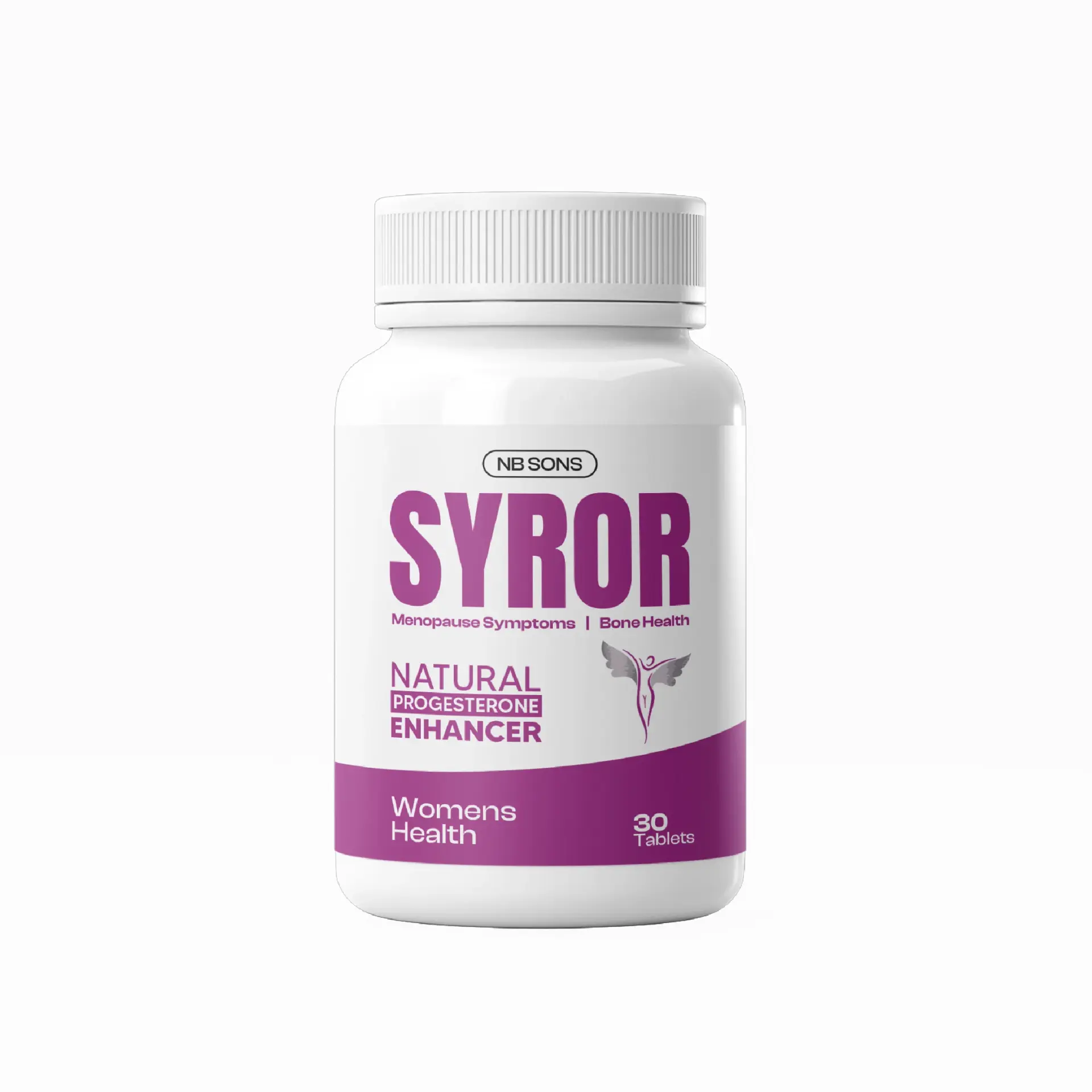
| Syror Soy Isoflavones | Plant compounds (50mg isoflavones) studied for hot flushes and hormonal balance |
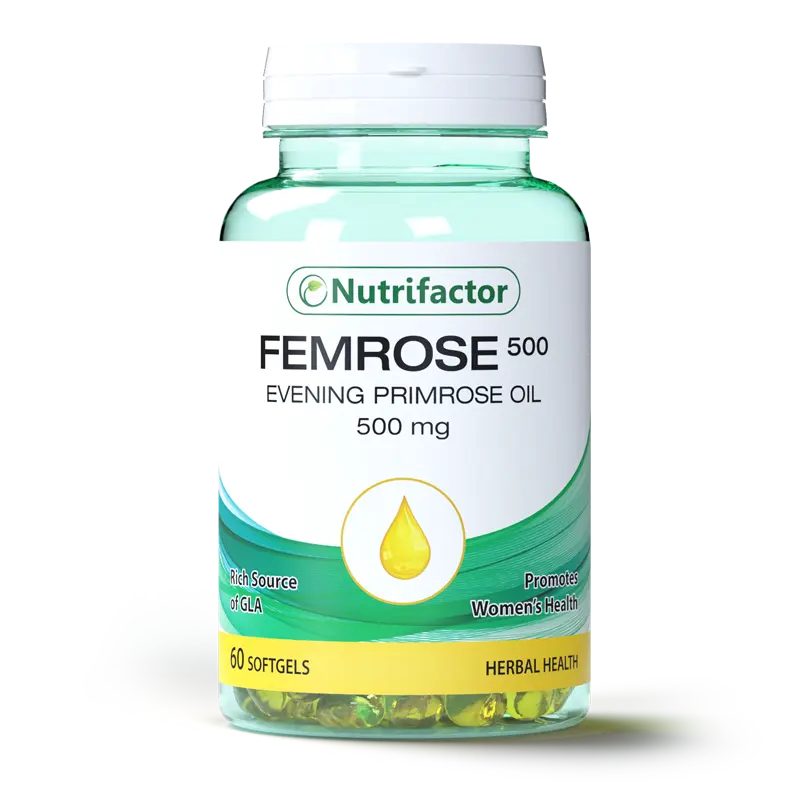
| Femrose (Evening Primrose Oil) | GLA traditionally used for hot flushes, mood and skin |
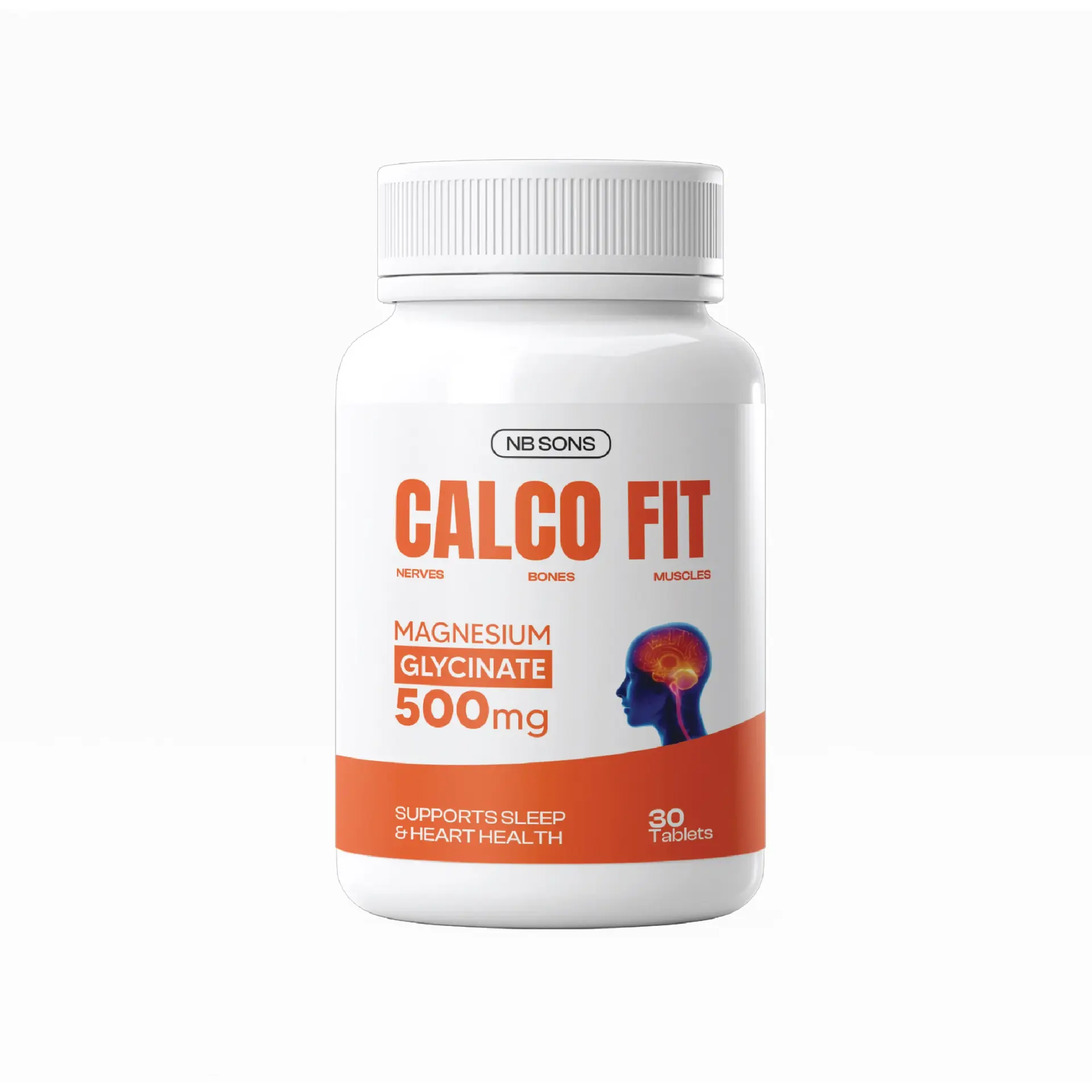
| Calco Fit Magnesium Glycinate | Supports sleep, mood and muscle relaxation |
| Vit KD (Vitamin D3 + K2) | Protects bones as oestrogen-driven bone loss speeds up |
Soy isoflavones in particular are one of the best-studied natural options for hot flushes. The effects are gentle and build over weeks rather than working overnight. See our dedicated Syror menopause guide. For bones, read our calcium and vitamin D guides. Always tell your doctor what you are taking, especially if you have a history of hormone-sensitive conditions.
Looking after bones and heart after menopause
The years after menopause are when bone loss is fastest and heart-disease risk climbs. So this is the time to be proactive, rather than wait for problems.
Weight-bearing exercise, enough calcium and vitamin D, not smoking, limiting alcohol, and keeping blood pressure and cholesterol in check all matter. Ask your doctor whether a bone-density (DEXA) scan is right for you, particularly if you have risk factors such as a small frame, early menopause, or a family history of osteoporosis.
Common myths about menopause
- Myth: menopause means the end of intimacy. Dryness and lower libido are treatable, and many women have satisfying intimate lives after menopause.
- Myth: HRT is dangerous for everyone. For many healthy women under 60, the benefits outweigh the risks; it is an individual decision to make with your doctor.
- Myth: weight gain is unavoidable. Metabolism does shift, but activity and diet keep it manageable.
- Myth: you just have to suffer through it. Effective help exists, from lifestyle changes to supplements to medical treatment.
Read next: Hormonal Imbalance in Women.
The bottom line
Menopause is a natural transition, not an illness. Stay active, protect your bones and heart, manage your triggers, and consider gentle natural support like soy isoflavones and evening primrose oil. Talk to your doctor about HRT if symptoms are tough, and always get post-menopausal bleeding checked. You do not have to just put up with it. This article follows our medical review board standards and is general guidance, not personal medical advice.
Shop Syror Menopause Support →Frequently asked questions
What age does menopause start in Pakistan?
Perimenopause often begins in the mid-40s, and menopause averages around age 50, though it varies from woman to woman. Before 40 is considered early and is worth seeing a doctor about.
What helps hot flushes naturally?
The most-used natural approaches are avoiding triggers (caffeine, spicy food, stress), dressing in layers, staying cool, and trying soy isoflavones like Syror or evening primrose oil.
How long do menopause symptoms last?
It varies widely. Hot flushes commonly last a few years, but some women have them for longer. Most symptoms ease in the post-menopausal years.
Do I still need contraception in perimenopause?
Yes. Until you have gone 12 months without a period, pregnancy is still possible. So continue contraception and ask your doctor for guidance.
Is weight gain inevitable during menopause?
No. Hormonal shifts make it easier to gain weight around the middle, but regular activity, strength training, and a balanced diet keep it in check.
Can menopause affect my mood and memory?
Yes. Mood swings, anxiety, low mood, and brain fog are common and usually improve over time. If low mood is persistent or severe, see a doctor, as it is treatable.
Is bleeding after menopause ever normal?
No. Any bleeding after 12 full months without a period should always be checked promptly by a doctor, even if it is light.
Are menopause supplements safe with HRT?
Some are, but check with your doctor first. This is especially true for supplements with hormone-like (phytoestrogen) effects, such as soy isoflavones.
Liked this one? Get the next in your inbox.
One fortnightly note from the editors, new pieces, restocks, and the routines we're actually using. Unsubscribe any time.