Delaying Your Period Safely: Umrah, Weddings and Travel
For umrah, hajj, a wedding or a long journey, a period can be safely postponed with the right tablet used the right way. How norethisterone works, when to start it, and who should ask a doctor first.
Every year, thousands of Pakistani women time a pharmacy visit around the same calendars: umrah and hajj dates, a wedding, board exams, a long trip. Postponing a period for an important occasion is medically routine, safe for most healthy women, and works reliably when the tablet is started at the right time. Here is how it works and how to do it properly.
The standard tablet and how it works
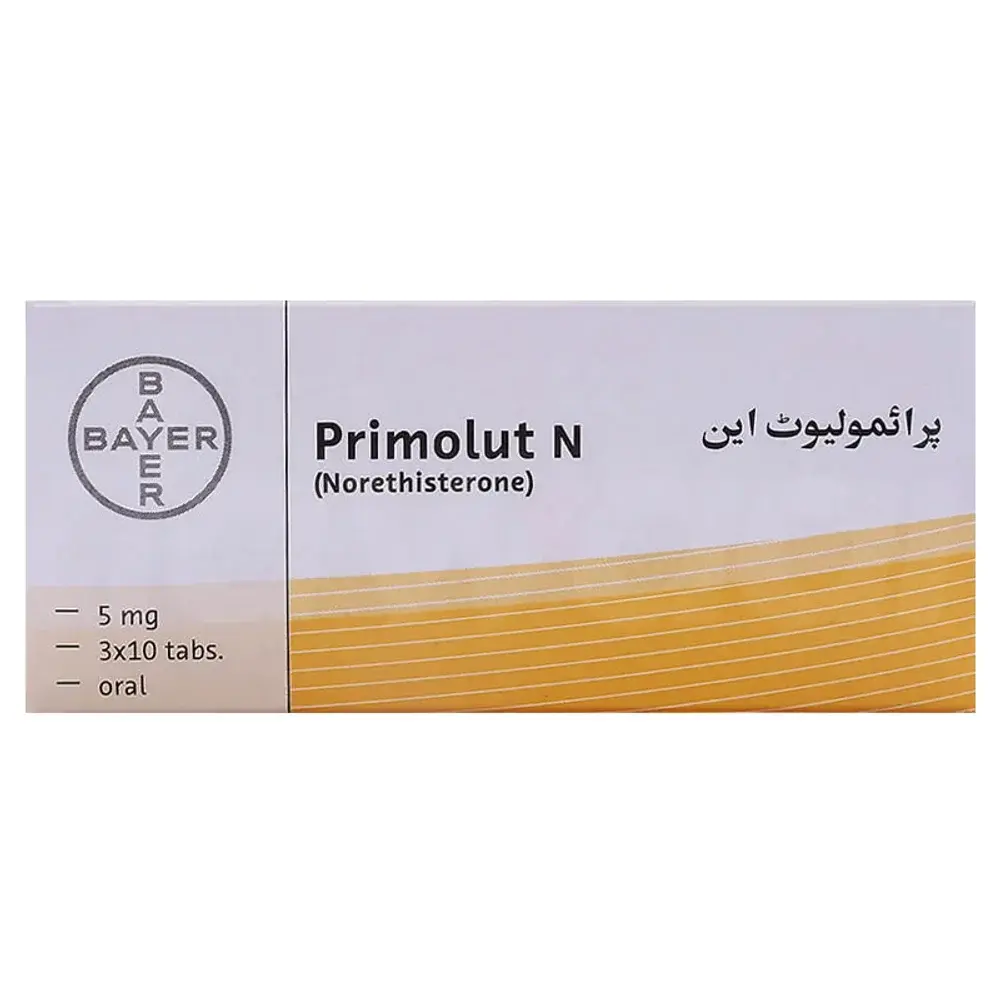
The medicine doctors in Pakistan prescribe for this is norethisterone 5mg, best known by Bayer''s brand Primolut-N. Your period starts each month because progesterone levels fall at the end of the cycle; norethisterone is a synthetic progestogen that holds those levels up artificially, so the uterine lining stays put. Keep taking it and the period waits; stop, and bleeding arrives within about two to three days.
The timing that makes it work
Start three days before the expected period, taking one tablet two to three times daily as prescribed, and continue for as long as the delay is needed, up to a maximum of about two weeks. The single most common mistake is starting too late: begun on the day the period is due, it often fails, because the hormone drop has already set the process moving. If your cycles are irregular and you cannot predict the date, our guide to cycle irregularity explains why, and a doctor can suggest the safest plan (women already on a daily pill like Famila-28F can often simply run packs back to back instead, ask your doctor).
What to expect
Most women feel nothing unusual. Some notice bloating, breast tenderness, mild mood changes or light spotting, all of which settle after stopping. The period that follows may be a little heavier than usual. Delaying a period this way does not harm fertility and does not disturb future cycles beyond the delayed month.
Who should ask a doctor first
Norethisterone is a prescription medicine, and the consultation matters for a reason: it is not suitable for women with a history of blood clots, some liver conditions, certain migraines, or a possible existing pregnancy. Never use it to delay a period that might already be late for that reason (a quick test settles it). It is also not a contraceptive: it will not prevent pregnancy during the delay. For everyone else, it is one of the most routinely prescribed tablets in gynaecology.
A note for umrah and hajj
Scholars broadly permit delaying the period for the sake of completing pilgrimage rites, and it is among the most common reasons Pakistani women use these tablets. Plan the start date against your travel dates with the three-day lead in mind, carry the full course including your return days, and keep the tablets in hand luggage with their box.
This article is for education and does not replace medical advice. Use prescription medicines as your doctor advises. Reviewed for accuracy by our medical review board.
If you are looking for ongoing cycle control rather than a one-off delay, read the birth control pills guide, which covers what is sold in Pakistan and how each type is taken.
Liked this one? Get the next in your inbox.
One fortnightly note from the editors, new pieces, restocks, and the routines we're actually using. Unsubscribe any time.