Birth Control Pills in Pakistan: What to Buy and How to Take It
Birth control pills in Pakistan: real pharmacy prices, how to start a pack, the 72-hour missed-pill rule, and side effects that settle.
Ask for family planning tablets at a pharmacy counter in Pakistan and you will usually be handed a small packet, charged a hundred rupees or so, and sent on your way. The medicine itself is good. The silence around it is the problem, because almost everything that decides whether a pill actually works sits in the instructions nobody gives you at the counter. Here is what is on the shelves, what it costs right now, and how to take it properly.
The two kinds of pill sold in Pakistan
Nearly every daily contraceptive tablet you will be offered here belongs to one of two families.
Combined pills
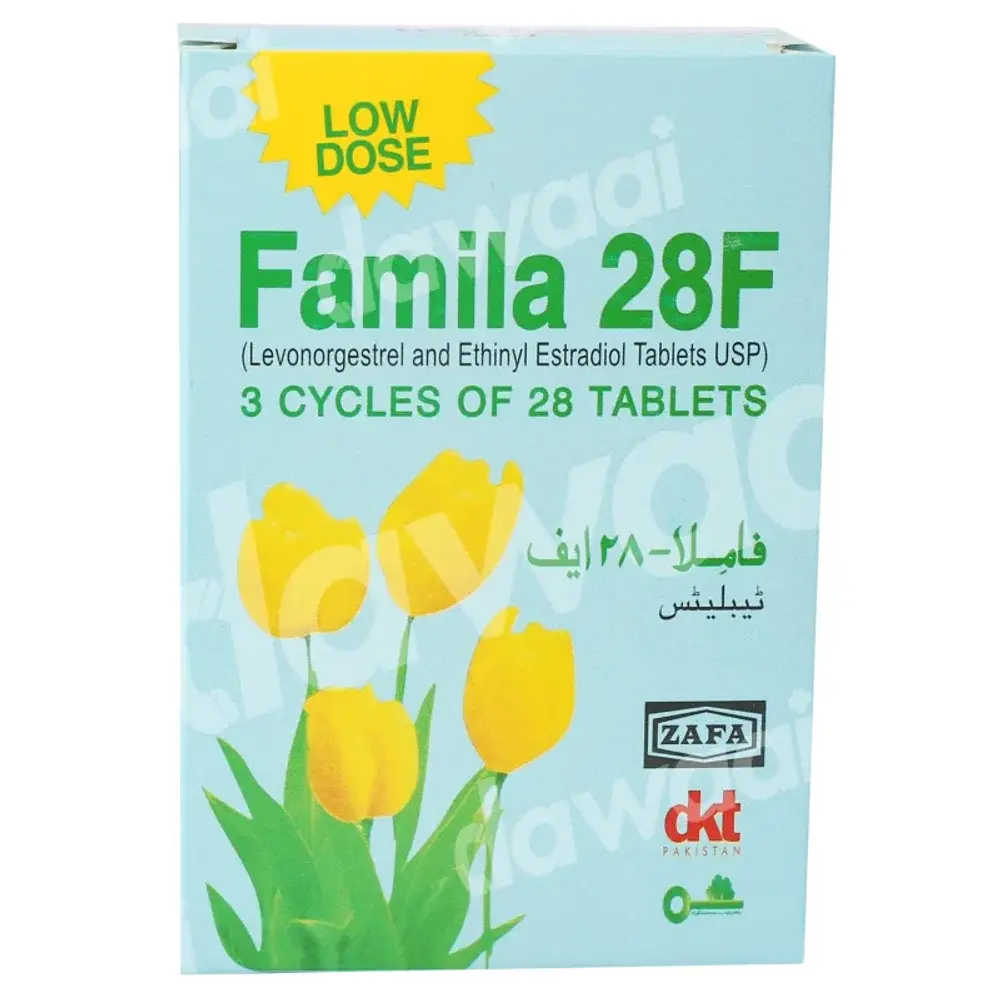
These contain an oestrogen (usually ethinylestradiol) and a progestogen. They stop your ovaries releasing an egg, thin the uterine lining and thicken cervical mucus. The 28-day packs sold locally follow the same pattern: 21 white hormone tablets, then seven brown tablets with no hormone in them, taken during the week you bleed so the daily habit never breaks. Famila-28F from DKT is the one most Pakistani women end up on, and it is the reason the combined pill is affordable here at all.
Progestogen-only pills
Also called the mini pill. No oestrogen, which matters for women who cannot take it: smokers over 35, women with migraine with aura, and mothers in the early months of breastfeeding. These are stocked less widely in Pakistan and your pharmacy may need to order one in. The trade-off is timing. A combined pill forgives a few hours of lateness; most mini pills want the same three-hour window every single day.
What they cost in Pakistan
Prices below are what online pharmacies were listing in late August 2026. Pharmacy-to-pharmacy variation is small on the social-marketing brands and large on the imported ones.
- Famila-28F (DKT): about Rs. 130 for three cycles, which is 84 tablets. Roughly Rs. 45 a month.
- Ismila-28F (DKT): around Rs. 110 for a 28-tablet pack.
- Yaz (drospirenone and ethinylestradiol): around Rs. 1,300 for 28 tablets. This is the imported end of the market, often prescribed for acne or PCOS as much as for contraception.
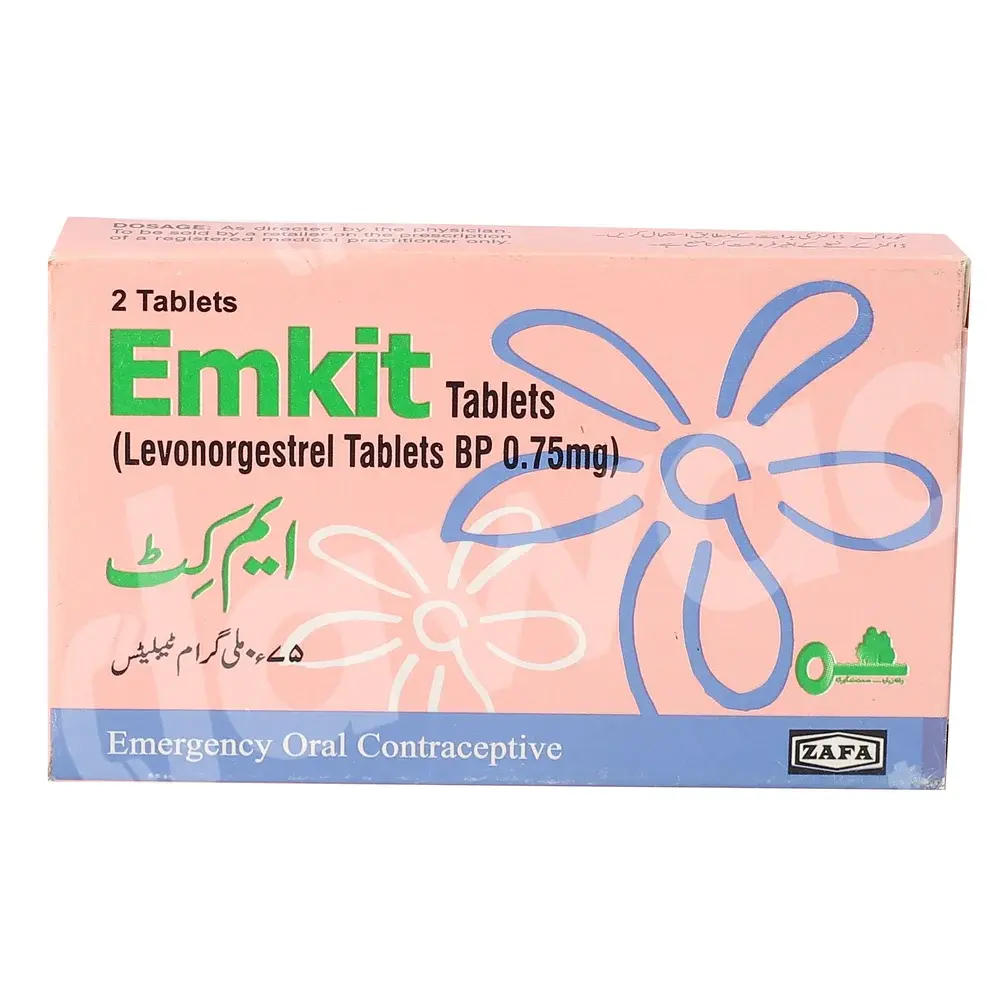
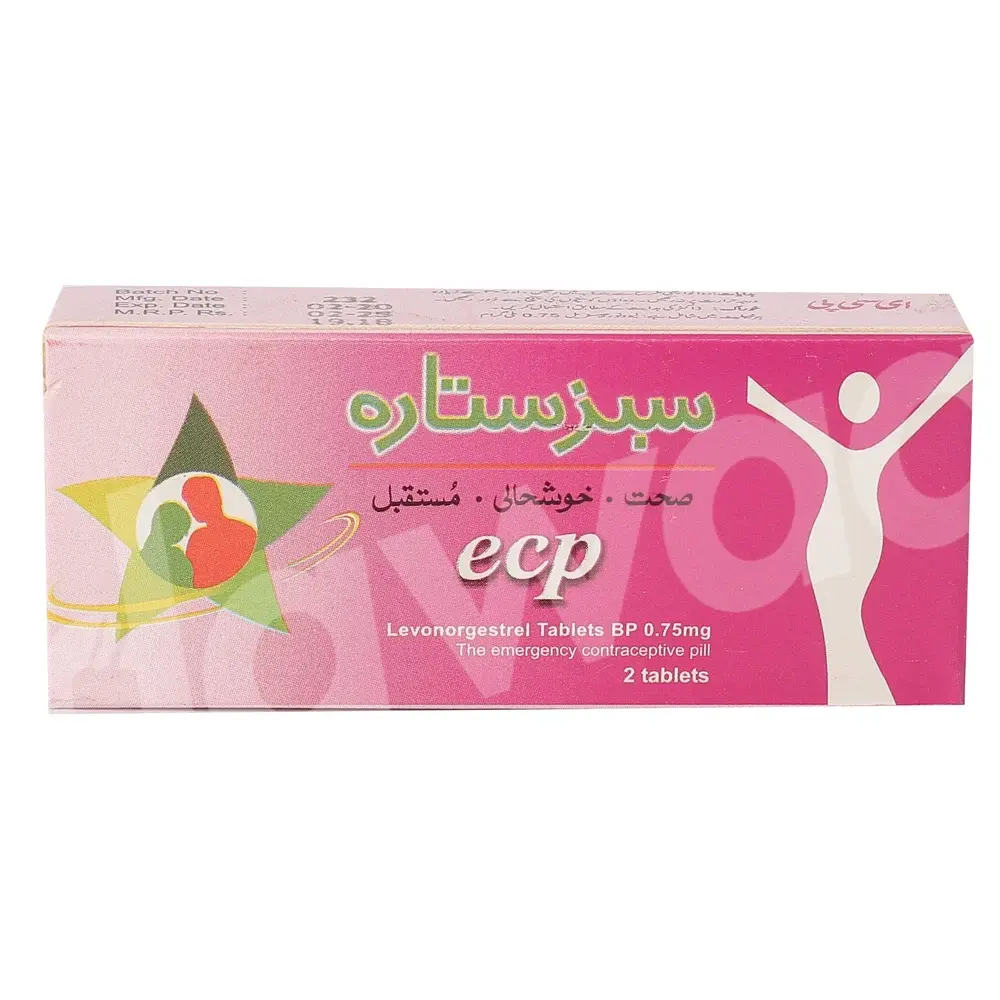
- Emergency pills: Emkit by Zafa at about Rs. 40 and ECP by Greenstar at about Rs. 41 for two tablets.
An emergency pill is a backup, not a monthly method, and it works far better the faster you take it. Our separate guide to emergency contraception explains the timing that decides whether it works.
How well the pill actually works
Two numbers get quoted and they are very different. Used perfectly, meaning the same time every day with no missed tablets, combined pills and mini pills both fail about 0.3 times per 100 women per year. In typical use, which is real life with late doses and forgotten packs, that rises to 7 per 100 women per year, according to WHO figures on contraceptive effectiveness.
The gap between 0.3 and 7 is entirely habit. Set an alarm for a time you are always awake and never driving. Most women who take it at night find it sticks better than a morning dose, because mornings in a Pakistani household are chaos.
Starting your first pack
If you start on the first day of your period, you are protected straight away. Start on any other day and you need condoms for the first seven days while the hormone levels build. That first week is where a lot of unplanned pregnancies come from, so do not skip it on the assumption that the tablet works from tablet one.
Take one tablet daily until the pack is done, then start the next pack the very next day. Do not leave a gap of your own invention. With a 28-tablet pack there is no break to remember, which is exactly why that format is the standard here.
When you miss a pill
This is the part worth screenshotting. Guidance from NHS sexual health services turns on a 72-hour clock from your last tablet.
One missed pill
Take it as soon as you remember, even if that means two tablets in one day, and carry on with the rest of the pack on time. If you took the previous seven pills correctly and you are still inside 72 hours, you stay protected and need nothing extra.
Two or more missed pills
Take the most recent missed tablet now, leave the older ones, and keep going with the pack. Use condoms or avoid sex until you have taken seven pills in a row correctly. If the misses happened in the first week of the pack and you had sex during the break or since missing, you may need an emergency pill. If they happened in the third week, finish the hormone tablets and start your next pack immediately without the brown-tablet week.
Vomiting or bad diarrhoea
If you throw up within a couple of hours of a tablet, the dose may not have been absorbed. Treat it as a missed pill and take another from a spare pack. Stomach infections are common enough here that this happens more often than people expect.
Side effects: what settles, what does not
Expect some spotting between periods in the first two or three packs. It is annoying and it usually stops on its own once your body adjusts. Mild nausea, breast tenderness and a bit of mood flatness sit in the same category. Give it three months before deciding the pill does not suit you.
Some things should not be waited out. Severe one-sided calf pain or swelling, sudden breathlessness, chest pain, a first-ever migraine with visual aura, or yellowing of the eyes all need same-day medical attention. Blood clots on the combined pill are rare, but they are the reason the warnings exist.
Weight gain is the complaint we hear most, and the evidence for the pill causing it is much weaker than the reputation suggests. Water retention in the first weeks is real and usually temporary. If your weight is genuinely climbing, our BMI calculator gives you a number to track against rather than a feeling.
Who should not take the combined pill
Talk to a doctor before starting if you smoke and are over 35, get migraines with aura, have had a blood clot in a leg or lung, have uncontrolled high blood pressure, have had breast cancer, have liver disease, or are less than six weeks postpartum and breastfeeding. Most of these push you toward the mini pill or a non-hormonal method rather than ruling everything out.
Long-term irregular cycles before you ever started the pill are worth investigating on their own. That pattern is often PCOS or a thyroid issue, and a pill can mask it for years without treating it. Our guide to irregular periods covers what to check first.
After a baby, and while breastfeeding
Breastfeeding on its own is not reliable contraception once your periods return or once the baby starts other foods. Progestogen-only pills are the usual choice while nursing because they do not affect milk supply. Combined pills are generally avoided in the first six weeks after delivery and often for longer if you are breastfeeding fully. Ask the doctor at your postnatal visit rather than guessing, and if you are anaemic after delivery, our note on iron deficiency in women is worth a read at the same time.
Coming off the pill
Fertility returns quickly. Most women ovulate again within a month or two of stopping, and there is no need to "clear it out of your system" for six months first. If you are stopping in order to conceive, start folic acid before you stop, not after. Our prenatal vitamin guide explains why the timing matters, and the ovulation calculator will help you find your window once cycles settle.
Give it three cycles before worrying about the pattern. If periods have not come back after that, or if a year of trying has passed with nothing, take our fertility quiz and read our guide on trying to conceive to work out what to raise with a gynaecologist.
Quick answers
Do I need a prescription in Pakistan?
In practice, pharmacies sell combined pills over the counter. A short consultation is still worth it, mostly so someone checks your blood pressure and asks about migraines before you start.
Is Primolut-N a birth control pill?
No, and this mix-up is common. Primolut-N is norethisterone used to delay a period for a wedding or umrah. It does not prevent pregnancy.
Can I skip the brown tablets to avoid my period?
Many doctors are comfortable with running two packs of hormone tablets back to back for an occasion. Ask yours first, because it depends on which pill you are on.
Does the pill cause infertility?
No. It pauses ovulation while you take it and stops doing so when you stop.
What if I got pregnant while taking it?
Stop the pill and take a test. A home pregnancy test read on a first-morning sample is reliable from the day your period was due, and our pregnancy calculator will give you a due date from your last period.
The short version
The pill is cheap in Pakistan, widely available, and forgiving of most things except a broken routine. Pick a combined 28-day pack if nothing on the caution list applies to you, take it at a fixed time you can defend every day, use condoms for the first week, and know the 72-hour rule before you need it. Keep an emergency pill at home so a missed pack does not turn into a three-week wait. Everything you need for that sits in our women's health range.
This article is for education and does not replace medical advice. Reviewed for accuracy by our medical review board.
Liked this one? Get the next in your inbox.
One fortnightly note from the editors, new pieces, restocks, and the routines we're actually using. Unsubscribe any time.