What Is PCOS? Signs, Causes and How to Manage It in Pakistan
PCOS explained for women in Pakistan: the first signs, what causes it, how doctors diagnose it, and the lifestyle and supplement steps that help manage it.

Did you know that polycystic ovary syndrome (PCOS) affects roughly one in ten women of reproductive age, making it one of the most common hormonal conditions Pakistani women live with, often for years before it is named? If your periods are unpredictable, your skin has changed, or weight feels harder to manage than it should be, PCOS is one of the first things worth understanding.
This guide explains what PCOS is, the first signs of PCOS, what causes it, how it is diagnosed, and the practical, evidence-informed steps, from lifestyle to supplements, that help most women manage it and protect their fertility.
What is PCOS?
PCOS stands for polycystic ovary syndrome. It is a hormonal condition in which the ovaries and the body's insulin and hormone balance work slightly differently. Despite the name, you do not need visible "cysts" on your ovaries to have it, and having a few follicles on a scan does not automatically mean you have PCOS. In Urdu it is often described simply as a hormonal imbalance affecting the periods and ovaries.
Three things tend to travel together in PCOS: irregular ovulation (so periods are late, skipped or unpredictable), higher levels of male-type hormones called androgens (which drive acne and extra hair), and an ovary appearance on ultrasound with many small follicles. Doctors look at the overall picture, not any single sign.
The first signs and symptoms of PCOS
PCOS looks different from woman to woman. These are the most common early signs:
- Irregular or missed periods. The most common clue, cycles longer than 35 days, very few periods a year, or unpredictable timing.
- Acne and oily skin. Especially along the jaw and chin, and often persisting past the teenage years.
- Extra hair growth (hirsutism). Coarser hair on the face, chin, chest or stomach, driven by androgens.
- Hair thinning on the scalp. A male-pattern thinning at the crown or temples.
- Weight gain or difficulty losing weight. Often centred around the abdomen.
- Trouble conceiving. Because ovulation is irregular, pregnancy can take longer.
You do not need all of these. Many women have just irregular periods and one or two skin or hair changes.
What causes PCOS?
There is no single cause, but two mechanisms sit at the centre of it:
Insulin resistance
In many women with PCOS the body does not respond to insulin as well as it should, so it makes more of it. High insulin nudges the ovaries to produce more androgens, which disrupts ovulation. This is why PCOS, weight and blood-sugar health are so closely linked, and why improving insulin sensitivity helps so many of the symptoms at once.
Hormonal and genetic factors
Higher androgen levels are a defining feature, and PCOS often runs in families, if your mother or sister has it, your chances are higher. It is nobody's fault and it is not caused by anything you did.
How is PCOS diagnosed?
Doctors usually diagnose PCOS when at least two of these three are present, after ruling out other causes: irregular or absent ovulation, signs of high androgens (on examination or blood tests), and a polycystic-looking ovary on ultrasound. Expect your doctor to ask about your cycle, examine your skin and hair, and often order blood tests (hormones and blood sugar) and a pelvic ultrasound. A single test cannot confirm or rule out PCOS on its own.
How is PCOS managed?
PCOS cannot be "cured" in the sense of disappearing forever, but for most women it can be managed so well that symptoms fade into the background. Management is built on lifestyle first, with medicines and supplements supporting it.
Lifestyle: the foundation
- Even a modest weight loss (around 5–10% of body weight, if you carry extra) can restart regular periods and improve fertility.
- A lower-glycaemic diet, fewer refined carbohydrates and sugary drinks, more protein, vegetables and whole grains, helps steady insulin.
- Regular movement. A mix of walking and some resistance exercise improves insulin sensitivity even without big weight changes.
- Sleep and stress. Poor sleep and chronic stress worsen insulin resistance, so they are part of the plan, not an afterthought.
Supplements that may help
Myo-inositol is the most studied supplement for PCOS. It works with the body's insulin signalling and has been shown in research to support more regular cycles and ovulation in many women, often combined with folic acid (which is also recommended for anyone trying to conceive). It is widely used because it is generally well tolerated.
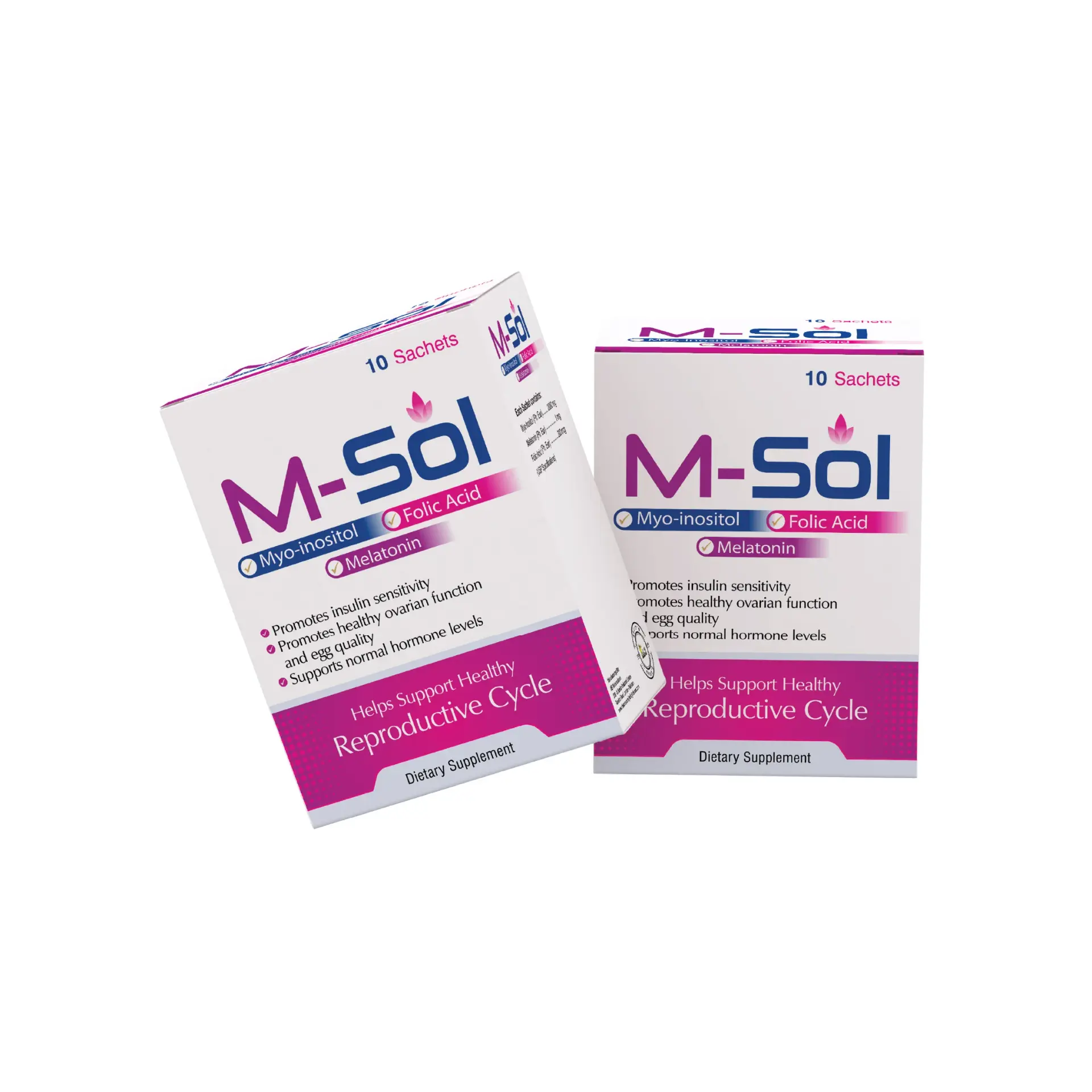
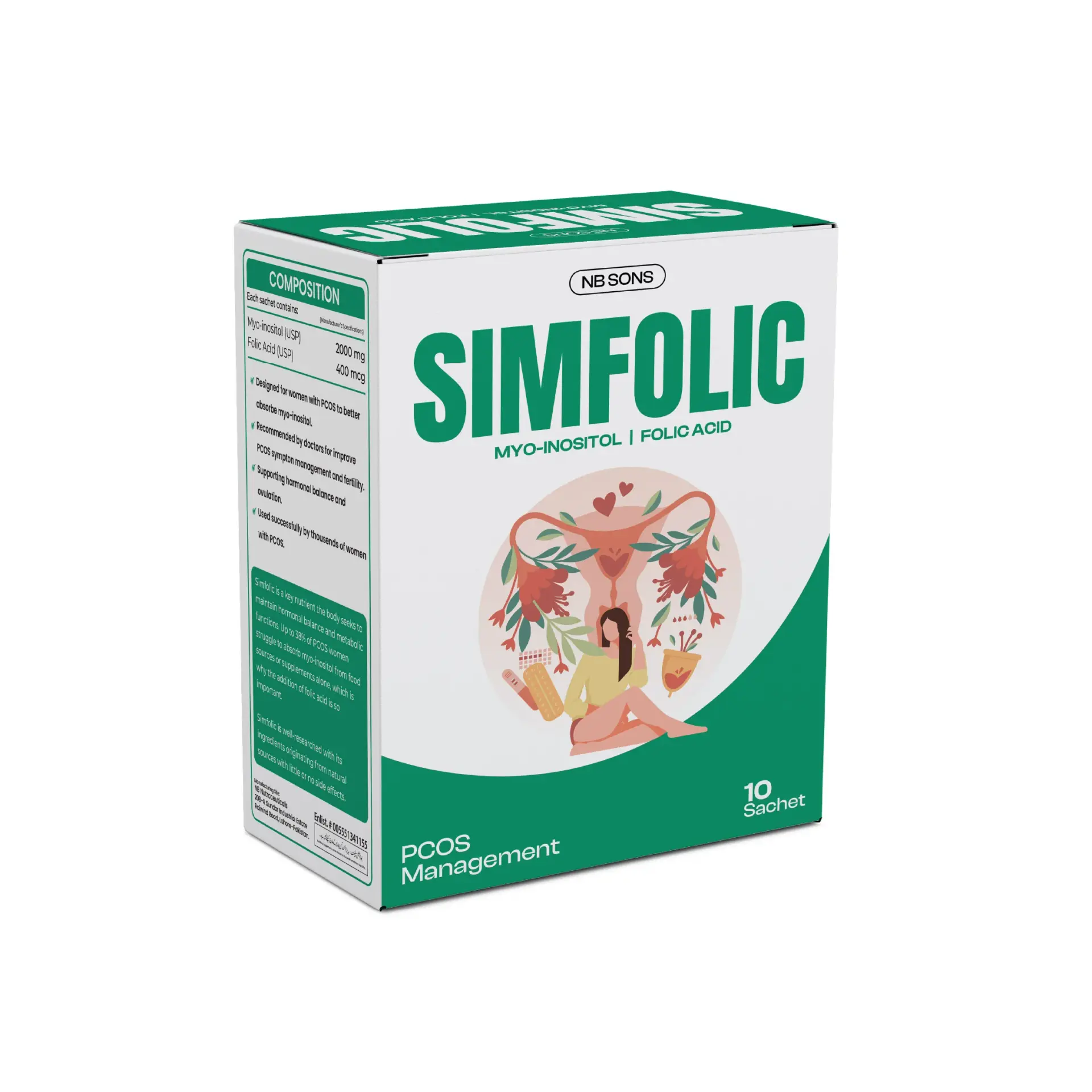
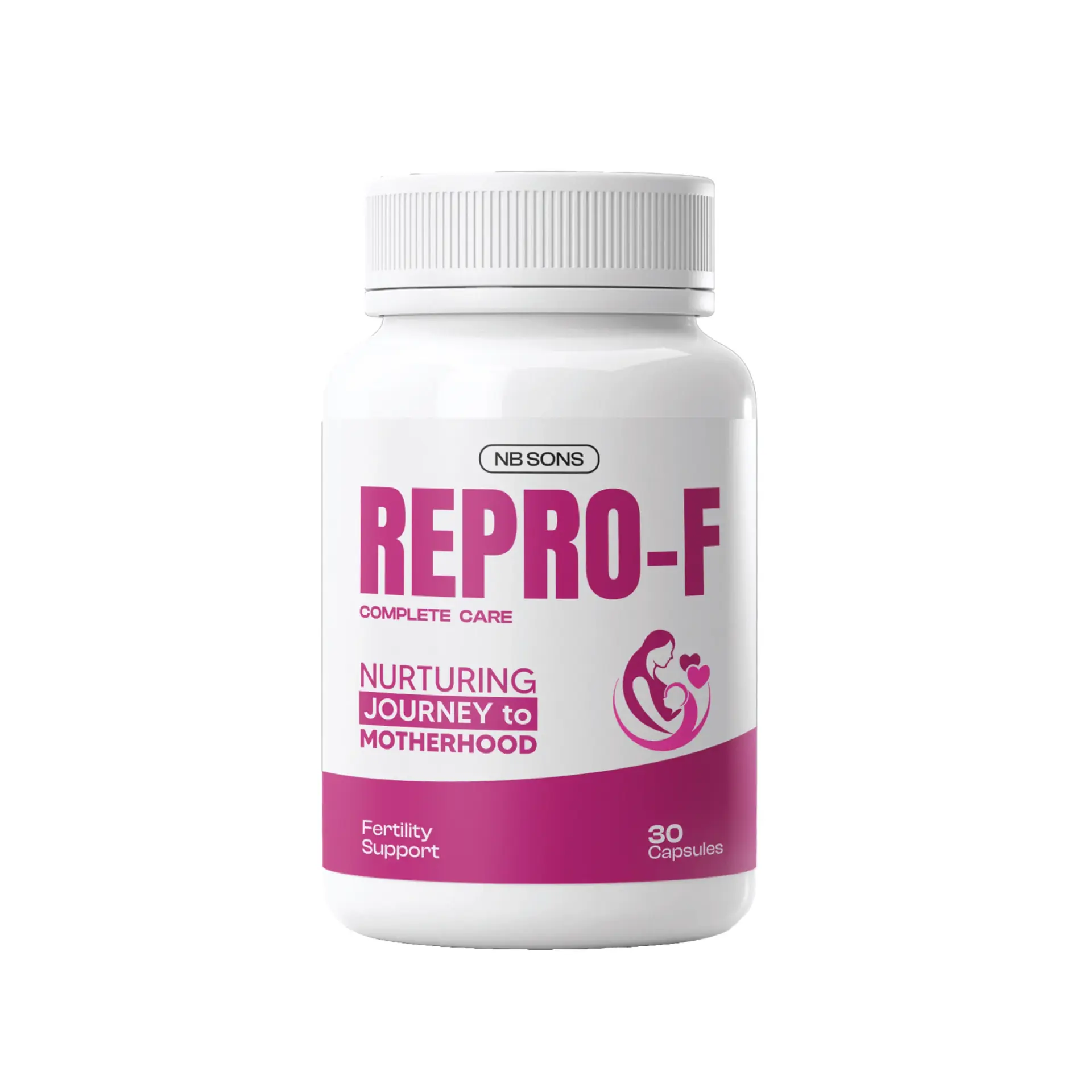
At Yellow Pink the commonly chosen options are M-Sol Myo-Inositol sachets and Simfolic (Myo-Inositol + Folic Acid) for cycle and PCOS support, and Repro-F as a broader women's fertility formula. FOL Chew folate is a simple way to cover folic acid if you are planning a pregnancy. You can see the full range on the Women's Wellness page.
Supplements support a plan; they do not replace one. Talk to your doctor or pharmacist before starting, especially if you are on other medicines or trying to conceive, so the dose and combination are right for you.
PCOS and getting pregnant
Here is the reassuring part: most women with PCOS can get pregnant, it may simply take longer or need some help. Because the core issue is irregular ovulation, the same steps that regulate cycles, weight management, insulin-friendly eating, and myo-inositol with folic acid, often improve the odds of conceiving naturally. When more help is needed, doctors have very effective ovulation-support treatments. If you have been trying for a year (or six months if you are over 35), see a doctor, and ask that your partner be checked too, since male factors contribute in roughly half of couples.
When to see a doctor
Book an appointment if your periods are consistently irregular or absent, if acne or hair growth is distressing, if you are struggling to conceive, or if you have risk factors for diabetes. PCOS is also linked over the long term with type 2 diabetes and heart health, so it is worth managing even when you are not planning a pregnancy. A doctor can confirm the diagnosis and tailor treatment to you.
Read next: PCOS Diet Plan in Pakistan, Hormonal Imbalance in Women and Birth Control Pills in Pakistan.
This article was written and medically reviewed to our medical review board standards and is for general guidance, not personal medical advice. Always speak to a doctor or pharmacist about your own situation.
PCOD vs PCOS: are they the same thing?
You will see both terms used in Pakistan, often interchangeably, and the confusion is understandable. PCOD (polycystic ovarian disease) is the older label, still common in South Asian clinics, and doctors sometimes use it for the milder end of the picture: ovaries with many small follicles and somewhat irregular cycles, but less of the hormonal and metabolic disturbance. PCOS (polycystic ovary syndrome) is the current medical term and describes the full syndrome, where the cycle problems come with elevated androgens, acne or excess hair, and insulin resistance.
For practical purposes, everything in this guide applies to both labels. The tests are the same, the lifestyle levers are the same, and myo-inositol, weight management and medical treatment work the same way whichever word is on your file. What matters is not the label but getting the diagnosis confirmed and acting on it early.
Excess facial or body hair is one of the commonest PCOS signs. The hirsutism guide covers the tests that confirm the cause and the treatments that work.
Frequently asked questions
Can PCOS be cured permanently?
Not cured, but very well managed. With lifestyle changes and the right support, many women have regular cycles and few symptoms. Symptoms can return if the habits stop, so think of it as ongoing management rather than a one-time fix.
Is PCOS dangerous?
PCOS itself is not immediately dangerous, but untreated over years it raises the risk of type 2 diabetes, high blood pressure and heart disease, which is exactly why managing it early matters.
Can you get pregnant with PCOS?
Yes. Most women with PCOS conceive, sometimes naturally with lifestyle and ovulation support, sometimes with a doctor's help. It often just takes a little longer.
How do I lose weight with PCOS?
Focus on steadying insulin: fewer refined carbs and sugary drinks, more protein and fibre, regular movement including some resistance work, and good sleep. Even a small, steady loss makes a big difference to symptoms.
Does myo-inositol help PCOS?
It is the best-studied supplement for PCOS and may support more regular ovulation and better insulin balance, usually alongside folic acid. Ask your doctor or pharmacist whether it fits your situation.
Liked this one? Get the next in your inbox.
One fortnightly note from the editors, new pieces, restocks, and the routines we're actually using. Unsubscribe any time.