Hormonal Imbalance in Women: Signs, Causes and What Actually Helps
Hormonal imbalance in women: the signs that matter, the causes behind them, the tests to ask a Pakistani lab for, and what actually helps.

"Hormonal imbalance" gets blamed for everything from acne to anger, and half of what is written about it is vague enough to fit anyone. But behind the loose label sit a handful of conditions that can be tested for and treated, and in Pakistan they go undiagnosed for years because the symptoms get dismissed as normal. This guide lists the signs that genuinely point to a hormone problem, the usual culprits at each stage of life, the exact tests to ask a lab for, and what helps once you know what you are dealing with.
Shop the picks in this guide
- Simfolic Myo-Inositol + Folic Acid, Rs 1,390, the PCOS-focused inositol most readers start with
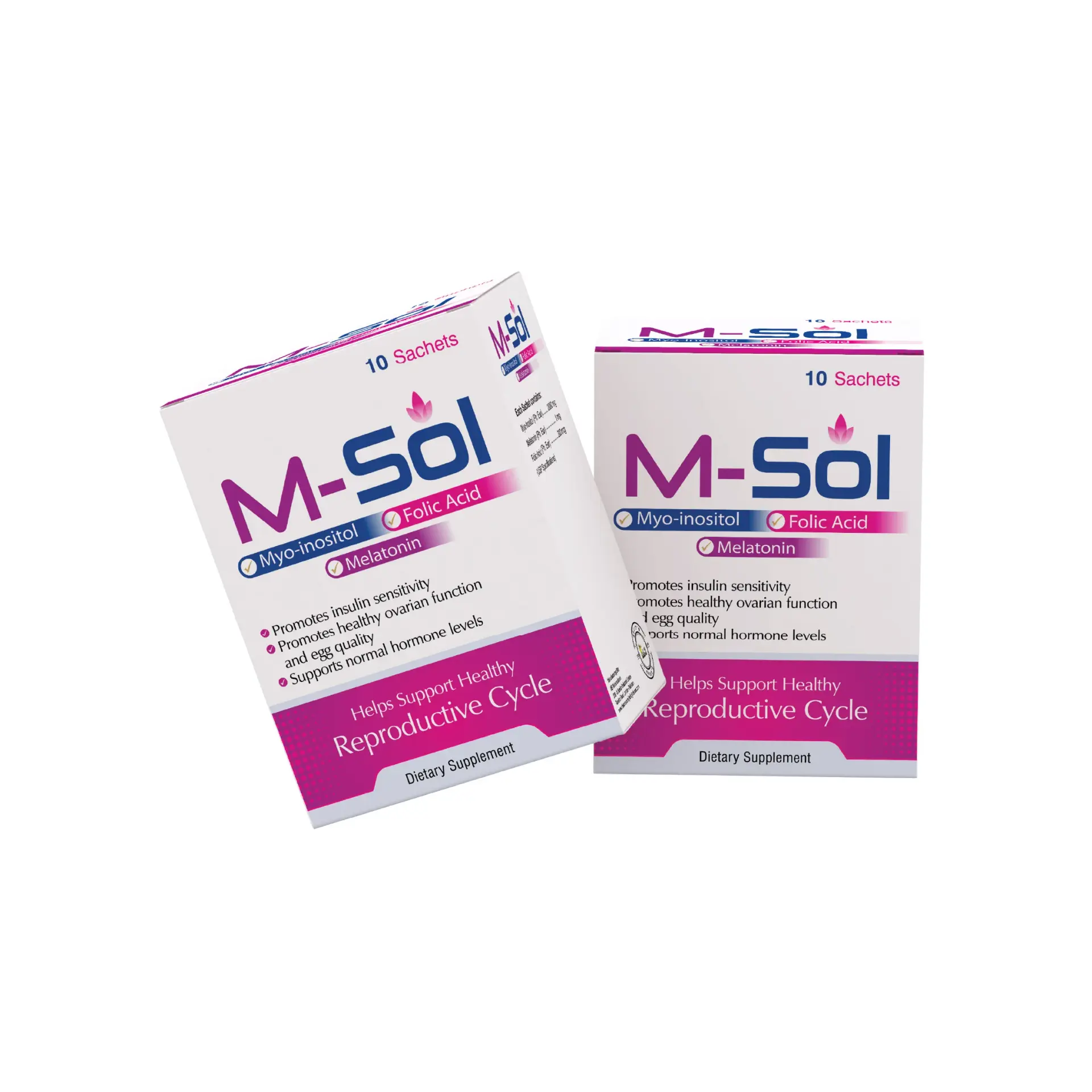
- M-Sol Myo-Inositol Sachet, Rs 950, the sachet form, for women who are also trying to conceive
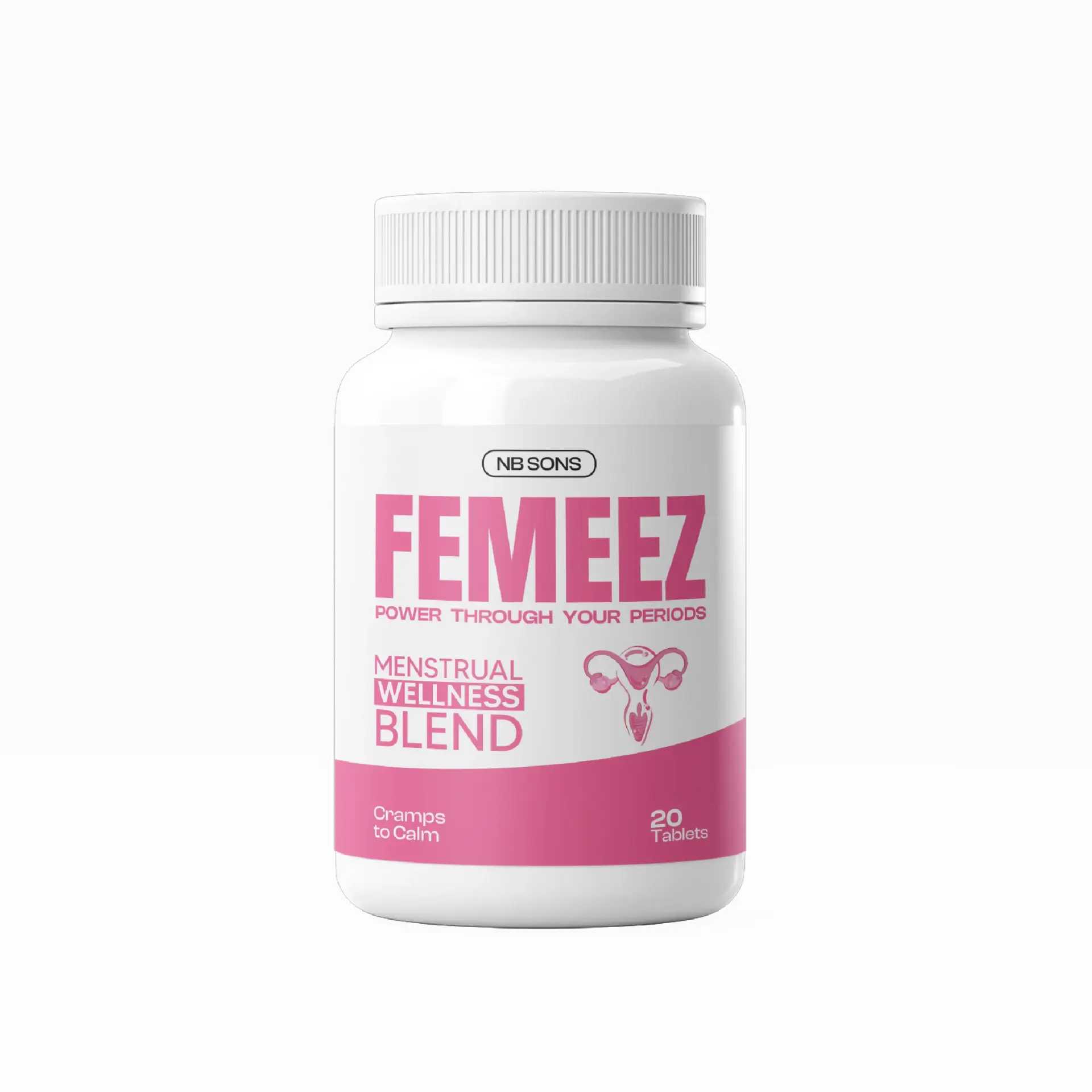
- Femeez Menstrual Wellness Blend, Rs 950, chaste berry with magnesium and B6 for the premenstrual week
- Syror Soy Isoflavones Tablet, Rs 1,450, for irregular periods and menopause-stage symptoms
- Women's Wellness & Hormonal Balance Combo, Rs 3,479, five of the basics in one box
Signs that actually suggest a hormone problem
- Cycle changes: periods that arrive late by weeks, vanish for months, or turn suddenly heavy or scant. The cycle is a monthly hormone report card, and this is the single strongest clue.
- Stubborn adult acne along the jaw and chin, especially flaring before periods.
- Hair growing where it should not (face, chest) while thinning where it should (scalp). This pattern points to excess androgens.
- Weight that climbs despite unchanged eating, or extreme difficulty losing it, particularly around the middle.
- Exhaustion, feeling cold, constipation and dry skin together, the classic under-active thyroid picture.
- Milky nipple discharge outside breastfeeding, a prolactin flag that always deserves a test.
- Hot flushes, night sweats and mood swings in your 40s, covered separately in our perimenopause guide.
One bad month means little; stress, travel and illness all bend a cycle. A pattern over three months or more is worth investigating.
The usual causes
PCOS is the usual answer when acne, unwanted hair growth and irregular periods turn up together. The World Health Organization puts it at 10 to 13% of women of reproductive age, calls it the most common cause of anovulation globally, and estimates that up to 70% of affected women worldwide do not know they have it. It is a metabolic condition as much as a reproductive one, and it responds well to the right management; start with our PCOS guide. Thyroid disorders come next and are easy to miss, partly because the fatigue gets attributed to busy lives. The NHS lists tiredness, feeling cold more than usual, constipation, dry skin and irregular periods among the signs of an underactive thyroid. High prolactin quietly switches off cycles; Cleveland Clinic names a benign pituitary growth (a prolactinoma) as the most frequent cause, with medications such as some antidepressants, antipsychotics and blood pressure drugs, and an underactive thyroid, close behind. Perimenopause usually arrives between 45 and 55, and the NHS notes it can start earlier than that. And a set of lifestyle levers, chronic sleep debt, crash dieting, severe stress, push every one of these systems in the wrong direction.
The tests to ask for in Pakistan
Any major lab can run these from one blood draw, ideally in the first few days of your period if you still have a cycle: TSH with free T4 (thyroid), prolactin, total and free testosterone, LH and FSH, and fasting glucose with insulin, since insulin resistance sits underneath a lot of PCOS. If cycles are absent or ovarian reserve is in question, add AMH, which we explain fully in our AMH test guide. Bring the results to a gynaecologist or endocrinologist rather than self-diagnosing; the pattern across tests matters more than any single number.
What actually helps
Fix the diagnosis, not the label. Thyroid disease needs medication, high prolactin needs its cause addressed, and both are cheap to treat once found. No supplement substitutes for either.
For PCOS-type imbalance, myo-inositol is the supplement with the most research behind it, and it is worth being honest about how strong that research is. The Cochrane review of inositol for subfertile women with PCOS rated the evidence very low quality and said its authors were uncertain whether myo-inositol improves live birth or clinical pregnancy rates. Smaller trials report better insulin markers and steadier cycles, which is why it is still widely suggested here, so treat it as support alongside diet, activity and whatever your doctor prescribes rather than as the fix. The mechanism and dosing live in our myo-inositol guide. We stock it in more than one form: Simfolic pairs myo-inositol 2000 mg with folic acid 400 mcg, M-Sol sachets add melatonin and folic acid for women who are also trying to conceive, and Nutrifactor Oxitol or Ovacep combine myo-inositol with D-chiro-inositol if you want that version.
For PMS-heavy months, evening primrose oil is the traditional pick, but its evidence is weaker than its reputation. The US National Center for Complementary and Integrative Health says evening primrose oil is probably no more effective than a placebo for breast pain, with insufficient evidence for PMS and menopause symptoms. Our honest review is in the evening primrose guide, and Femrose 500 is the bottle we carry if you want to try it anyway. Femeez is the other route, a chaste berry blend with magnesium, vitamin B6 and B12, ginger and chamomile aimed at the premenstrual week, and Syror is a soy isoflavones 50 mg tablet used for PMS, irregular periods and menopause support. The Women's Wellness & Hormonal Balance Combo puts M-Sol, Syror, Femeez, Ferosim and Cranblue in one pack. None of these replaces a diagnosis, and if you take regular medication, ask your doctor before you start any of them.
The unglamorous levers move the most. The NHS puts adult sleep need at 7 to 9 hours a night, and its activity guidance is 150 minutes of moderate activity a week plus strengthening work on at least 2 days. If weight has crept up, the NIH's NICHD notes that losing a small amount of weight can restore ovulation and make cycles more regular in PCOS. Period pain riding along with the imbalance has its own fixes, covered in our period pain guide.
When to see a doctor without waiting
Go promptly if periods have stopped for three months and pregnancy is excluded, if you have nipple discharge, if facial hair or scalp loss is progressing quickly, or if you are trying to conceive and cycles are unpredictable, in which case pair the doctor visit with our trying-to-conceive guide. Hormone problems are among the most fixable things in medicine, but only after they are named.
The order that works: book the blood tests first, take the results to a gynaecologist or endocrinologist, then add one supplement that matches what the tests actually showed instead of stacking four. For PCOS-type cycles that is usually Simfolic, and the rest of the range sits in Women's Health. We ship across Pakistan with cash on delivery, and delivery is free on orders over Rs 5,000 in Punjab.
Liked this one? Get the next in your inbox.
One fortnightly note from the editors, new pieces, restocks, and the routines we're actually using. Unsubscribe any time.