Testosterone Levels: How to Boost Naturally in Pakistan
Low testosterone? Ten evidence-based ways to boost testosterone naturally in Pakistan: sleep, lifting, zinc, vitamin D and the herbs that hold up.
Did you know? Testosterone starts sliding in your late thirties, by roughly 1% a year, and the drop keeps going from there. Plenty of men in Pakistan feel it long before they name it.
Testosterone is the hormone that defines male health. It fuels muscle, sharpens focus, keeps bones strong, drives libido, and steadies mood.
Fatigue that coffee cannot fix. A belly that grows on the same food. Motivation that fades by afternoon. Performance worries nobody talks about. Ageing explains part of that. Falling testosterone explains more of it, and that part you can act on.
This guide shows how to boost testosterone naturally in Pakistan. The methods are backed by clinical research. They are also adapted to Pakistani diets, routines, and the supplements you can actually buy here.
Shop the picks in this guide (5)
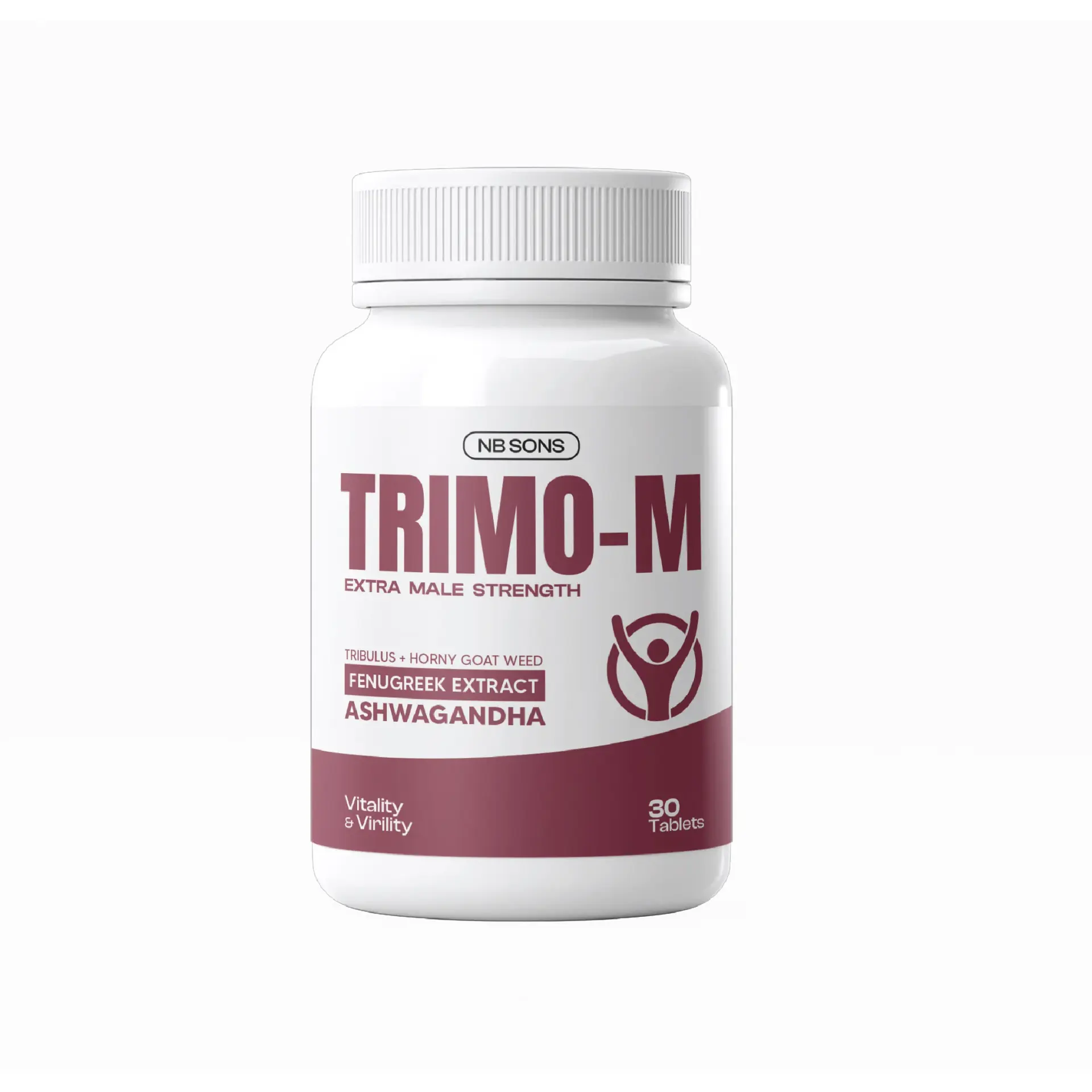
- Trimo-M, Rs 2,500, ashwagandha, Tribulus, fenugreek and zinc in one daily tablet
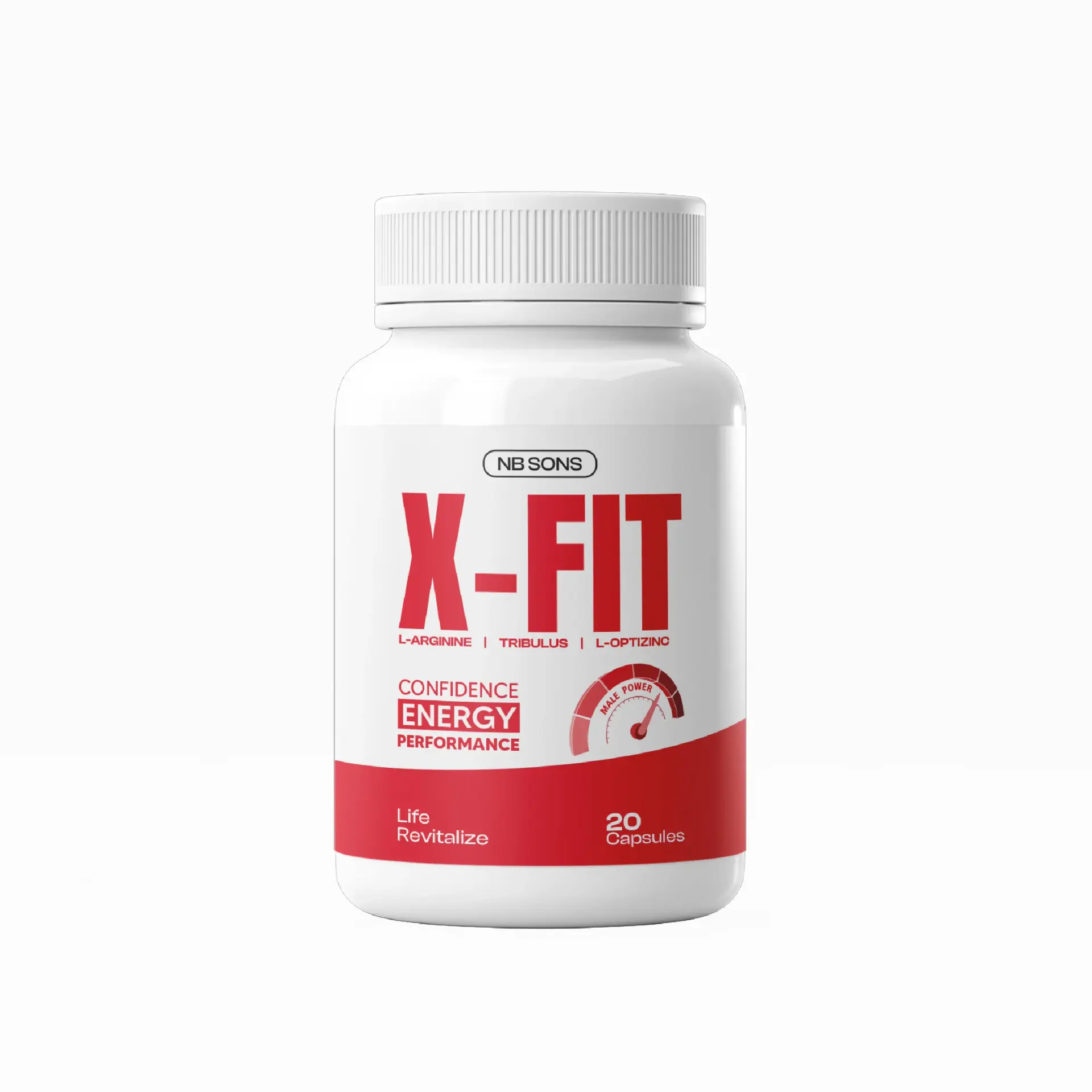
- X-Fit, Rs 890, the cheapest way to add zinc, selenium and L-arginine to a training routine
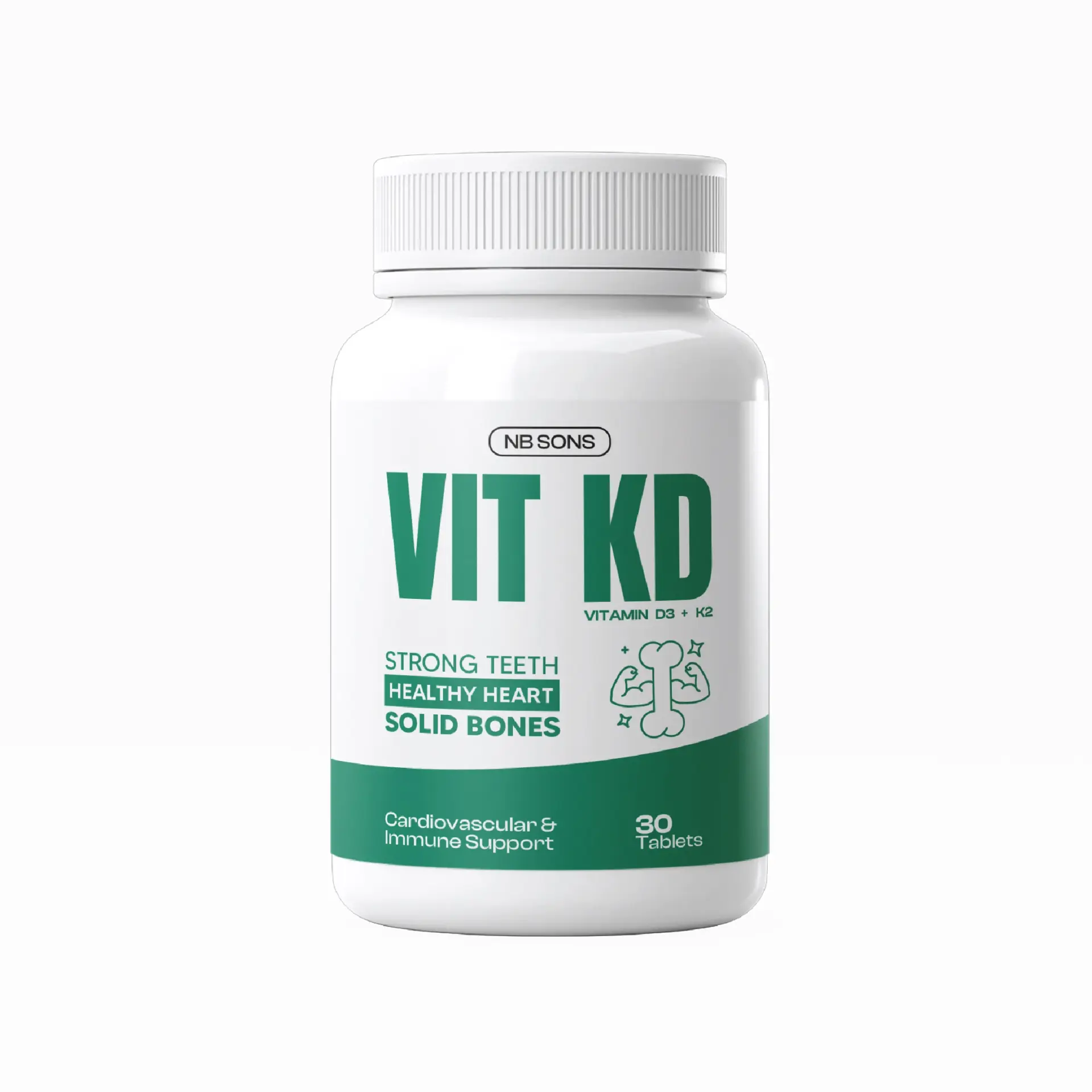
- Vit KD, Rs 870, high-strength vitamin D3 with K2 for the deficiency most men here have
- Nutrifactor Nuzinc, Rs 800, 50 mg zinc gluconate if your diet is short on red meat and seeds
- X-Fit + Trimo-M combo, Rs 3,380, both tablets in one pack for men who want the full routine
Table of Contents
- Understanding Testosterone: What It Does and Why It Drops
- Signs of Low Testosterone in Pakistani Men
- 1. Strength Training and HIIT Exercise
- 2. Fix Your Sleep (The Testosterone Factory)
- 3. Manage Stress and Cortisol
- 4. Eat the Right Fats and Proteins
- 5. Correct Vitamin D Deficiency
- 6. Zinc The Testosterone Mineral
- 7. Ashwagandha The Pakistani Powerhouse
- 8. Tribulus Terrestris and Fenugreek
- 9. Lose Belly Fat (The Testosterone Killer)
- 10. Cut Sugar, Alcohol, and Processed Foods
- Testosterone-Boosting Foods Available in Pakistan
- When to See a Doctor
- Frequently Asked Questions
Understanding Testosterone Level: What It Does and Why It Drops
Testosterone is made mostly in the testes. The brain controls it through a feedback loop between the hypothalamus and the pituitary gland. Here is what it does for you:
- Muscle mass and strength: Testosterone builds protein and grows muscle fibre. When levels fall, muscle shrinks and fat creeps in.
- Bone density: It keeps bones strong. Cleveland Clinic says low testosterone may lead to weak bones (osteoporosis).
- Libido and sexual function: Testosterone drives desire and supports erections. Cleveland Clinic calls the sexual symptoms the most specific ones: low libido, loss of morning or spontaneous erections, and trouble getting or keeping an erection.
- Mood and focus: Low testosterone is linked to irritability, low mood, poor concentration, and weak motivation.
- Red blood cell production: Making enough red blood cells is one of the jobs Cleveland Clinic lists for testosterone, which is part of why a low level shows up as flat energy.
So why does it drop? Ageing is only part of it. Several things speed up the loss in Pakistani men. Vitamin D deficiency is one: a systematic review and meta-analysis of South Asian adults put the pooled prevalence in Pakistan at about 73%, the highest of the countries it looked at.
High-stress jobs, poor sleep, and late nights on screens add to it. So do diets heavy in refined carbs and seed oils, plus a lot of sitting. The good news is simple. Every one of these factors is in your control.
Signs of Low Testosterone Level in Pakistani Men
Low testosterone (doctors call it hypogonadism) rarely shows up as one clear symptom. It creeps in slowly. Watch for these signs:
- Constant tiredness even after rest
- Less muscle and more belly fat
- Lower libido or trouble with erections
- Mood swings, irritability, or low mood
- Trouble concentrating (“brain fog”)
- Thinning body hair or slow beard growth
- Weaker bones (frequent aches or injuries)
- Slow recovery after exercise
Notice three or more? Your testosterone may be below its best, and a blood test is the only way to know. Cleveland Clinic treats a level below 300 ng/dL as low in adults, and says the test usually needs two separate morning samples, because that is when testosterone should be at its highest. Illness on the day can push a reading down too, so tell the lab if you are unwell.
Total and free testosterone are both offered by the big Pakistani labs, including Chughtai, Shaukat Khanum and Excel. Rates change, so check the current price on the lab's own site or by phone before you book rather than trusting a figure in an article.
1. Strength Training and HIIT Exercise
Exercise is the single most powerful natural testosterone booster. But not all exercise is equal.
Lifting weights gives the biggest testosterone response. Big compound moves work best. Think squats, deadlifts, bench press, and rows, because the size of the muscle mass you use is what drives the hormone response.
What the research actually shows. A 2020 review of exercise and testosterone in men (Journal of Functional Morphology and Kinesiology) is clear on two points. Resistance exercise at moderate to high intensity, using large muscle groups with short rests between sets, raises circulating testosterone straight after the session, with levels usually back to baseline within about 30 minutes. Work a small muscle group and nothing happens, however hard you push. The chronic picture is different: in lean men, training either leaves resting testosterone unchanged or nudges it down, while in overweight and obese men resting testosterone does go up. The reviewers are careful there: the studies that showed the rise also showed real fat loss, so whether the credit belongs to the weight loss and less aromatisation or to the exercise itself is unclear. Read that as permission to train for muscle, insulin sensitivity and a smaller waist, since those are what actually protect the hormone.
HIIT means short bursts of hard effort with rest in between. Sprinting, cycling intervals, or circuits for 20 to 30 minutes gives you more metabolic return per minute than an hour of slow jogging.
What to do in Pakistan:
- Join a local gym and follow a 3-day compound lifting plan
- No gym? Do bodyweight circuits at home: push-ups, squats, lunges, pull-ups. A doorway pull-up bar is cheap and takes no space.
- Add 2 HIIT sessions a week. Try 20 minutes of sprint intervals at a park (F-9 in Islamabad, Bagh-e-Jinnah in Lahore, Hill Park in Karachi)
- Do not overtrain. Training 6 to 7 days a week with no rest raises cortisol, which works against testosterone. Aim for 4 to 5 sessions with 2 to 3 rest days.
2. Fix Your Sleep (The Testosterone Factory)
Your body makes most of its testosterone while you sleep. Cut your sleep short and you cut your testosterone.
The evidence is striking. Researchers at the University of Chicago put ten healthy young men on less than five hours of sleep a night for one week. Their daytime testosterone fell by 10 to 15%, which the researchers described as the same drop you would get from ageing 10 to 15 years.
Common sleep problems in Pakistan:
- Late-night culture (10 PM dinners, screens until midnight)
- Load-shedding breaking sleep in summer
- Noise in the cities
- Post-dinner chai (caffeine blocks adenosine, the sleep chemical)
The fixes:
- Aim for 7 to 8 hours. This is non-negotiable for testosterone. Set a fixed bedtime.
- No screens 1 hour before bed. Blue light from phones blocks melatonin. Use night mode at the very least.
- No chai after 4 PM. Switch to a caffeine-free herbal tea (adrak or tulsi) in the evening.
- Keep your room cool. A hot room breaks up deep sleep. Use a fan, open windows when safe, or run a cooler in summer.
- Use blackout curtains. They block streetlights and early sun, and a basic pair costs very little online.
3. Manage Stress and Cortisol
Cortisol is the stress hormone, and it works against testosterone. When cortisol goes up, testosterone tends to go down. They sit on a seesaw.
Pakistani men carry real stress. Money worries, family duties, work pressure, and long commutes all add up. Then come the social expectations to perform and provide.
Practical ways to lower stress:
- Move your body. Exercise lowers cortisol. Even a 20-minute walk after a hard day helps.
- Pray and breathe. The five daily prayers already give you structured pauses. Use them mindfully. Slow breathing calms the nervous system.
- Limit the news. Doom-scrolling news or social media drama spikes cortisol. Set limits.
- Try ashwagandha. In a 60-day trial of chronically stressed adults, 600 mg a day of a full-spectrum root extract cut serum cortisol by 27.9%, against 7.9% on placebo (Indian Journal of Psychological Medicine, 2012). We stock it inside Trimo-M, and there is more on the dose below.
- Stay connected. Time with friends and family, beyond duty, buffers stress. Our community culture is protective here, so lean into it.
4. Eat the Right Fats and Proteins
Testosterone is made from cholesterol. Men on very low-fat diets show lower testosterone again and again. Your body needs dietary fat, the right kinds, to make hormones.
The core diet principles:
Healthy Fats (Essential)
- Eggs (with yolk): The cholesterol in egg yolk is raw material for testosterone. Eat 2 to 3 whole eggs daily. Desi eggs from local farms are ideal.
- Olive oil: In a small Moroccan trial (Natural Product Communications, 2013), 60 healthy young men swapped butter for extra virgin olive or argan oil for three weeks, and testosterone and luteinising hormone both rose by the end of it. Use it on salads and as a drizzle, not for deep frying.
- Desi ghee (in moderation): It gives the saturated fat needed for hormones. 1 to 2 tablespoons a day helps. More than that does not.
- Nuts: Almonds (badam), walnuts (akhrot), and pistachios. A handful daily gives zinc, magnesium, and healthy fat.
Protein (Muscle Fuel)
- Chicken breast: Lean protein that builds muscle. Karahi or grilled tikka both work, and taste good too.
- Lentils (daal): Excellent plant protein. Masoor, moong, and chana dal add zinc and magnesium too.
- Fish: Salmon, mackerel, and sardines give protein plus omega-3s that calm inflammation.
- Red meat (in moderation): Beef and lamb carry more zinc than fish, and animal protein is the form your body absorbs best, per MedlinePlus. Beef and mutton, 2 to 3 servings a week, covers it for most households here.
What to Avoid
- Refined sugar: A 75 g glucose drink cut mean testosterone by about 25% in a study of 74 men, and levels were still down two hours later (Clinical Endocrinology, 2013). More on this below.
- Soybean oil and too much vegetable oil: High in omega-6, which feeds inflammation. Cut back on deep-fried food.
- Processed and packaged foods: They carry preservatives and additives you do not need, and they crowd out the protein and fat you do.
- Too much roti or naan: Refined flour spikes blood sugar. Switch to whole wheat (atta) and shrink your portions.
5. Correct Vitamin D Deficiency
Vitamin D acts more like a hormone than a vitamin. The best test of the link is a year-long randomised trial published in Hormone and Metabolic Research in 2011: men who were vitamin D deficient took 3,332 IU of D3 daily, and their total testosterone rose by roughly 25%, while the placebo group showed no significant change. The qualifier matters: the men were deficient to start with, and topping up a level that is already fine is not what was tested.
Pakistan's paradox: we have plenty of sunshine, and about 73% of adults here are still vitamin D deficient by the meta-analysis above. The reasons include indoor lifestyles, pollution blocking UV rays, darker skin needing more sun, and covering clothing.
What to do:
- Get tested. A 25-hydroxy vitamin D test is standard at Chughtai, Shaukat Khanum and Excel Labs. Ask them for today's rate when you book.
- Supplement to the result, not to a guess. Let your doctor set the dose from your number and recheck it. Vit KD is a high-strength option, vitamin D3 10,000 IU with vitamin K2 (MK-7) 180 mcg, so K2 helps steer the calcium D3 absorbs into bone rather than soft tissue. Take it with a meal containing some fat, at the dose your doctor advises, and do not exceed it.
- Get some sun. Aim for 15 to 20 minutes of direct sun on arms and face in the middle of the day, 3 to 4 times a week.
- Be patient. The trial above ran for a full year. Vitamin D is a slow fix, not a week-one fix.
6. Zinc The Testosterone Mineral
Zinc plays a direct role in making testosterone, and even mild deficiency drags it down.
The research: a small study in the journal Nutrition (1996) restricted dietary zinc in four healthy young men for 20 weeks, and their serum testosterone fell by roughly 70%. In the same paper, marginally zinc-deficient older men who took zinc for three to six months roughly doubled their testosterone. Four men is a tiny sample, so read it as a signal about deficiency rather than proof that more zinc means more testosterone in a man who already gets enough.
Pakistani food sources of zinc: MedlinePlus puts adult men's recommended intake at 11 mg a day, and rates animal protein as the best-absorbed source.
- Red meat: beef and mutton, the richest everyday source in most kitchens here
- Pumpkin seeds (kaddu ke beej): an overlooked local snack, easy to keep on the desk
- Chickpeas (chana): chana chaat, hummus, or boiled chana all count
- Lentils: daal at lunch does more than fill you up
- Eggs: a little zinc on top of the cholesterol and D3
Supplement option: if your diet falls short, Nutrifactor Nuzinc gives 50 mg of zinc gluconate per tablet, 30 tablets to a pack. MedlinePlus warns that long-term excess zinc can lead to copper, iron or magnesium deficiency, so treat a high-dose tablet as a course you review with a pharmacist, not a habit you keep forever. X-Fit is the gentler route if you want zinc as part of a men's formula: one tablet carries L-Optizinc 40 mg, Tribulus terrestris 300 mg, L-arginine 100 mg, vitamin E 100 mg and selenium 33 mcg. It is for adult men only, and men with cardiac problems, high blood pressure or a long-term illness, or anyone on blood thinners, should ask a doctor first.
7. Ashwagandha The Pakistani Powerhouse
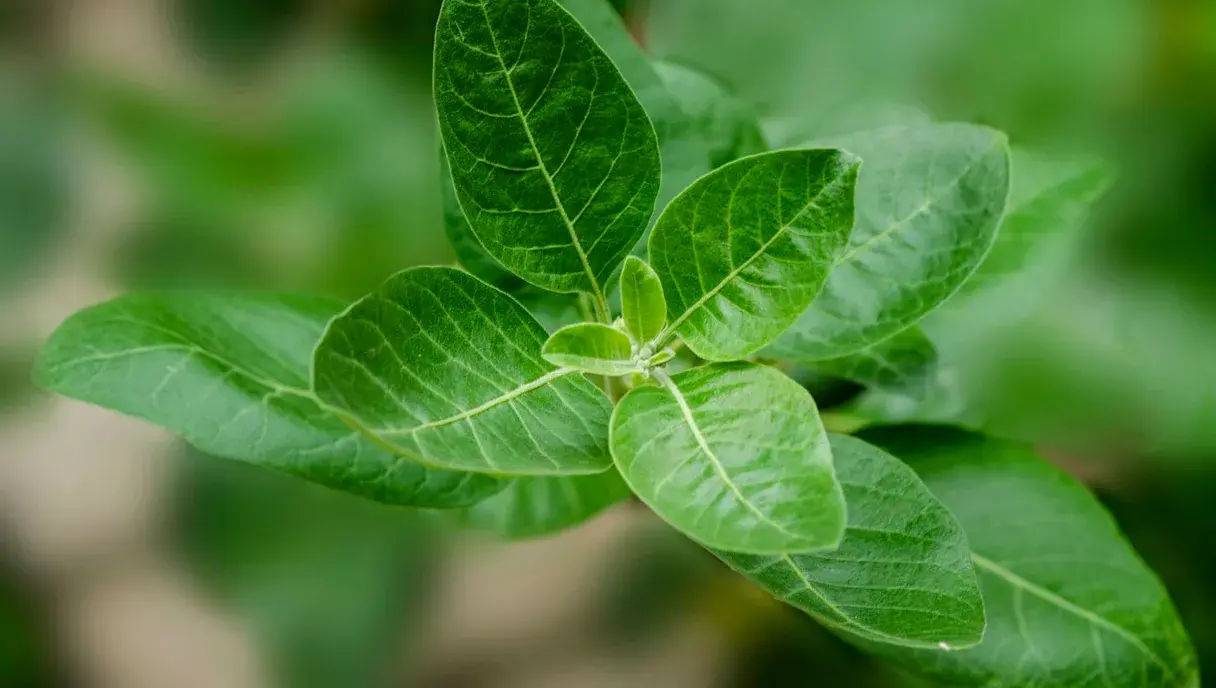
Ashwagandha (Withania somnifera), known locally as “asgandh”, has been used in South Asian medicine for centuries. It is the herb in this guide with the most consistent human evidence behind it.
The clinical evidence:
- In a randomised crossover trial in the American Journal of Men’s Health (2019), overweight men aged 40 to 70 with mild to moderate fatigue took an ashwagandha extract delivering 21 mg of withanolide glycosides a day for 8 weeks. They saw a 14.7% greater rise in testosterone than on placebo, plus an 18% greater rise in DHEA-S.
- An Evidence-Based Complementary and Alternative Medicine study (2013) gave 675 mg a day of full-spectrum root extract to 46 men with low sperm counts for 12 weeks, against a placebo group. Sperm concentration rose 167%, semen volume 53%, motility 57%, and serum testosterone 17%.
- On stress, the 2012 trial mentioned earlier cut cortisol by 27.9% over 60 days. Worth noting for balance: the 2019 men's trial did not find a significant cortisol change, so the cortisol effect looks strongest in people who are actually stressed.
How it works: ashwagandha is an adaptogen. Lowering cortisol in stressed men releases a hormonal brake on testosterone, and better sleep helps the overnight production on top of that.
Dosage: the cortisol and fertility trials above used 600 mg to 675 mg of standardised root extract a day. Trimo-M carries 200 mg of ashwagandha root extract per tablet alongside Tribulus terrestris 120 mg, fenugreek 110 mg, horny goat weed 200 mg, Queberchine 200 mg and zinc citrate 10 mg, so it is a broad men's formula rather than a single-herb dose at trial strength. If ashwagandha alone is what you are after, look for a standalone extract at 600 mg.
8. Tribulus Terrestris and Fenugreek
These two herbs are staples of men's supplements across South Asia, and the evidence for them is not equally strong. It is worth knowing which is which before you buy.
Tribulus Terrestris (Gokhru)
Tribulus has been used for centuries in Unani and Ayurvedic medicine, and it is usually sold as a testosterone booster. The current evidence does not support that label.
- A 2025 systematic review of ten studies (483 men) found no robust evidence that Tribulus raises testosterone. Eight of the ten showed no significant change in androgens; the two that did were in men with hypogonadism, the rise was small (roughly 60 to 70 ng/dL), and the study quality was poor.
- The same review was more positive on sexual function: 3 of the 5 trials that measured it found Tribulus improved erectile function in men with mild to moderate erectile dysfunction, at 400 to 750 mg a day for one to three months. Those improvements often happened without testosterone moving, which points at blood flow rather than hormones.
- Reasonable expectation: take Tribulus for libido and erection quality if you want to try it, not as a way to raise a lab number. The reviewers are clear it is not a substitute for medical treatment.
Fenugreek (Methi)
Fenugreek seeds sit in every Pakistani kitchen. Beyond cooking, fenugreek extract holds furostanolic saponins, and it is the better studied of the two for testosterone.
- In a 12-week study in the International Journal of Medical Sciences (2017), 50 men aged 35 to 65 took 500 mg a day of a protodioscin-rich fenugreek seed extract. Free testosterone improved by up to 46% in 90% of them, and sperm morphology and count improved too. The catch: it was an open-label study with no placebo group, so treat the size of the number with care.
- Fenugreek may also improve insulin sensitivity, which helps testosterone indirectly, since insulin resistance works against it.
- Dosage: 500 to 600 mg of standardised extract is the trial range. Soaking 1 to 2 tablespoons of methi seeds overnight is the traditional route, at a much lower and less predictable strength.
A combined approach: Trimo-M puts fenugreek (110 mg), Tribulus terrestris (120 mg), ashwagandha (200 mg), horny goat weed and zinc in one tablet. Both the fenugreek and the ashwagandha in it sit below the doses used in the trials above, which is the honest trade-off of any multi-herb formula: broader cover, smaller amounts of each. Take it daily and give it four to six weeks before you judge it.
If blood flow rather than hormones is your actual concern, Argivital is the one to look at: a men's sachet with L-arginine 2 g, which the body converts to nitric oxide, plus lycopene 15 mg and CoQ10 50 mg for antioxidant support of sperm quality. One sachet a day, 30 to a pack.
9. Lose Belly Fat (The Testosterone Killer)
Belly fat (visceral fat) carries aromatase, the enzyme that converts testosterone into oestrogen. More belly fat means more of your testosterone converted away.
This sets up a vicious cycle. Low testosterone makes fat gain easier, and that fat lowers testosterone further.
The numbers: waist size predicts a low level better than age does. Harvard Health reports a 2008 study in which a four-inch increase in waist size raised a man's odds of a low testosterone level by 75%, while ten years of ageing raised the same odds by only 36%. A 2007 study of men over 40 found each one-point rise in BMI went with about a 2% lower testosterone level.
The Pakistan context: refined carbs (white roti, white rice, sugar in chai), deep-fried food, and desk jobs make a growing waistline the default here unless you push back on it.
Fat-loss tactics that protect testosterone:
- Use a moderate calorie deficit. Cut 300 to 500 calories a day. Aggressive crash diets cost you muscle, which is exactly what you are trying to keep.
- Prioritise protein. Eat 1.5 to 2g of protein per kg of bodyweight to keep muscle while losing fat.
- Cut liquid calories. Sugary drinks, sweet lassi, and sugar in chai add up fast. Four cups a day with two spoons each is over 200 empty calories before you have eaten anything.
- Walk after meals. A 15-minute walk after lunch and dinner improves insulin sensitivity and fat burning. It fits easily into the Pakistani workday.
- Try intermittent fasting. Eating within an 8-hour window (say 12 PM to 8 PM) can improve insulin sensitivity. Many men here already skip breakfast. Just do not make up for it with bigger meals later.
10. Cut Sugar, Alcohol, and Processed Foods
These three actively suppress testosterone:
Sugar
In a study of 74 men published in Clinical Endocrinology (2013), a standard 75 g glucose drink dropped mean testosterone by about 25%, and levels were still suppressed at the two-hour mark. In 15% of the men, a normal level fell into the hypogonadal range at some point during the test. That is why doctors want the blood drawn fasting.
Now do the arithmetic on chai. Two spoons a cup across four or five cups is eight to ten spoons of sugar a day, before any mithai or bottled drink.
Action: cut chai sugar to 1 spoon, or go unsweetened. Swap mithai for dates (khajoor), which bring minerals with the sweetness. Skip packaged juices.
Alcohol
This is less relevant for many Pakistani men for cultural and religious reasons. For those who do drink, alcohol harms the Leydig cells that make testosterone, and heavy or long-term drinking is the pattern most clearly linked to a lower level.
Processed Foods
Packaged snacks, frozen meals, and fast food are built on refined flour, sugar and industrial oils, and they displace the protein, fat and micronutrients your hormones are made from. Cook at home when you can, which our culture already encourages.
Testosterone-Boosting Foods Available in Pakistan
| Food | Key Nutrient | How It Helps | Pakistani Availability |
|---|---|---|---|
| Eggs (desi) | Cholesterol, D3, Zinc | Cholesterol is the raw material testosterone is built from | Every kiryana and poultry shop |
| Beef/Mutton | Zinc, B12, Saturated fat | Best-absorbed zinc, the mineral the synthesis enzymes need | Butcher shops nationwide |
| Pumpkin seeds | Zinc, Magnesium | Plant zinc and magnesium in a snackable form | Dry fruit shops |
| Spinach (palak) | Magnesium | Magnesium supports normal muscle and nerve function | Sabzi mandi, year round |
| Garlic (lehsun) | Allicin | Antioxidant support; human testosterone data is thin | Every kitchen |
| Ginger (adrak) | Gingerols | Anti-inflammatory; testosterone claims rest on small studies | Every kitchen |
| Pomegranate (anaar) | Antioxidants | Antioxidants that help limit oxidative stress | Seasonal, autumn onward |
| Honey (shahad) | Boron, antioxidants | A better sweetener than sugar, in small amounts | Local beekeepers and grocers |
| Fenugreek (methi) | Saponins | The seed behind the extract studied for free testosterone | Spice section, everywhere |
| Olive oil (zaitoon) | Monounsaturated fats | The fat swapped for butter in the Moroccan trial above | Grocery stores and pharmacies |
A daily testosterone-boosting meal template:
- Breakfast: 2 to 3 desi eggs (anda bhurji with tomatoes), 1 whole wheat paratha with desi ghee, green tea with ginger
- Lunch: Grilled chicken or fish, brown rice or 1 roti, palak or methi sabzi, daal, salad with olive oil dressing
- Snack: A handful of mixed nuts and pumpkin seeds, 1 pomegranate or seasonal fruit
- Dinner: Lean meat curry (less oil), 1 roti, yoghurt (dahi), sabzi
When to See a Doctor
Natural methods work well for mild to moderate decline. See an endocrinologist or urologist if:
- Two morning blood tests put your total testosterone below 300 ng/dL despite lifestyle changes
- You have severe erectile dysfunction that natural steps do not help
- You notice breast tissue growth (gynecomastia), which may signal a hormonal imbalance
- You suspect a testicular injury or infection
- Symptoms come on suddenly and fast (this may point to pituitary issues)
- You have tried natural approaches for 3+ months with no change
Major teaching hospitals can assess and treat hypogonadism. These include PIMS and Shifa in Islamabad, Services and Hameed Latif in Lahore, and Aga Khan and Ziauddin in Karachi.
Conclusion
Learning how to boost testosterone naturally in Pakistan does not need expensive treatments or foreign supplements. It needs steady action on the basics. Lift heavy things, sleep 7 to 8 hours, manage stress, eat protein and healthy fats, fix your vitamin D, and be honest about which herbs have the evidence (ashwagandha and fenugreek do, Tribulus mostly does not).
The lifestyle that builds testosterone is the same one that builds overall health. Start with two or three changes from this guide, hold them until they stop feeling like effort, then add more. In 8 to 12 weeks the difference should be plain enough that you do not need a lab to tell you.
Your testosterone did not drop overnight, and it will not recover overnight. Every choice you make today moves the needle a little.
Ready to support your testosterone naturally? Start with Trimo-M at Rs 2,500 if you want the ashwagandha and fenugreek route, or the X-Fit + Trimo-M combo at Rs 3,380 to run both tablets together. The full range sits on our Men's Health page. Cash on delivery across Pakistan, and free delivery on orders over Rs 5,000 in Punjab.
This article was written and medically reviewed to our medical review board standards and is for general guidance, not personal medical advice. Always speak to a doctor or pharmacist about your own situation.
Shop Trimo-M →Frequently asked questions
At what age do testosterone levels start declining?
Testosterone usually peaks in the late teens to early twenties. Cleveland Clinic says levels can drop about 1% a year starting in your late thirties. The rate is not fixed, though. Exercise, body fat, diet, sleep and stress all shape how fast it falls, and men who stay active and keep their waist in check often hold decent levels well into their sixties.
Can Pakistani foods really boost testosterone?
They can support it. Desi eggs supply the cholesterol testosterone is built from, and beef and mutton are the best-absorbed zinc sources in most kitchens here, per MedlinePlus. Methi is the seed behind the fenugreek extract studied for free testosterone, and olive oil was the fat swapped in for butter in the Moroccan trial above. Food will not fix a clinically low level on its own. What it will do is remove the drag: less sugar and refined carbs, more protein, fat and zinc.
How quickly can I expect results from natural testosterone boosting?
Most men notice energy and mood first, within 2 to 4 weeks of steady changes. Measurable blood testosterone tends to move over 6 to 12 weeks, and the supplement trials in this guide ran 8 to 12 weeks before measuring. The vitamin D trial ran a full year. Physical changes in muscle and fat show after 8 to 16 weeks. The key word is consistent. Sporadic effort gives sporadic results.
Is testosterone replacement therapy (TRT) available in Pakistan?
Yes. TRT is available through endocrinologists and urologists in major cities. Options include injections (testosterone enanthate or cypionate), gels, and patches. It is a serious medical step with real side effects, including suppressed fertility and a raised red blood cell count. Consider it only after natural approaches have been given a fair run and blood work confirms hypogonadism, which Cleveland Clinic defines as a level below 300 ng/dL, usually on two separate morning samples.
Do supplements like Trimo-M and X-fit actually work for testosterone?
It depends on the ingredient. Ashwagandha and fenugreek extract both have human trials showing higher testosterone, and zinc matters if you are deficient. Tribulus does not have that evidence: a 2025 review of ten trials found no reliable testosterone effect, though it did help erectile function in some men. Trimo-M and X-Fit both give you several of these ingredients in one tablet, at doses smaller than the single-ingredient trials used. Treat them as support for training, sleep and diet, not a replacement for them, and speak to your doctor first if you take prescription medicine.
Liked this one? Get the next in your inbox.
One fortnightly note from the editors, new pieces, restocks, and the routines we're actually using. Unsubscribe any time.