How to Increase Sperm Count Naturally in Pakistan: Complete Guide
Increase sperm count naturally in Pakistan with evidence-backed diet, heat and lifestyle changes, the supplements worth taking, and when to see a doctor.
The World Health Organization estimates that about one in six people of reproductive age experience infertility at some point in their lives. Men are the only cause or a contributing cause in roughly 40% of couples with fertility problems, according to the US National Institute of Child Health and Human Development. Yet most men never talk about it. One of the most common findings is a low sperm count, known medically as oligospermia.
Here is the good news. Much of what drives sperm quality is in your hands: nutrition, heat, smoking, sleep and a few practical habits. You can increase sperm count naturally in Pakistan without starting at an IVF clinic.
This guide sticks to what the research actually shows, which supplements have real trial data behind them, and which daily habits quietly damage your fertility. Whether you are planning your first child or have been trying for months, everything below is either a published finding or a product you can buy across Lahore, Karachi, Islamabad and the rest of Pakistan.
Shop the picks in this guide (5)
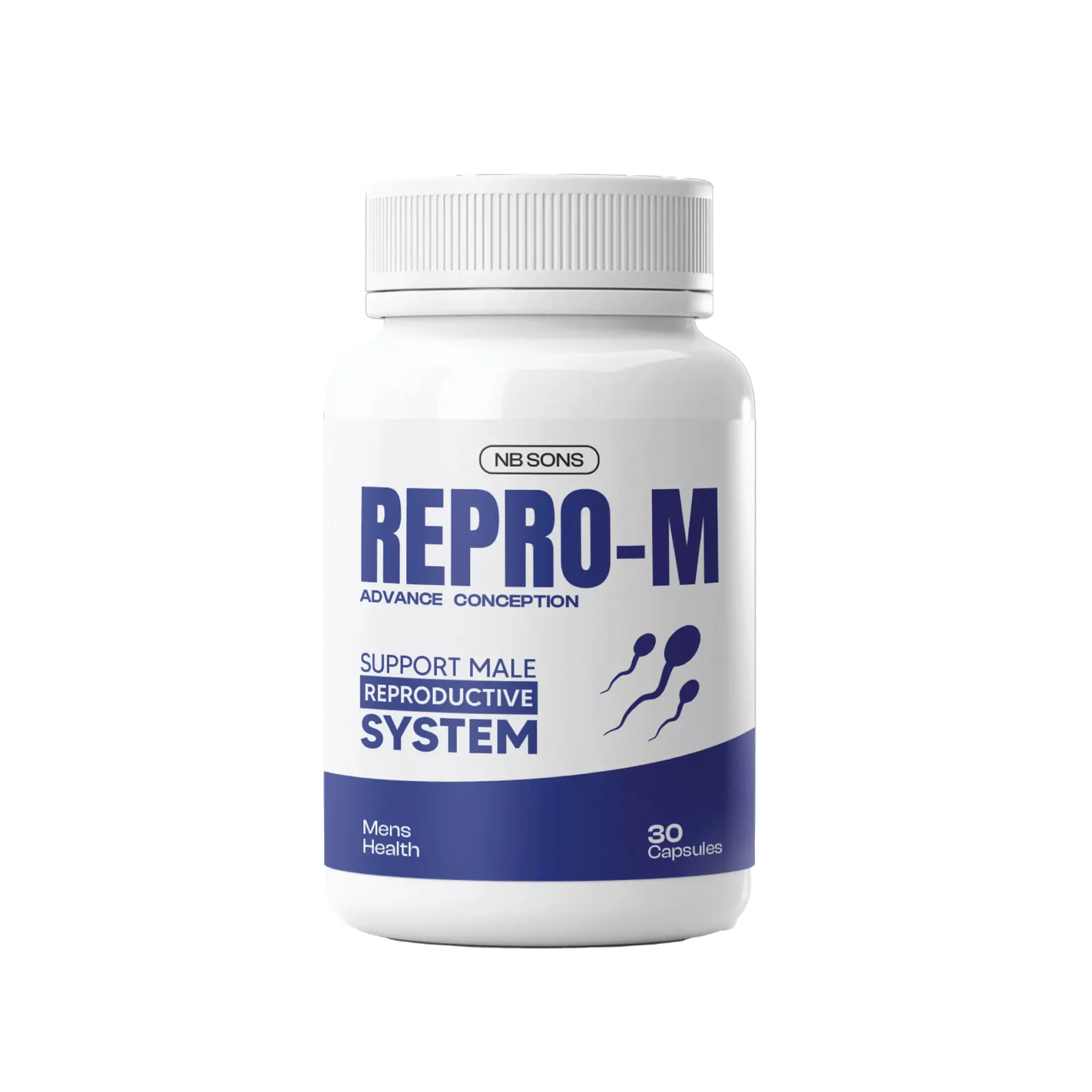
- Repro-M Men's Fertility Supplement, Rs 1,300, the fertility-first daily tablet most men start with
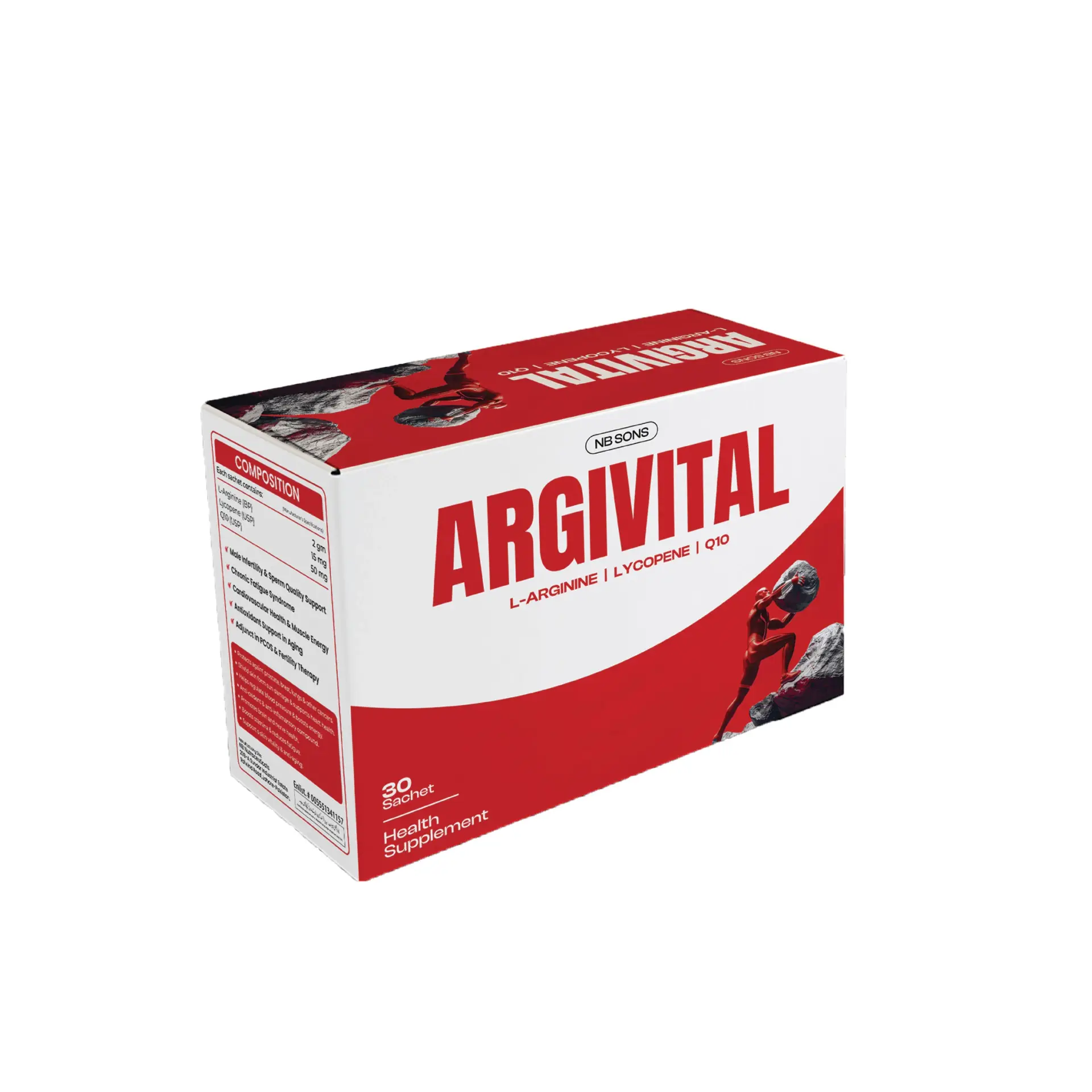
- Argivital L-Arginine Sachet, Rs 3,500, L-arginine 2 g with lycopene and CoQ10, 30 sachets
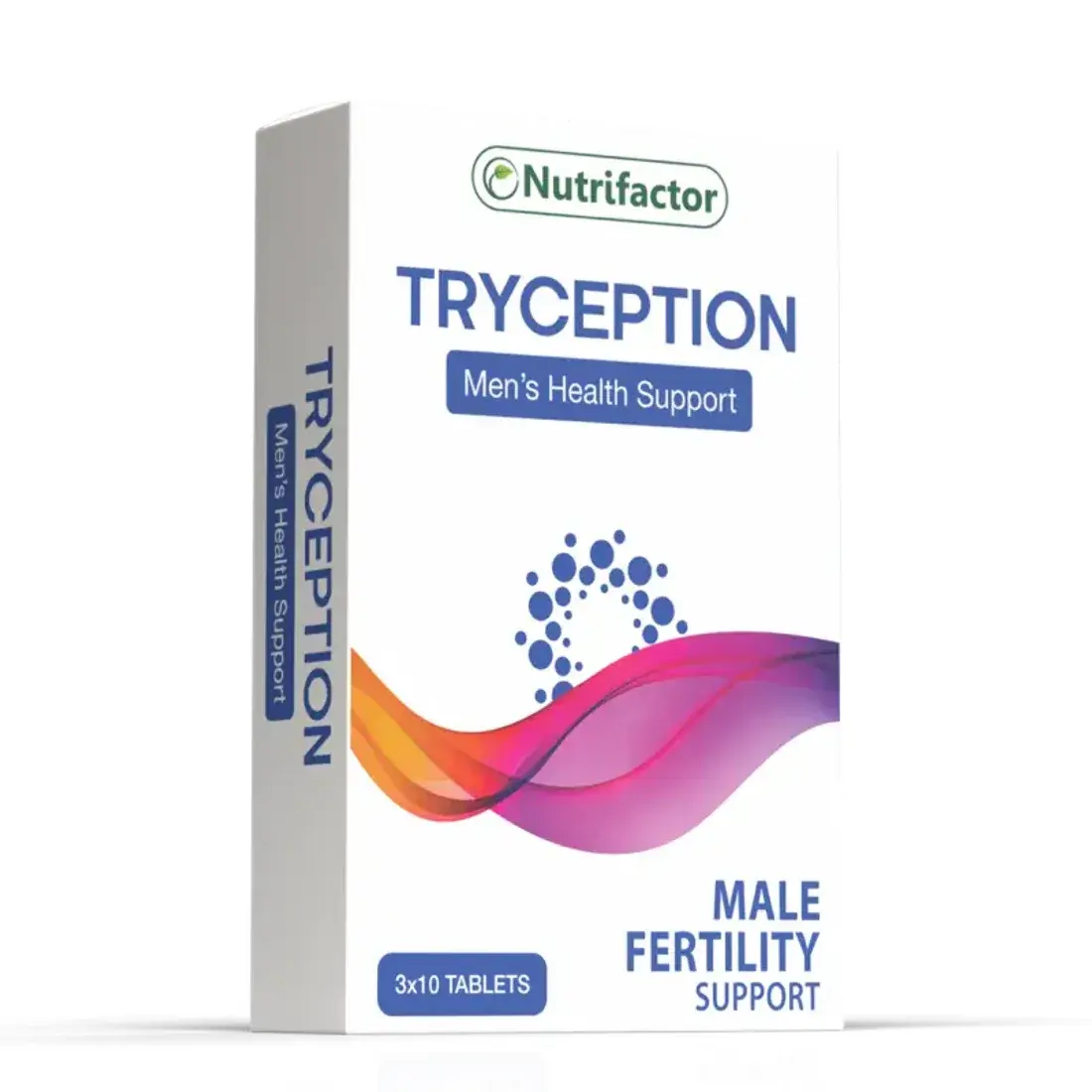
- Nutrifactor Tryception, Rs 1,690, a 20-nutrient male fertility tablet with zinc and selenium
- Trying-to-Conceive Couple's Pack, Rs 2,290, for when both partners want to start together
- Nutrifactor Nuzinc Zinc 50 mg, Rs 800, if a blood test shows you are low on zinc
What Is a Normal Sperm Count, and When Should You Worry?
The reference values everyone uses come from the WHO laboratory manual. The sixth edition, published in 2021, gives these lower fifth percentile values, taken from men whose partners conceived naturally within a year:
- Sperm concentration: 16 million per millilitre.
- Total sperm number: 39 million per ejaculate.
- Total motility: 42% of sperm moving, with 30% moving progressively.
- Normal forms (morphology): 4%.
- Semen volume: 1.4 mL.
Two things are worth knowing about those numbers. They are not a pass or fail line, and the sixth edition deliberately dropped the old labels like "normozoospermia" because a single figure cannot diagnose infertility on its own. Older reports may still quote the 2010 fifth edition values (1.5 mL volume, 40% total motility, 32% progressive), which is why two labs can describe the same sample differently.
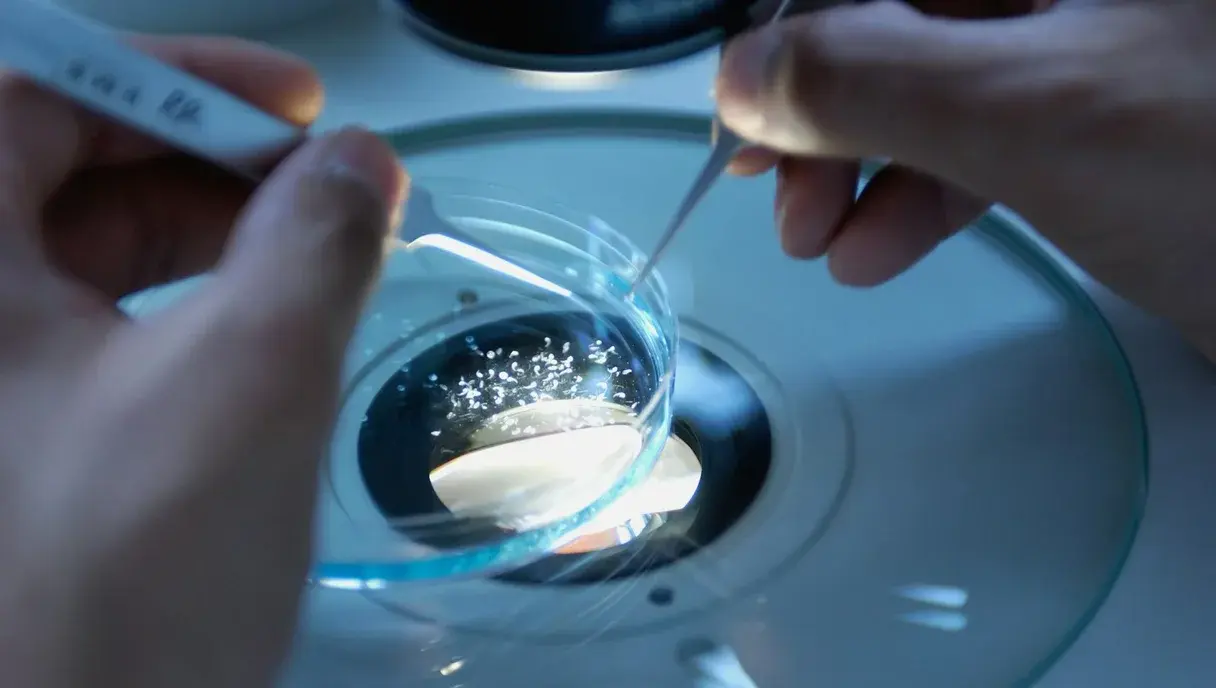
A basic semen analysis gives you all of those numbers in one report. Chughtai Lab lists its Semen for Analysis test at PKR 3,450, checked on the lab's own site in September 2026; Aga Khan, Shaukat Khanum and Excel Labs all run the same test, and prices move, so confirm before you book. If your results fall short, the strategies below can help. Sperm take about two to three months to develop, so give any change that long before you judge it.
Top Causes of Low Sperm Count in Pakistani Men
Before you fix the problem, you need to know what is causing it. These are the most relevant factors for men in Pakistan:
1. Heat Exposure
Testicular temperature has a direct effect on sperm production. The clearest evidence of how easily it rises comes from a study in Human Reproduction (2005), which measured scrotal temperature in 29 healthy volunteers: an hour with a working laptop on the lap raised it by 2.8°C on the right side and 2.6°C on the left, and simply sitting with the thighs together raised it 2.1°C. The same mechanism explains why varicocele hurts fertility. NICHD describes enlarged scrotal veins as disrupting blood flow in the testicle and raising its temperature, which then affects sperm production. Pakistani summers past 40°C, tight clothing and long hours seated all pull in the same direction.
2. Nutritional Deficiencies
The nutrients that keep turning up in male fertility research are zinc, selenium, folate, vitamin D and the antioxidant vitamins C and E. A systematic review in the Arab Journal of Urology (2018) found those were the compounds most commonly studied in infertile men, and that oral antioxidants generally had a favourable effect on semen parameters, while noting that the ideal regimen is still not settled. A diet built on refined carbohydrates and cooking oil, with few nuts, eggs, seafood and green vegetables, leaves gaps in exactly those nutrients. A blood test is the honest way to find out where you stand rather than guessing.
3. Stress and Sleep Deprivation
Cortisol, the stress hormone, works against testosterone, and testosterone production is tied to deep sleep. Chronic stress and short nights are common in men juggling long commutes and money pressure, and both are associated with poorer semen quality. This is one of the few causes you can start acting on today without buying anything.
4. Smoking and Tobacco Use
A meta-analysis in European Urology (2016) pooled 20 studies and 5,865 men. Smokers had a lower sperm count (a mean difference of about 9.7 million per mL), lower motility (about 3.5 percentage points) and fewer normally shaped sperm. The effect was larger in men who were already infertile, and larger in moderate to heavy smokers than in light ones.
5. Environmental Toxins
A systematic review and meta-analysis of 22 studies in Environmental Science and Pollution Research (2021) found that tobacco smoke together with environmental and occupational pollutants can affect sperm count, volume, concentration, motility, vitality and sperm DNA integrity. In practice that means pesticide exposure in farming districts, industrial and traffic pollution in the big cities, and the plastics you reheat food in.
Proven Supplements to Increase Sperm Count in Pakistan
Supplements work best when they fill genuine gaps, and most of the good trial data comes from combined antioxidant formulas rather than single ingredients. Repro-M is the fertility-first option we sell most of: Peruvian maca 250 mg, L-carnitine, CoQ10, lycopene and a full micronutrient base including zinc, selenium and folic acid. Here are the ingredients with the strongest published backing, and where they show up in products you can buy in Pakistan.
L-Arginine
L-Arginine is an amino acid the body uses to make nitric oxide, which relaxes and widens blood vessels. That is why it appears in supplements aimed at erection quality and blood flow, and a review in the Journal of Medicinal Food (2019) lists arginine among the nutritional ingredients whose mechanism is best matched to how erectile dysfunction drugs work. The evidence for arginine on its own improving sperm counts is thinner than the marketing suggests; where it has been tested for fertility, it is usually part of a combined antioxidant formula. Argivital Sachet gives 2 g of L-arginine per sachet alongside lycopene and CoQ10, and there is a full Argivital guide if you want the detail.
Coenzyme Q10 (200 mg/day)
CoQ10 is an antioxidant concentrated in mitochondria, the energy engines inside every cell, including sperm. In a double-blind, placebo-controlled trial of 228 men with unexplained infertility, published in the Journal of Urology (2012), 200 mg of ubiquinol daily for 26 weeks raised sperm density to 28.7 million per mL against 16.8 in the placebo group, and motility to 35.8% against 25.4%. Semen parameters drifted back towards baseline once the men stopped. Note the dose: 200 mg is far above what a multi-ingredient blend contains. Argivital carries 50 mg of CoQ10 per sachet, and Repro-M carries 2 mg, so treat CoQ10 in those formulas as support rather than the trial dose.
Zinc
Zinc has a role in testosterone synthesis and sperm maturation. A systematic review and meta-analysis in Urology Journal (2017) found that folate plus zinc supplementation improved sperm concentration and morphology in subfertile men, though the authors flagged real heterogeneity between the trials and asked for more. Nutrifactor Nuzinc gives 50 mg of zinc gluconate per tablet if a test shows you are low; Repro-M, Nutrifactor Tryception and X-Fit all include zinc as part of a broader formula. Zinc is one to take at the dose your doctor advises rather than stacking several sources at once.
Tribulus Terrestris
Tribulus has a long history in South Asian traditional medicine, and it is still the botanical most often used in men's vitality formulas. The controlled evidence in humans is weak: a randomised, double-blind, placebo-controlled trial in Actas Urológicas Españolas (2014) gave 800 mg a day for 30 days to men with erectile dysfunction and found no difference from placebo in either erectile function scores or serum testosterone. Treat it as a traditional ingredient rather than a proven one. Trimo-M pairs Tribulus 120 mg with horny goat weed, fenugreek, ashwagandha and zinc citrate, and X-Fit pairs Tribulus 300 mg with L-arginine, selenium and vitamin E.
Lycopene
Lycopene is the antioxidant that makes tomatoes red, and it is one of the compounds repeatedly used in the antioxidant trials covered by the Arab Journal of Urology review. It is included in Argivital at 15 mg per sachet, and in smaller amounts in Repro-M and Tryception. Cooked tomatoes in a salan are a perfectly good dietary source.
Vitamin D
Most men who work indoors get very little sun. In a study of 300 men from the general Danish population, published in Human Reproduction (2011), vitamin D levels correlated positively with sperm motility, and men who were deficient had a lower proportion of motile, progressively motile and normally shaped sperm than men with high levels. That is an association rather than proof that supplementing fixes it. A 25-OH vitamin D blood test should come before any high-dose product: Vit KD is 10,000 IU of D3 with K2 per dose, which is a strength to use only at the dose your doctor sets.
Supplement Comparison: What to Choose?
| Product | Key ingredients | Best for | Price |
|---|---|---|---|
| Repro-M | Maca 250 mg, L-carnitine, CoQ10, lycopene, zinc, selenium, folic acid | Fertility first, the usual starting point | Rs 1,300 |
| Argivital Sachet | L-arginine 2 g, lycopene 15 mg, CoQ10 50 mg | Blood flow, erection quality and antioxidant support | Rs 3,500 |
| Nutrifactor Tryception | 20 nutrients including zinc 15 mg, selenium 150 mcg, maca, CoQ10 | A single broad fertility multivitamin | Rs 1,690 |
| Trimo-M | Horny goat weed, Tribulus 120 mg, fenugreek, ashwagandha, zinc | Libido and stamina alongside a fertility formula | Rs 2,500 |
| Nutrifactor Nuzinc | Zinc gluconate 50 mg | A confirmed zinc deficiency | Rs 800 |
| Trying-to-Conceive Couple's Pack | Repro-M for him, Repro-F for her | Both partners starting at the same time | Rs 2,290 |
Diet Changes That Actually Work
Supplements fill gaps, but food is your foundation. Here is a Pakistan-friendly fertility diet plan:
Foods to Add
- Eggs: affordable and everywhere, and a practical source of selenium, B12 and complete protein.
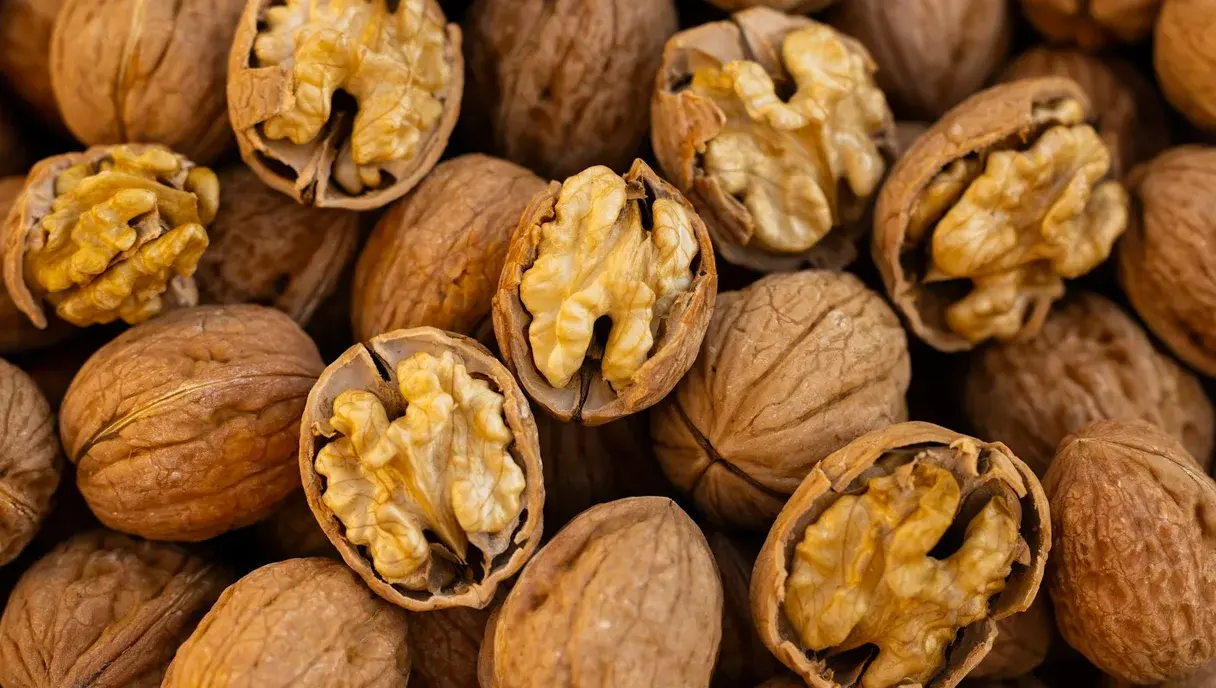
- Walnuts (akhrot): in a randomised trial in Biology of Reproduction (2012), 117 healthy men aged 21 to 35 added 75 g of whole shelled walnuts a day to a Western-style diet for 12 weeks. The walnut group saw better sperm vitality, motility and morphology; the group avoiding tree nuts saw no change.
- Spinach (palak) and methi: both are folate-rich, and folate is one of the nutrients that showed a benefit in the zinc and folate meta-analysis above. Cheap and easy to find here.
- Pomegranate (anar): an antioxidant-rich fruit that is in season locally and easy to eat daily.
- Fish and seafood: the omega-3 fats that improved in the walnut study also come from oily fish. Canned sardines or tuna from a local shop count.
- Tomatoes: a good dietary source of lycopene, and they go into most Pakistani cooking anyway.
- Pumpkin seeds (kaddu ke beej): one of the better plant sources of zinc, useful if you eat little red meat or seafood.
Foods to Reduce or Avoid
- Processed meats: sausages and deli meats have been linked to poorer semen quality in observational studies.
- Too much sugar and refined flour (maida): spikes insulin and feeds the weight gain and inflammation that track with lower semen quality.
- Too much soy: it contains phytoestrogens, and the evidence is mixed, so heavy daily intake is worth moderating rather than panicking about.
- Trans fats: found in pakoras fried in reused oil, packaged baked goods and cheap margarines.
- Very strong tea with meals: tea polyphenols interfere with iron and zinc absorption, so leave a gap between chai and your main meal.
Lifestyle Changes for Better Sperm Health
Exercise, But Not Too Much
Moderate exercise supports testosterone and general metabolic health, both of which track with better semen quality. Aim for around 30 minutes of brisk walking, swimming or weight training most days. Very heavy endurance training can push in the other direction, so find the balance rather than the extreme.
Keep Cool
This is the cheapest fix on the list, and the laptop study above shows how quickly the temperature moves. Use a desk rather than your lap. Wear loose shalwar or boxers instead of tight jeans. Skip hot baths and saunas while you are trying. If you sit for a living, stand and walk every half hour, which also undoes some of the 2.1°C rise that came from posture alone.
Sleep 7-8 Hours
Testosterone production is tied to deep sleep, and short sleep is associated with lower testosterone. A consistent bedtime does more here than any supplement, and it costs nothing.
Quit Smoking
The European Urology meta-analysis above is about as clear as this evidence gets: lower count, lower motility, fewer normal forms, and a bigger hit the more you smoke. Spermatogenesis takes 72 to 74 days, so stopping now shows up in a semen analysis roughly three months later.
Manage Stress
Chronic stress keeps cortisol high, which works against testosterone. Prayer, daily walks, time outdoors or ten minutes of focused breathing all help. Pick the one you will actually keep doing.
When to See a Doctor
Self-help strategies work best for mild to moderate cases. See a urologist or andrologist if:
- Your sperm concentration is below 5 million/mL, the threshold usually described as severe oligozoospermia.
- You have been trying to conceive for over 12 months without success. The NHS advises seeing a GP after a year of trying, sooner if the female partner is 36 or older.
- You notice testicular pain, swelling, or lumps.
- You have a history of varicocele (enlarged veins in the scrotum), which NICHD reports is present in about 40% of men with fertility problems.
- You have had undescended testes or groin surgery.
Fertility centres in Pakistan include the Australian Concept Infertility Medical Centre (Lahore, Karachi, Islamabad), Shifa International Hospital and Aga Khan University Hospital. A full workup is priced per test and per consultation and varies a lot between centres, so ask for a written estimate before you commit.
How Long Does It Take to Improve Sperm Count?
Spermatogenesis takes 72 to 74 days according to the MSD Manuals. Anything you change today, whether diet, supplements or lifestyle, therefore shows up in a semen analysis roughly two and a half to three months later. Consistency matters far more than intensity, and the CoQ10 trial above is a useful reminder that the benefit faded once the men stopped. Stick with your plan for a full 90 days before you judge the results.
Conclusion
You can increase sperm count naturally in Pakistan by working on the causes that actually have evidence behind them: heat, smoking, nutritional gaps, sleep and stress. Start with a semen analysis so you know your baseline. Add a fertility formula such as Repro-M or Argivital Sachet, fix the diet with local foods you will keep eating, and give it 90 days.
Male fertility is not a fixed number. It responds to what you eat, how you sleep and what you put into your body, and most men who change those things see the difference in their next report.
This article was written and medically reviewed to our medical review board standards and is for general guidance, not personal medical advice. Always speak to a doctor or pharmacist about your own situation.
Ready to start? If you want one product to begin with, take Repro-M daily for three months and retest. If you want to compare the full range first, browse men's health supplements. We deliver cash on delivery across Pakistan, with free delivery on orders over Rs 5,000 in Punjab.
Frequently asked questions
Can I increase sperm count without medication?
Often, yes. Many men with mild to moderate low sperm count can improve their numbers by fixing the basics: more zinc-rich foods, walnuts, eggs and leafy greens, keeping the scrotum cool, regular exercise, enough sleep and stopping smoking. Antioxidant supplements such as Repro-M or Tryception can support that. Because sperm take 72 to 74 days to develop, allow 60 to 90 days before you retest. If your count is very low or you have been trying for over a year, see a doctor rather than self-treating.
Which supplement is best for sperm count in Pakistan?
For fertility specifically, a broad antioxidant and micronutrient formula has the best trial support, which is why Repro-M and Nutrifactor Tryception are the two we sell most of. Argivital Sachet adds L-arginine 2 g with lycopene and CoQ10 if blood flow and erection quality are also on your mind. Trimo-M leads on libido and stamina, with reproductive wellness as a secondary benefit, so treat it as a companion to a fertility formula rather than a replacement for one. Add zinc or vitamin D only if blood tests confirm a deficiency.
Does heat from laptops and phones affect sperm count?
Heat does. In a Human Reproduction study of 29 volunteers, one hour with a working laptop on the lap raised scrotal temperature by 2.8°C on the right and 2.6°C on the left, and sitting with the thighs together raised it 2.1°C even without a laptop. Use a desk and get up regularly. Evidence on phone radiofrequency exposure specifically is still developing, so treat pocket-carrying as unproven rather than settled either way.
How much does a semen analysis cost in Pakistan?
Chughtai Lab lists its Semen for Analysis test at PKR 3,450 on its own website, checked in September 2026. Aga Khan, Shaukat Khanum and Excel Labs run the same test at their own rates, and lab pricing changes through the year, so confirm before booking. The report covers count, motility, morphology and volume, and most labs ask for two to five days of abstinence beforehand. It is the first step worth taking for any man concerned about fertility.
Liked this one? Get the next in your inbox.
One fortnightly note from the editors, new pieces, restocks, and the routines we're actually using. Unsubscribe any time.