Infertility in Pakistan: Causes, Diagnosis and the IVF Process Explained
Infertility affects about 1 in 6 couples. The causes in men and women, how diagnosis works, what IVF in Pakistan involves, and ways to support fertility.
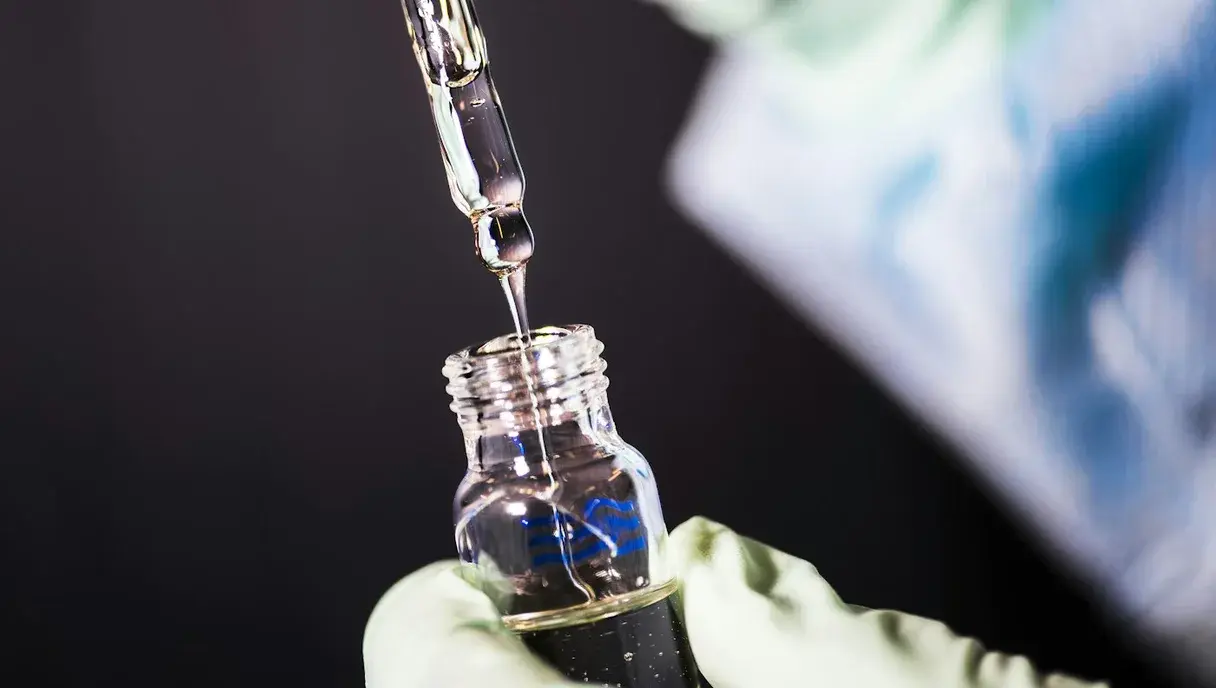
The World Health Organization estimates that around one in six couples worldwide experience infertility at some point. In Pakistan, where family pressure and social stigma often make the topic hard to discuss, many couples quietly struggle for years before seeking proper care. Understanding the real causes of infertility, and what IVF actually involves, can take away some of that fear and help you make informed decisions sooner.
What counts as infertility?
Doctors generally define infertility as not conceiving after 12 months of regular, unprotected intercourse. If the woman is over 35, this window shortens to six months, since fertility naturally declines with age. Reaching this point does not mean something is seriously wrong. It simply means it is time for a proper medical check rather than more waiting. The NHS notes that around 1 in 7 couples in the UK may have difficulty conceiving, a similar pattern is seen worldwide.
Common causes of infertility
Infertility is never automatically "the woman's problem". Research consistently shows the causes are split roughly evenly between partners.
Causes in women
- PCOS (polycystic ovary syndrome). One of the most common causes of irregular or absent ovulation in Pakistani women.
- Blocked fallopian tubes. Often from past infections or untreated pelvic conditions.
- Endometriosis. Tissue similar to the womb lining grows elsewhere and can affect the ovaries and tubes.
- Age-related decline in egg quality. Egg quantity and quality both fall gradually from the mid-thirties onward.
- Thyroid disorders. Both an underactive and overactive thyroid can disrupt ovulation.
Causes in men
- Low sperm count or poor motility. Sperm that are too few or too slow struggle to reach and fertilise the egg.
- Varicocele. Enlarged veins in the scrotum that can raise testicular temperature and harm sperm production.
- Hormonal imbalances. Low testosterone or other hormone issues can reduce sperm production.
- Lifestyle factors. Smoking, heavy alcohol use, obesity and chronic stress all measurably lower sperm quality.
- Heat exposure. Frequent hot baths, tight underwear or laptop use on the lap can raise scrotal temperature over time.
In around one in five cases, doctors cannot identify a clear cause even after testing. This is called unexplained infertility, and it does not mean treatment cannot help.
When should you see a fertility specialist?
Do not wait years in silence. See a gynaecologist or urologist if:
- You have tried for 12 months without success, or 6 months if the woman is over 35
- Periods are irregular, very painful, or absent
- You have a known condition like PCOS, endometriosis or a past pelvic infection
- There is a history of testicular injury, surgery or undescended testicle
- Either partner has a chronic illness or is on long-term medication
How is infertility diagnosed?
Both partners are usually tested together, since this halves the time wasted chasing the wrong cause.
- For women: blood tests for hormones and thyroid function, an ultrasound scan of the ovaries and womb, and sometimes a tube-patency test (HSG)
- For men: a semen analysis checking sperm count, motility and shape, plus hormone blood tests if results are abnormal
These tests are widely available in major Pakistani cities and are far less expensive than treatment, so they are a sensible first step before assuming the worst. The Mayo Clinic has a useful overview of how female infertility is diagnosed and treated step by step.
IVF in Pakistan: process and what to expect
In vitro fertilisation, or IVF, is one of several assisted reproduction options, not the first step for everyone. Most doctors try simpler treatments first, such as ovulation-inducing medication or intrauterine insemination, before recommending IVF.
A typical IVF cycle involves:
- Ovarian stimulation. Hormone injections over roughly 10 to 14 days encourage the ovaries to produce multiple eggs.
- Egg retrieval. A short procedure under sedation collects the mature eggs.
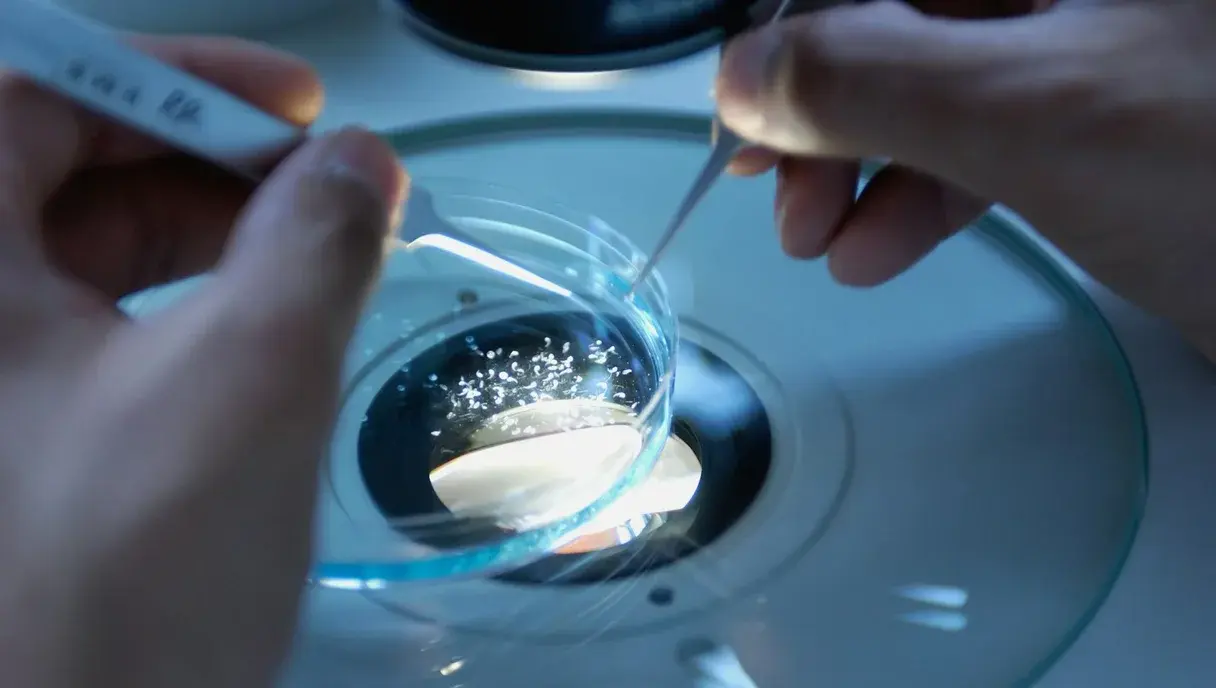
- Fertilisation. Eggs are combined with sperm in a lab, sometimes using a technique called ICSI for male-factor infertility.
- Embryo transfer. One or more resulting embryos are placed into the womb a few days later.
- The two-week wait. A pregnancy test follows roughly two weeks after transfer.
IVF cost in Pakistan varies by city and clinic, but a single cycle commonly runs into several hundred thousand PKR once medication is included. Success rates depend heavily on the woman's age, so a realistic conversation with your clinic about the numbers for your situation matters more than any general average.
Supporting fertility naturally, for both partners
Whether you are trying naturally or preparing for assisted treatment, nutrition and lifestyle support the process for both partners.
For men
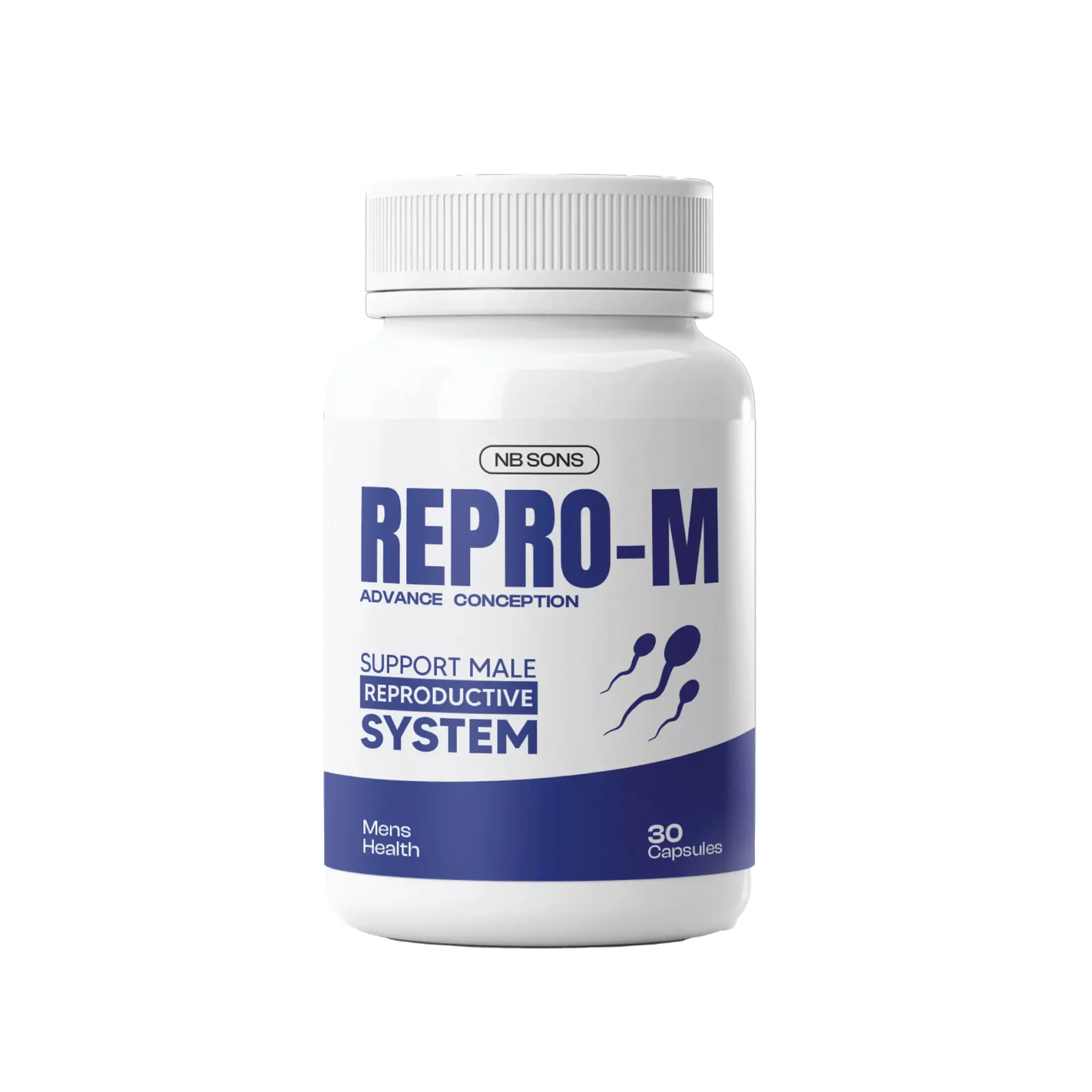
Repro-M combines Peruvian maca, L-carnitine and CoQ10 with antioxidants to support sperm count, motility and overall reproductive wellness. It is best used consistently for three months or more, since sperm take around that long to mature.
For women
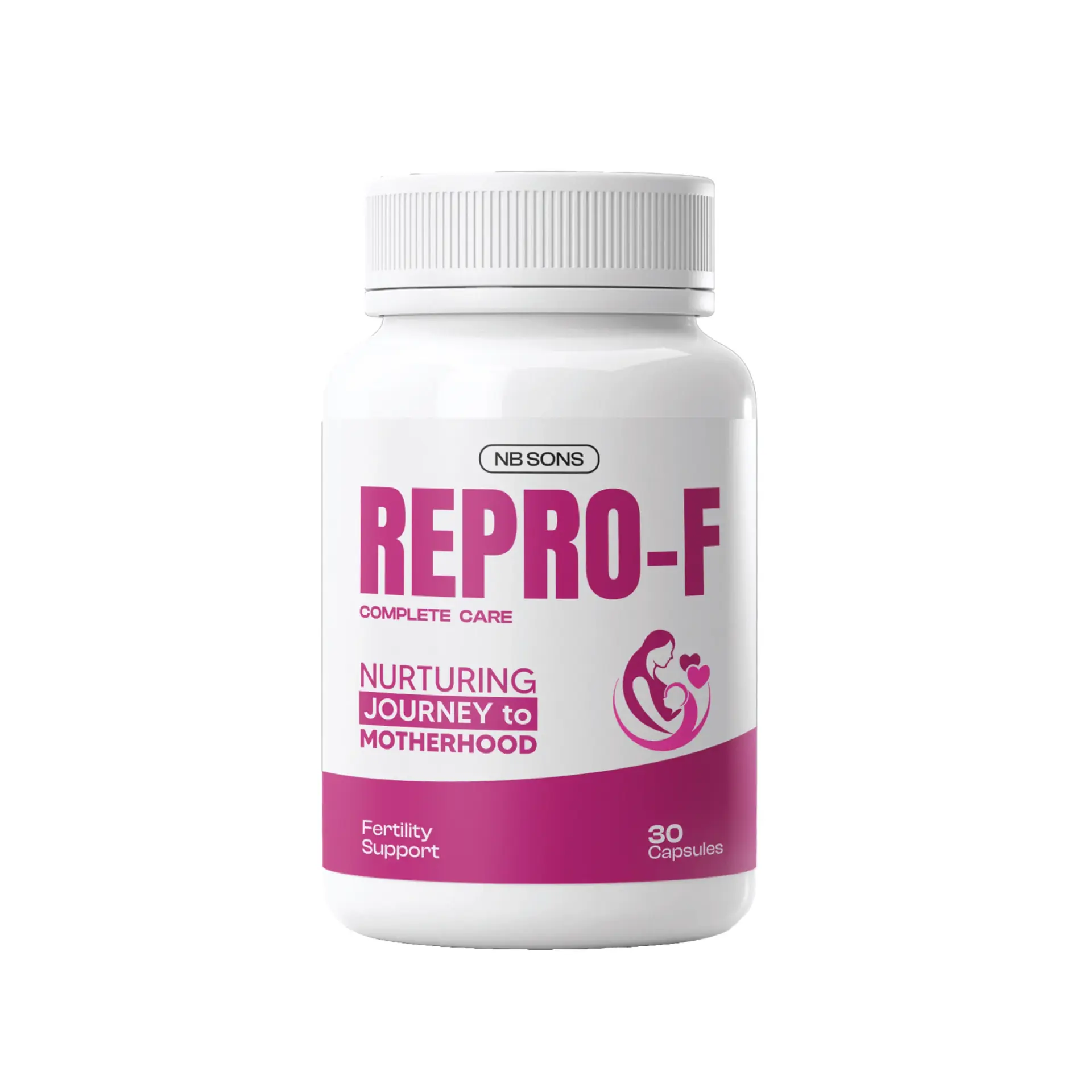
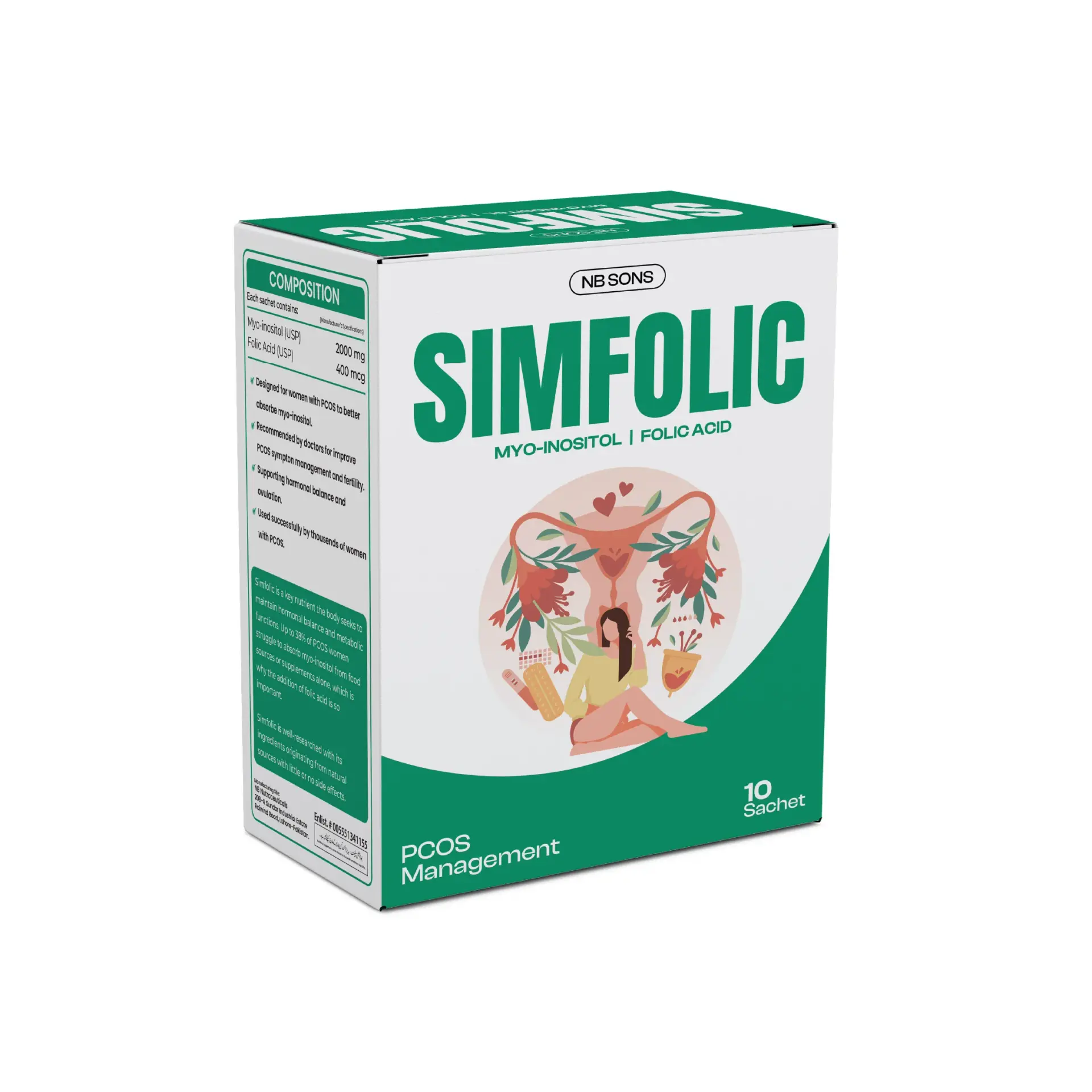
Repro-F is a preconception multivitamin with folic acid, inositol and L-arginine to support hormonal balance, egg quality and healthy circulation to the reproductive organs. If PCOS is part of the picture, Simfolic pairs myo-inositol with folic acid, a combination studied for supporting ovulation and insulin sensitivity in PCOS. Our dedicated guide to PCOS treatment in Pakistan covers this condition in more depth.
For couples trying together
Since fertility is a shared journey, the Trying-to-Conceive Couple's Pack bundles Repro-M and Repro-F so both partners can support their fertility nutrition at the same time. Our guide on trying to conceive in Pakistan covers the basics of timing and lifestyle alongside this. For men focused specifically on sperm health, see our guide to increasing sperm count naturally, and for women, our guide to improving egg quality naturally goes into more depth.
Lifestyle changes that genuinely help
- Reach and maintain a healthy body weight, since both very low and very high weight can disrupt hormones
- Stop smoking and limit alcohol, for both partners
- Manage stress with sleep, light exercise and support from family or a counsellor
- Track ovulation so intercourse is timed around the fertile window, see our guide to ovulation signs and timing
- Treat underlying conditions like thyroid disorders or PCOS, do not leave them unmanaged
- Avoid prolonged heat exposure to the testes for men, including very hot baths and tight clothing
The emotional side of infertility
Infertility carries real emotional weight in Pakistan, where family pressure can start within months of marriage. It helps to remember that infertility is a medical condition, not a personal failing, and that it affects men and women in roughly equal measure.
Speaking openly with your partner, seeking medical advice early rather than waiting years, and considering counselling support if the stress becomes heavy are all reasonable, healthy steps. You do not have to manage this alone or in silence. The WHO recognises infertility as a disease of the reproductive system, which is a helpful reminder that it deserves proper medical attention, not blame.
This article was written and medically reviewed to our medical review board standards and is for general guidance, not personal medical advice. Always speak to a doctor or pharmacist about your own situation.
Shop the Trying-to-Conceive Couple's Pack →Frequently asked questions
How long should we try before seeing a doctor?
Generally 12 months of regular, unprotected intercourse, or 6 months if the woman is 35 or older. See a doctor sooner if there are known risk factors like irregular periods or a past pelvic infection.
Is infertility more often the woman's fault?
No. Studies show causes are roughly evenly split between male factors, female factors, a combination of both, and unexplained cases. Both partners should be tested together.
What is the difference between IUI and IVF?
IUI places prepared sperm directly into the womb around ovulation and is simpler and less costly. IVF fertilises eggs with sperm in a lab before transferring an embryo, and is generally used when IUI has not worked or when there is a more significant fertility issue.
Can supplements alone fix infertility?
No. Supplements like Repro-M and Repro-F support nutritional gaps and reproductive wellness alongside medical care, but they are not a treatment for underlying conditions such as blocked tubes or significant hormonal disorders. See a doctor if you suspect one of these.
Does age really affect male fertility too?
Yes, though more gradually than female fertility. Sperm quality and motility can decline somewhat with age, and lifestyle factors often play a bigger role for men than age alone.
How much does IVF cost in Pakistan?
It varies widely by clinic and city, and commonly runs into several hundred thousand PKR per cycle once medication is included. Ask your clinic for a full cost breakdown before starting, including medication and any additional procedures.
Can losing weight improve fertility?
For many people, yes. Both very low and very high body weight can disrupt the hormones needed for regular ovulation and healthy sperm production, so reaching a healthier weight range can help in some cases.
Liked this one? Get the next in your inbox.
One fortnightly note from the editors, new pieces, restocks, and the routines we're actually using. Unsubscribe any time.