Luteal Phase: What It Is and How Long It Should Be
The luteal phase is the second half of your cycle, after ovulation. Here is how long it should last and what a short luteal phase really means.

You use an ovulation strip, get a clear surge on day 15, and then your period turns up on day 24. Nine days later. Nothing hurts, nothing on the report looks wrong, but the maths feels off and nobody at the lab explains it.
That gap between ovulation and your period is the luteal phase. It is the half of the cycle almost nobody explains, and it is the half that decides whether a fertilised egg has somewhere to settle. Here is what it does and how to work out whether yours is long enough.
What the luteal phase actually is
Your cycle has two halves that behave very differently. The first half, the follicular phase, starts on day one of your period and ends at ovulation. FSH from the pituitary tells your ovaries to start growing follicles, and the dominant follicle releases oestrogen that thickens the lining of your uterus.
The luteal phase picks up right after the egg is released. The empty follicle left behind becomes a small temporary gland, the corpus luteum, and that gland produces progesterone along with some oestrogen, according to Cleveland Clinic. Progesterone is what turns a thickened lining into a lining that can actually hold a pregnancy.
If the egg is fertilised and implants, the corpus luteum keeps working. If it is not, Cleveland Clinic notes the corpus luteum dissolves, hormone levels decline, and you shed the lining. That drop is your period.
How long a luteal phase should be
Fourteen days is the number everyone repeats. It comes from the textbook 28-day cycle, where ovulation lands around day 14 and the luteal phase runs from about day 15 to day 28. Real bodies are looser than the textbook.
Cleveland Clinic puts the luteal phase at about 14 days and says a luteal phase lasting 10 to 17 days is considered normal. The NHS approaches it from the other end: ovulation happens about 12 to 16 days before the start of your next period. So a woman running 11 days is not broken, and neither is one running 16.
Here is the part that changes how you read your own cycle. Cleveland Clinic describes a normal cycle as anything from 21 to about 35 days, and most of that swing comes from the first half. The follicular phase runs roughly 10 to 14 days but can differ from cycle to cycle in the same woman, pushed around by stress, illness and hormone shifts. If your cycle ran 35 days this month instead of 28, the usual reason is that ovulation came late, not that your luteal phase stretched.
| Phase | When it runs | Typical length | Main hormone |
|---|---|---|---|
| Period (menses) | Starts on day one of bleeding | 3 to 7 days | All low |
| Follicular | Day one until ovulation | About 10 to 14 days, varies most | FSH, then oestrogen |
| Ovulation | Around day 14 in a 28-day cycle | A single day mid-cycle | LH surge |
| Luteal | Right after ovulation until your period | About 14 days, 10 to 17 is normal | Progesterone |
Figures from Cleveland Clinic's menstrual cycle, follicular phase and luteal phase pages.
How to count your own luteal phase
You need two dates: the day you ovulated and the day your next period started. Count from the day after ovulation up to and including the day before bleeding begins. That number is your luteal phase length.
Finding the ovulation date is the harder half. LH strips are the practical answer, because they pick up the hormone surge that comes shortly before the egg is released. The listing for our Ovulation and Pregnancy Test Combo Kit (Rs 999) says the surge it detects happens 24 to 36 hours before ovulation, so a positive strip is a warning that ovulation is coming rather than confirmation it has passed. The kit holds 7 LH strips plus 2 hCG pregnancy strips, which covers one cycle of testing and the answer a fortnight later.
To know which days to start testing, use the free ovulation calculator, which estimates your likely ovulation day and fertile window from your own cycle length. Then do this for three cycles before you draw any conclusion. One odd month tells you nothing at all.
Basal body temperature is the other home method, and it works backwards: the temperature rise confirms ovulation has already happened. Useful for counting, useless for timing.
What a short luteal phase means, and what it does not
Cleveland Clinic defines a short luteal phase as fewer than 10 days from ovulation to your period. The worry is straightforward: the lining may not get enough progesterone time to develop into something an embryo can implant into.
The clinical name is luteal phase defect, and it is worth being honest about how contested it is. Cleveland Clinic's own page on luteal phase defect says there is a lot of debate around diagnosing and treating it, and that health organisations do not agree on the criteria or the protocols. Treat a short luteal phase as a signal worth investigating, not as a diagnosis you hand yourself from a tracking app.
The signs Cleveland Clinic lists are:
- Spotting between periods
- A slow rise in basal body temperature
- Periods less than 21 days apart
- Ten days or fewer between ovulation and your period
- Difficulty conceiving, or miscarriage
The causes on the same page mostly sit upstream of the ovary rather than inside it: PCOS, endometriosis, thyroid conditions, pituitary disorders, obesity, very low body weight, heavy exercise loads, stress and smoking. That list is your actual to-do list. Chasing the luteal phase while an untreated thyroid or unmanaged PCOS sits behind it rarely gets anywhere.
The tests worth asking for
Two blood tests come up most often, and both are easy to get in any decent lab here.
Progesterone. This checks whether the corpus luteum is producing what it should. MedlinePlus explains the test is used to help find out whether low progesterone is behind infertility or pregnancy problems, and that in a woman who is not pregnant, a low result can point to not ovulating normally, absent periods, PCOS, high stress or perimenopause. Progesterone moves across the cycle, so the day the blood is drawn decides whether the number means anything. Ask your gynaecologist which cycle day they want before you go, because a sample taken on the wrong day is a wasted trip and a wasted fee.
Thyroid. Thyroid conditions sit on the cause list above and are simple to rule out. Our guide to thyroid test prices in Pakistan walks through what TSH, T3 and T4 mean on the report.
If your cycles are irregular rather than short, start somewhere else. Read irregular periods and PCOS symptoms and treatment first, because not ovulating at all is a different problem from ovulating and then having a short second half.
What actually helps
None of this replaces your gynaecologist. Progesterone, clomiphene citrate and hCG all appear on Cleveland Clinic's treatment list for luteal phase defect, and each of those is a prescription decision made after testing, not something to try on your own or buy on somebody's recommendation.
What you can sensibly do without a prescription:
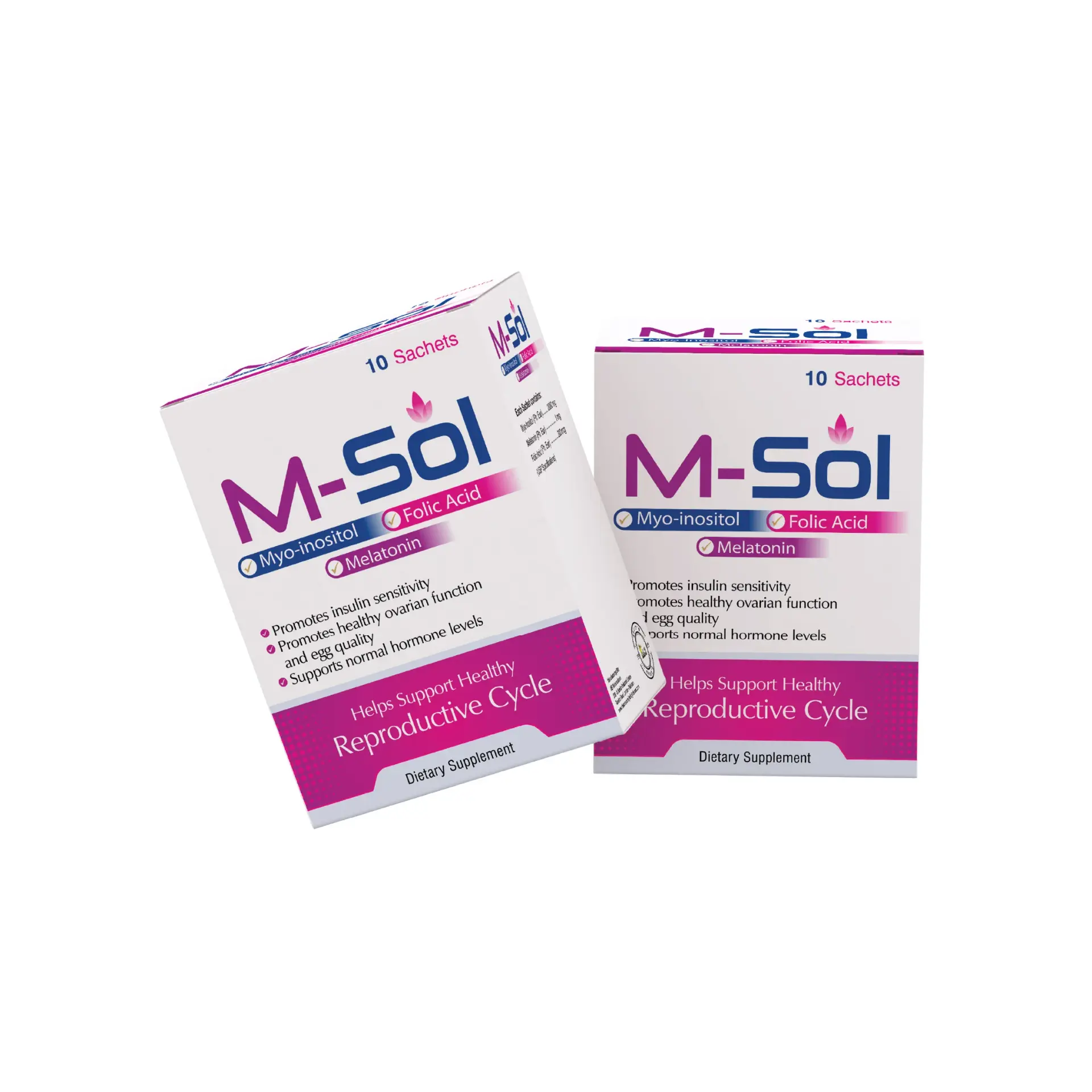
- Treat the cause you already know about. If you have PCOS and you are not ovulating predictably, that is the thing to work on. Our myo-inositol guide covers what the evidence says, and M-Sol (Rs 950) is a once-daily sachet carrying 2000 mg of myo-inositol with 1 mg melatonin and 200 mcg folic acid.
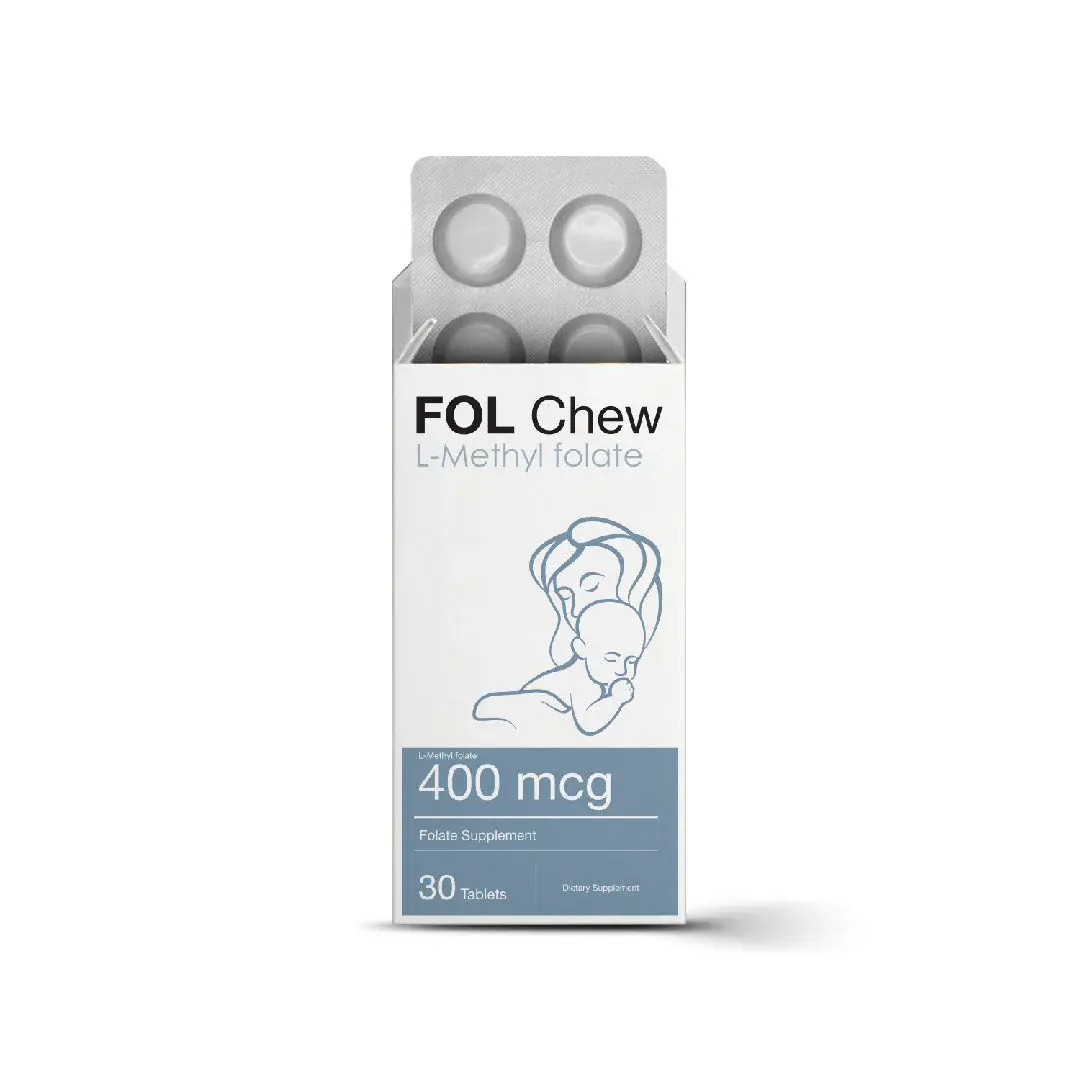
- Get folate in place before you need it. The NHS recommends a 400 microgram folic acid supplement daily until 12 weeks of pregnancy, and says to start taking it before you stop using contraception, because the window it protects opens very early. FOL Chew (Rs 485) is a chewable 400 mcg L-methylfolate tablet, which suits anyone who dislikes swallowing tablets. Our folic acid guide has the full detail.
- Deal with weight, sleep and stress before you spend on supplements. Several causes on the clinical list are lifestyle ones, and they are free to work on. If weight is part of your picture, the free BMI calculator is a reasonable starting point.
The two-week wait
The luteal phase is also the stretch of time that women trying to conceive dread. Cleveland Clinic lists mood changes, tender breasts, bloating, acne and appetite changes as ordinary luteal phase symptoms, and every one of those overlaps with early pregnancy. No symptom reliably separates the two, which is exactly why the test exists.
If you see light bleeding in this window, our guide to implantation bleeding and how to tell it from an early period goes through the differences. Otherwise, wait until your period is genuinely late before testing. Testing early mostly buys you a faint line and a bad week.
When to see a doctor
- You have been trying for a year without conceiving. The NHS advises seeing a doctor after a year, and sooner if you are 36 or older or already know of a fertility problem.
- Your periods come less than 21 days apart, or you have missed three in a row after a negative pregnancy test.
- You bleed between periods or after sex. The NHS says to get this checked whatever else is going on.
- You have had a miscarriage and want the cause looked at. Miscarriage sits on Cleveland Clinic's list of signs that lead to a luteal phase workup.
The short version
Your luteal phase starts after you ovulate and ends the day before your period. Fourteen days is typical, 10 to 17 is normal, and repeatedly under 10 is worth a conversation with your gynaecologist plus a progesterone test drawn on the cycle day she asks for. Track three cycles before deciding anything. Most strange-looking cycles are strange because ovulation moved, not because the second half failed.
If you want a quick sense of what to check first, the free fertility quiz narrows it down in a few questions. This article is general information and does not replace advice from your own doctor.
Liked this one? Get the next in your inbox.
One fortnightly note from the editors, new pieces, restocks, and the routines we're actually using. Unsubscribe any time.