PCOS Diet Plan in Pakistan: A Week of Real Desi Meals
A PCOS diet plan built around roti, daal and chai. What to change first, a 7-day Pakistani meal plan, and which supplements are actually worth it.
The gynaecologist says "lose some weight and your periods will come back," writes a slip for an ultrasound, and the appointment is over in nine minutes. Nobody tells you what to put on the plate that night. So you go home, type "PCOS diet plan" into Google, and get page after page about quinoa bowls and kale smoothies, none of which exist in your kitchen or your budget.
This is the version written for a Pakistani kitchen. Mostly the same roti, daal, chawal and chai, arranged differently.
What a PCOS diet is actually trying to fix
PCOS is a hormonal condition, but the lever that food can pull is insulin. In many women with PCOS the body's cells respond poorly to insulin, so the pancreas keeps making more of it to compensate. All that extra insulin nudges the ovaries into producing more testosterone, and that is what eventually shows up as periods that skip months, acne along the jaw and chin, hair on the upper lip, and thinning at the crown while the hairbrush fills up.
This happens in slim women too. Lean PCOS is real, and the insulin problem can be sitting underneath it, so ignore anyone who tells you that you are not heavy enough to have it.
So the point of eating differently is not punishment. It is keeping insulin steadier across the day, and every suggestion below is a version of that one idea. If you are still working out whether this is even what you have, read our guide to PCOS symptoms, causes and diagnosis in Pakistan and get proper bloodwork first.
The honest answer about "the best diet for PCOS"
Keto, low carb, intermittent fasting, Mediterranean. Every one of them arrives with a WhatsApp forward claiming it reversed somebody's cousin's PCOS in six weeks.
The 2023 International Evidence-Based Guideline for the Assessment and Management of PCOS, which is the document endocrinologists and gynaecologists actually work from, says it plainly: there is no evidence supporting any one type of diet composition over another for weight, hormonal, metabolic, reproductive or psychological outcomes.
Read that twice, because it will save you money and guilt. The eating pattern you can still keep up in eight months beats the perfect one you abandon in three weeks. The same guideline notes that healthier eating and movement help even when the scale barely moves.
Six changes that matter more than the diet's name
Stop eating carbs by themselves
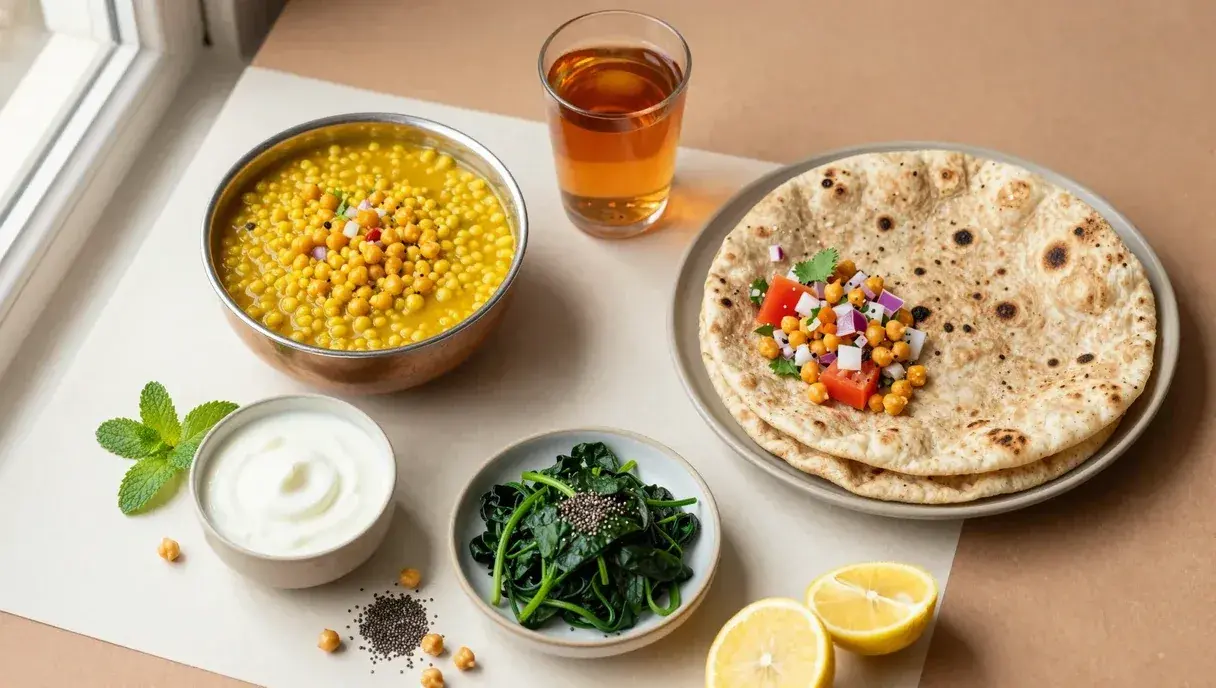
A plate of plain chawal at 2pm sends blood sugar up fast. The same chawal next to daal, a bowl of dahi and some salad goes up far more gently, because protein, fat and fibre slow everything down. This one habit is the highest-value change on the whole list and it costs nothing. Never let roti, rice, biscuits or fruit travel alone.
Fix breakfast before you fix anything else
Halwa puri on Sunday is not the enemy. Paratha with sweet chai every single morning is, because that is refined flour plus sugar on an empty stomach five or six times a week. Swap in anda bhurji with one roti, chana chaat, or dahi with soaked chia seeds. Aim for 15 to 20 grams of protein before 10am and watch the 4pm biscuit craving quietly disappear.
Portion the rice, do not ban it
Biryani is not leaving Pakistani life and it does not need to. Serve one cup of cooked rice instead of a heaped plate, put double the salaan and a big kachumar salad beside it, and eat the salad first. Cooling rice before reheating lowers its glycaemic impact a little, a free win for leftover chawal.
Deal with the chai
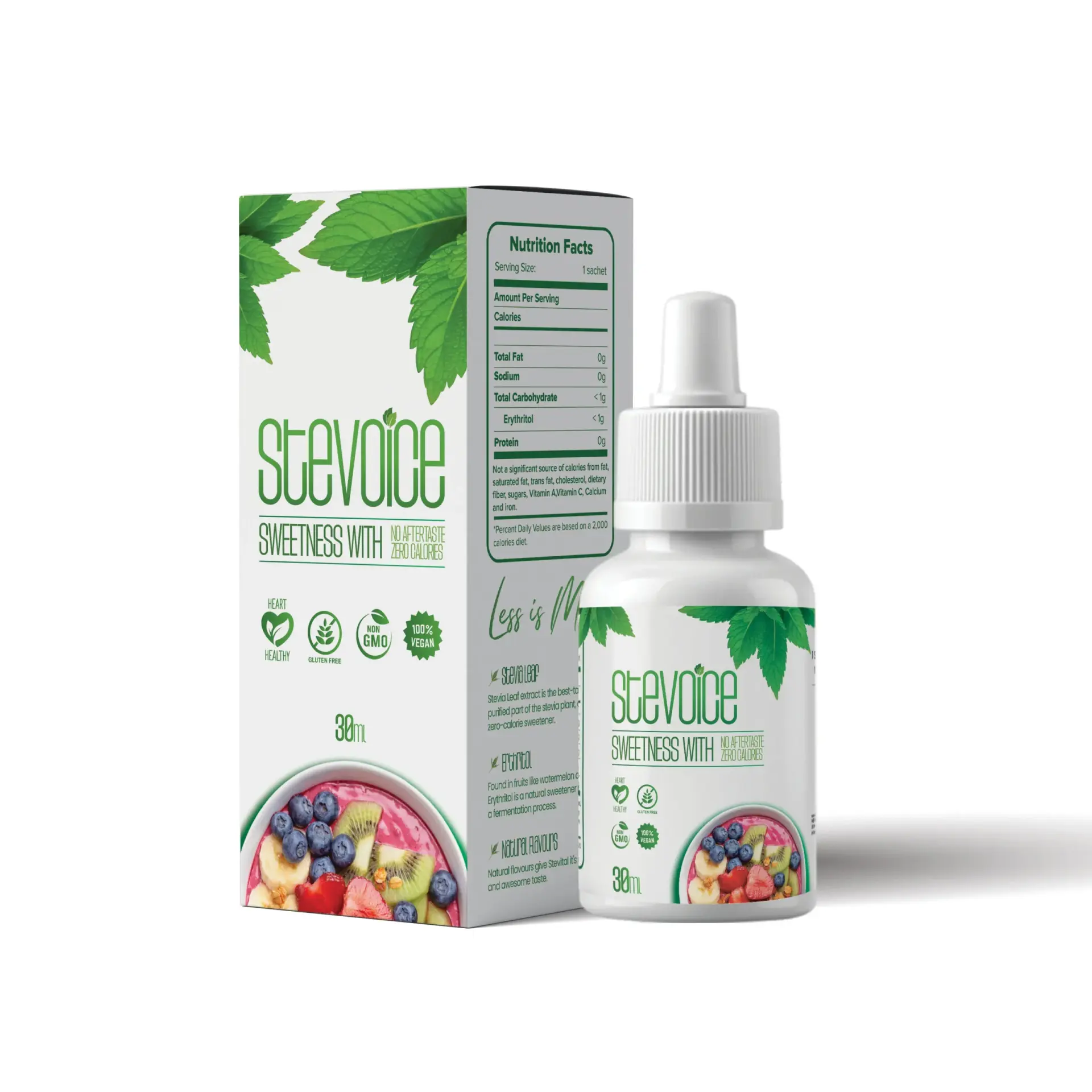
Four cups a day at two teaspoons of sugar each is around 32 grams of sugar, which is most of a day's allowance before you have eaten anything. Cut it by half a spoon a week rather than all at once and your tongue adjusts without a fight. If you cannot get there, a stevia-based sweetener like Stevoice at Rs. 1,750 does the job without the sugar load, and we go into the trade-offs in our guide to stevia and sugar-free sweeteners in Pakistan.
Get protein into every meal
Most Pakistani plates are carb-heavy and protein-light. You do not need imported whey for this. Anda, chicken, fish, dahi, paneer, chana, lobia, rajma and daal all count, and a fist-sized portion at each meal is the rough target. Protein blunts the blood sugar spike and keeps you full enough that you are not raiding the fridge at 11pm.
Push fibre up
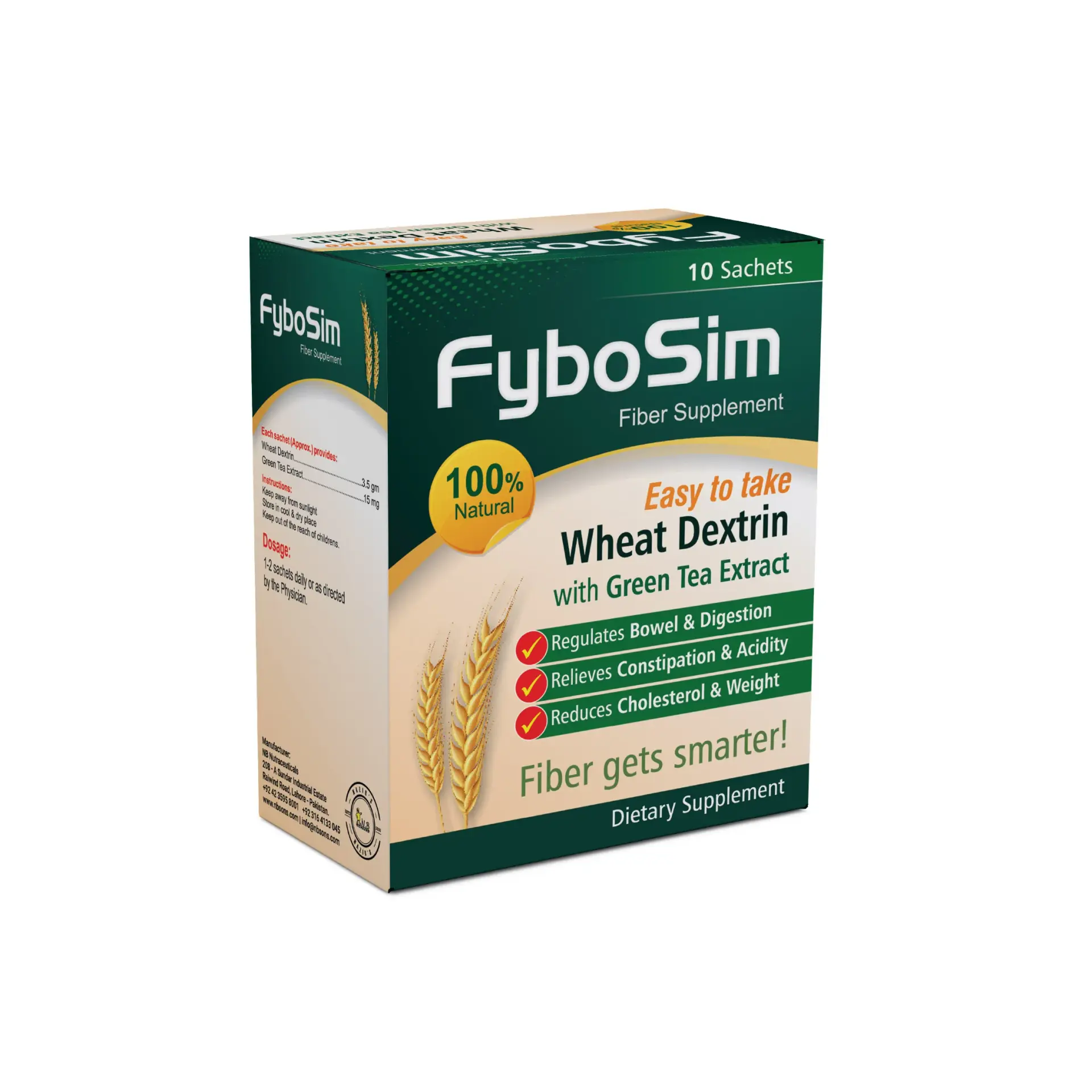
Fibre slows glucose absorption and feeds the gut bacteria that help regulate hormones. Chholay, lobia, whole atta rather than maida, sabzi at both meals, and fruit eaten with the skin on such as amrood and seb. If vegetables are a genuine struggle, a plain fibre supplement such as Fybosim at Rs. 390 fills the gap cheaply, and our fibre supplement comparison covers what to look for.
A 7-day Pakistani PCOS meal plan
Use this as a template rather than a rulebook. Swap days around, repeat the ones you like, keep portions to your own hunger. Every dinner assumes one or two rotis of whole atta unless stated.
- Monday. Nashta: anda bhurji with one roti and green chai. Lunch: chicken karahi with salad and one roti. Dinner: masoor daal, sabzi, dahi.
- Tuesday. Nashta: dahi with chia seeds, walnuts and half an apple. Lunch: chana chaat with onion, tomato and lemon. Dinner: grilled fish with palak and one roti.
- Wednesday. Nashta: two boiled eggs and one slice of brown bread. Lunch: rajma with one cup rice and kachumar. Dinner: chicken yakhni soup with sabzi.
- Thursday. Nashta: oats cooked in milk with cinnamon and a few almonds. Lunch: keema with lauki and one roti. Dinner: chana daal with salad and dahi.
- Friday. Nashta: anda paratha of whole atta with minimal ghee, unsweetened chai. Lunch: one cup biryani with a large salad and raita. Dinner: bhindi sabzi with dahi.
- Saturday. Nashta: paneer or chana chaat with mint chutney. Lunch: chicken pulao, one cup, with cucumber raita. Dinner: karela or tinda sabzi with daal.
- Sunday. Nashta: halwa puri if that is the family ritual, then a long walk and a protein-heavy lunch. Lunch: grilled chicken with salad. Dinner: mixed sabzi and daal, no rice.
Snacks, if you need them: roasted channay, one fruit with a few nuts, or a boiled egg. Biscuits and rusk with chai are where most of the quiet damage happens.
Foods to go easy on
Nothing here is forbidden forever. These are the items worth moving from daily to occasional.
- Sugary drinks: bottled soft drinks, packaged juices, Rooh Afza by the glass.
- Mithai, jalebi, gulab jamun and cake. Keep them for actual occasions.
- Maida-based food eaten daily: white bread, naan, rusk, samosa, biscuits.
- Deep-fried snacks as an everyday habit rather than an evening treat.
- Skipping meals entirely, which usually ends in a much larger meal later.
Weigh yourself once a week at most, and check your starting point with our BMI calculator. For a realistic daily calorie target instead of guesswork, the calorie calculator and TDEE calculator work it out from your own height, weight and activity level.
Where supplements actually fit
Supplements support a diet and do not replace one. Anyone selling a sachet that "cures" PCOS is selling you something else. A few, though, have reasonable evidence behind them.
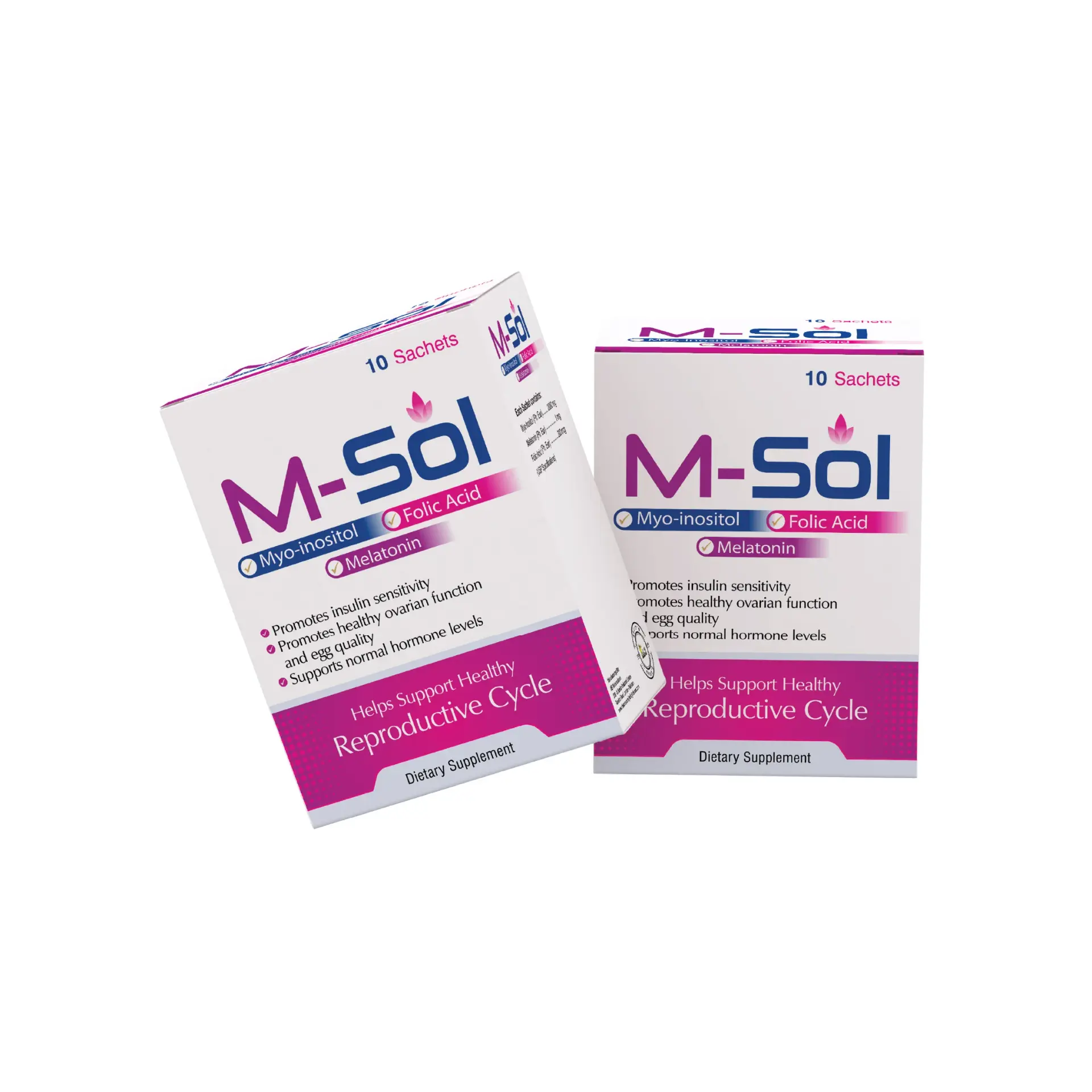
Myo-inositol is the most studied. The 2023 guideline concluded it could be considered in women with PCOS, noting limited harm and potential improvement in metabolic measures, though clinical benefits are limited. Locally, M-Sol myo-inositol sachets are Rs. 950, down from Rs. 1,280, and Simfolic, which combines myo-inositol with folic acid, is Rs. 1,390. Our myo-inositol guide explains dosing and how long to give it before judging.
Vitamin D deficiency is very common in Pakistani women, partly because of limited sun exposure and covered clothing. Get tested before dosing. Vit KD, D3 10,000 IU with K2, is Rs. 870, and our piece on vitamin D deficiency in Pakistan covers who needs it.
Omega-3 helps with the lipid profile that often runs off-track in PCOS, and Nutrifactor Normega 1000 is Rs. 1,580. Magnesium is worth a look if sleep is poor and cramps are bad, with Calco Fit magnesium glycinate 500mg at Rs. 1,290.
Start with one, give it three months, then reassess. The full ranked list is in the best PCOS supplements in Pakistan, and the rest sits in the women's health range.
Diet alone stalls without movement
Muscle pulls glucose out of the blood without needing much insulin, so exercise does something the plate cannot. The guideline suggests 150 to 300 minutes of moderate activity per week for general health, and at least 250 minutes if weight loss is a goal.
In practice that is a 40-minute brisk walk most days plus two sessions of resistance work, which can be bodyweight squats and a pair of dumbbells at home. A 15-minute walk after dinner has an outsized effect on post-meal blood sugar for the effort it costs.
How to know it is working
Give it three months before you judge it. Signs things are shifting, roughly in the order they appear:
- Energy steadies and the mid-afternoon crash softens, often within two to three weeks.
- Sugar cravings drop noticeably by week four to six.
- Skin along the jaw starts calming down around month two or three.
- Cycles begin arriving closer together, the slowest change of all, at three to six months.
If you are tracking cycles to conceive, the ovulation calculator and our fertility quiz will help you see whether ovulation is actually returning rather than just guessing from the bleed. Our guide to irregular periods covers what counts as normal variation.
When to see a doctor
Book an appointment if periods stop for three months or more, if bleeding is unusually heavy, if facial hair or hair loss is worsening quickly, or if you have been trying to conceive for twelve months without success, six if you are over 35. Ask for fasting insulin and HbA1c alongside the usual hormone panel. Neither test is expensive at a decent lab, and together they tell you whether insulin resistance is part of your picture.
Metformin remains a first-line medical option for many women and the guideline recommends it over inositol for most outcomes. That is a conversation for your doctor, not the internet.
The short version
Pair every carb with protein and fibre, fix breakfast, halve the sugar in your chai, walk after dinner, then give it three months. No imported superfood required and no diet with a brand name. The plate you already know how to cook is enough once it is put together properly.
This article is general information and does not replace advice from your own doctor, especially if you are pregnant, trying to conceive, or already on prescribed medication.
Liked this one? Get the next in your inbox.
One fortnightly note from the editors, new pieces, restocks, and the routines we're actually using. Unsubscribe any time.