How to Reduce Hair Fall: Causes & Proven Solutions (Pakistan 2026)
Why you're losing hair, which causes are fixable at home, the nutrients that matter, and when to see a doctor, a practical guide for Pakistan.
Nearly 1 in 2 women in Pakistan are anaemic, according to the National Nutrition Survey, and low iron is one of the top fixable causes of hair fall. So if you are finding hair on your pillow, in the shower drain and on your brush, you are far from alone.
Some shedding is completely normal. You lose 50 to 100 hairs a day. But heavy, ongoing hair fall usually has a cause you can fix. Here is how to work out yours, what truly helps, the mistakes that make it worse, and how long recovery really takes.
Hair fall vs hair thinning: knowing the difference
It helps to separate two things. Shedding is hair coming out from the root, often in handfuls. It is usually a response to a trigger like stress, illness or a deficiency, and it tends to recover once you fix the cause.
Thinning is different. Hairs slowly get finer and the part widens over months and years. This points more to genetic pattern hair loss or a hormonal cause, and it needs a proper medical plan. Working out which one you have tells you whether to focus on nutrition and gentleness, or to see a doctor sooner.
Common causes of hair fall in Pakistan
- Nutritional deficiencies, especially iron (very common in women here) and vitamin D, plus low protein and zinc.
- Stress and illness. A shock, fever or major stress can trigger heavy shedding a few months later (telogen effluvium).
- Hormonal changes, after pregnancy, with thyroid issues, or with PCOS.
- Hard water and harsh styling. Tight hairstyles, too much heat and rough brushing cause breakage.
- Crash dieting and very low-protein diets. Sudden weight loss is a frequent, overlooked trigger.
- Genetic pattern hair loss, which needs specific medical treatment.
The nutrients that matter most
Hair is made of protein and grows from well-nourished follicles. So deficiencies show up there first.
| Nutrient | Why it matters for hair |
|---|---|
| Iron | The #1 fixable cause of shedding in women, see our iron guide |
| Vitamin D | Supports the follicle's growth cycle; widely deficient in Pakistan |
| Biotin & B vitamins | Support healthy hair structure, more in our biotin guide |
| Protein & zinc | The building blocks of the hair shaft |
Iron is both common and important. But do not self-prescribe high-dose iron. Ask your doctor to test first, as too much iron is harmful.
What you can do at home
- Eat for your hair, with protein, iron-rich foods, and a varied diet. Fix deficiencies with your doctor's guidance.
- Be gentle. Loosen tight hairstyles, reduce heat styling, use a wide-tooth comb, and do not brush wet hair roughly.
- Scalp care. A clean, balanced scalp grows healthier hair, and massage improves circulation.
- Mind hard water. The mineral-heavy water in many Pakistani cities can leave hair dry and prone to breakage. A clarifying wash now and then, plus a good conditioner, helps.
- Targeted topicals. Rosemary oil has promising evidence for growth, and nourishing masks reduce breakage.
Common mistakes that make hair fall worse
- Tying hair tightly while wet. Wet hair is at its weakest and snaps easily.
- Over-washing or harsh shampoos. Stripping the scalp leaves it irritated and dry.
- Skipping conditioner, which leads to tangles and breakage every time you comb.
- Daily heat styling without protection. Straighteners and blow-dryers on high heat weaken the shaft.
- Chasing one "miracle" oil or supplement while ignoring the real cause, such as low iron or a thyroid issue.
- Panicking and switching products weekly. Hair growth is slow, so changes need months to judge.
A realistic timeline
This is the part most people get wrong. Hair grows slowly, roughly a centimetre a month, and the follicle works on a cycle. So improvements are never instant.
If stress, illness or a deficiency caused your shedding, the shedding itself often slows within two to three months of fixing the cause. But you may not see noticeably thicker hair and regrowth for four to six months, sometimes longer.
Even effective topicals and supplements need a fair three to six month trial before you can judge them. The reassuring news: most shedding from a temporary trigger does recover. So patience and consistency genuinely pay off.
When to see a doctor
See a doctor if hair fall is sudden, patchy, or severe. The same goes if it comes with other symptoms, like fatigue or weight change, or if it does not settle in a few months. Pattern hair loss and thyroid or hormonal causes need proper diagnosis and treatment. The earlier you start, the better the outcome.
Hair-support products in Pakistan
All authentic, with cash on delivery nationwide:
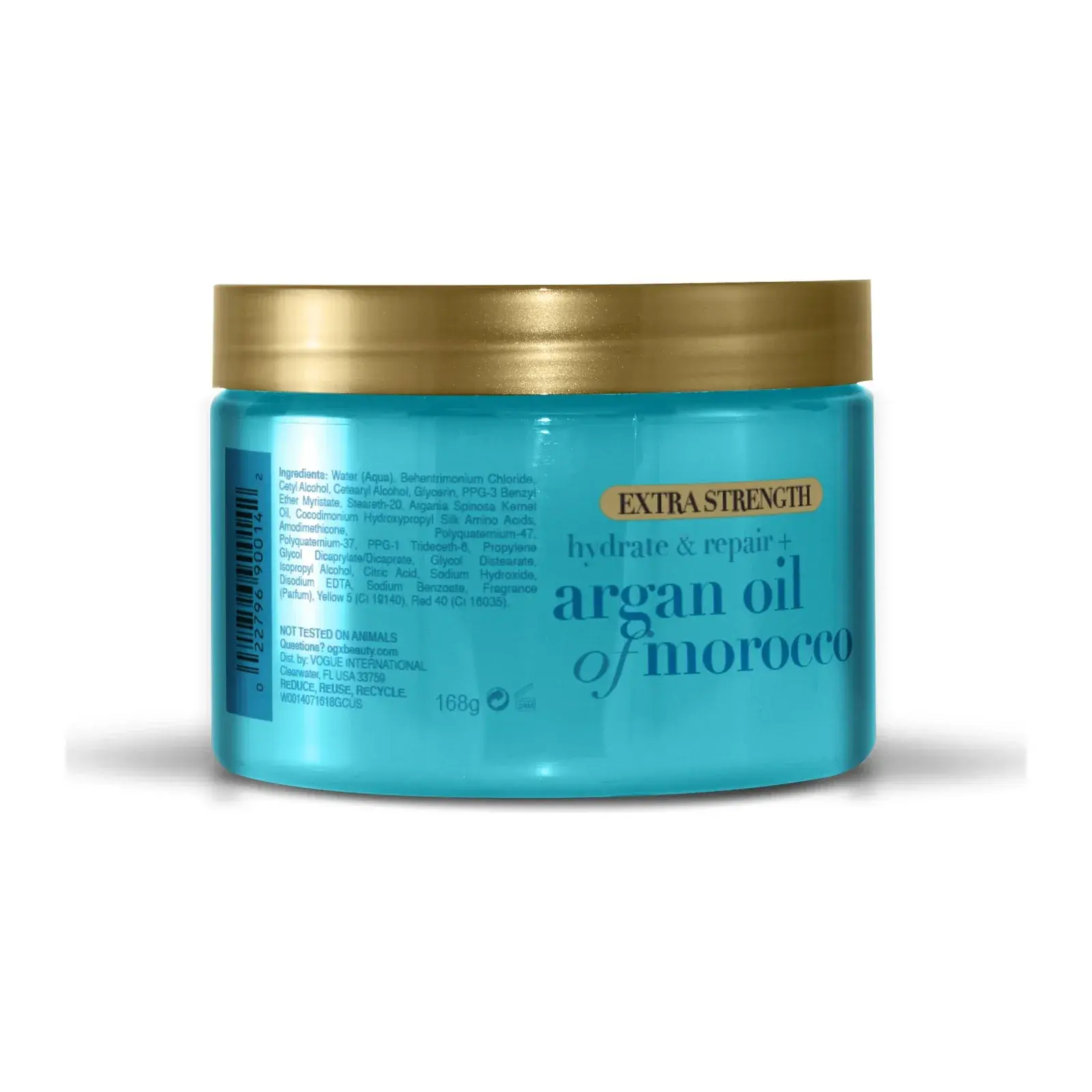
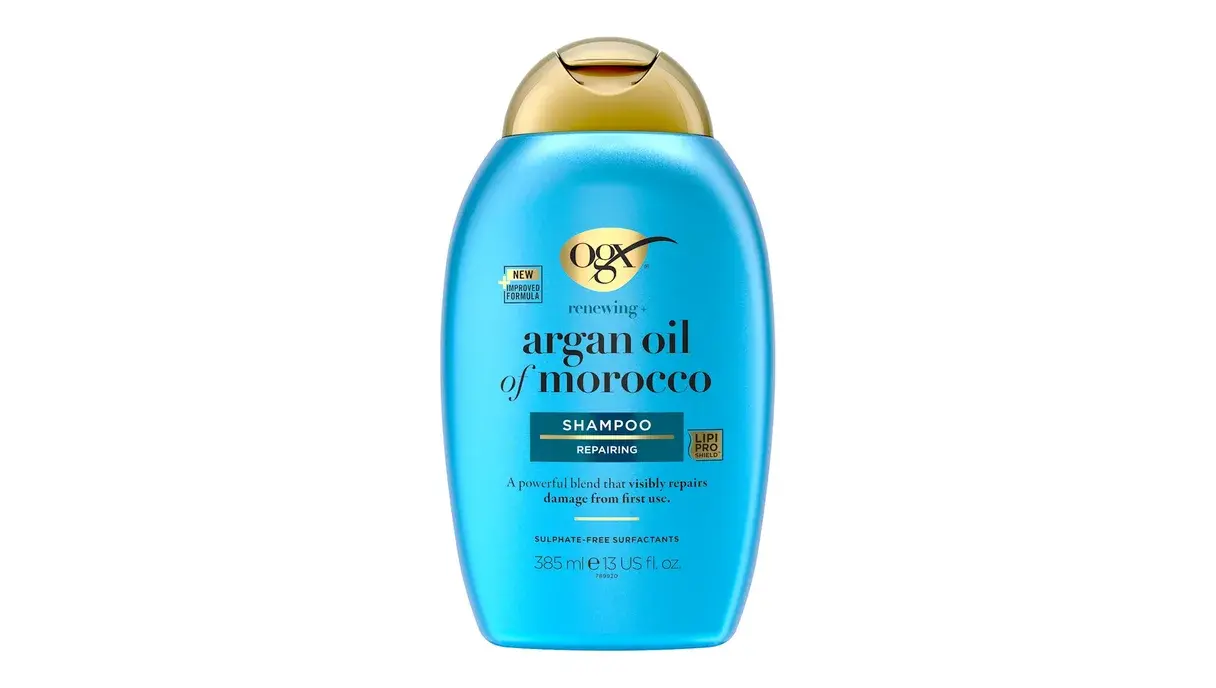
- Nourish & reduce breakage: the Argan Oil of Morocco Hair Mask.
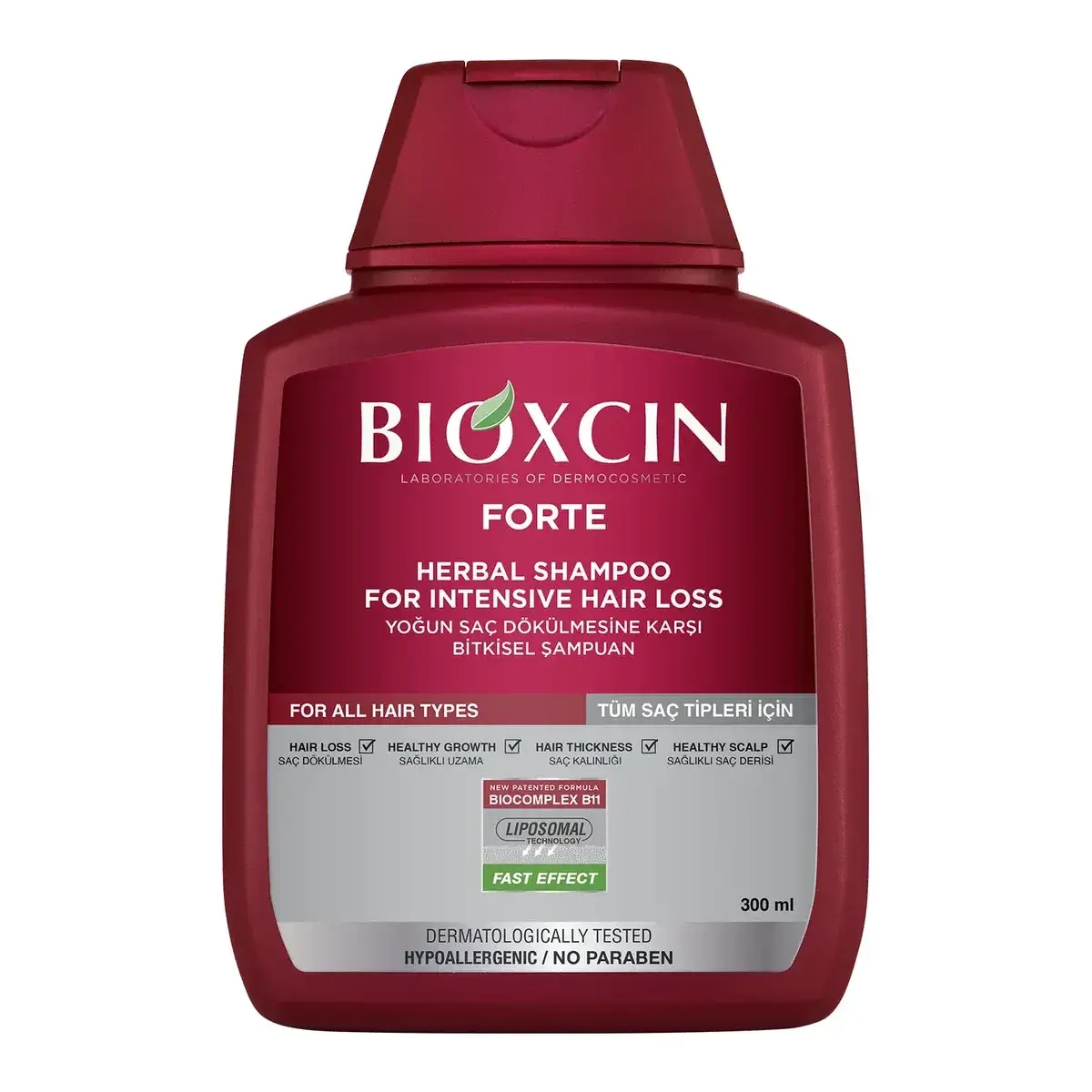
- A shampoo for the shedding phase: Bioxcin Forte Shampoo (Rs 5,250), a Turkish herbal shampoo made for heavy shedding. It is cosmetic support while you fix the cause, not a treatment.
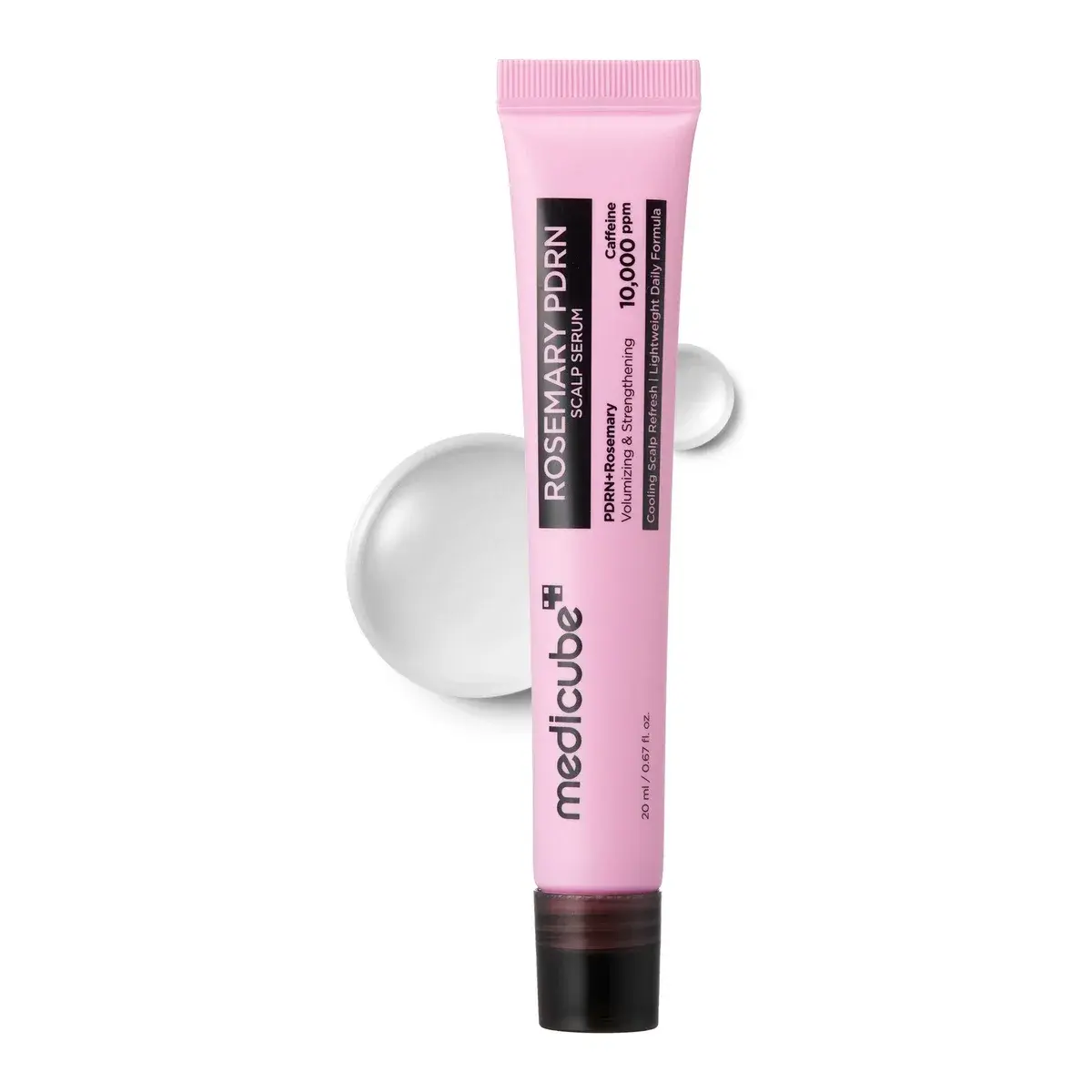
- A non-greasy scalp serum: the Medicube Rosemary PDRN Scalp Serum (Rs 4,600), a leave-in gel with rosemary extract, PDRN and caffeine. It is a cosmetic, not a hair loss medicine, so judge it over months.
- Iron support (on doctor's advice): Ferosim for women prone to iron deficiency.
- Biotin (check with your doctor first): Nature's Bounty Biotin 10,000 mcg (Rs 5,100), a high-dose softgel. Most hair fall is not caused by low biotin, and high doses can skew blood test results, so read our biotin guide first.
- From within: explore our guides to biotin and collagen for hair.
Browse the hair growth and hair fall shelf for the treatments themselves, all hair care, or wellness for the supplements side.
Shop Hair Care →The bottom line
Most hair fall comes from a fixable cause, often iron or vitamin D deficiency, stress, or harsh styling. Fix the root cause, with your doctor for nutritional issues. Be gentle with your hair, avoid the common mistakes, and give it three to six months. Find authentic hair care in our hair care range, with cash on delivery across Pakistan.
Frequently asked questions
How much hair fall is normal?
Losing 50 to 100 hairs a day is normal. Suddenly heavier shedding, thinning or bald patches are worth investigating.
Which deficiency causes hair fall?
Iron is the most common fixable cause, especially in women. Vitamin D, zinc and low protein follow. Ask your doctor to test before you take iron.
Does rosemary oil really help hair growth?
There is promising evidence that rosemary oil supports growth and reduces shedding, see our dedicated guide. It works best alongside fixing any underlying cause.
When should I see a doctor about hair fall?
See one if it is sudden, severe, patchy, or comes with fatigue or other symptoms, or if it has not settled in a few months. Early diagnosis gives the best results.
Is hair fall after pregnancy normal?
Yes, very. Many women shed heavily a few months after giving birth as hormones settle. It usually recovers on its own within several months. See a doctor if it is severe or does not improve.
Does hard water cause hair fall in Pakistan?
Hard water does not usually pull hair from the root. But it leaves hair dry and brittle, which causes breakage. A clarifying wash now and then, plus good conditioning, helps.
How long before I see new hair growth?
Hair grows about a centimetre a month, so give any approach three to six months. Shedding often slows sooner, but visible regrowth takes time.
Liked this one? Get the next in your inbox.
One fortnightly note from the editors, new pieces, restocks, and the routines we're actually using. Unsubscribe any time.