Biotin for Hair Loss in Pakistan: Women’s Complete Supplement Guide 2026
A practical guide for Pakistani women on using biotin for hair fall, including dosage, realistic results and when it truly helps.
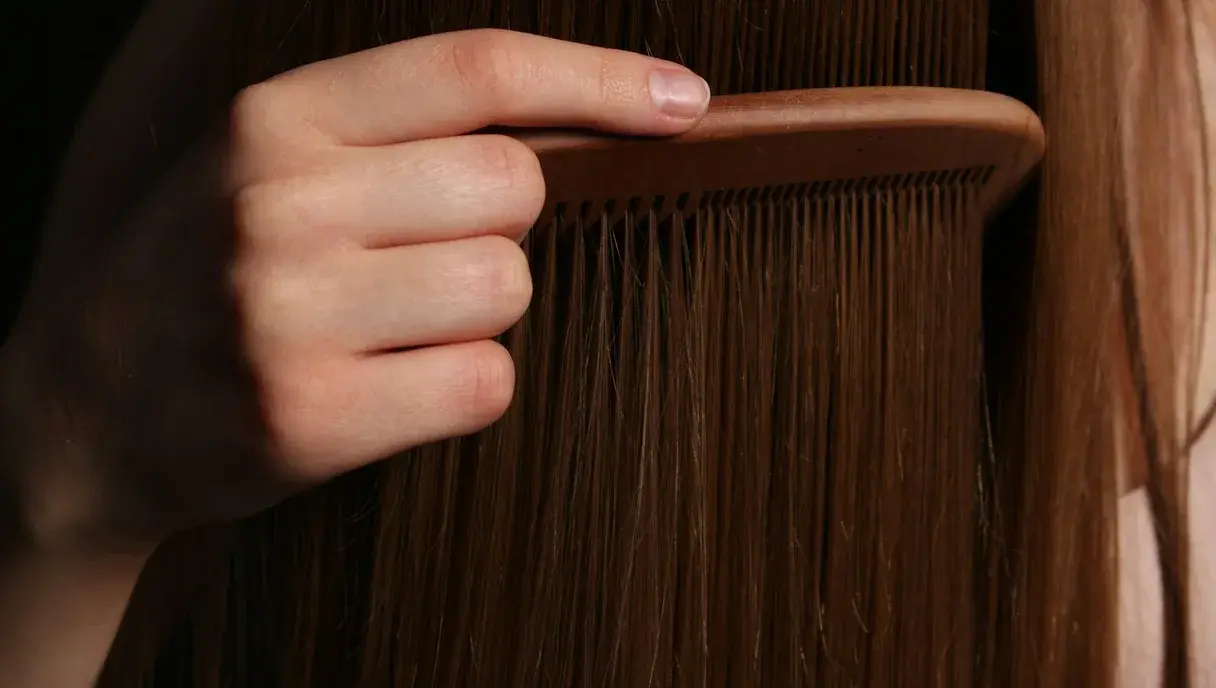
Did you know iron deficiency affects a large share of Pakistani women of reproductive age? Studies suggest it is the single biggest hidden driver of hair fall in women here. That matters, because most women reach straight for biotin for hair loss when the real culprit might be something else entirely.
Hair fall is one of the most searched health topics among Pakistani women, and biotin is almost always the first supplement that comes up. Walk into any pharmacy in Karachi, Lahore, or Islamabad. You will find a whole shelf dedicated to it.
So does biotin actually work? The honest answer is more nuanced than the marketing suggests. Biotin, also called Vitamin B7 or Vitamin H, is a genuinely important nutrient for hair. But it is not a cure-all. It works very differently depending on why your hair is falling out in the first place.
This guide covers what Pakistani women need to know: the science, the limits, the right dose, how to combine it with other nutrients, and how to tell if biotin is actually what you need.
Why Hair Loss Is So Common Among Pakistani Women
Before we get into biotin, it helps to understand why hair loss is so common here. The causes are often layered. And knowing your specific cause decides whether biotin will help at all.
The Most Common Causes of Hair Fall in Pakistani Women
Iron deficiency and anaemia: This is probably the number one driver of hair loss in Pakistani women. Iron deficiency affects a large share of women of reproductive age. The reasons are menstrual blood loss, low dietary iron, and poor absorption.
When ferritin (your stored iron) drops below around 30 ng/mL, hair follicles go dormant. Taking biotin without fixing low iron will do very little.
PCOS and hormonal imbalances: Polycystic ovary syndrome is very common in Pakistan. Estimates suggest it affects roughly 1 in 10 women of reproductive age, and possibly more.
PCOS raises androgens (male hormones). These shrink hair follicles and cause a pattern of thinning that biotin alone will not reverse. Women with PCOS-related hair loss need hormonal support alongside any supplements.
Thyroid problems: Both an underactive and an overactive thyroid can cause heavy shedding. Thyroid disorders are common in Pakistani women, and hair loss is often an early sign.
Do you also feel tired, cold, or notice weight changes and constipation? Get a thyroid panel done before spending money on biotin.
Post-pregnancy shedding: After childbirth, oestrogen drops sharply. Many hair follicles enter a resting phase at once. This leads to dramatic shedding around 3 to 6 months after delivery. It is temporary and self-resolving, though good nutrition (including biotin) can shorten the recovery.
Other nutrient gaps: Low zinc, Vitamin D, Vitamin B12, and Vitamin C all contribute to hair loss. All are common in Pakistan. True biotin deficiency, on its own, is actually quite rare.
Stress and lifestyle: Long-term stress raises cortisol, which can push follicles into a resting phase. Add poor sleep, a diet heavy in refined carbs and low in protein, and frequent heat styling. Together they create a perfect storm for hair fall.
What Is Biotin and What Does It Actually Do?
Biotin (Vitamin B7) is a water-soluble B vitamin. It acts as a helper for several key enzymes in your metabolism. These handle fat synthesis, amino acid processing, and glucose production.
It is essential for making keratin, the structural protein in your hair, skin, and nails.
Here is the key thing the marketing leaves out. Your body recycles biotin very efficiently, and true deficiency is uncommon if you eat a varied diet. Biotin is found in eggs (especially yolks), nuts, seeds, beans, whole grains, and organ meats. Eat a reasonably balanced diet and you are probably not deficient.
What the Research Actually Shows
The clinical evidence for biotin in hair loss is more limited than the marketing suggests. Here is an honest breakdown.
When you are genuinely deficient: Supplementation clearly helps. Shedding drops, regrowth happens, and brittle nails improve. This is well established. The real question is how many people seeking hair supplements are actually deficient.
When you are not deficient: The evidence is much weaker. A 2017 review in the journal Skin Appendage Disorders found only case reports and small studies. Most involved conditions linked to biotin deficiency, such as bowel disease, long-term antibiotics, or pregnancy. The review concluded the evidence for healthy people was insufficient.
Where biotin does show steady benefit: Brittle nails (onychoschizia) improve in several studies. So does hair strength in women with self-perceived thinning. One randomised controlled trial showed clear improvement at 90 and 180 days. Postpartum recovery also benefits when biotin is combined with other nutrients.
The practical takeaway for Pakistani women. Biotin is more likely to help if you have brittle nails alongside hair problems, if you are postpartum, if you have been on long-term antibiotics, or if your diet is very restricted.
It is less likely to be the main fix if your hair loss comes from low iron, PCOS, thyroid problems, or severe stress. Even then, it can still be a useful supporting nutrient.
Signs You Might Actually Be Biotin Deficient
Genuine biotin deficiency has a recognisable cluster of symptoms beyond hair loss. If several of these apply to you, biotin is well worth trying.
- Hair thinning AND brittle nails together, a stronger signal than either alone
- Seborrhoeic dermatitis, a scaly, red rash around the eyes, nose, and mouth
- Recurring conjunctivitis (red, irritated eyes) with no clear cause
- Neurological symptoms in severe cases, such as tingling in the hands and feet, low mood, fatigue
- Long-term antibiotic use, which disrupts the gut bacteria that help make biotin
- Regular raw egg whites, which contain avidin, a protein that blocks biotin absorption (cooking destroys it)
- Pregnancy or breastfeeding, when biotin demand rises sharply
- Inflammatory bowel disease, which impairs absorption of several B vitamins, including biotin
Biotin Dosage: How Much Do You Actually Need?
This is where many women get confused. Labels vary wildly, from 100 mcg to 10,000 mcg (10 mg) in a single capsule. Here is what you need to know.
Adequate Intake for adults: 30 mcg per day. This is the amount your body needs for normal function.
Therapeutic dose for hair and nails: Most studies that showed benefits used 2,500 mcg (2.5 mg) to 5,000 mcg (5 mg) daily.
About those 10,000 mcg products: There is no convincing evidence that 10 mg beats 2.5 to 5 mg. Biotin is water-soluble, so the excess leaves in your urine. But very high doses can interfere with some lab tests, especially thyroid and troponin (heart) tests. If you are getting bloodwork, tell your doctor you take high-dose biotin.
Practical advice: Start with 2,500 to 5,000 mcg daily. Take it consistently for at least 90 days before judging results. Hair grows slowly, so benefits rarely show before 3 months.
The Complete Hair Supplement Stack for Pakistani Women
Biotin works best as part of a broader plan for hair health. Here are the nutrients that show up again and again in the research, and that matter most given Pakistan's common deficiency patterns.
Iron + Vitamin C
As noted, iron deficiency is the most common cause of hair loss in Pakistani women. Suspect it if you feel tired, look pale, and have brittle nails alongside shedding. Get a ferritin test, not just a standard haemoglobin test, which can read normal even when ferritin is low. Aim for a ferritin level above 70 ng/mL for the best hair growth.
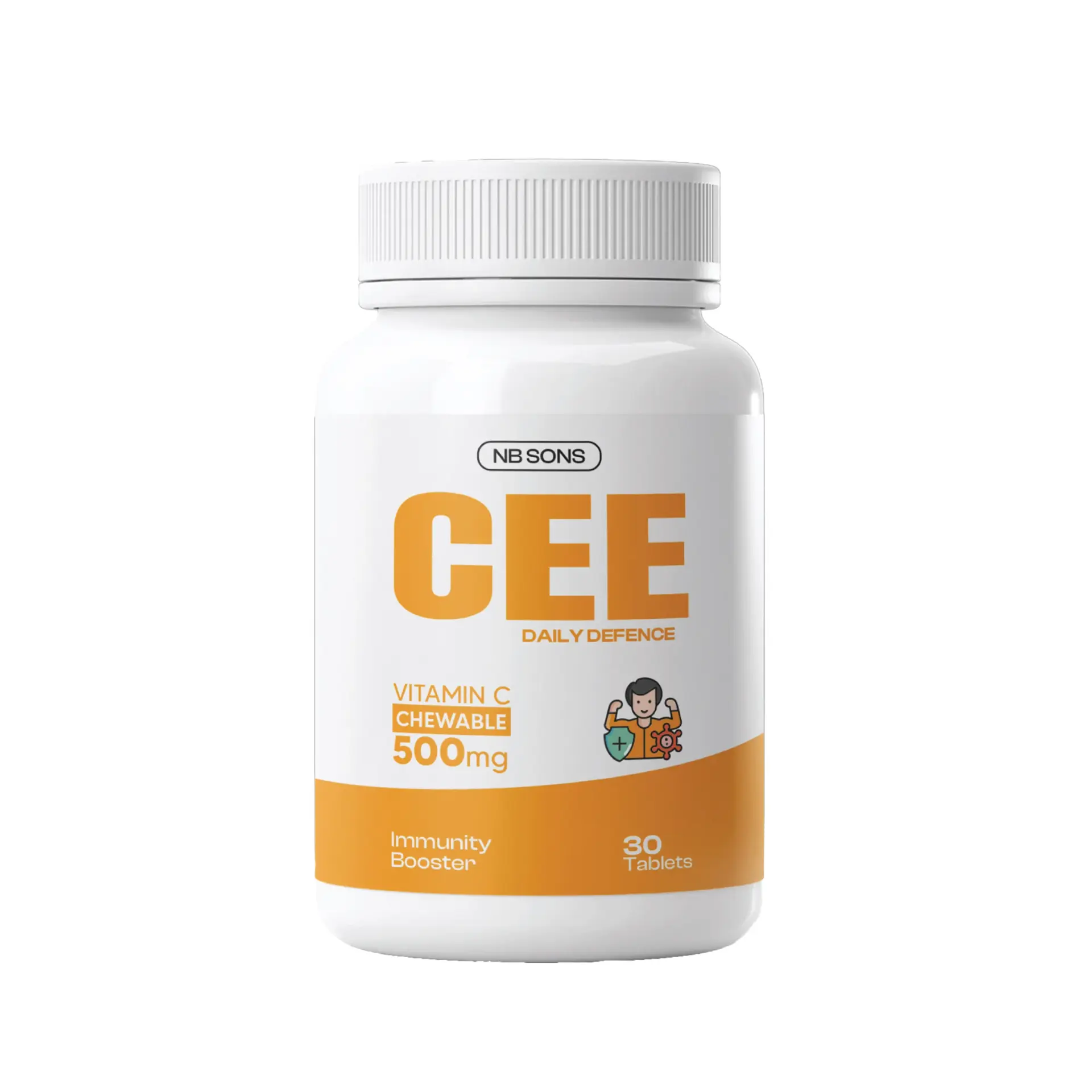
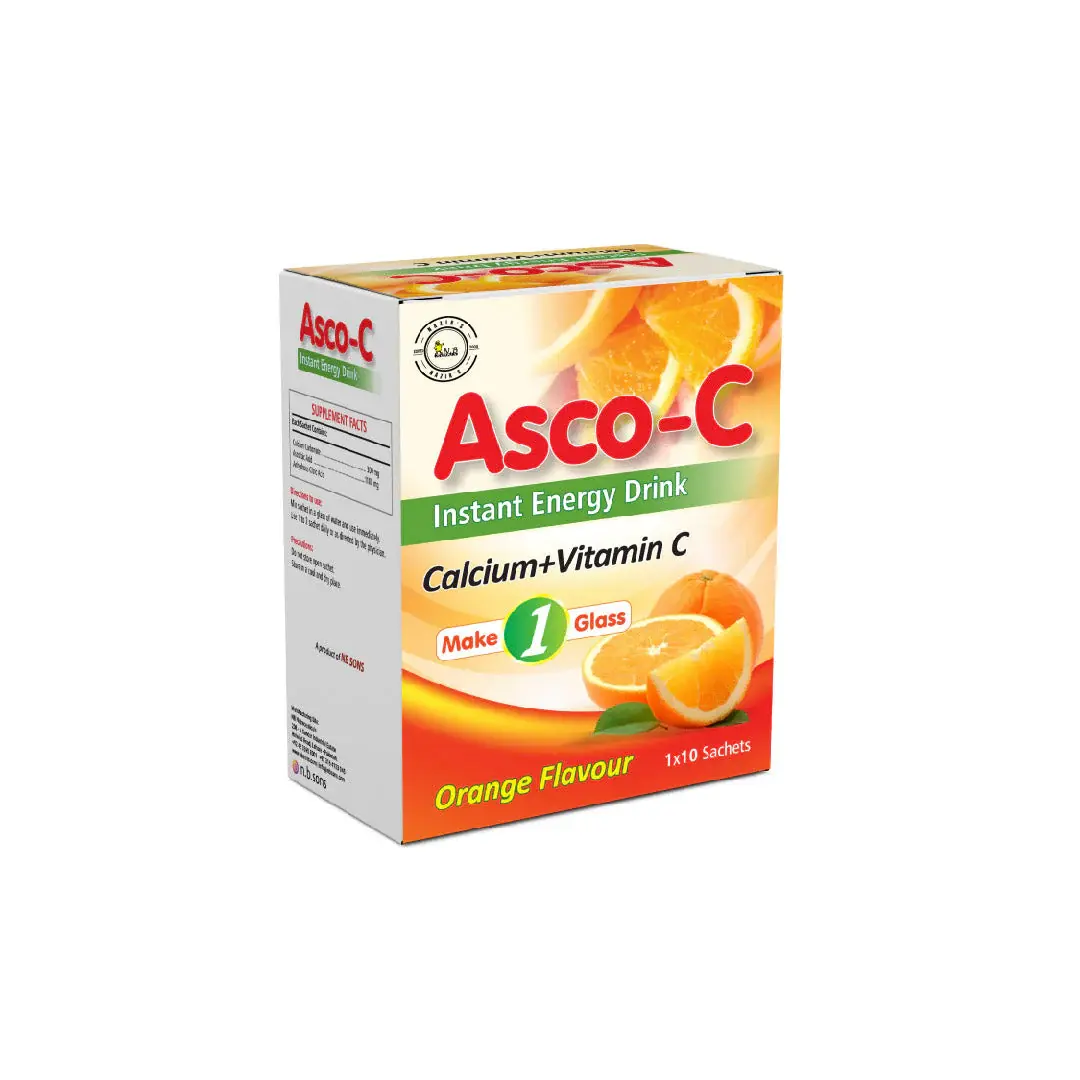
Vitamin C greatly improves iron absorption from plant foods. Taking a Vitamin C supplement like Cee (Vitamin C 500mg) or Asco C (effervescent Vitamin C) alongside iron-rich foods or an iron supplement can roughly double absorption. Vitamin C also helps hair directly, as it is needed for collagen, which forms the framework around hair follicles.
Vitamin D3
Vitamin D deficiency is near-universal in Pakistan despite all the sunshine. Most women cover up outdoors, and the local diet has few Vitamin D sources. Hair follicle cells carry Vitamin D receptors, and low levels are linked to patchy hair loss and diffuse shedding.
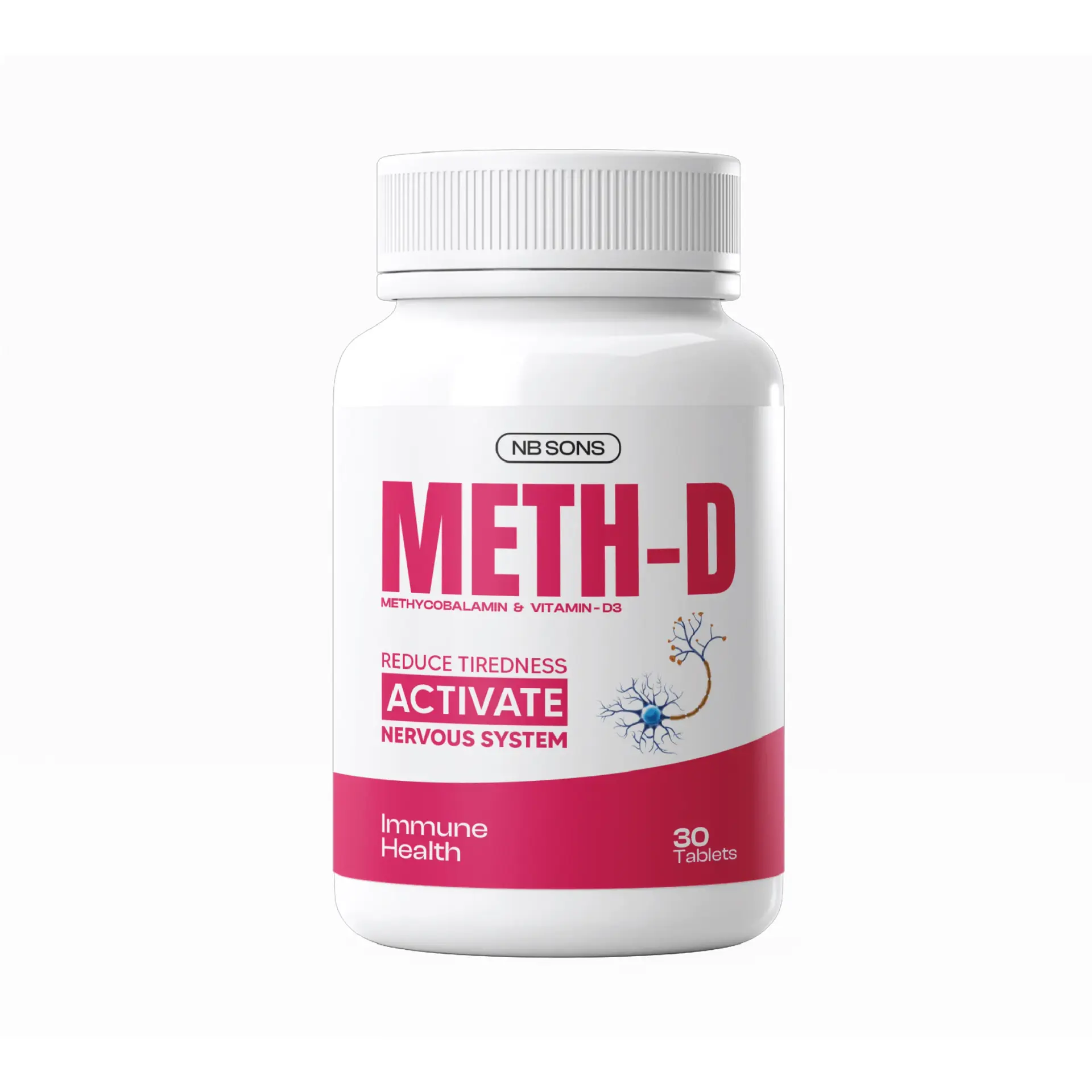
Products like Meth D (Vitamin D3 + B12) and Vit KD (Vitamin D3 10,000 IU + K2) tackle this directly. A simple 25-OH Vitamin D blood test can guide your dose.
Zinc
Zinc is essential for follicle repair and DNA synthesis. A shortage causes a distinctive pattern, diffuse thinning with some scalp inflammation, and it is more common here than people realise. Zinc is found in red meat, shellfish, and seeds. Plant sources are less well absorbed, so women on mostly vegetarian diets are at higher risk.
Vitamin B12
Vitamin B12 deficiency is very common in Pakistan, especially in women who eat little meat or dairy. B12 is needed to make red blood cells. A shortage causes a type of anaemia that cuts oxygen to the follicles, triggering shedding. Combined products like Meth D cover this alongside Vitamin D in one supplement.
Protein
Hair is made of keratin, a protein. If you do not eat enough, hair growth is directly limited. This is common among Pakistani women, who often eat smaller portions of meat and rely on carb-heavy staples.
No amount of biotin can make up for too little protein. Aim for 1.0 to 1.2 grams of protein per kilogram of body weight daily.
How to Get a Proper Diagnosis Before Spending on Supplements
Before buying anything, consider a basic blood panel. The tests below are available at most labs in Pakistan for around Rs. 3,000 to 5,000 in total. They will catch the most common treatable causes of hair loss.
- Complete Blood Count (CBC), screens for anaemia
- Serum Ferritin, the key iron storage test (not just haemoglobin)
- TSH (Thyroid Stimulating Hormone), screens for thyroid problems
- 25-OH Vitamin D, checks your Vitamin D status
- Serum B12, especially important if you eat little meat or dairy
- Fasting glucose + insulin, screens for the insulin resistance linked to PCOS
If all of these come back normal and you still have heavy hair loss, a targeted biotin supplement with a broader hair formula makes sense as a next step. If any are abnormal, fix that deficiency directly, and let biotin support the treatment.
Biotin Supplements Available in Pakistan: What to Look For
The Pakistani market is flooded with biotin options. There are imported US and UK brands, locally made products, and everything in between. Here is what to look for.
- Dose: Look for 2,500 to 5,000 mcg per capsule. Avoid 10,000 mcg products unless your doctor specifically recommends that dose.
- Form: D-Biotin is the active form. Check the product uses it, not a synthetic mixture.
- Combination formulas: Products that pair biotin with zinc, Vitamin C, and other hair nutrients give better value and broader coverage than biotin alone.
- DRAP registration: Look for Drug Regulatory Authority of Pakistan registration on local products. It gives a baseline of quality assurance that import brands may lack.
- Price context: Genuine 5,000 mcg biotin should cost roughly Rs. 800 to 2,000 a month. Suspiciously cheap products may absorb poorly or be mislabelled.
What we stock is Nature's Bounty Biotin 10,000 mcg (Rs 5,100), and it is worth being clear about what that is. At 10,000 mcg it sits well above the 2,500 to 5,000 mcg used in most studies, so, as the checklist above says, take it only if your doctor agrees to that dose. It is a gelatin softgel, which matters if you check the source of gelatin.
High-dose biotin can also throw off blood tests, including thyroid and troponin results. Tell your doctor you take it, and stop it before bloodwork as the FAQ below explains.
Lifestyle Changes That Amplify Biotin’s Effects
Supplements work best alongside habits that support hair from several angles. For Pakistani women specifically, here is what helps most.
Diet Adjustments
Eat more biotin-rich foods alongside your supplement. Good choices are egg yolks (cooking makes the biotin fully available), almonds, walnuts, sunflower seeds, sweet potato, and salmon. Also prioritise iron-rich foods, such as red meat 2 to 3 times a week, paired with Vitamin C foods at the same meal to boost absorption.
Scalp Care
The scalp is skin, and it needs circulation. A weekly gentle scalp massage (5 minutes with your fingertips, not nails) has been shown in small studies to increase hair thickness. Use a mild, sulphate-free shampoo. Harsh ones strip natural oils and can worsen the scalp inflammation that harms follicles.
Reduce Heat and Mechanical Stress
Heavy heat styling, tight hairstyles, and rough towel-drying are big causes of breakage in Pakistani women. Breakage is often mistaken for true hair loss. The difference is shedding from the root versus snapping along the strand.
Let your hair air-dry when you can. Use heat protectant when styling, and choose loose hairstyles at home.
Stress Management
Long-term stress is genuinely destructive to hair, because cortisol directly slows follicle growth. For Pakistani women juggling home, children, and often careers at once, the stress load can be very high.
Products like Calco Fit (magnesium glycinate) can support stress resilience. Stress depletes magnesium, and low magnesium worsens cortisol problems, creating a cycle worth breaking.
How Long Before You See Results?
This is the question every woman asks. The honest answer needs a quick look at how hair growth works.
Human hair grows in cycles. Each follicle moves through three phases on its own: anagen (active growth, lasting 2 to 7 years), catagen (a short transition of 2 to 3 weeks), and telogen (resting and shedding, about 3 months). At any moment, around 85% of your follicles are growing and 15% are resting. In stress-induced shedding, far more follicles than usual shift into the resting phase at once.
So here is what to expect from supplementation.
- Weeks 1 to 4: Shedding may slow, often the first visible sign of progress
- Months 2 to 3: New growth appears, with short, fine "baby hairs" at the hairline and part
- Months 4 to 6: Meaningful regrowth shows, and existing hair feels stronger and breaks less
- 6 to 12 months: Full assessment, with density and length improving steadily
Anyone promising visible results in 2 to 4 weeks is misleading you. Be patient, be consistent, and set a realistic 6-month timeline.
The Bottom Line: Is Biotin Worth It for Pakistani Women?
Yes, with the right expectations. Biotin is safe, affordable, and genuinely useful for hair health. It works best when:
- You have brittle nails alongside hair loss (a stronger sign of true biotin shortage)
- You are postpartum or breastfeeding
- You have been on antibiotics for a long time
- Your diet is restricted or unbalanced
- You use it within a broader plan that also covers iron, Vitamin D, zinc, and B12
It is less likely to be the main fix if low iron, PCOS, thyroid problems, or chronic stress are driving your hair fall. In those cases, treat the root cause first and let biotin play a supporting role.
The single best thing you can do is approach hair loss systematically. Get a blood test, find your specific gaps, and build a stack around your real needs. A combination of Vitamin C, Vitamin D3 + B12, zinc, and biotin, plus enough protein and a calmer lifestyle, gives you the best foundation for strong, healthy hair.
Hair fall is frustrating, but it is rarely permanent once you address it properly. Give your body what it actually needs, and give it enough time to respond.
This article was written and medically reviewed to our medical review board standards and is for general guidance, not personal medical advice. Always speak to a doctor or pharmacist about your own situation.
Biotin works from the inside. For the topical half of the same problem, the hair growth and hair fall shelf has minoxidil, the multi-peptide density serum and the scalp oils.
Shop All Supplements →Frequently asked questions
Can I take biotin during pregnancy?
Biotin needs rise during pregnancy and breastfeeding. Many prenatal supplements, including those Pakistani gynaecologists recommend, already contain biotin at sensible doses. If you take a complete prenatal like Repro F, check whether it already has biotin before adding more. Always consult your doctor about supplements in pregnancy.
Does biotin cause acne?
Some women report breakouts when starting biotin, especially at high doses (5,000 to 10,000 mcg). The likely reason is that high-dose biotin competes with Vitamin B5 for absorption, and low B5 can weaken the skin barrier. If you break out, try cutting back to 2,500 mcg, or make sure your diet has enough B5 (found in avocado, mushrooms, eggs, and sweet potato).
Can men also take biotin for hair loss?
Yes, but male pattern hair loss is mainly driven by DHT sensitivity in the follicles, and biotin does not affect DHT. Men with male pattern baldness need DHT blockers, such as finasteride from a doctor or saw palmetto as a supplement, rather than biotin. Biotin can still support overall hair quality and help with diffuse, non-androgenic shedding.
How much does biotin cost in Pakistan?
Locally made biotin usually costs Rs. 800 to 1,500 a month. Imported brands (Nutrifactor, OAD, and US or UK brands at medical stores) range from Rs. 1,500 to 4,000 a month. Combination hair formulas (biotin plus zinc plus Vitamin C) may cost a little more, but they give broader coverage.
Should I stop taking biotin before a blood test?
Yes. If you are getting thyroid tests (TSH, T3, T4), troponin (heart), or certain other hormone tests, stop biotin for at least 48 to 72 hours beforehand. High biotin in the blood can cause falsely abnormal results on some tests, which may lead to needless follow-up or a wrong diagnosis.
Liked this one? Get the next in your inbox.
One fortnightly note from the editors, new pieces, restocks, and the routines we're actually using. Unsubscribe any time.