Hair Conditioner in Pakistan: How to Use It Right, Best Picks and Real Prices
What conditioner actually does, how to apply it so it works, which type suits your hair, and what conditioners really cost in Pakistan right now.
Ask ten women in Pakistan about their hair routine and most will name a shampoo, an oil, maybe a serum. Conditioner is the step that gets skipped, borrowed from a sister once a month, or used so badly it gets blamed for hair fall and quietly abandoned. That is a shame, because for dryness and frizz (rukhe baal), a Rs 500 conditioner used correctly does more than a Rs 5,000 serum used on top of thirsty hair. This guide covers what conditioner actually does, how to use it so it works, which type suits your hair, and what conditioners cost in Pakistan, from the Rs 409 pharmacy shelf to the Rs 9,000-plus salon bottle (prices surveyed at Pakistani retailers in August 2026).
Shop the picks in this guide (7)
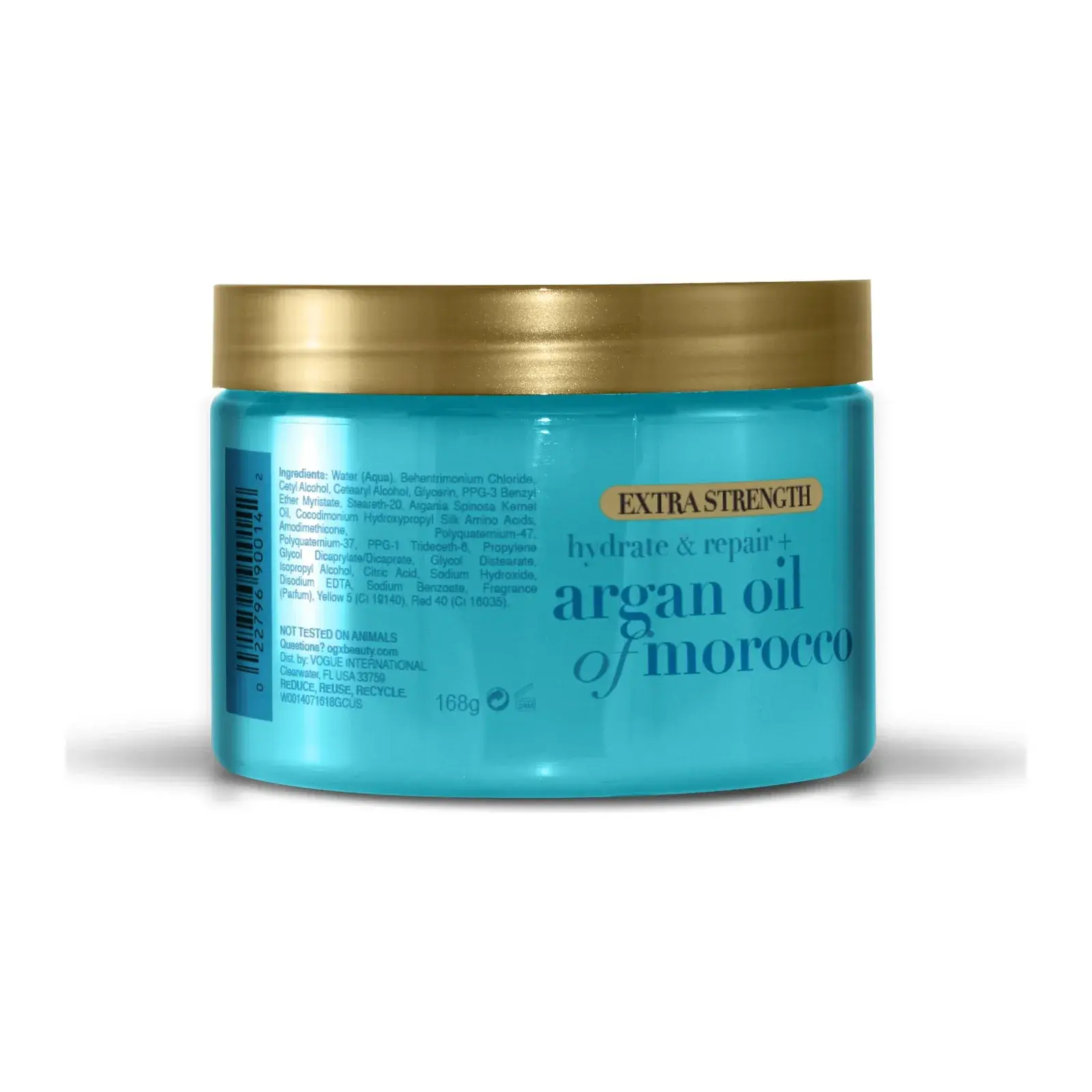
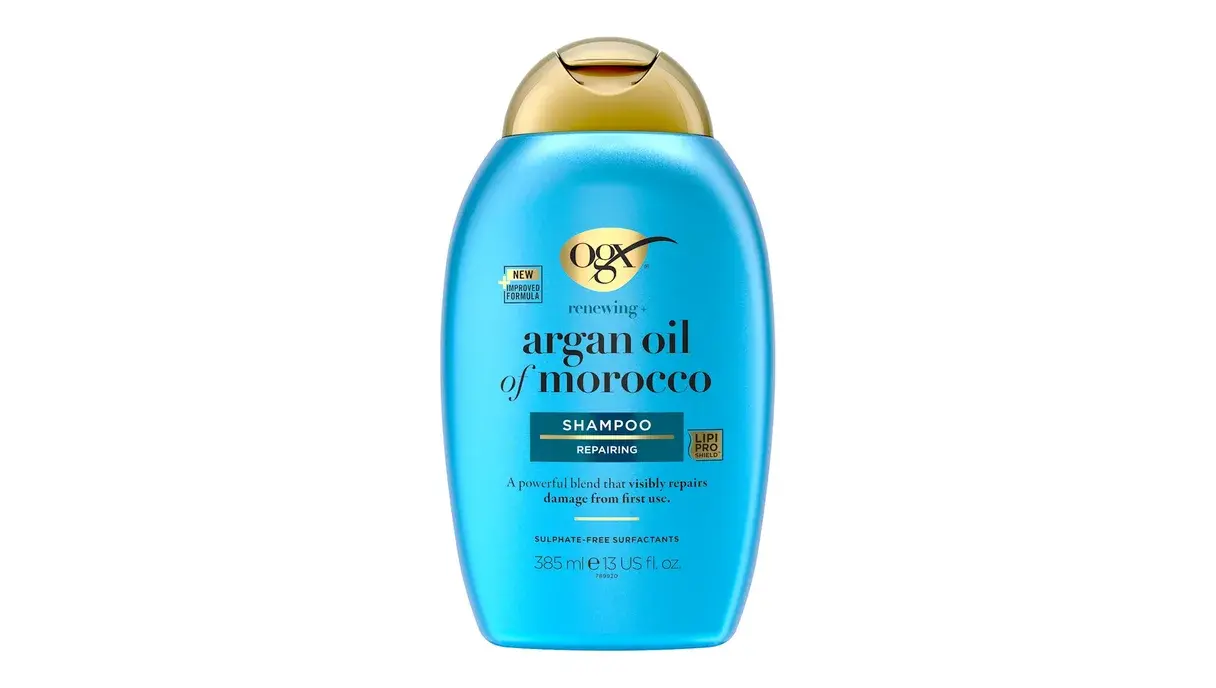
- OGX Hydrate & Repair+ Argan Oil of Morocco Hair Mask 168g, Rs 2,600, the weekly deep conditioner for dry, coloured or chemically treated hair
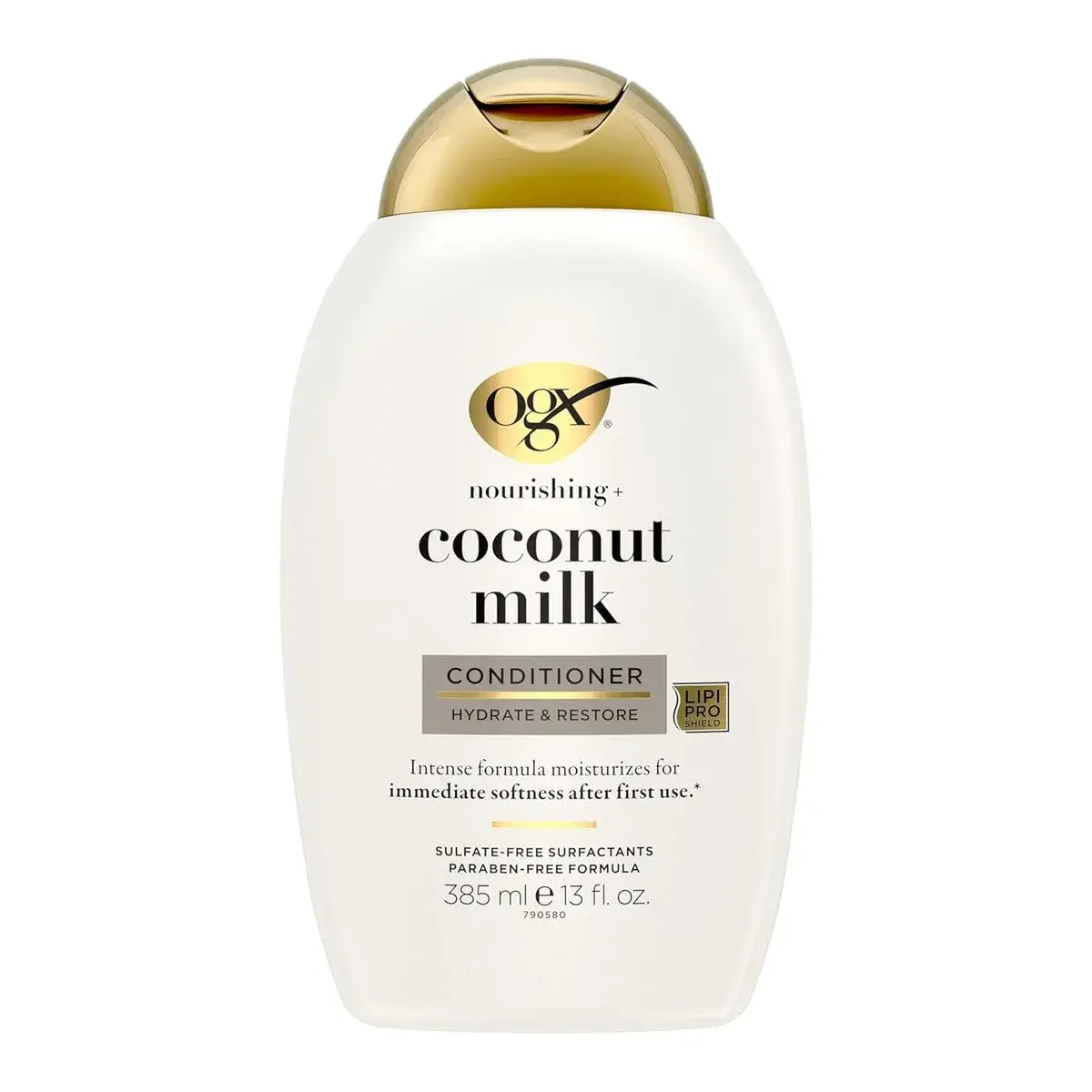
- OGX Coconut Milk Conditioner 385ml, Rs 2,999, a rich rinse-off for thick, dry, coarse or curly hair
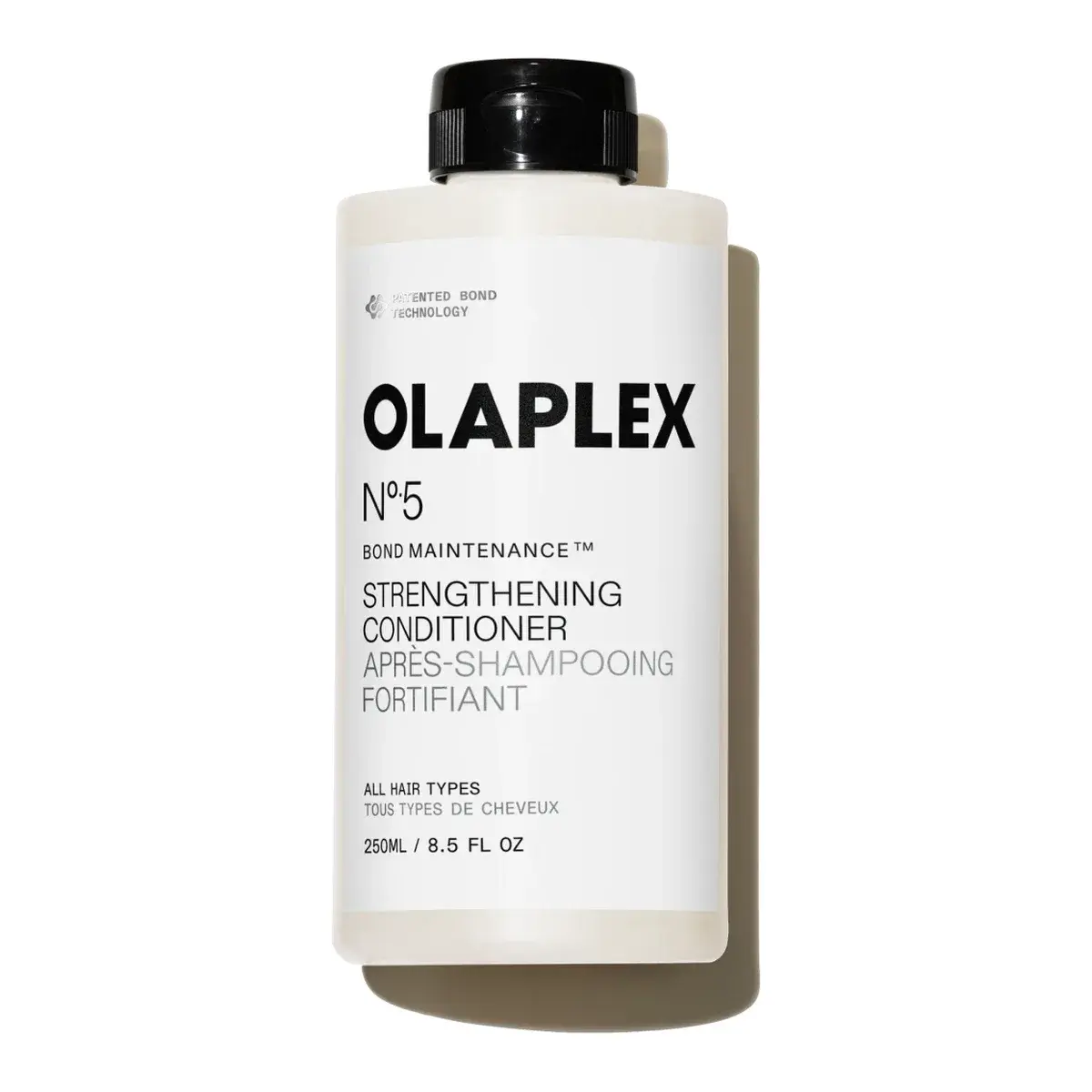
- Olaplex No.5 Bond Maintenance Conditioner 250ml, Rs 11,950, for bleached, coloured or rebonded hair
- K18 Leave-In Molecular Repair Hair Mask 50ml, Rs 20,950, a four-minute, no-rinse repair step used after shampoo instead of conditioner
- Hemani Castor Oil 30ml, Rs 610, a dense pre-wash oil for brittle lengths and very dry ends
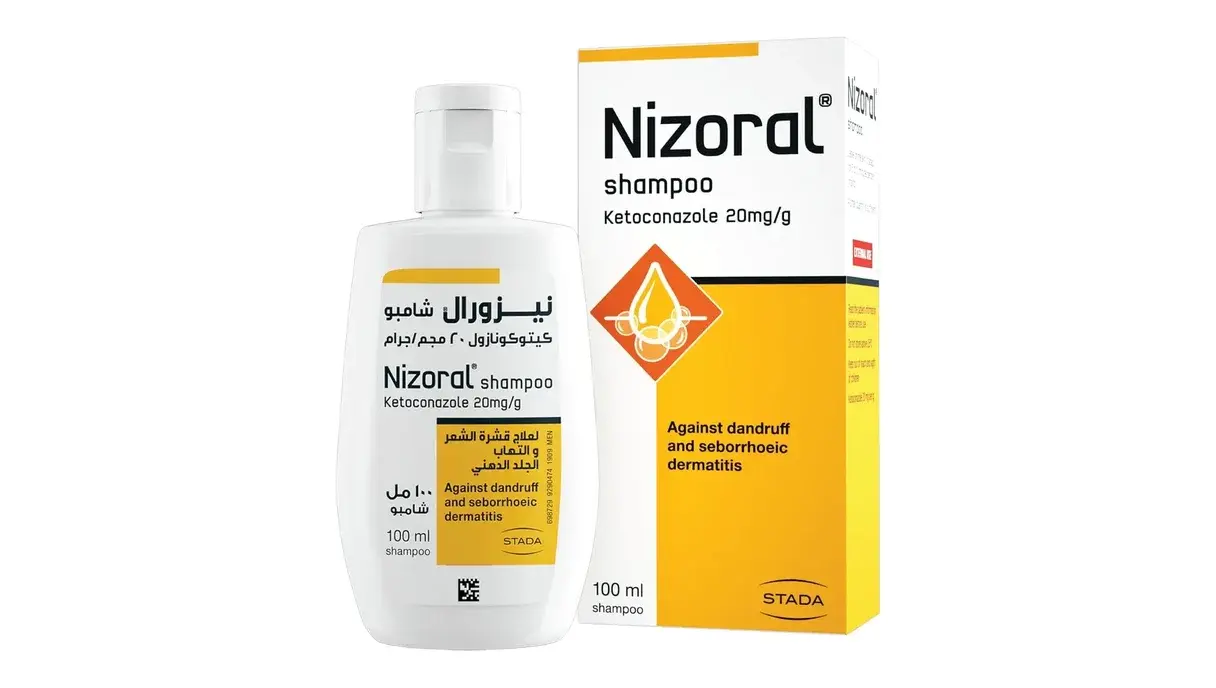
- CeraVe Anti-Dandruff Hydrating Shampoo 355ml, Rs 6,500, for a flaky scalp, with conditioner kept to the lengths
- Nutrifactor Dermazon skin, hair and nails multivitamin, Rs 1,250, if the shedding is coming from a nutritional gap rather than your shower
What conditioner actually does
Shampoo and conditioner are opposites. Shampoo is a detergent: it lifts oil, dust and product residue off your scalp, and in doing so it also strips the natural oils that coat each strand. Conditioner puts a replacement coating back. Its ingredients (cationic conditioning agents, fatty alcohols, silicones and oils) bind to the hair shaft, smooth down the raised cuticle, and leave a thin film that reduces friction.
That film is the whole magic. Smoothed cuticles reflect light, which reads as shine. Less friction means less tangling, which means less snapping when you comb. The coating also slows water loss from the strand, which matters more in Pakistan than in the countries most hair advice is written for: between summer loo winds, air conditioning, hard water in most cities and sun exposure, hair here loses moisture fast. Conditioner does not "nourish roots" and it cannot repair a split end. It makes the hair you already have smoother and harder to break. That is all, and that is plenty.
How to use it right (this is where most people go wrong)
Almost every complaint about conditioner, from limp hair to an oily scalp to "it gave me dandruff", comes from applying it like shampoo. It is not shampoo. Use it like this:
- Shampoo first, then squeeze. After rinsing out shampoo, squeeze the length of your hair with your hands. Dripping-wet hair is coated in water, and conditioner slides off it instead of binding. Damp, not dripping.
- Mid-length to ends only. Start from ear level and work down. The oldest, driest hair is at the ends; the scalp already makes its own oil. Conditioner on the scalp is what makes hair go flat and greasy by evening.
- Give it two to three minutes. Apply it at the start of the rest of your shower, not the end. Thirty seconds is a rinse, not a treatment.
- Comb it through. Fingers or a wide-tooth comb spread the product evenly and detangle while the hair is slippery, which is the safest time to detangle.
- Rinse with cool or normal water. Very hot water lifts the cuticle you just smoothed. It does not need to be ice cold, just not steaming.
How much? A one-rupee-coin sized amount for shoulder-length hair, double for long or very thick hair. If your hair feels coated and heavy afterwards, you used too much or put it too close to the roots, not the wrong product.
Rinse-off, leave-in or hair mask: which one do you need?
The word "conditioner" covers three different products, and knowing which is which saves money.
Rinse-off conditioner is the standard bottle you use after every shampoo. This is the non-negotiable one. If you buy only one product from this article, buy this.
Leave-in conditioner goes on towel-dried hair after the shower and stays there. It is lighter, and it is the right tool for frizz control through the day, for curly and wavy hair that needs moisture between washes, and for anyone who heat-styles. In Pakistan leave-ins are sold as sprays and creams; they overlap heavily with what is marketed as hair serum. If you already use a serum, you do not need a leave-in as well. Our hair serum guide explains that overlap and when each makes sense.
Hair mask (deep conditioner) is a thicker version used once or twice a week for 10 to 20 minutes. Masks make a visible difference on chemically treated, bleached, keratin-straightened or very dry hair. On healthy hair they are a nice extra, not a need. A solid mid-range option available with cash on delivery is the OGX Hydrate & Repair+ Argan Oil of Morocco Hair Mask, a 168g jar with argan oil and silk proteins at Rs 2,600, used in place of your regular conditioner once a week.
One thing conditioner is not: oil. Oiling before a wash is a fine Pakistani tradition, and coconut oil in particular has been shown to reduce protein loss when left on the hair before shampooing. Heavier oils such as castor coat the strand and slow water loss, which is why they suit brittle lengths and very dry ends. But oil applied before shampoo cannot replace the coating conditioner leaves after shampoo. They do different jobs at different steps. If you love oiling, keep it, and still condition afterwards.
How to choose by hair type
Oily scalp, normal ends: you still need conditioner, just a lightweight one, applied strictly from mid-length down. Look for "volumizing" or "daily" formulas. Skip heavy masks.
Dry, frizzy or rough hair: this is most of Pakistan, especially where water is hard. Look for richer formulas with argan oil, shea butter or hyaluronic acid, and add a weekly mask. TRESemmé Botanique, Dove Intense Repair and L'Oréal Elvive Total Repair 5 all sit in this lane at drugstore prices. If your hair is thick or coarse as well, we stock the OGX Coconut Milk Conditioner (Rs 2,999), made for thick, dry and curly hair.
Coloured or bleached hair: colour-protect conditioners are slightly acidic and gentler on dye. Bleached hair also benefits from bond-repair formulas (TRESemmé Bond Plex was around Rs 500 at Pakistani retailers in August 2026, Olaplex No.5 many times that; start cheap and see if you need more).
If you do need more, we stock Olaplex No.5 Bond Maintenance Conditioner (Rs 11,950), made to follow the sulphate-free No.4 shampoo. On repair days, the K18 Leave-In Molecular Repair Hair Mask (Rs 20,950) takes the conditioner's place. After shampoo, towel-dry, work it through the lengths and leave it for four minutes, then style as usual without rinsing. It is aimed at bleach, colour and heat damage.
Keratin-treated or rebonded hair: your salon told you to avoid sulphates; the matching rule is to use a smoothing or keratin-line conditioner every single wash, since treated hair is more porous and dries out faster. Our guide to choosing a shampoo in Pakistan covers the sulphate question properly.
Curly and wavy hair: conditioner is your main product, not an extra. Condition generously every wash, detangle only with conditioner in, and use a leave-in on top. Many curly-haired women here do well washing with conditioner alone (co-washing) between shampoo days.
Men: everything above applies. Short hair needs a pea-sized amount, and men who use anti-dandruff shampoo daily will notice the biggest difference, because those shampoos are the most drying kind.
What conditioners cost in Pakistan (2026)
Every price below except the rows marked "we stock this" was checked at Pakistani retailers in August 2026; those rows are our own live prices. Expect small differences between stores, and note that sale prices change weekly.
| Conditioner | Size | Price range (PKR) | Best for |
|---|---|---|---|
| Pantene Anti Hair Fall | 180ml | Rs 409 | Everyday use, breakage-prone hair |
| Sunsilk Lusciously Thick & Long | 180ml | Rs 450 to 530 | Budget everyday use |
| TRESemmé Keratin Smooth & Straight | 160ml | Rs 493 to 560 | Frizz, straightened hair |
| L'Oréal Elvive Total Repair 5 | 175ml | Rs 495 to 550 | Dry, damaged hair |
| Dove Intense Repair | 180ml | Rs 510 to 600 | Dry, rough hair |
| TRESemmé Botanique Nourish | 360ml | Rs 836 to 950 | Value for long hair |
| Bioblas Collagen & Keratin | 250ml | Rs 2,100 to 2,800 | Chemically treated hair |
| OGX Argan Oil of Morocco Hair Mask (we stock this) | 168g | Rs 2,600 | Weekly deep conditioning |
| OGX Coconut Milk Conditioner (we stock this) | 385ml | Rs 2,999 | Thick, dry, coarse or curly hair |
| CoNatural Rosemary & Onion | Standard | Rs 1,879 to 2,185 | Local organic option |
| CeraVe Gentle Hydrating | 266ml | Rs 6,200 to 8,267 | Sensitive scalp, imported |
| Olaplex No.5 Bond Maintenance (we stock this) | 250ml | Rs 11,950 | Bleached, heavily damaged hair |
An honest note on that table: for most people the Rs 400 to 600 row is enough. The jump from a Rs 500 conditioner to a Rs 2,500 one buys nicer ingredients and fragrance, not five times the result. The expensive tier earns its price mainly for bleached or heavily processed hair. Sachets sold at kiryana stores are the same formula as the bottles and are a cheap way to test whether a formula suits you before committing.
Does conditioner cause hair fall?
This is the fear that keeps half the country away from conditioner, so let us deal with it directly. The hair you see in the drain after conditioning was already shed; the average person loses 50 to 100 hairs a day, and slippery conditioned hair releases those loose strands all at once instead of letting them tangle into the lengths. Conditioner sits on the hair shaft and does not reach the follicle where hair growth happens.
Real hair fall has real causes: iron deficiency, thyroid problems, crash dieting, stress, and post-pregnancy shedding are the common ones here, and none of them is fixed or caused by anything in your shower. If you suspect a nutritional gap behind genuine shedding, the free supplement quiz takes two minutes, and a beauty multivitamin like Nutrifactor Dermazon supports hair, skin and nails while you sort the cause out. Persistent or patchy shedding is worth a doctor's visit and a blood test, not a new bottle.
What conditioner can do, if you apply it to the scalp, is leave residue that shows up as greasiness or flaking. That is a usage problem, not a hair fall problem, and the fix is in the how-to section above.
Frequently asked questions
Is conditioner necessary after every shampoo?
Yes, for almost everyone. Every shampoo strips the hair's protective oils, and conditioner replaces them. The only people who can regularly skip it are those with very short hair or a very oily scalp with strong, healthy strands. If your hair tangles, frizzes or feels rough after washing, the missing step is conditioner.
What is the price of conditioner in Pakistan?
Checked at Pakistani retailers in August 2026, drugstore conditioners like Sunsilk, Pantene, Dove, TRESemmé and L'Oréal Elvive cost between Rs 409 and Rs 600 for a 160 to 180ml bottle. Dove Intense Repair 180ml sold for around Rs 510 to Rs 600 depending on the retailer and sales. Premium and imported options run from about Rs 1,900 to over Rs 12,000. Sale prices move week to week, so treat these as a guide rather than a quote.
Can I use conditioner without shampooing first?
Yes. Washing with conditioner alone is called co-washing, and it works well for curly, wavy and very dry hair that gets stripped by frequent shampooing. Massage a generous amount through the scalp and lengths, leave it two minutes, and rinse thoroughly. Most co-washers still shampoo once or twice a week to clear buildup.
What is the difference between leave-in conditioner and regular conditioner?
Regular conditioner is rinsed out in the shower and does the heavy lifting of smoothing and detangling. Leave-in conditioner is a lighter cream or spray applied to towel-dried hair and left there to control frizz and protect through the day. Leave-in is an addition, not a replacement: if you only use one, use the rinse-off kind.
Does conditioner cause dandruff?
Conditioner applied to the scalp can leave residue that flakes and can feed the fungus involved in dandruff. Applied correctly, from mid-length to ends, it does not touch the scalp and cannot cause dandruff. If you already have dandruff, keep an anti-dandruff shampoo such as CeraVe Anti-Dandruff Hydrating for the scalp and a regular conditioner for the lengths; the two do not interfere with each other.
Should men use hair conditioner?
Yes. Conditioner is not a gendered product, and men who shampoo daily, especially with anti-dandruff formulas, are stripping their hair more than anyone. A pea-sized amount on the top lengths two or three times a week makes short hair noticeably softer and easier to style.
This article is for education and does not replace medical advice. Speak to a doctor or pharmacist about your own situation.
Sort the basics first: a rinse-off conditioner after every wash, from mid-length to ends. If your hair is dry, coloured or chemically treated, add the OGX Argan Oil of Morocco hair mask once a week, and browse every shampoo and conditioner we carry, or the rest of the hair care range for scalp oils and treatments. Cash on delivery across Pakistan, free delivery over Rs 5,000 in Punjab.
Liked this one? Get the next in your inbox.
One fortnightly note from the editors, new pieces, restocks, and the routines we're actually using. Unsubscribe any time.