Hair Serum Guide for Pakistan: What It Does, Serum vs Oil & How to Apply (2026)
Hair serum in Pakistan: what it really does for frizz and shine, how it differs from hair oil, how to apply it, and what to use alongside it.
Hair serum is one of the most searched hair products in Pakistan, and one of the most misunderstood. People buy it expecting it to grow hair, stop hair fall or repair damage, and a serum does none of those things. What it does, and does well, is make the hair you already have look smoother and shinier, keep frizz down through a humid afternoon, and add a layer of protection before you pick up a straightener. This guide explains what a hair serum actually is, how it differs from a hair oil, which ingredients on the label matter, the right way to apply it, and how to choose one for your hair type, including the oils and masks stocked at Yellow Pink that handle the treatment side of a hair routine.
Shop the picks in this guide
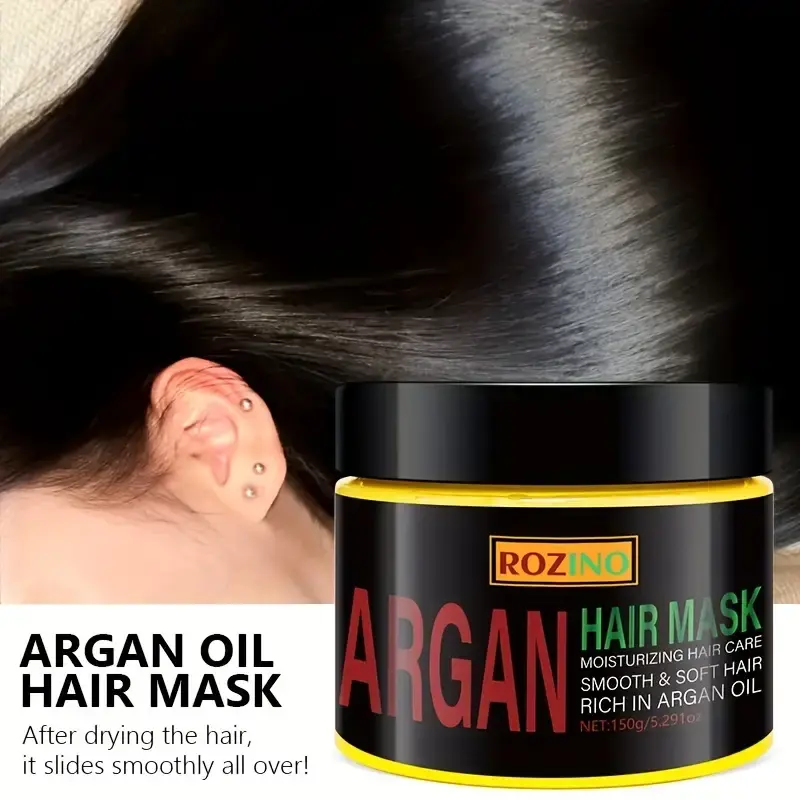
- OGX Hydrate & Repair+ Argan Oil of Morocco Hair Mask 168g, Rs 2,230, the weekly deep conditioner for dry, frizz-prone lengths
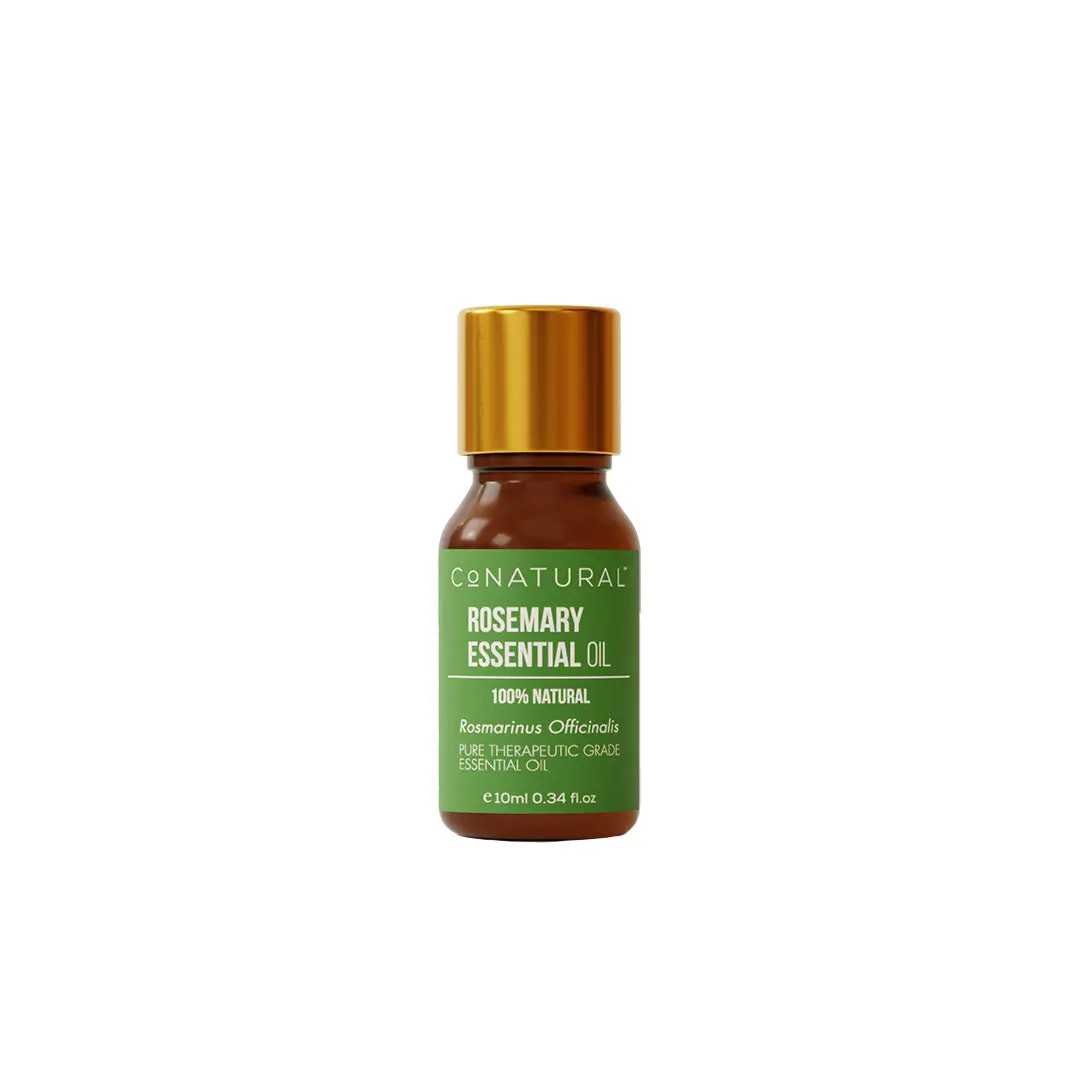
- Conatural Rosemary Essential Oil 10ml, Rs 1,150, for the scalp, diluted, when shedding is the real complaint
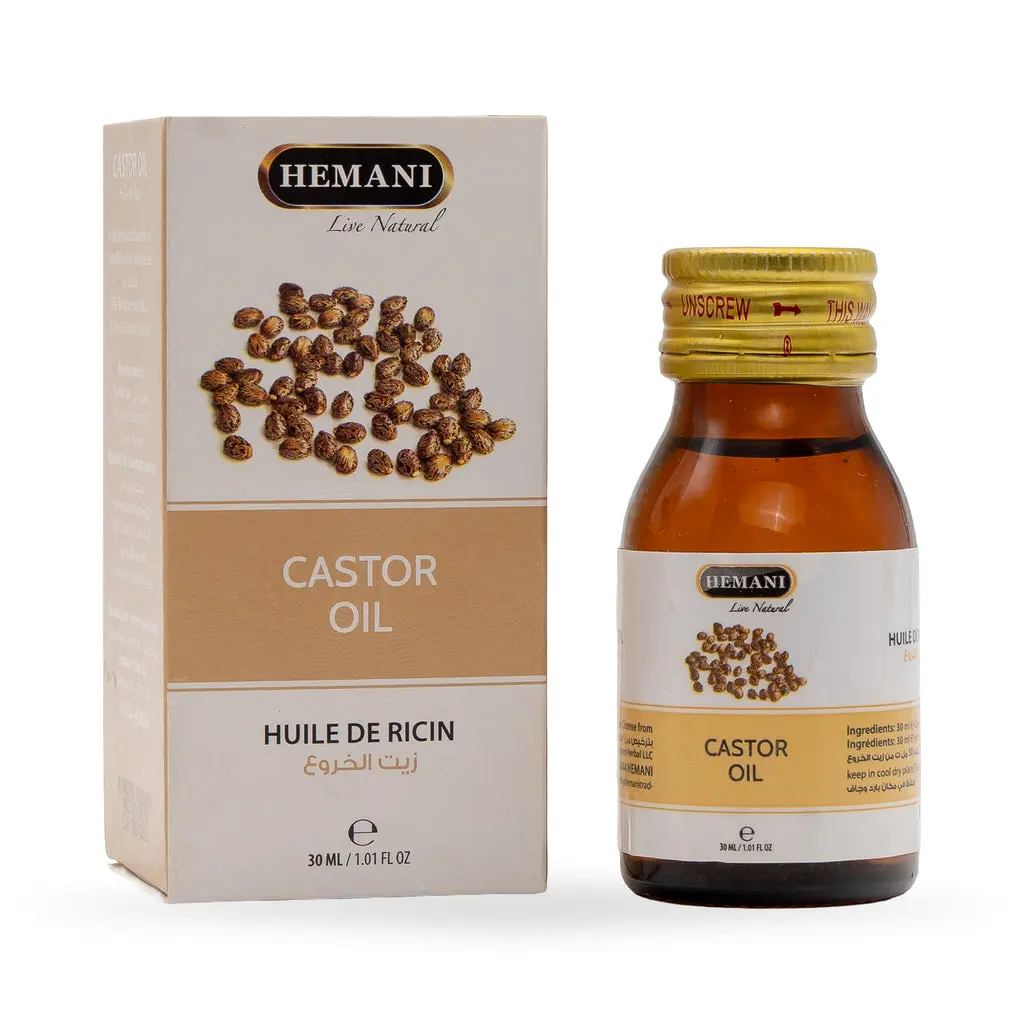
- Hemani Castor Oil 30ml, Rs 610, a thick pre-wash oil for dry ends
- Saeed Ghani Hair Growth Water 120ml, Rs 380, a light scalp tonic for oiling routines without the greasy film
What a hair serum actually does
A hair serum is a leave-in finishing product, usually based on silicones, that coats the outside of each strand with a very thin film. The film smooths down the raised cuticle so light reflects evenly off the hair, which your eye reads as shine. The same film blocks moisture in the air from swelling the hair shaft, and swelling is exactly what frizz is. That is why a serum controls frizz in Karachi humidity better than almost anything else you can buy.
The coating also cuts friction. Hair that slips past itself tangles less and snaps less when you brush it, so over weeks a serum can indirectly reduce breakage, the kind of hair fall where strands break mid-length rather than shedding from the root. And because silicones transfer heat slowly, a serum applied before blow drying or ironing takes some of the sting out of heat styling.
The key word in all of this is coating. Hair past the root is dead keratin. Nothing you put on the length can feed it or bring it back to life. A serum works the way a good press works on a shirt: real, visible and temporary. It lasts until the next wash, then you apply it again.
What a serum will not do
- Grow hair or stop shedding from the root. Growth happens at the follicle, under the skin, and a coating on the length cannot reach it. The NHS names minoxidil among the main treatments for pattern hair loss, and notes that these treatments do not work for everyone and only work for as long as you keep using them. We stock Minoxin Plus Minoxidil 5% (Rs 1,500) for that job. Check with a doctor before starting it, especially if the shedding came on suddenly or in patches. If shedding is your real problem, start with our guide to reducing hair fall instead.
- Repair split ends. A serum can glue a split shut for a day so it photographs well. Only a trim actually removes it.
- Treat dandruff. Dandruff is a scalp condition and serums belong on the lengths, not the scalp.
Hair serum vs hair oil: they do different jobs
The two products overlap in marketing but not in function, and knowing the difference saves money.
A serum goes on clean, damp hair after washing and stays in until the next wash. It is a styling and protection layer. Dosed correctly it weighs almost nothing, sits on the surface of the hair, and rinses out with normal shampoo.
A hair oil is mostly a pre-wash treatment. Oils such as coconut and castor are applied an hour before shampooing, or left overnight, and a portion of the oil absorbs into the hair shaft, which reduces the swelling and protein loss that washing causes. Oiling is also how you treat the scalp and do the champi massage that serums have nothing to do with.
Climate decides a lot here. In humid coastal cities a light serum on damp hair keeps frizz down all day, while oil applied to dry hair as a finisher tends to turn heavy and attract dust. In the dry winters of Lahore, Islamabad and Peshawar, a weekly pre-wash oiling does more for rough, static-prone hair than any serum will. People with dry or damaged hair usually get the best results from both, used at different points in the week. For picking an oil, our hair growth oil guide covers what the evidence actually supports.
Ingredient glossary: what the label is telling you
- Dimethicone. The workhorse silicone. It forms a heavier film with the strongest frizz control and shine, which suits thick, coarse, wavy or chemically straightened hair. On fine hair it can build up and flatten things within a week or two.
- Cyclopentasiloxane. A light silicone that spreads easily and then partly evaporates, leaving slip without weight. Look for it high on the list if your hair is fine or oily.
- Amodimethicone. A modified silicone that clings selectively to damaged, negatively charged spots on the strand and largely ignores healthy sections. A smart choice for coloured or bleached hair.
- Argan oil. Adds slip and shine in small amounts. In most serums it is a supporting ingredient rather than the base, whatever the front of the bottle suggests. Our argan oil guide explains what it genuinely does for hair.
- Hydrolyzed keratin or wheat protein. Protein fragments that temporarily patch into rough spots on the cuticle. Useful for hair that has been rebonded, permed or heavily coloured, which is a large share of hair in Pakistan.
- Heat protection claims. Real but limited. Silicone films slow heat transfer, so a serum takes some of the edge off a dryer or an iron. No serum makes a scorching iron safe. Use the lowest setting that actually does the job and treat the serum as a seatbelt, not a licence to drive faster.
How to apply hair serum properly
Most disappointment with serums comes from dose and placement rather than the product itself. The routine that works:
- Wash your hair and towel-dry it until it is damp, not dripping. Damp hair distributes serum far more evenly than dry hair.
- Start with two or three drops for shoulder-length hair. Long or very thick hair can take four or five. You can always add a drop; you cannot subtract one.
- Rub the serum between your palms to warm and spread it, then smooth your hands over the mid-lengths and ends. Keep it off the roots and scalp entirely.
- Comb through with a wide-tooth comb so every section gets a share, then let hair air dry or blow dry as usual. If you plan to iron or curl, the serum goes on before the heat, not after.
- Once hair is dry, a single extra drop pressed over the surface tames flyaways and finishes the look.
The common mistakes are worth naming. Too much serum leaves hair limp on day one and greasy by day two. Serum on the scalp flattens the roots and can leave the skin feeling coated. And layering serum onto unwashed hair day after day builds a dull film; if you use serum daily, a clarifying wash every week or two resets things.
What to spend, and what Yellow Pink stocks
Serum prices in Pakistan spread very wide, from cheap drugstore bottles to imported salon brands that cost several times as much, and shop prices move often enough that any figure printed in a guide is stale within months. What the extra money mostly buys is a nicer texture rather than a different mechanism: a cheap dimethicone serum and an expensive one are doing the same physics on your cuticle. Match the formula to your hair instead of the price tag. Fine hair wants a light cyclopentasiloxane-based serum used sparingly. Thick and coarse hair handles rich dimethicone blends. Coloured, bleached or rebonded hair benefits most from amodimethicone and hydrolyzed protein on the label.
An honest note on our own shelf: Yellow Pink's hair range currently focuses on the treatment side of the routine, the oils and masks that a serum cannot replace, rather than silicone serums themselves. If frizz is your complaint, it is worth knowing that dry, damaged hair frizzes more, so these products attack the cause while a serum manages the symptom:
- OGX Hydrate & Repair+ Argan Oil of Morocco Hair Mask 168g (Rs 2,230). A deep conditioner with argan oil and silk proteins for dry, damaged or colour-treated hair. Ten minutes in the shower once a week softens the mid-lengths and ends, and softer hair needs less serum to look smooth.
- Hemani Castor Oil 30ml (Rs 610). A dense conditioning oil that holds moisture in the hair, and a classic for brows and lashes too. Mix it with a lighter oil to make it easier to spread, and apply an hour before washing.
- Conatural Rosemary Essential Oil 10ml (Rs 1,150). For the scalp rather than the lengths, and always diluted in a carrier oil such as coconut or jojoba. Cleveland Clinic points to research finding rosemary oil about as effective as minoxidil at encouraging regrowth, and says to expect two or three uses a week for around six months before judging it.
- Saeed Ghani Hair Growth Water 120ml (Rs 380). A light spray-on herbal scalp tonic with amla, jatamansi, bhringraj, henna and neem, easy to work into an oiling routine because it skips the greasy film of a heavy oil.
Everything above ships across Pakistan with cash on delivery, so you pay the rider when the parcel arrives.
The bottom line
A hair serum is a finishing tool: a few drops on damp lengths for frizz control, shine and a buffer against heat, reapplied after every wash. It treats nothing, so pair it with the products that do. Keep damage down with a weekly mask, oil before washing when your hair runs dry, and keep irons at sensible temperatures.
Related on Yellow Pink: Best hair growth oil in Pakistan · Argan oil for hair · How to reduce hair fall
If frizz is your whole complaint, buy the cheapest silicone serum you like the feel of and use less of it than you think. If the hair underneath is dry, rough or breaking, treat that first: a weekly OGX argan oil hair mask is the place to start, and the rest of the hair care range covers scalp oils and shampoos. Cash on delivery across Pakistan, and delivery is free on orders over Rs 5,000 in Punjab.
Frequently asked questions
Is hair serum better than hair oil?
Neither is better; they do different jobs. A serum is a leave-in finisher that controls frizz, adds shine and buffers heat until the next wash. An oil is a pre-wash treatment that conditions the shaft and the scalp. Dry or damaged hair usually benefits from both in the same week.
Can I use hair serum every day?
Yes, on the lengths and in small doses. Daily users should add a clarifying shampoo every week or two, because silicone film builds up over repeated applications and starts to dull the hair it was making shiny.
Does hair serum stop hair fall?
Not the kind that sheds from the root. A serum does reduce breakage by cutting friction and tangles, so if your fallen strands are short pieces without a white bulb at the end, a serum genuinely helps. For root shedding, minoxidil is one of the main treatments the NHS names for pattern hair loss, and it is worth asking a doctor whether it suits you. Our hair fall guide walks through the other causes worth ruling out.
Should I apply hair serum to my scalp?
No. Styling serums are designed for the mid-lengths and ends. On the scalp they flatten roots and leave a coated feel. Scalp serums exist, but they are a separate category and are labelled as such.
What does a good hair serum cost in Pakistan?
Less than most people assume. Budget drugstore bottles and imported salon brands lean on the same silicones, so the cheaper one usually does the same job with a less luxurious texture. Prices move with the exchange rate and the shop, so check the current price where you are buying rather than trusting a figure quoted in an article.
Liked this one? Get the next in your inbox.
One fortnightly note from the editors, new pieces, restocks, and the routines we're actually using. Unsubscribe any time.