Best Hair Oil in Pakistan for Hair Growth: What Actually Works (2026)
Best hair oil in Pakistan for hair growth and hair fall: which oil suits which goal, how to use rosemary safely, and when an oil is not the answer.
Hair fall is a common worry in Pakistan, and hard water, heat and diet usually get the blame. If you have been searching for the best hair oil in Pakistan, you have probably noticed dozens of bottles promising thicker hair in weeks. This guide explains what a hair oil can realistically do for growth and hair fall, what it cannot, which oil suits which goal, and how to pick one that is worth your money.
Shop the picks in this guide (6)
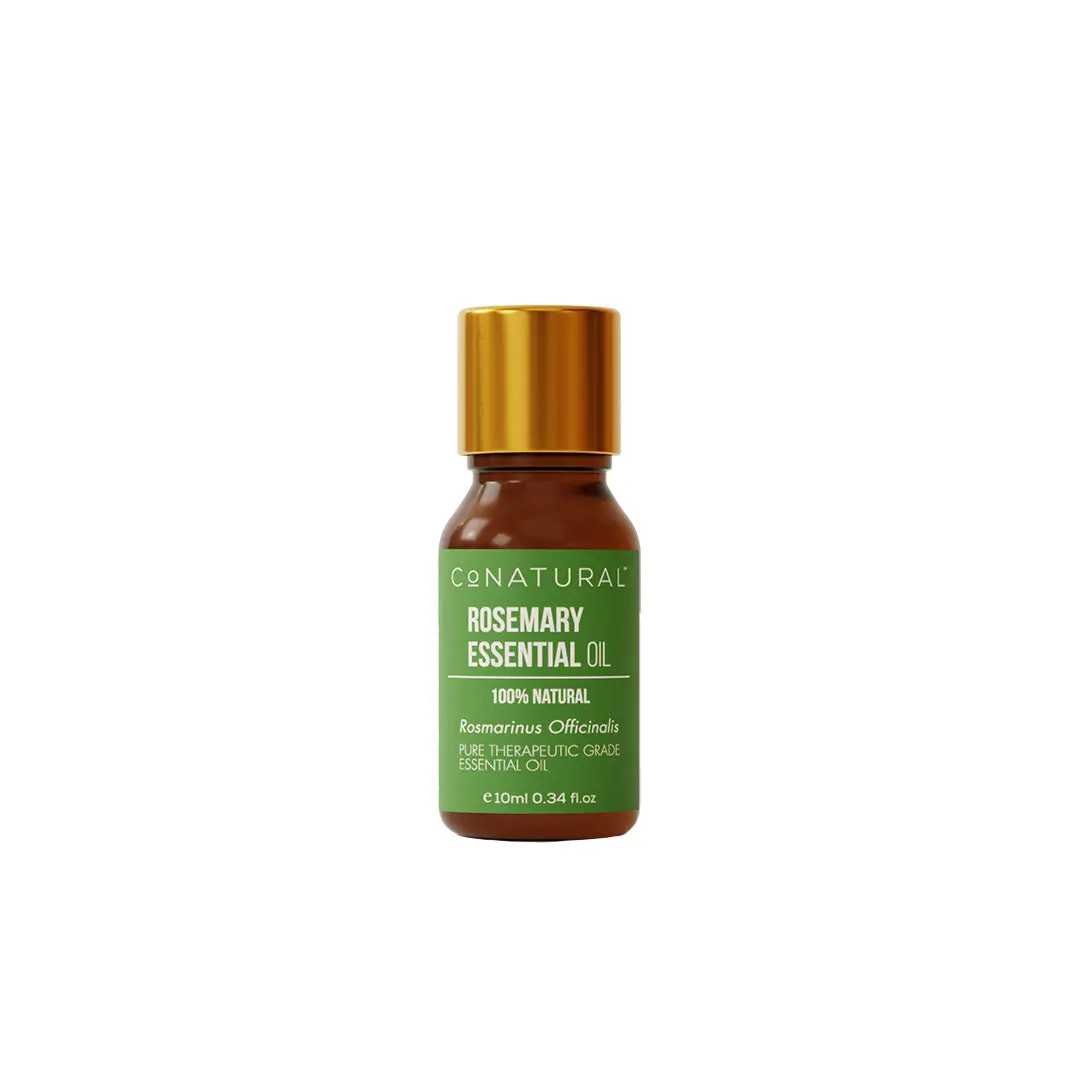
- Conatural Rosemary Essential Oil 10ml, Rs 1,150, the ingredient with the strongest trial behind it, dilute before use
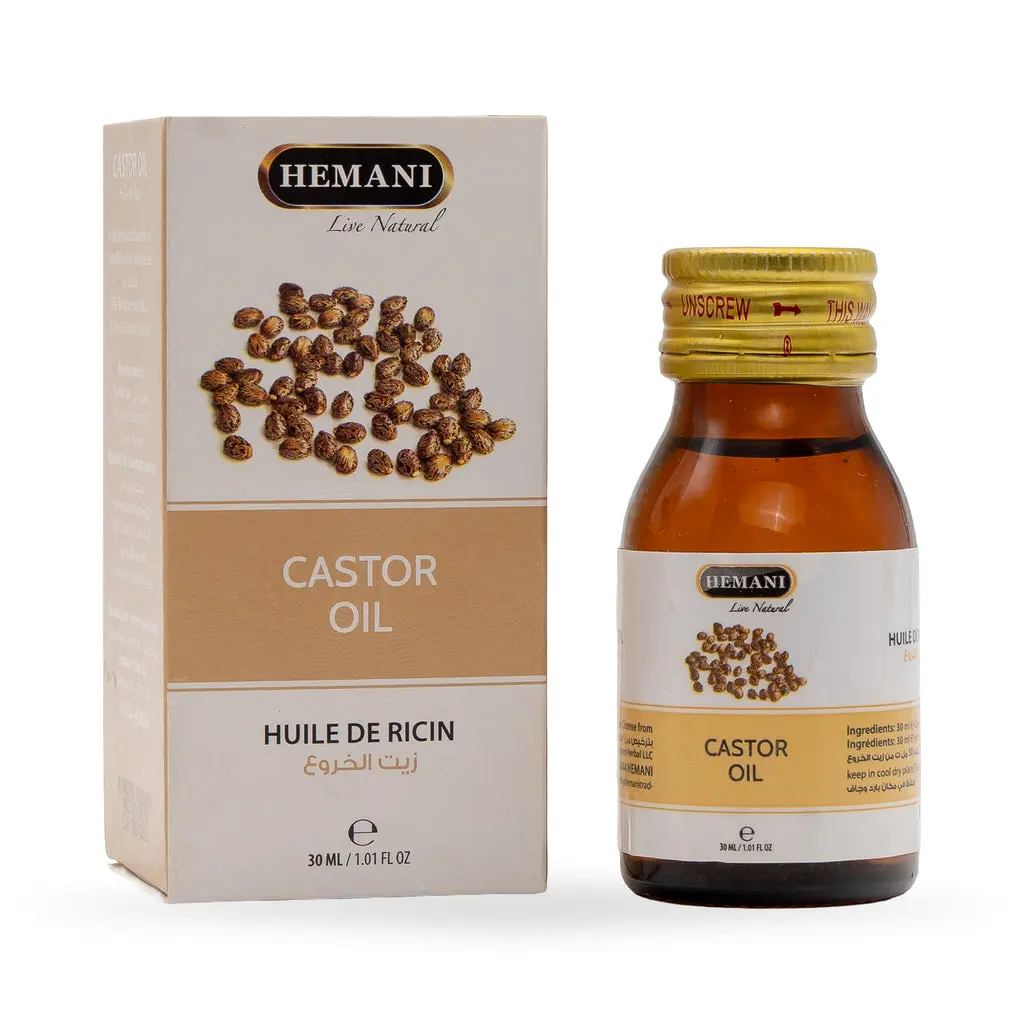
- Hemani Castor Oil 30ml, Rs 610, a carrier oil for the rosemary and a pre-wash conditioning treatment
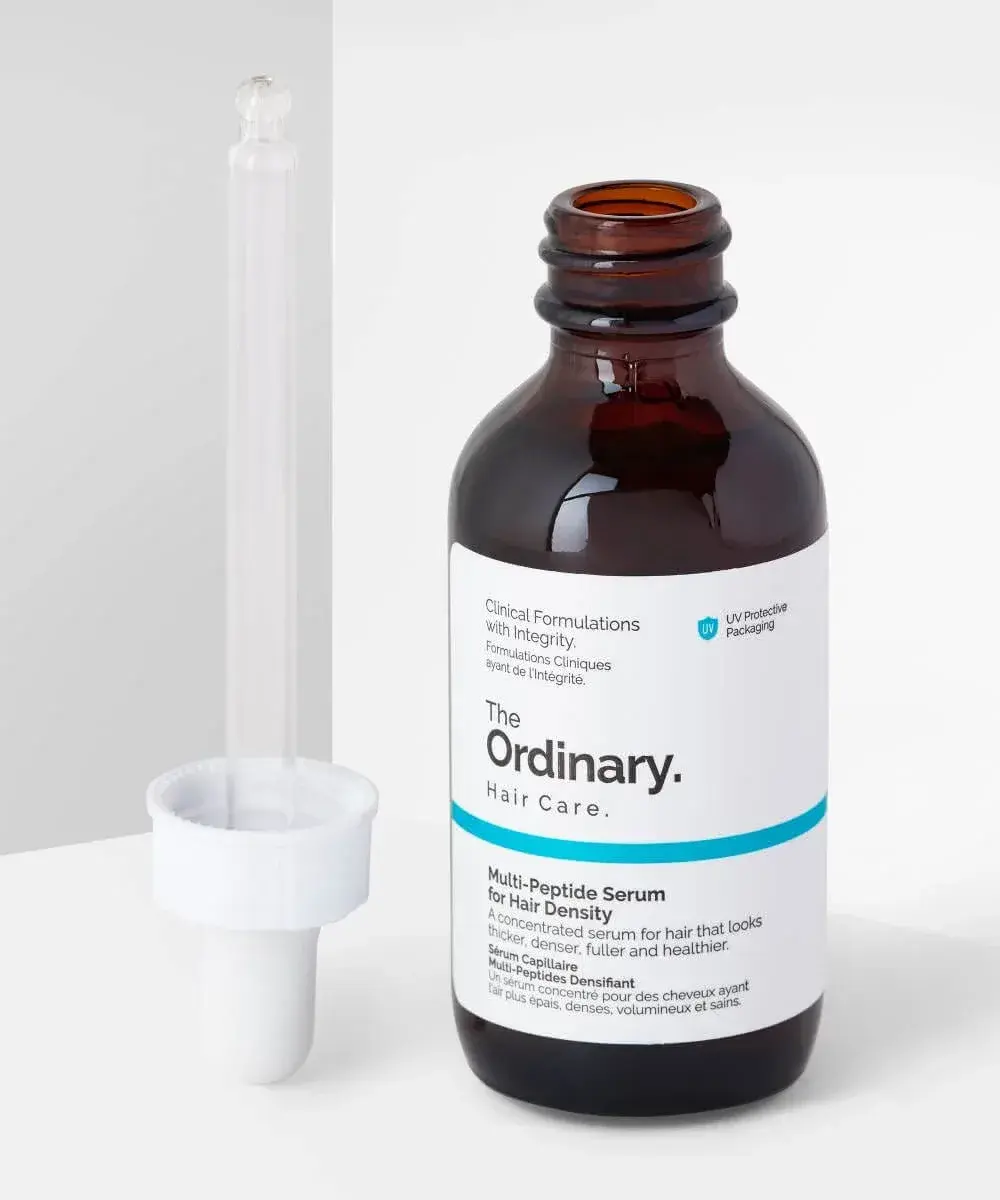
- The Ordinary Multi-Peptide Serum for Hair Density 60ml, Rs 9,999, a non-greasy leave-in for thinning hair if you do not want to oil
- Medicube Rosemary PDRN Scalp Serum, Rs 4,600, a light leave-in gel with rosemary extract, for anyone who dislikes a greasy scalp
- Minoxin Plus Minoxidil 5% 60ml, Rs 1,500, the medicine to move to if it is pattern hair loss
- Nutrifactor Dermazon Skin, Hair & Nails, 30 tablets, Rs 1,250, for hair fall that comes with brittle nails
What a hair growth oil can actually do
A good scalp oil is not magic. It works mainly by improving the environment your hair grows in.
Massaging oil into the scalp is thought to increase local blood flow, and better circulation may help deliver nutrients to hair follicles. Some oils also soften flaky, dry scalp skin, which can reduce itching and irritation that makes hair fall worse.
Certain ingredients do have trial evidence behind them, though less of it than the packaging suggests. In a six month randomised trial in Skinmed, 100 people with pattern hair loss used either rosemary oil or minoxidil 2%. Hair count had not moved in either group at three months, but both groups showed a significant increase by six months, with no significant difference between them, and scalp itching was more common in the minoxidil group (Panahi et al., 2015).
Crude onion juice has also been tested, but for patchy alopecia areata rather than ordinary thinning: in a 2002 controlled trial, 23 patients applied it twice daily and 86.9% had regrowth by six weeks, against 13% of the 15 patients in the tap water control group by eight weeks (Sharquie and Al-Obaidi, 2002).
A 2025 systematic review of nine studies found topical caffeine consistently showed hair growth or reduced hair loss with minimal side effects, while calling for larger trials with standardised measurements (JDD, 2025).
None of this means an oil regrows hair on a bald patch or a scarred follicle. If the follicle is gone or dormant long term, oil alone will not bring it back. That is a job for medically proven options such as minoxidil, which we stock as Minoxin Plus 5% and cover in detail in our minoxidil guide for hair loss in Pakistan. Please read that if you want the medically backed route.
Hair growth oil for men versus hair growth oil for women
The mechanism is the same for both. A hair growth oil for men and a hair growth oil for women both work through scalp massage and mild active ingredients.
The difference is usually the pattern of hair loss, not the oil itself. Men often see thinning at the crown and hairline. Women more often notice overall thinning or a widening parting. Either way, the same bottle can generally be used by both, as long as the scalp is not irritated by a specific ingredient.
What to look for in the best oil for hair growth
Not every bottle labelled "hair growth oil" contains anything active. Some are just a base oil with a nice smell and clever packaging.
- Check the ingredient list, not just the front label. Look for rosemary, onion, caffeine, biotin, or amla rather than vague terms like "herbal complex".
- Pick a texture you will actually use. A heavy, greasy oil often gets skipped after a week because washing it out is a hassle. A lightweight, fast absorbing formula fits better into a daily or twice weekly routine.
- Be realistic about what oil alone can do. It works best as one part of a broader routine, alongside diet, stress management and scalp hygiene. Our guide on how to reduce hair fall in Pakistan covers the rest of that routine in detail.
- Avoid oils with added fragrance if your scalp is sensitive or prone to dandruff.
- Watch out for essential oils sold as if they were ready to use. A 10ml bottle of pure rosemary oil is a concentrate and has to be diluted in a carrier before it touches your scalp.
How to use a hair growth oil properly
Technique matters as much as the product. Here is a simple routine that works for most people.
- Section the hair and apply the oil directly to the scalp, not just the lengths.
- Massage in small circular motions with your fingertips for 5 to 10 minutes. Use gentle pressure, not scrubbing.
- Leave it on for at least 1 to 2 hours, or overnight if your scalp tolerates it well.
- Wash out thoroughly with a mild shampoo the next morning.
- Repeat 2 to 3 times a week. Daily use is not usually necessary and can leave hair greasy.
- Patch test anything new on your inner elbow and wait 30 minutes before putting it on your scalp, especially a diluted essential oil.
Be patient. Hair grows slowly, and any real change happens over months, not days. The rosemary trial above saw nothing at three months and a measurable change only at six, so give a new oil at least 3 months of consistent use before judging it, and treat any "results in a week" claim with scepticism.
Who a hair growth oil suits
Scalp oils are a sensible, low risk choice for several situations.
- Early, mild thinning where the goal is prevention and scalp support.
- A dry, flaky, or tight feeling scalp that needs conditioning.
- General maintenance alongside a healthy diet and gentle hair care.
- Anyone who wants a low cost, low risk addition to their routine while they address diet, stress, or styling habits.
When to see a doctor instead
Some patterns of hair loss are not something an oil, or even a good routine, can fix on its own. It is worth being honest about this rather than overselling a bottle of oil.
- Sudden, dramatic shedding over a few weeks, especially in clumps.
- Patchy bald spots, particularly smooth, round patches.
- Any scarring, redness, or scaling on the scalp.
- Burning or itching on the scalp, or hair loss on the body as well as the head.
- A strong family history of pattern baldness, where a medically proven treatment such as minoxidil is likely to work better than oil alone.
Cleveland Clinic points out that round patches of hair loss usually mean alopecia areata, an autoimmune condition, while rapid shedding over a short period is more often telogen effluvium after a stressful event, an illness or a hormonal change. A thyroid problem or a nutrient deficiency can also be behind it.
A dermatologist can sort this out with a proper scalp examination and, if needed, blood tests. This is not meant to alarm you. Most hair fall in Pakistan is seasonal shedding or manageable thinning, but sudden or patchy loss deserves a proper check rather than guesswork.
Best hair oil in Pakistan: which oil for which goal
| Your goal | Best choice | How to use it |
|---|---|---|
| Thinning or shedding | Rosemary essential oil, diluted, Rs 1,150 | 2 to 3 drops per tablespoon of carrier oil, massaged into the scalp two or three times a week |
| Dry, rough ends | Castor oil as a pre-wash treatment, Rs 610 | On the lengths an hour before washing; blend with a lighter oil to spread it |
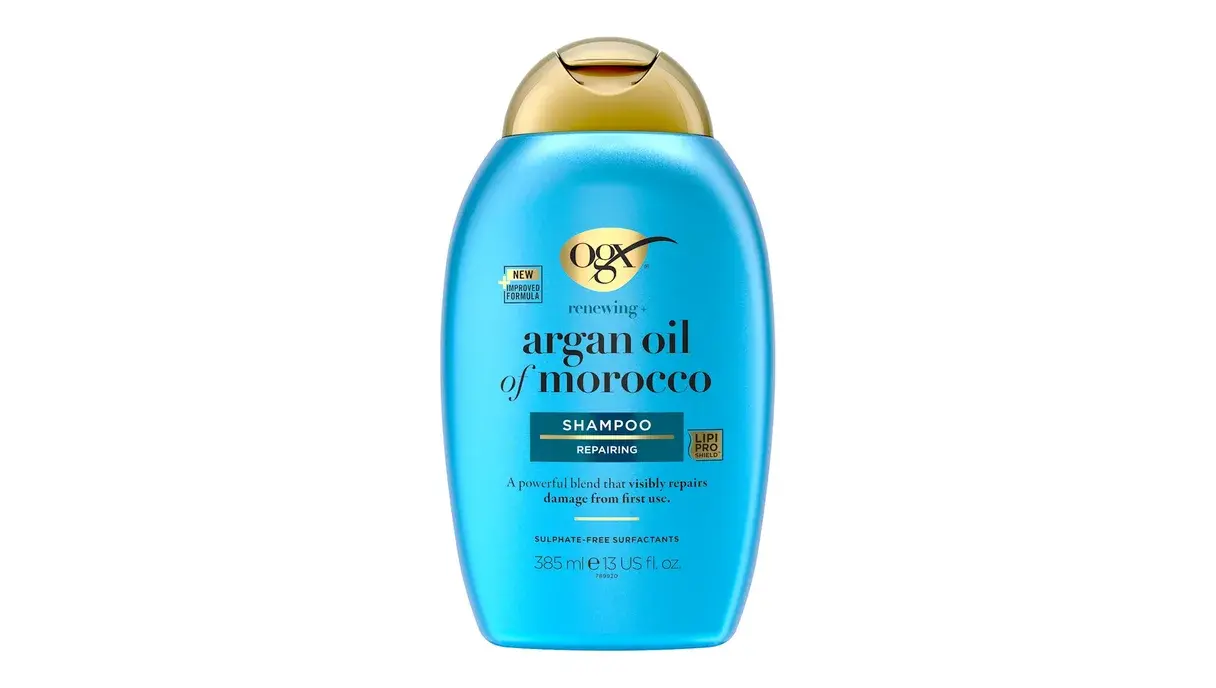
| Frizz and dryness after colour or heat | A deep conditioner rather than an oil: OGX Argan Oil mask, Rs 2,600 | Ten minutes in the shower once a week |
| Thinning, but you hate oiling | The Ordinary Multi-Peptide Serum, Rs 9,999 | A leave-in on the scalp; judge it after three months |
| Pattern hair loss | Minoxidil, not an oil: Minoxin Plus 5%, Rs 1,500 | Daily on a dry scalp for at least four months; read our minoxidil guide |
Our recommended pick
If you want one oil routine with evidence behind it, make it rosemary. Conatural Rosemary Essential Oil at Rs 1,150 for 10ml is a pure concentrate, so it never goes on the scalp neat: dilute roughly 15 drops into 50ml of a carrier oil, or 2 to 3 drops per tablespoon, then massage that in two or three times a week.
Hemani Castor Oil at Rs 610 works as that carrier and doubles as a pre-wash conditioning treatment, though it is thick, so many people blend it with a lighter oil for full scalp use.
If you would rather not oil at all, The Ordinary Multi-Peptide Serum for Hair Density (Rs 9,999) is a leave-in scalp serum with peptides and caffeine that does not leave a greasy film. It is a cosmetic, not minoxidil, so give it at least three months.
Another option if you dislike greasy oil is the Medicube Rosemary PDRN Scalp Serum (Rs 4,600), a light leave-in gel with rosemary extract, PDRN and caffeine. It uses rosemary extract rather than the diluted essential oil tested in the trial above, and it is a cosmetic, not a hair loss medicine.
If your hair fall comes with brittle nails or dry skin, the gap may be nutritional rather than topical. Nutrifactor Dermazon at Rs 1,250 is a 24 nutrient skin, hair and nails tablet with 1000 mcg of biotin per tablet, taken 2 to 3 tablets daily with a meal. Tell your doctor you are taking biotin before any blood tests, since it can interfere with the results.
Shop Conatural Rosemary Oil →This article was written and medically reviewed to our medical review board standards and is for general guidance, not personal medical advice. Always speak to a doctor or pharmacist about your own situation.
Frequently asked questions
Can men and women use the same hair growth oil?
Yes. The ingredients and massage technique work the same way regardless of gender. Choose based on scalp type and ingredients, not marketing aimed at one gender.
How long until I see results from a hair growth oil?
Most people need 3 to 6 months of consistent use before noticing a real difference, since hair growth cycles are slow. In the rosemary trial, hair count had not changed at three months and only rose by six. Anything promising results in days is overselling.
Can a hair growth oil be combined with minoxidil?
Apply them at different times of day rather than layering them together, and check with a pharmacist or dermatologist first. The Minoxin Plus leaflet says not to use it alongside other scalp topicals such as corticosteroids, retinoids or petrolatum, so keep the two well apart and let the minoxidil dry fully. Our minoxidil guide has more detail on using it correctly.
Is hair growth oil safe for coloured or chemically treated hair?
Generally yes. Most scalp oils are gentle and do not strip colour, since they are applied to the scalp rather than the lengths. If your scalp feels sensitive after colouring, wait a few days before starting an oil routine.
Does rosemary oil work as well as minoxidil?
In one six month trial of 100 people, rosemary oil and minoxidil 2% produced a similar increase in hair count, and rosemary caused less scalp itching. That is a single study against the weaker 2% strength, so treat it as promising rather than settled. Our rosemary oil article looks at this research in more depth.
Do I need to dilute rosemary oil?
Yes, if you are buying pure essential oil. Conatural's 10ml bottle is 100% rosemary oil, and Conatural's own instructions are to dilute it in a carrier such as coconut, almond, olive or argan oil before it touches skin or scalp, and to patch test first.
Will oil alone stop my hair fall?
Oil helps the scalp environment, but hair fall usually has several causes, including diet, stress and styling habits. Our hair fall guide covers the full routine oil should sit alongside.
Is a hair growth oil enough if I have a bald patch?
No. A true bald patch, especially a smooth round one, needs a doctor's assessment rather than an oil routine, since it may be alopecia areata or another condition that oil cannot treat.
For general background on hair loss causes and when to seek care, see the NHS page on hair loss and the Cleveland Clinic guide to hair loss.
Ready to start? Conatural Rosemary Oil diluted in a carrier is the simplest way to find out whether a consistent scalp routine helps you, and the hair growth and hair fall shelf has what to build on it: Minoxin 5%, the multi-peptide density serum, and the rosemary and castor oils. The wider hair care range covers the shampoos and masks. Cash on delivery across Pakistan, and free delivery on orders over Rs 5,000 in Punjab.
Liked this one? Get the next in your inbox.
One fortnightly note from the editors, new pieces, restocks, and the routines we're actually using. Unsubscribe any time.