Minoxidil in Pakistan: How to Use It, Results Timeline & Side Effects (2026)
Minoxidil for hair loss in Pakistan: how it works, 5% vs 2%, how to apply it, a realistic results timeline, and the side effects to expect.
Did you know? Minoxidil is the most widely used over-the-counter hair regrowth treatment in the world. It started life as a blood pressure tablet. Today it is easy to find in Pakistan, and it works for many people with pattern hair loss.
But success with minoxidil for hair is less about the bottle. It is about using it correctly, sticking with it, and keeping your expectations realistic. This doctor-reviewed guide covers how it works, who it helps, how to apply it, the real results timeline, the side effects, and when to see a dermatologist instead.
What is minoxidil and how does it work?
Minoxidil began as a tablet for high blood pressure. Doctors noticed it had a surprising side effect: extra hair growth. Today it is used on the scalp as the active ingredient in most non-prescription regrowth products.
It is thought to work in a few ways. It widens blood vessels and improves blood flow to the hair follicle. It also seems to push follicles into the active growth phase and keep them there longer. For many people, the result is thicker, fuller hair and slower thinning while they keep using it.
One fact matters most. Minoxidil is a maintenance treatment, not a one-off cure. It works while you use it. Any hair you gain will slowly fall out over a few months if you stop.
Who does minoxidil help (and who it does not)?
Minoxidil suits the most common types of hereditary thinning:
- Male pattern baldness (androgenetic alopecia), especially thinning at the crown and along the top of the scalp.
- Female pattern thinning, where hair becomes thinner all over, often along the parting, rather than receding at the hairline.
It works best when started early, while there is still living hair to thicken. It tends to help the crown more than a deeply receded front hairline. It suits both men and women, which is why people search for minoxidil for men and women.
Minoxidil is not right for every kind of hair loss. It does not help scarring alopecia, where the follicle is destroyed and replaced by scar tissue. It does not help loss caused by thyroid problems, severe deficiencies, medication or illness. It also does not help sudden patchy loss such as alopecia areata.
In those cases you need a diagnosis first. If you are not sure what is causing your hair loss, start with our overview on how to reduce hair fall in Pakistan. See a doctor before assuming minoxidil is the answer.
Minoxidil 5% vs 2%: which strength?
Minoxidil usually comes in two strengths. Minoxidil 5% is the stronger one. It is the standard choice for men, and more women use it now too, because it tends to give better regrowth.
The 2% solution is the older, milder option. It was mainly marketed for women to lower the chance of unwanted facial hair.
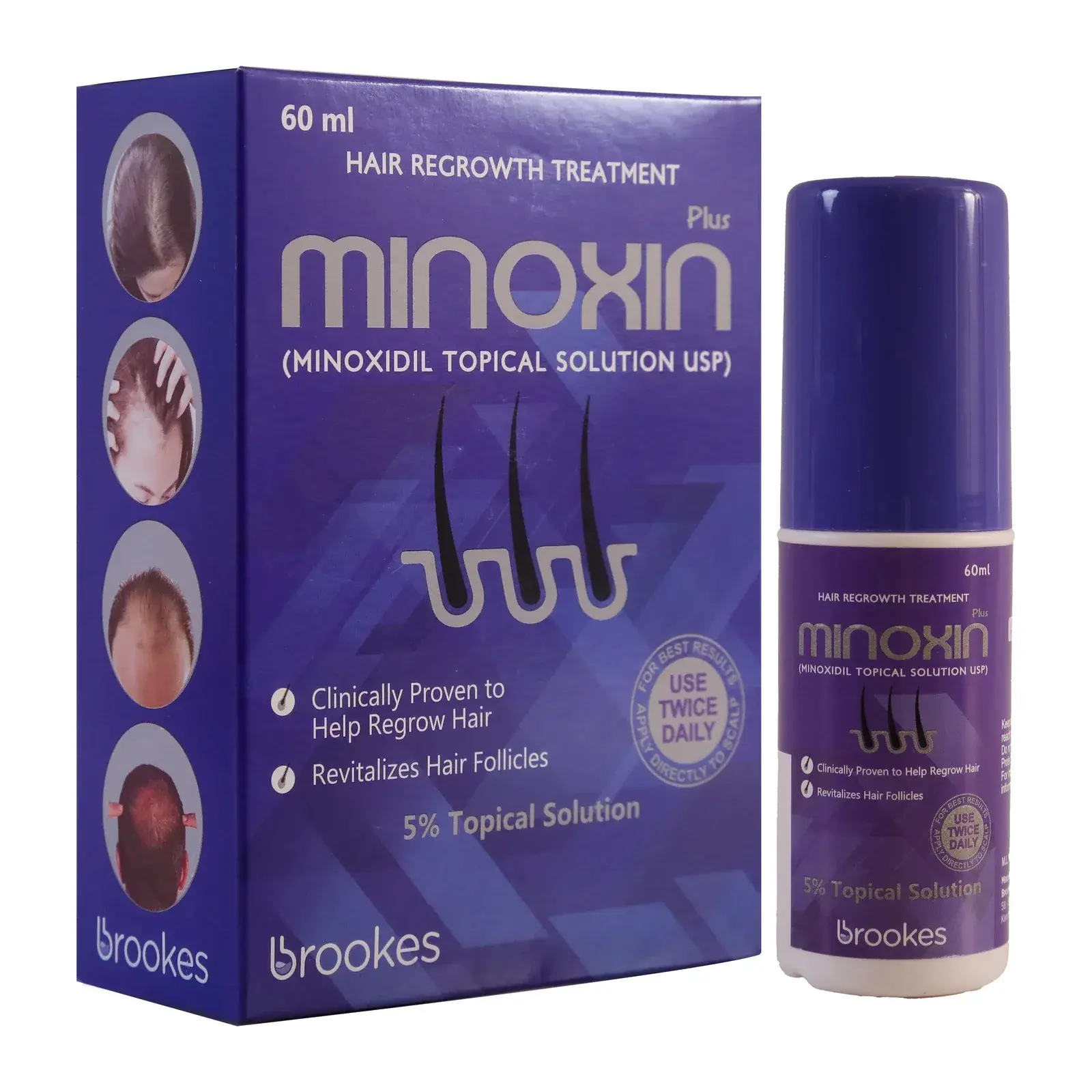
In practice, many people in Pakistan use a 5% product such as Minoxin Plus Minoxidil 5% 60ml (around Rs 1,500). Women using 5% should know the chance of facial hair growth is slightly higher. They may prefer to start under a dermatologist's guidance. The NHS gives a balanced summary of options in its hair loss guide.
How to apply minoxidil correctly
Most "minoxidil does not work for me" stories are really application problems. Done properly, the routine is simple:
- Start with a dry scalp. Apply to a dry or only slightly damp scalp, not soaking wet hair. This stops the solution from being diluted or running off.
- Apply directly to the scalp, not just onto the hair. Part the hair so you can reach the thinning skin underneath.
- Use the correct amount. This is usually 1ml from the dropper, or the number of pump sprays on the label. More is not better, and it raises side effects.
- Twice daily for liquid solutions, usually morning and night, spaced evenly. Consistency is everything.
- Massage in gently and let it dry fully (around 2 to 4 hours) before washing, swimming or going to bed. Wash your hands afterwards.
Apply it every single day. Skipping days is the quickest way to stall your progress.
Realistic minoxidil results timeline
Knowing what to expect, and when, stops people quitting too soon. Here is the typical journey when checking minoxidil results:
| Timeframe | What to expect |
|---|---|
| Weeks 2 to 8 | Possible "dread shed": a temporary rise in hair fall as old hairs are pushed out to make way for new growth. This is normal and a sign it is working. |
| Months 2 to 4 | Shedding settles. You may see fine, soft new hairs appearing. |
| Months 3 to 6 | The first truly visible regrowth and thickening for most responders. |
| Months 6 to 12 | Fuller results. This is when you can fairly judge how well it works for you. |
| Ongoing | You must keep using it to keep the gains. Stopping leads to gradual loss over a few months. |
The early shedding phase frightens many people into stopping. That is exactly the wrong move. Push through it. Give minoxidil a fair trial of at least 4 to 6 months before you decide whether it is working.
Minoxidil side effects to know about
Minoxidil is generally well tolerated. Still, you should know the common and rare minoxidil side effects:
- Scalp dryness, flaking, itching or irritation, often linked to the alcohol and propylene glycol in liquid solutions.
- Unwanted facial hair in women, usually from the product spreading or running onto the face. It is more likely with the 5% strength. Applying carefully and washing hands helps.
- Increased shedding in the first 2 to 8 weeks, which is temporary.
- Rare effects such as dizziness, a fast heartbeat, chest discomfort, swelling of the hands or feet, or unexplained weight gain. These are uncommon, but they warrant stopping and seeing a doctor, as Mayo Clinic notes in its minoxidil topical guide.
If you develop a severe rash, intense itching or any signs of an allergic reaction, stop and seek advice.
Combining minoxidil with other treatments
Minoxidil is often used alongside supportive routines, though the evidence varies:
- Biotin and hair vitamins: helpful mainly if you are deficient. They support general hair health rather than driving regrowth. See our biotin and hair loss guide for women in Pakistan.
- Derma roller (microneedling): some studies suggest gentle microneedling may boost minoxidil's effect. But technique and hygiene matter, and overdoing it harms the scalp.
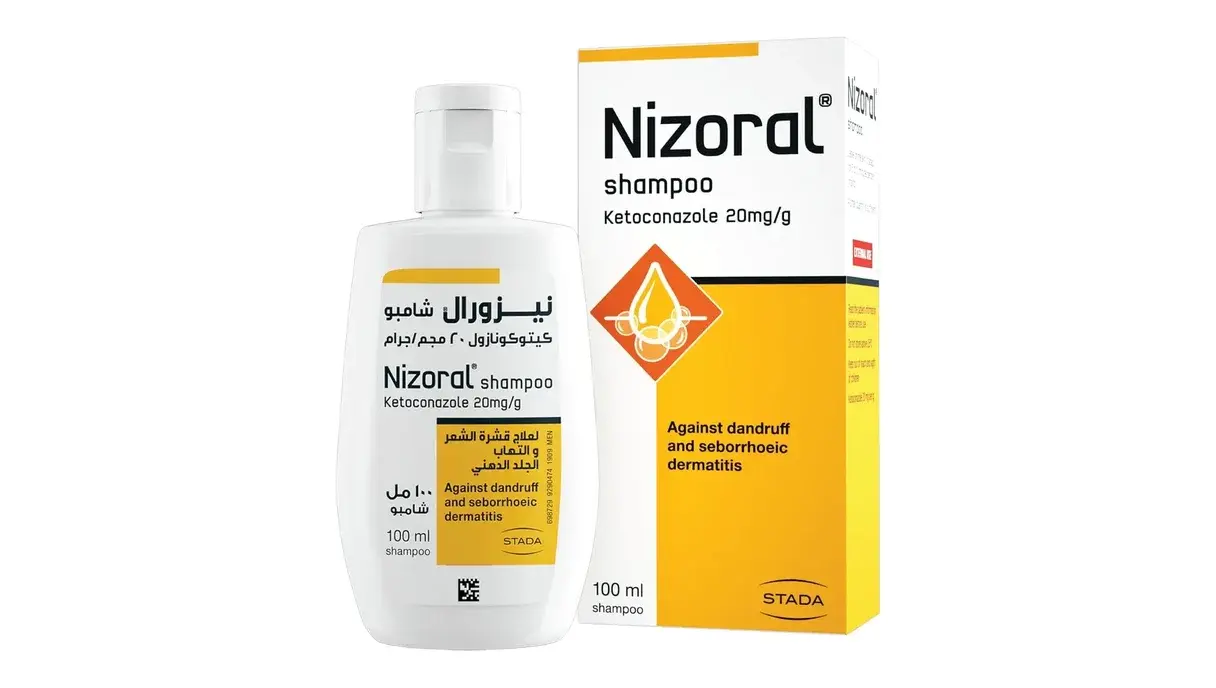
- Ketoconazole shampoo: an anti-fungal shampoo, sometimes used a few times a week to support a healthy scalp.
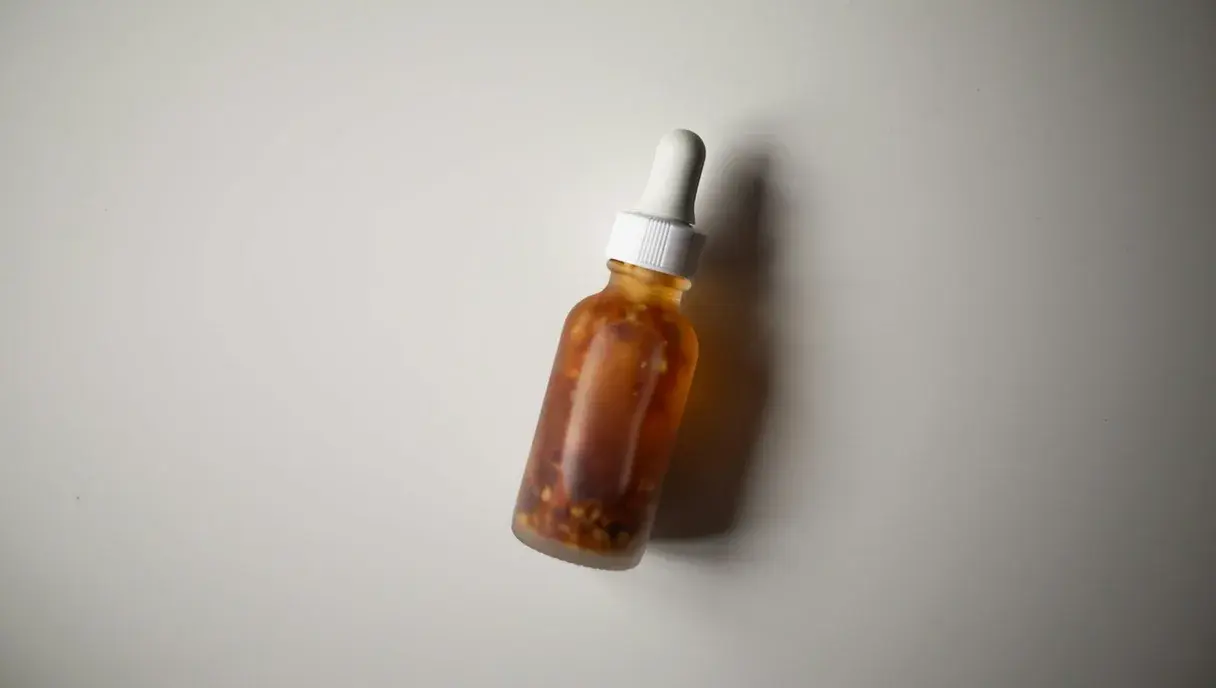
- Natural oils: options like rosemary oil for hair growth and castor oil for hair, lashes and brows are popular as gentle, low-risk extras. They are not replacements for minoxidil.
Avoid layering too many active products at once. It becomes hard to tell what is helping, and easier to irritate the scalp.
When to see a doctor or dermatologist
See a dermatologist if your hair loss is sudden or patchy, or if it comes with scalp redness, pain or scarring. Women should also see one if thinning comes with irregular periods, acne or excess body hair, which can point to a hormonal cause.
Seek advice before using minoxidil if you have heart problems or are pregnant or breastfeeding. In those cases minoxidil is not recommended. Cleveland Clinic has a useful overview of medical causes and treatments in its hair loss resource. A proper diagnosis means you do not spend months on a treatment that was never going to fix your problem.
This article was written and medically reviewed to our medical review board standards and is for general guidance, not personal medical advice. Always speak to a doctor or pharmacist about your own situation.
If you would rather start without a medicine, or want something to run alongside it, the hair growth and hair fall shelf has the multi-peptide density serum and the scalp oils.
Shop Minoxin Plus Minoxidil 5% →Frequently asked questions
Does minoxidil really work for hair regrowth?
For hereditary pattern thinning, it helps a large share of users. It works best when started early and used consistently. It does not work for everyone. It does nothing for scarring alopecia or hair loss from other medical causes.
Why is my hair falling out more after starting minoxidil?
Early shedding between weeks 2 and 8 is normal. It usually means the treatment is shifting your follicles into a new growth phase. It is temporary. Keep going rather than stopping.
Should I use minoxidil 5% or 2%?
5% is the standard, more effective strength for men. More women use it now too. Women worried about facial hair growth may prefer to start at 2%, or use 5% under a dermatologist's guidance.
What happens if I stop using minoxidil?
Any hair you gained will slowly be lost over roughly three to six months. Your hair returns to where it would have been. Minoxidil keeps results only while you keep using it.
Can women use minoxidil?
Yes. It is one of the few treatments approved for female pattern thinning. Apply it carefully so the solution does not reach the face. Avoid it in pregnancy and breastfeeding.
How long should I try minoxidil before deciding it does not work?
Give it a fair trial of at least 4 to 6 months of correct, twice-daily use. Judge the final results at 6 to 12 months. Quitting during the early shedding phase is the most common mistake.
Liked this one? Get the next in your inbox.
One fortnightly note from the editors, new pieces, restocks, and the routines we're actually using. Unsubscribe any time.