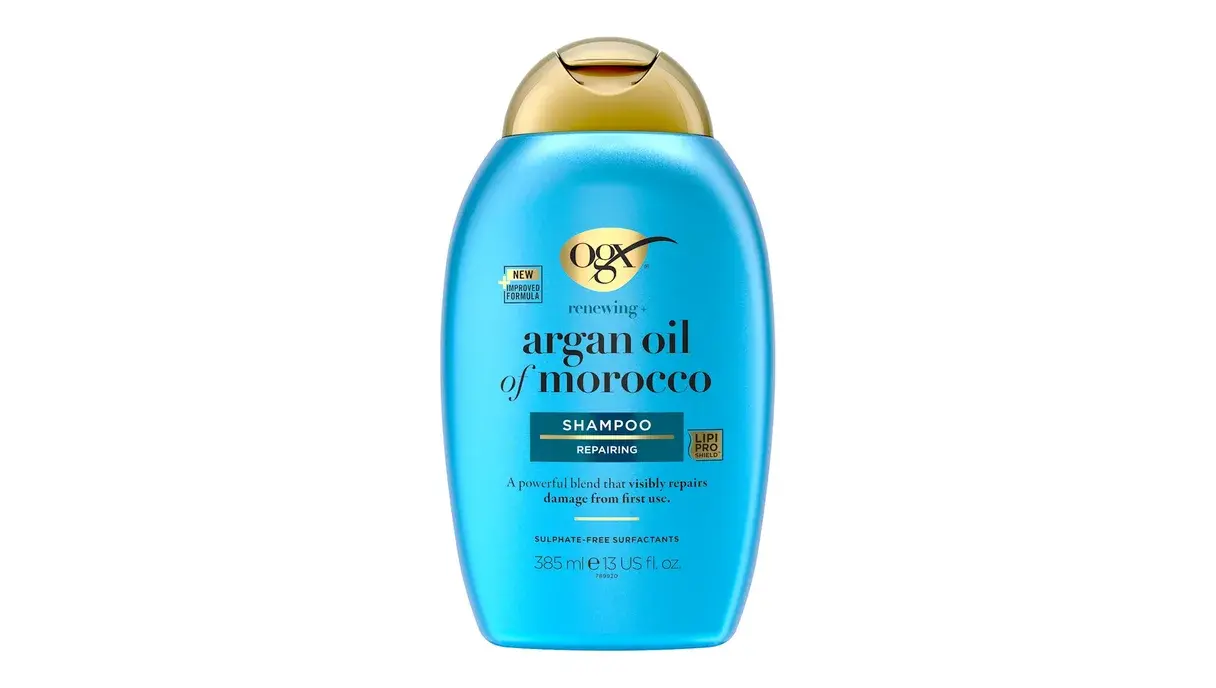
Argan Oil for Hair in Pakistan: Benefits & How to Use It (2026)
Argan oil for hair seals in moisture, adds shine and eases frizz. What it really does, how to use it as a mask or leave-in, and where it fits a routine.
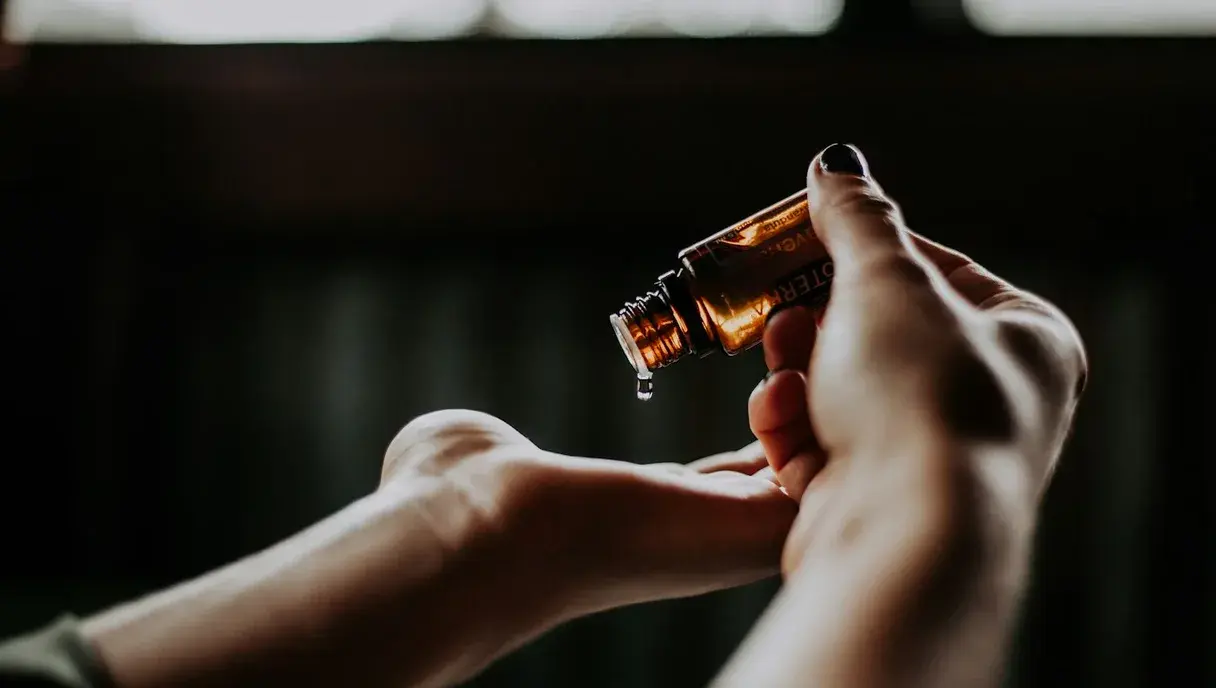
Moroccan women have used argan oil on their hair for generations. It is pressed from the kernels of the argan tree, native to southwestern Morocco. Nutritionally, it is rich in fatty acids and vitamin E. If you are searching for argan oil for hair in Pakistan, this guide covers what it actually does, how to use it well, and when it makes sense as part of your routine.
What argan oil actually does for hair
Argan oil is an emollient. It coats the hair shaft and seals in moisture.
This is why it works so well on dry, dull hair. It smooths the cuticle, so light reflects more evenly. That gives hair a healthy shine.
It also reduces frizz. A thin layer of oil on the ends stops strands from puffing up in humidity. Many Pakistani summers make this a daily concern.
Argan oil can help protect hair from heat styling too. A light coat on damp hair before blow drying or straightening acts as a barrier. It will not stop heat damage entirely, but it can reduce moisture loss during styling.
Here is the honest part. Argan oil does not meaningfully speed up hair growth. It works on the strand, not the follicle. Marketing sometimes blurs this line, but the evidence mostly supports shine, smoothness, and damage protection, not faster growth.
Who benefits most from argan oil
Argan oil suits certain hair types better than others.
- Dry or dehydrated hair that lacks shine
- Frizzy or humidity-prone hair
- Chemically treated hair, including colour, keratin, or straightening
- Hair that is regularly blow dried or heat styled
If your hair is very fine or your scalp runs oily, use a light hand. Argan oil can weigh down fine strands and make roots look greasy if overused. In that case, a few drops on the ends only will work better than a generous handful through the lengths.
How to use argan oil for hair
There are a few simple ways to work argan oil into a routine.
As a leave-in on damp hair
Warm one or two drops between your palms. Smooth them over damp ends after washing. Avoid the roots if your scalp gets oily by midday.
As a pre-wash hair mask
Apply a small amount from mid-length to ends before you shower. Leave it on for 20 to 30 minutes, then shampoo as usual. This gives the oil time to soften and coat the hair before washing removes the excess.
As a quick frizz fix
Rub a tiny amount, less than a drop, between dry palms. Smooth it over flyaways and dry ends whenever frizz shows up during the day.
In each case, less is more. Start small and add more oil only if your hair still looks dry.
Argan oil versus other hair oils on our blog
Pakistani haircare routines often use more than one oil, and that is fine. Each oil tends to do a different job.
| Oil | Main use | Best for |
|---|---|---|
| Argan oil | Shine, smoothness, heat protection | Dry, frizzy, or chemically treated hair |
| Rosemary oil | Scalp stimulation, linked to growth support | Thinning hair or slow growth concerns, read more in our rosemary oil for hair growth guide |
| Castor oil | Thickness and density, popular for lashes and brows | Sparse brows, lashes, or those wanting a thicker feel, see our castor oil for hair, lashes and brows guide |
Rosemary oil is more scalp active. It is usually chosen to support the follicle itself. Castor oil is thicker in texture and is popular for lashes, brows, and adding a sense of thickness.
Argan oil is the lightweight pick for shine and repair on the hair shaft. You do not have to choose only one. Many people use rosemary oil on the scalp and argan oil on the lengths and ends.
If hair fall rather than dullness is your main concern, our guide on how to reduce hair fall in Pakistan covers causes and solutions in more depth.
Argan oil hair mask versus plain oil
A dedicated argan oil hair mask usually blends argan oil with other conditioning ingredients. This can make it easier to spread evenly and rinse out cleanly compared with pure oil alone.
Masks are a good middle step between a light leave-in oil and a full pre-wash oiling session. They tend to suit people who want a richer weekly treatment without the mess of handling oil straight from a bottle.
A note on nut oil allergies
Argan oil is derived from a tree nut. If you have a known tree nut allergy, patch test first.
Apply a small amount to the inside of your elbow or behind your ear. Wait 24 to 48 hours. If you see redness, itching, or swelling, do not use the product on your scalp or skin.
Most people tolerate argan oil well on hair, since it is used on strands rather than eaten, but caution is still sensible if nut allergies run in your family.
Moroccan oil for hair in Pakistan: what to look for
Many products marketed as moroccan oil for hair in Pakistan are argan oil based, sometimes blended with silicones or other lightweight oils. Check the ingredient list if you want closer to pure argan oil, and check whether the bottle is sealed and stored away from direct heat, since imported oils can degrade faster in warm shipping conditions.
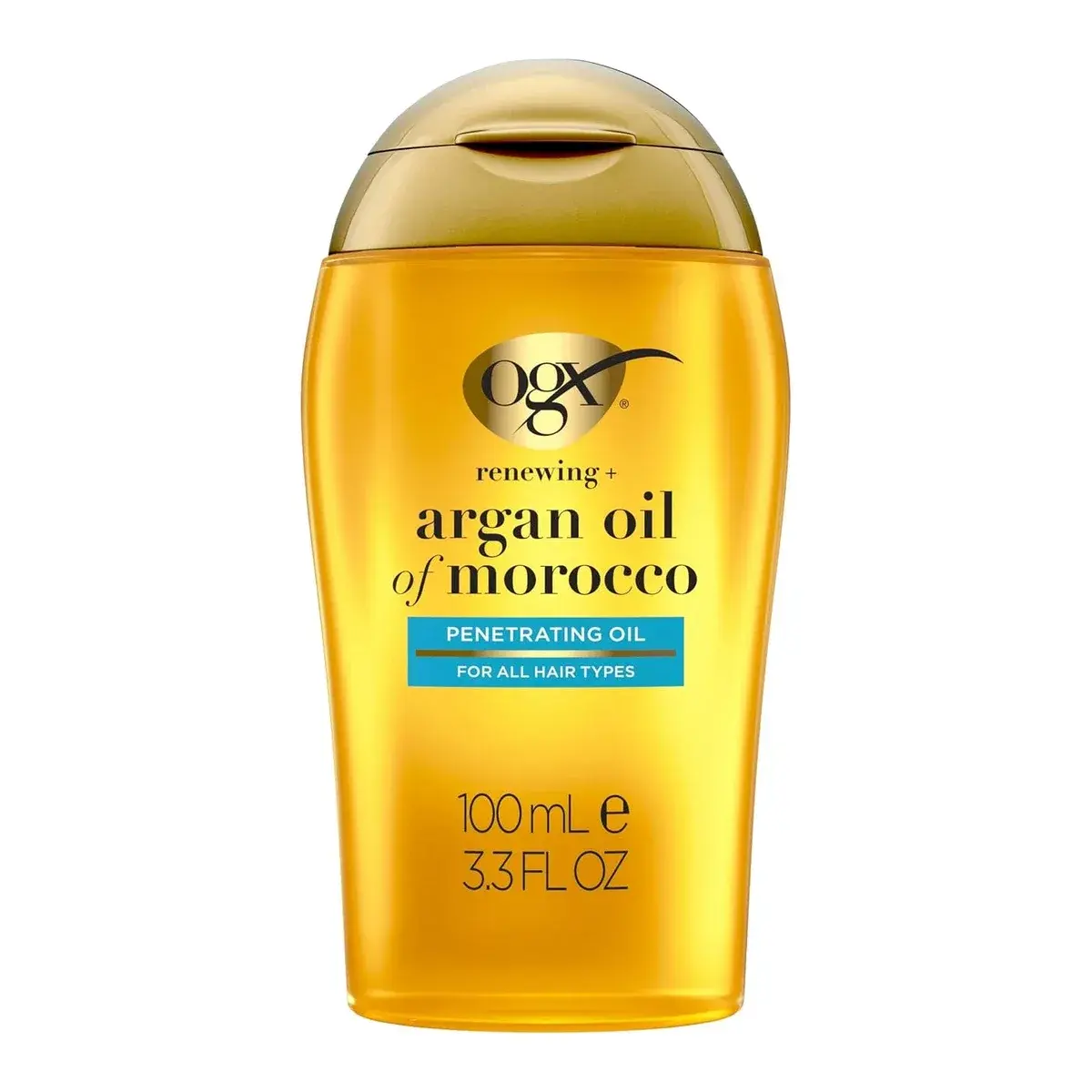
If you want a ready-made argan finishing oil, we stock the OGX Argan Oil of Morocco Penetrating Oil 100ml (Rs 3,599). To be clear about what it is: a silicone-based oil with argan oil in it, not pure argan oil. For frizz and shine on the lengths, the silicones do much of the work. Use a few drops on damp or dry ends and keep it off the scalp.
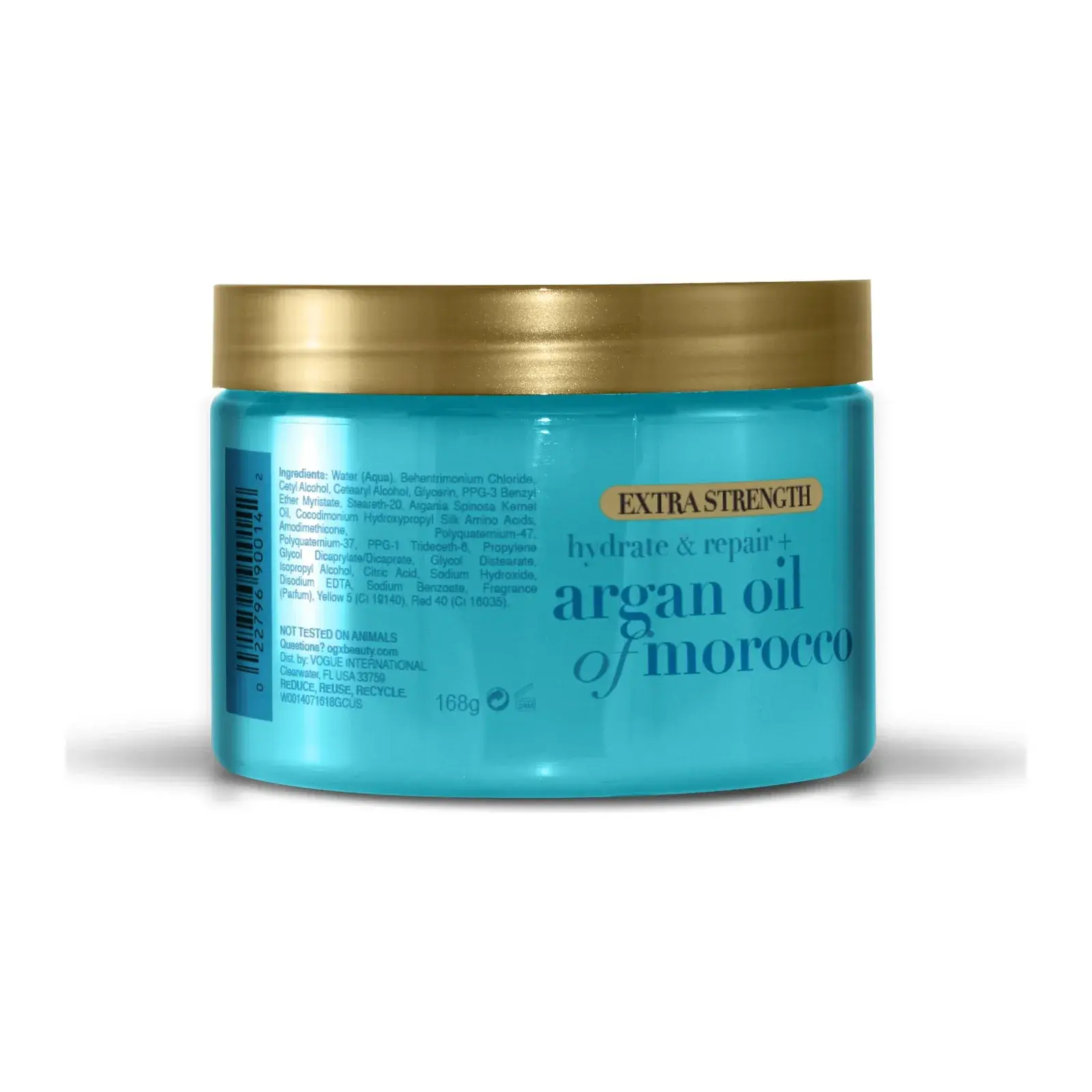
For a straightforward, well reviewed option, we recommend the Argan Oil of Morocco Hair Mask. It costs Rs 2,600 here and works well both as a weekly mask and, in small amounts, as a leave-in for the ends.
Use the Argan Oil of Morocco Hair Mask once or twice a week for the deep treatment method, then keep a little aside for daily frizz control on dry ends.
Simple routine to start with
- Patch test first, especially if you have any nut allergy history
- Use as a pre-wash mask once or twice a week, left on for 20 to 30 minutes
- Use a small amount as a leave-in on damp ends after washing
- Smooth a tiny amount on dry ends whenever frizz appears during the day
- Keep it off the scalp and roots if your scalp is oily prone
Give any new hair oil routine at least three to four weeks before judging results. Shine and smoothness usually show up sooner than changes in overall hair condition.
This article was written and medically reviewed to our medical review board standards and is for general guidance, not personal medical advice. Always speak to a doctor or pharmacist about your own situation. If you notice unusual hair loss, scalp irritation, or a persistent scalp condition, see a dermatologist rather than relying on oils alone.
Shop Argan Oil of Morocco Hair Mask →Frequently asked questions
Can I use argan oil on my hair daily?
Yes, in small amounts. A drop or two on the ends daily is usually fine. Daily use all over the lengths and scalp can feel heavy for some hair types, so watch how your hair responds and adjust.
Does argan oil help hair grow faster?
Not meaningfully. The evidence for argan oil is mainly around shine, smoothness, and reduced damage to the hair shaft, not a faster growth rate. If growth is your main goal, ingredients that act on the scalp and follicle, like rosemary oil, are a better fit.
Can argan oil be used on colour treated hair?
Yes. Argan oil is often recommended for colour treated hair because it helps smooth the cuticle and add shine, which can make colour look richer. It will not protect colour from fading on its own, but it does support the overall look and feel of treated hair.
Should I apply argan oil in the morning or at night?
Either works. Many people prefer applying a pre-wash mask at night and washing it out in the morning, or in the morning before styling to help with frizz and heat protection through the day. Choose whichever fits your routine.
Is argan oil safe for oily scalps?
It can be, if you keep it away from the roots and use it only on the mid-lengths and ends. Applying it directly to an oily scalp can make hair look greasy faster.
Is moroccan oil the same as argan oil?
Moroccan oil is usually a branding term for argan oil or argan oil based blends, since argan trees are native to Morocco. Always check the ingredient list to see how much actual argan oil a product contains.
For general haircare guidance, see Cleveland Clinic on how often to wash your hair.
Liked this one? Get the next in your inbox.
One fortnightly note from the editors, new pieces, restocks, and the routines we're actually using. Unsubscribe any time.