Kojic Acid in Pakistan: Soaps, Creams & How to Fade Pigmentation Safely (2026)
Kojic acid in Pakistan: what it does, whether kojic soap really works, how to use it without irritation, and the safest creams for dark spots and melasma.
Did you know? Kojic acid is made by the same fungus used to ferment soy sauce and rice wine, and it is one of the most effective natural brighteners for fading dark spots on brown skin.
If you have searched for a way to fade dark spots, melasma or uneven tone in Pakistan, you have almost certainly come across kojic acid soap. It is everywhere, but does it actually work, is it safe, and how do you use it without stripping your skin? This guide answers all of that, and points you to the kojic-acid products worth your money.
What is kojic acid?
Kojic acid is a natural skin-brightening ingredient produced during the fermentation of rice and other grains. It works by slowing down tyrosinase, the enzyme your skin uses to make melanin, the pigment behind dark spots. Less melanin production means existing marks fade and new ones form more slowly. You can read a clinical overview of how dark marks form and fade on DermNet.
Because it targets excess pigment rather than bleaching healthy skin, it is well suited to South Asian skin, which tends to mark easily and hold onto dark spots long after a breakout or a burn.
What kojic acid actually helps with
Dark spots and post-acne marks
This is where kojic acid shines. It gradually lightens the brown marks left behind by old pimples, insect bites and minor injuries, the kind of spots that can linger for months on brown skin.
Melasma and uneven tone
Kojic acid is a common ingredient in melasma treatment, especially alongside partners like glutathione, vitamin C and niacinamide. It will not "cure" melasma, nothing does, but with daily sunscreen it can visibly soften the patches over time.
Overall brightness
By evening out pigment across the face, kojic acid gives skin a clearer, more uniform, brighter look, not a bleached one.
Does kojic acid soap really work?
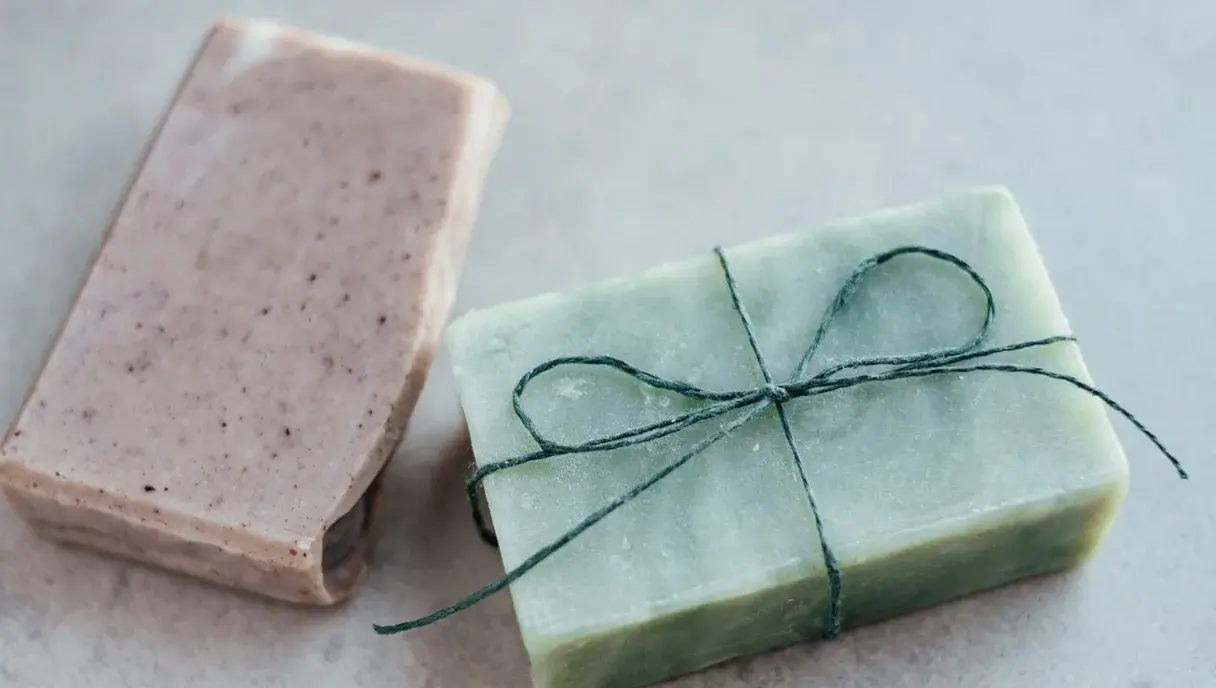
Kojic acid soap is popular because it is cheap and easy to find. It can help, but there is an important catch: soap sits on your skin for only a few seconds before you rinse it off, so the active has little contact time. A soap is best thought of as a mild, gentle top-up, not your main treatment.
For real, visible fading, a leave-on cream or serum that stays on the skin does far more work. If you like using a kojic soap, treat it as a supporting cleanse and let a leave-on product do the heavy lifting.
| Format | Contact time | Best for |
|---|---|---|
| Kojic soap / cleanser | Seconds (rinsed off) | Gentle daily top-up |
| Kojic cream / serum | Hours (leave-on) | Actually fading spots |
| Brightening mask | 10-20 min, few times a week | An occasional boost |
How to use kojic acid safely
- Cleanse and pat your skin dry.
- Apply a thin layer of your kojic-acid cream or serum to spots or the whole face.
- Follow with moisturiser to protect your skin barrier.
- Every single morning, finish with sunscreen, this is non-negotiable. Without SPF, pigment comes straight back and kojic acid cannot win.
Start once a day (evenings are ideal) and build up slowly. A little tingling can be normal; persistent redness, burning or peeling means you are overdoing it, cut back to every other day. Kojic acid layers well with niacinamide and vitamin C. For the full layering order, see our skincare routine order guide.
Is kojic acid safe? What to watch for
For most people kojic acid is safe and well tolerated at the low concentrations used in over-the-counter products. A few sensible cautions:
- Patch test first, sensitive skin can react, so try it on a small area for a couple of days before full use.
- Avoid harsh "whitening" bars that promise to lighten your whole complexion fast, these often hide unsafe ingredients like mercury or high-strength steroids. Kojic acid evens out spots; it is not a full-body bleach.
- Never skip sunscreen, brightened skin is more vulnerable to the sun, and dermatologists note that daily SPF is what makes any pigmentation treatment work (AAD).
- If you are pregnant or breastfeeding, or have persistent melasma, check with a doctor first, azelaic acid may be a gentler alternative.
How long until you see results?
Kojic acid is a slow-and-steady ingredient. Most people notice their skin looking brighter and marks starting to fade within 4 to 8 weeks of daily use. Deep melasma and old dark patches take longer, often 8 to 12 weeks or more. Consistency and daily sunscreen are what get you there.
Best kojic acid products in Pakistan
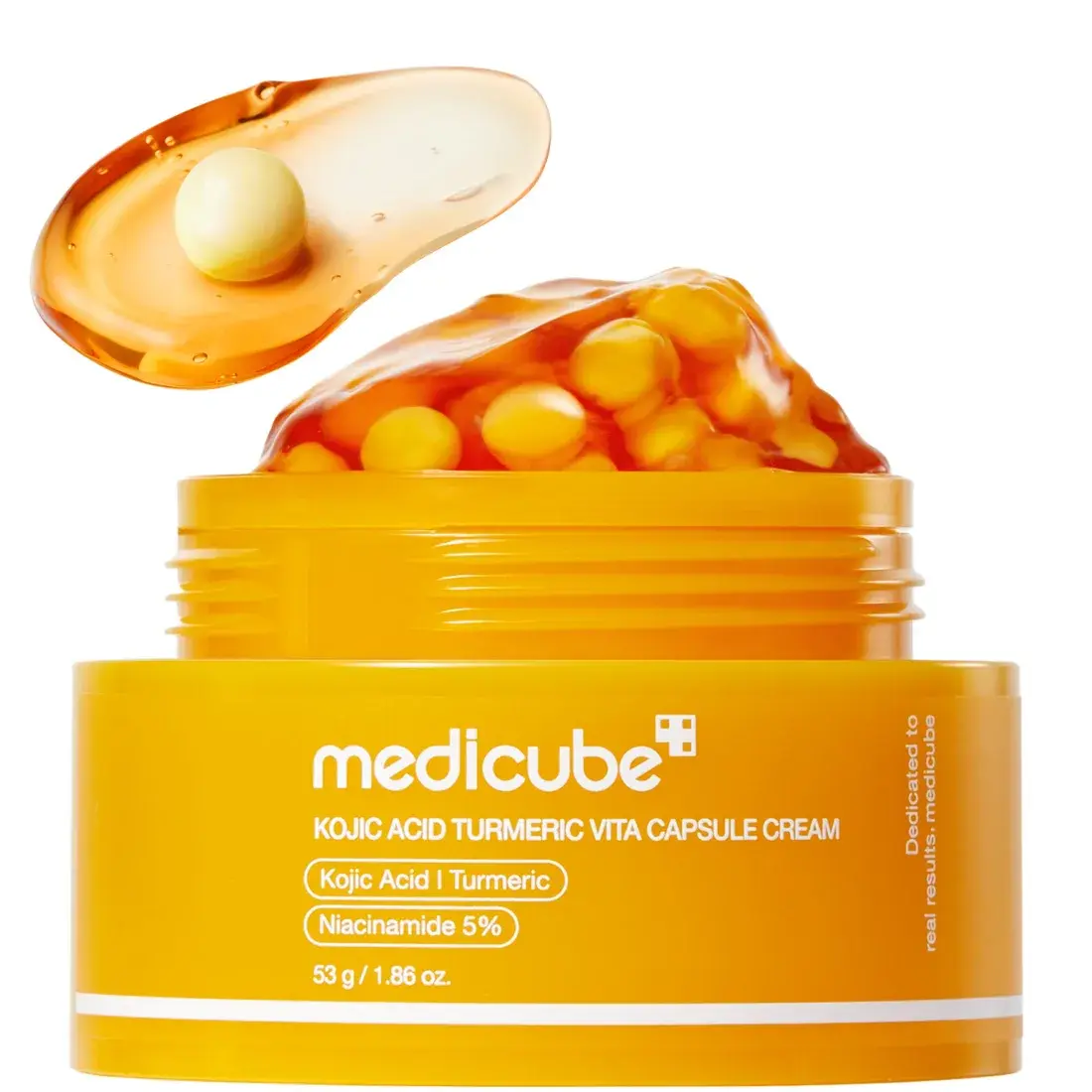
For actually fading dark spots and melasma, our pick is the Medicube Kojic Acid Turmeric Vita Capsule Cream, a leave-on cream that pairs kojic acid with glutathione, so it works on stubborn pigment while you sleep. This is the format that does the real work.
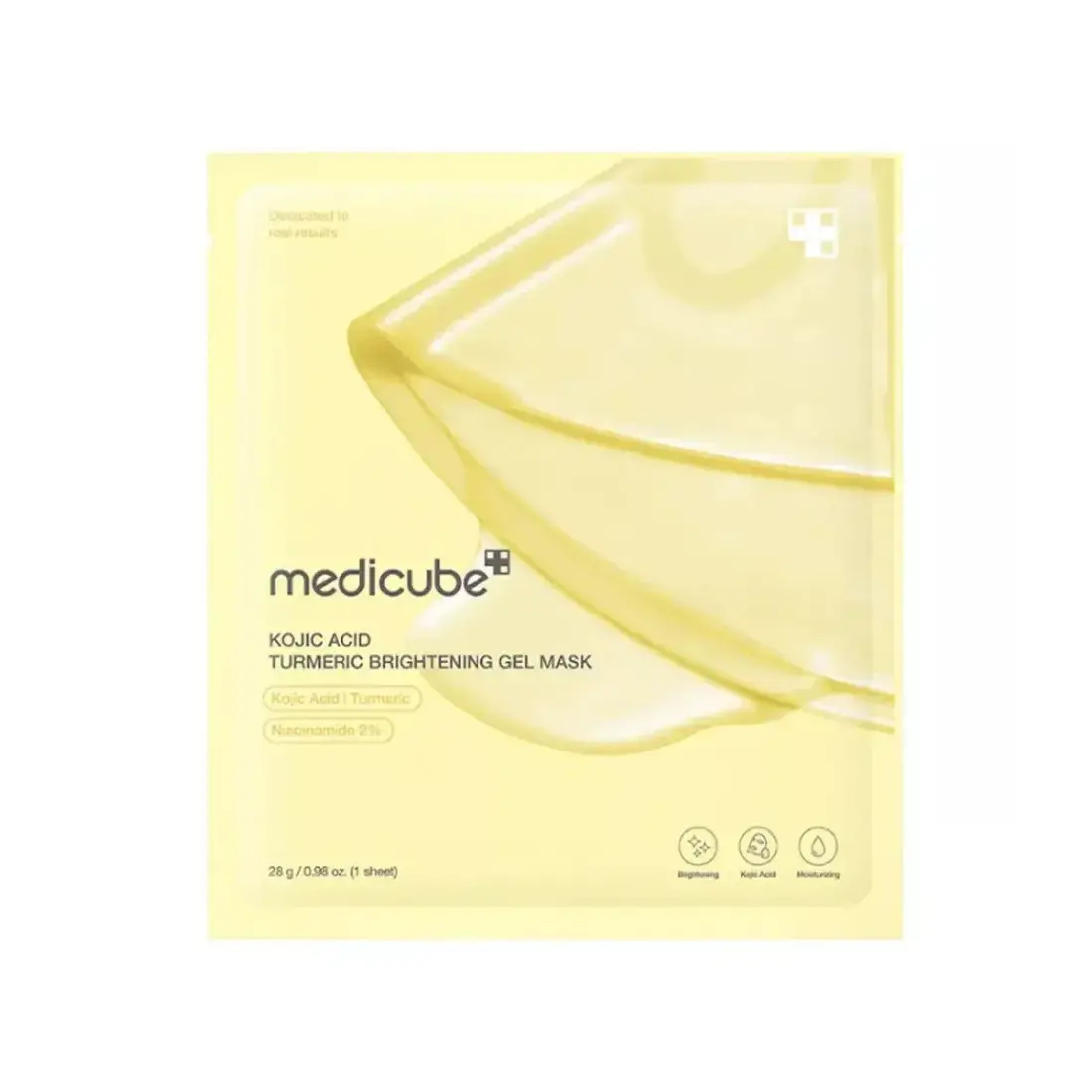
For an occasional brightening boost, the Medicube Kojic Acid + Turmeric Brightening Gel Mask combines kojic acid with turmeric for a gentle few-times-a-week treatment. Explore more on our skincare page.
The bottom line
Kojic acid is one of the safest, most effective ways to fade dark spots and even out tone on brown Pakistani skin, as long as you use a leave-on formula, apply it consistently, and never skip sunscreen. Skip the miracle "whitening" bars; reach for a proper Medicube kojic acid cream instead.
This article is for general information and is not a substitute for personalised medical advice. For persistent or worsening pigmentation, please see a dermatologist.
Shop Medicube Kojic Acid Turmeric Cream →Related guides
- How to treat dark spots on your face
- Best pigmentation & melasma creams in Pakistan
- Tranexamic acid for melasma & dark spots
Related on Yellow Pink: Medicube kojic acid cream
Frequently asked questions
Can I use kojic acid every day?
Yes, once your skin is used to it, daily use is how you get results. Ease in slowly if your skin is sensitive, and always wear sunscreen in the day.
Does kojic acid whiten skin permanently?
No. Kojic acid fades excess pigment in spots and patches; it does not change your natural skin tone, and results fade if you stop using it and skip SPF.
Kojic acid soap or cream, which is better?
A leave-on cream or serum is far more effective because it stays on your skin. Use kojic soap as a gentle supporting cleanse, not your main treatment.
Can I use kojic acid with vitamin C or niacinamide?
Yes. It layers well with both. A common routine is vitamin C in the morning and a kojic-acid treatment at night.
Can you make kojic acid at home?
Not really. Kojic acid is produced by fermenting rice or grains with a specific fungus under controlled conditions; rice water and other DIY versions contain little to none of it. Home mixes also have no way to control concentration or stability, which is what keeps the ingredient safe and effective. A properly formulated cream or serum costs little and actually works.
Where can I buy kojic acid products in Pakistan?
Pharmacies and beauty stores carry kojic soaps, but leave-on formulas are harder to find on shelves. We stock the Medicube Kojic Acid Turmeric Vita Capsule Cream and the Medicube Kojic Acid + Turmeric Gel Mask, both authentic and delivered nationwide with cash on delivery.
How long can I keep using kojic acid cream?
A common approach is a 2 to 3 month course, then a check in the mirror. If the marks have faded, you can drop to a few nights a week for maintenance, with daily sunscreen doing the guard duty. If a patch has not budged after 3 months of consistent use, see a dermatologist rather than pushing the concentration higher.
Can kojic acid make skin darker?
Kojic acid itself does not darken skin. What can happen is irritation: if you overuse it and the skin becomes inflamed, brown skin often responds to that inflammation with new pigment. That is why easing in, moisturising, and cutting back at the first sign of persistent redness matter, and why sunscreen is part of the treatment.
Does kojic acid cause cancer?
No. At the low concentrations used in skincare (typically 1% or less in leave-on products), cosmetic safety panels consider kojic acid safe as used. The scare stories come from studies feeding animals very large oral doses, which says nothing about a thin layer of cream on skin.
Liked this one? Get the next in your inbox.
One fortnightly note from the editors, new pieces, restocks, and the routines we're actually using. Unsubscribe any time.