How to Treat Dark Spots on Your Face: Causes & Proven Fixes
Why dark spots and hyperpigmentation appear, the ingredients and treatments that actually fade them, and how to prevent new ones in Pakistan's sun.
Did you know? Most dark spots on Pakistani faces are made or made worse by one thing: the sun. These stubborn brown or grey patches, left by acne, UV or hormones, are one of the most common skin concerns in the country.
The good news is that most of them fade with the right routine. The catch is that it takes the right ingredients, daily sun protection, and patience. Here is exactly what causes dark spots and what genuinely clears them.
What causes dark spots?
Dark spots are areas where skin has made too much melanin. Dermatologists call this hyperpigmentation. According to the Cleveland Clinic, the main triggers are:
| Type | Cause |
|---|---|
| Sun spots | Years of UV exposure (very common in Pakistan) |
| Post-inflammatory (PIH) | Marks left after acne, irritation or injury |
| Melasma | Hormonal, pregnancy, the pill; larger patches |
| Age spots | Built-up sun damage over time |
The ingredients that actually fade dark spots
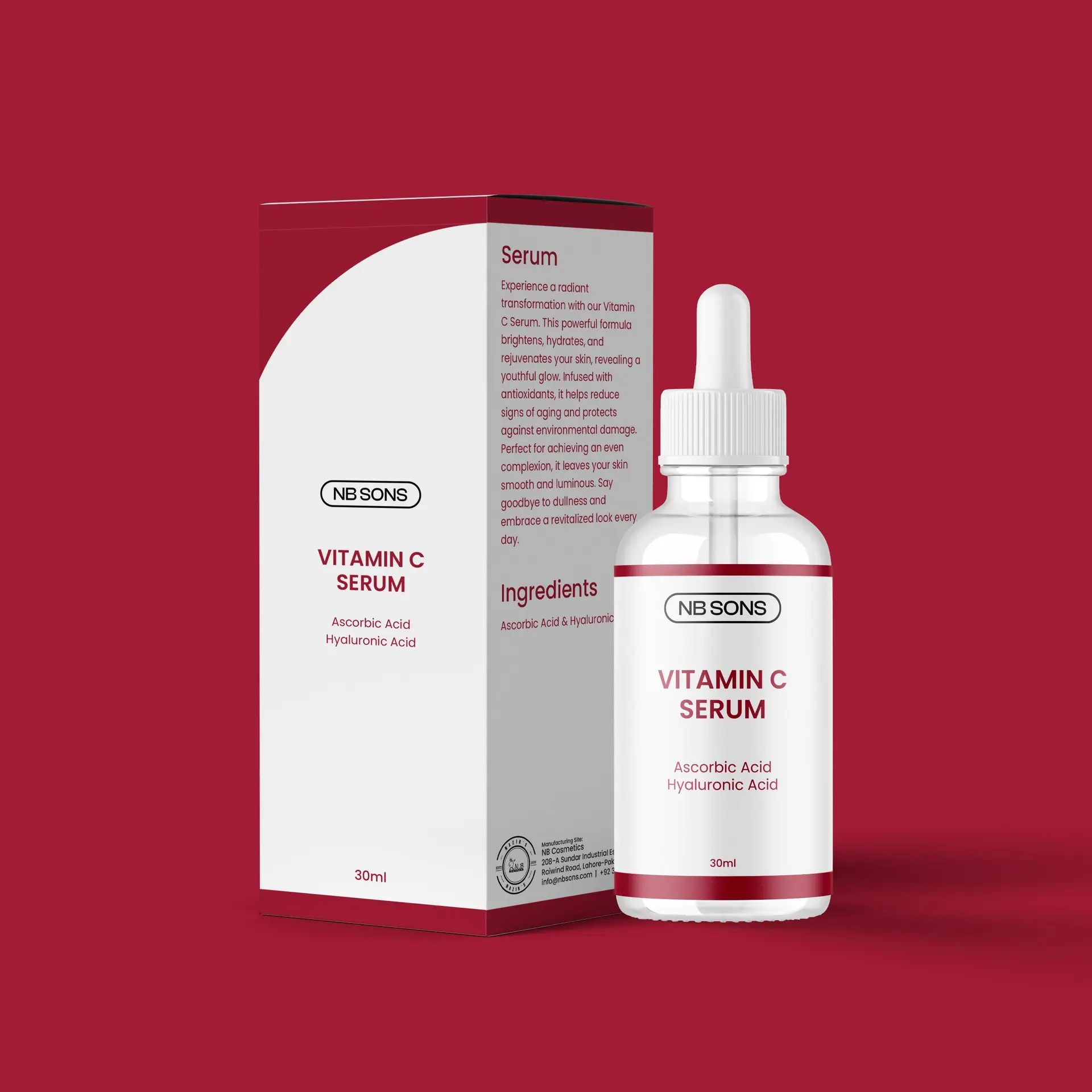
- Vitamin C. Brightens and fades dullness, and is great every morning. Try our Vitamin C Serum.
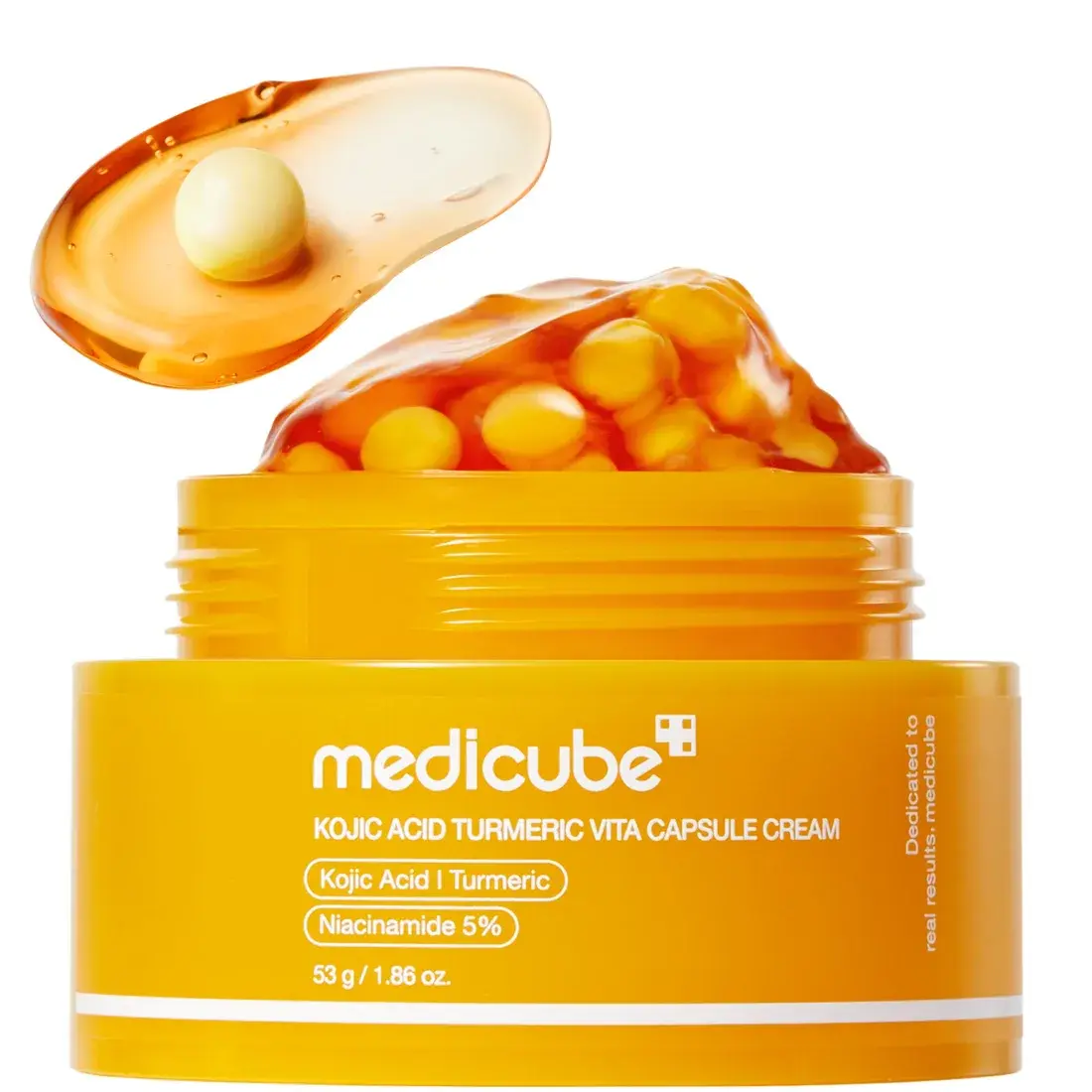
- Kojic acid. Directly targets melanin production, so it is excellent for stubborn patches. Our Medicube Kojic Acid Turmeric Vita Capsule Cream combines it with glutathione.
- Niacinamide. Reduces pigment transfer and calms redness. See our niacinamide guide.
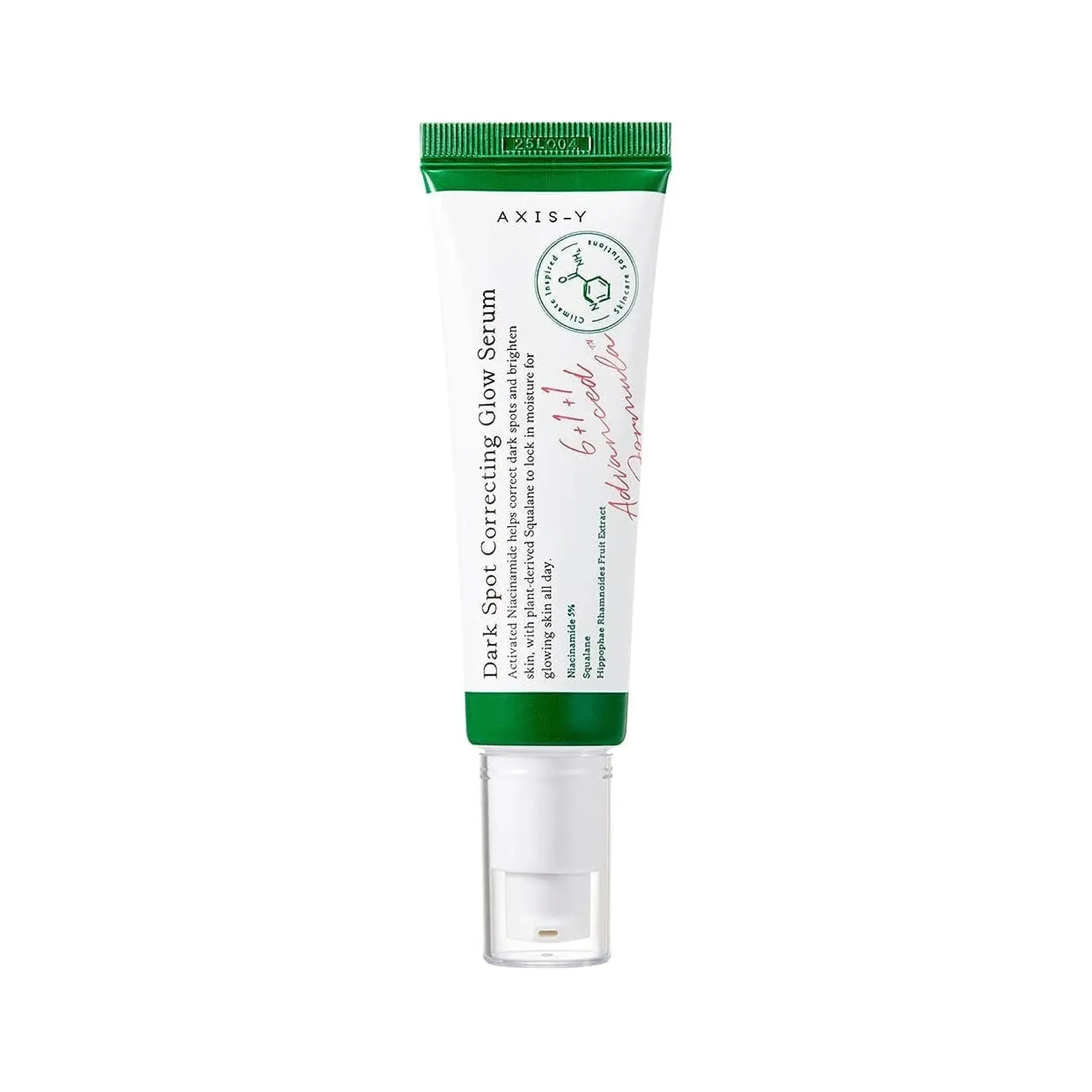
- Targeted dark-spot serums, like the Axis-Y Dark Spot Correcting Glow Serum.
- Azelaic acid. Gentle, and especially good for acne-prone, sensitive skin.
Support from within
Dark spots are a pigment problem, so antioxidant support helps your topicals work harder. Oral Gluthic glutathione and vitamin C support a brighter, more even tone over time. Read more in our reduce-melanin guide.
Prevention: the step most people skip
Every dermatologist agrees on this: without daily sunscreen, dark spots keep coming back. UV both creates new pigmentation and darkens existing spots.
Apply a broad-spectrum SPF 30 to 50 every morning and reapply through the day. It protects every bit of fading progress you make.
In-clinic options for stubborn spots
Is at-home care not enough? A dermatologist can offer chemical peels, microneedling or laser treatments.
These work faster but cost more, and you still need diligent sun protection afterwards. Melasma in particular is best managed with professional guidance.
How long does it take?
Surface spots often start fading in 4 to 8 weeks. Deeper or hormonal pigmentation can take several months. Consistency beats intensity. Gentle daily care plus sunscreen wins over harsh, occasional treatments.
The bottom line
Fade dark spots with proven actives: vitamin C, kojic acid and niacinamide, supported by glutathione from within. Then lock in results with daily sunscreen.
Give it 8 to 12 weeks, and see a dermatologist for stubborn melasma.
Shop Medicube Kojic Acid Turmeric Cream →Related guides
Frequently asked questions
What is the fastest way to remove dark spots?
At home, use a vitamin C serum in the morning and a kojic-acid treatment at night, with daily sunscreen. That gives the best balance of speed and safety. For rapid results, a dermatologist's peel or laser is faster but pricier.
Why do my dark spots keep coming back?
Almost always because of skipped sunscreen. UV re-triggers pigmentation, so daily SPF is essential to keep spots from returning.
Can dark spots be removed permanently?
Spots can fade a lot and stay away with ongoing sun protection. But skin prone to pigmentation can form new spots if it is left unprotected. Maintenance matters.
Liked this one? Get the next in your inbox.
One fortnightly note from the editors, new pieces, restocks, and the routines we're actually using. Unsubscribe any time.