Niacinamide Serum: Benefits, How to Use & Best Picks in Pakistan
Niacinamide serum in Pakistan: what it does for oily, spot-prone skin, which strength to buy, how to layer it, and which serums to pick.
Did you know? Niacinamide is a form of vitamin B3. It is also one of the most studied actives in modern skincare. It is gentle enough for almost everyone, yet backed by real research.
Does your skin look shiny by midday? Does it break out along the T-zone, or hold onto dark marks long after a pimple has healed? Then a niacinamide serum is worth understanding before any other.
It happens to target the exact concerns that Pakistan's strong sun, heat and pollution tend to make worse. This guide explains what niacinamide does and what strength to look for. It also covers how to layer it, and which serums you can buy in Pakistan today.
Shop the picks in this guide
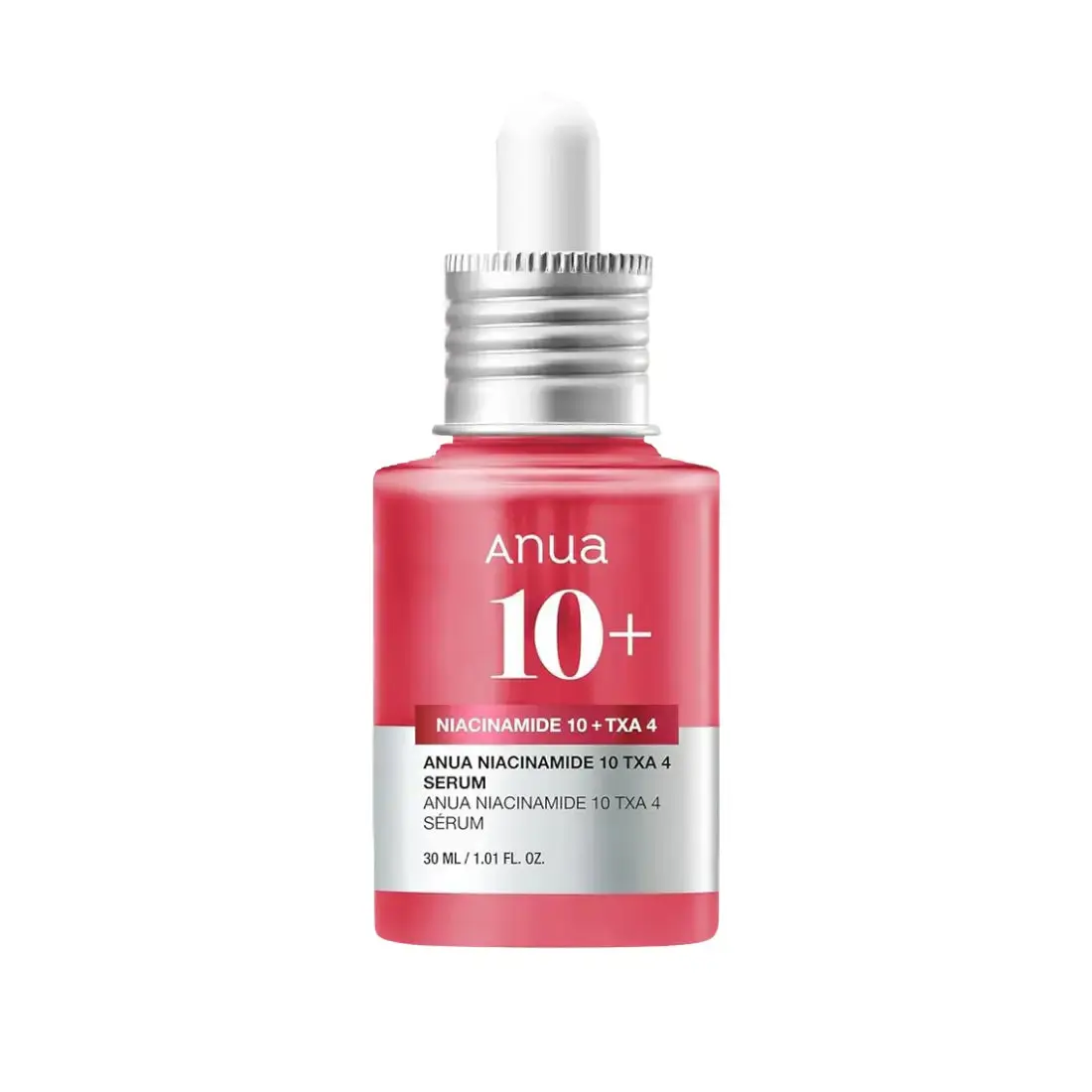
- Anua Niacinamide 10% + TXA 4% Serum 30ml, Rs 5,410, the strongest pick for dark spots and post-acne marks
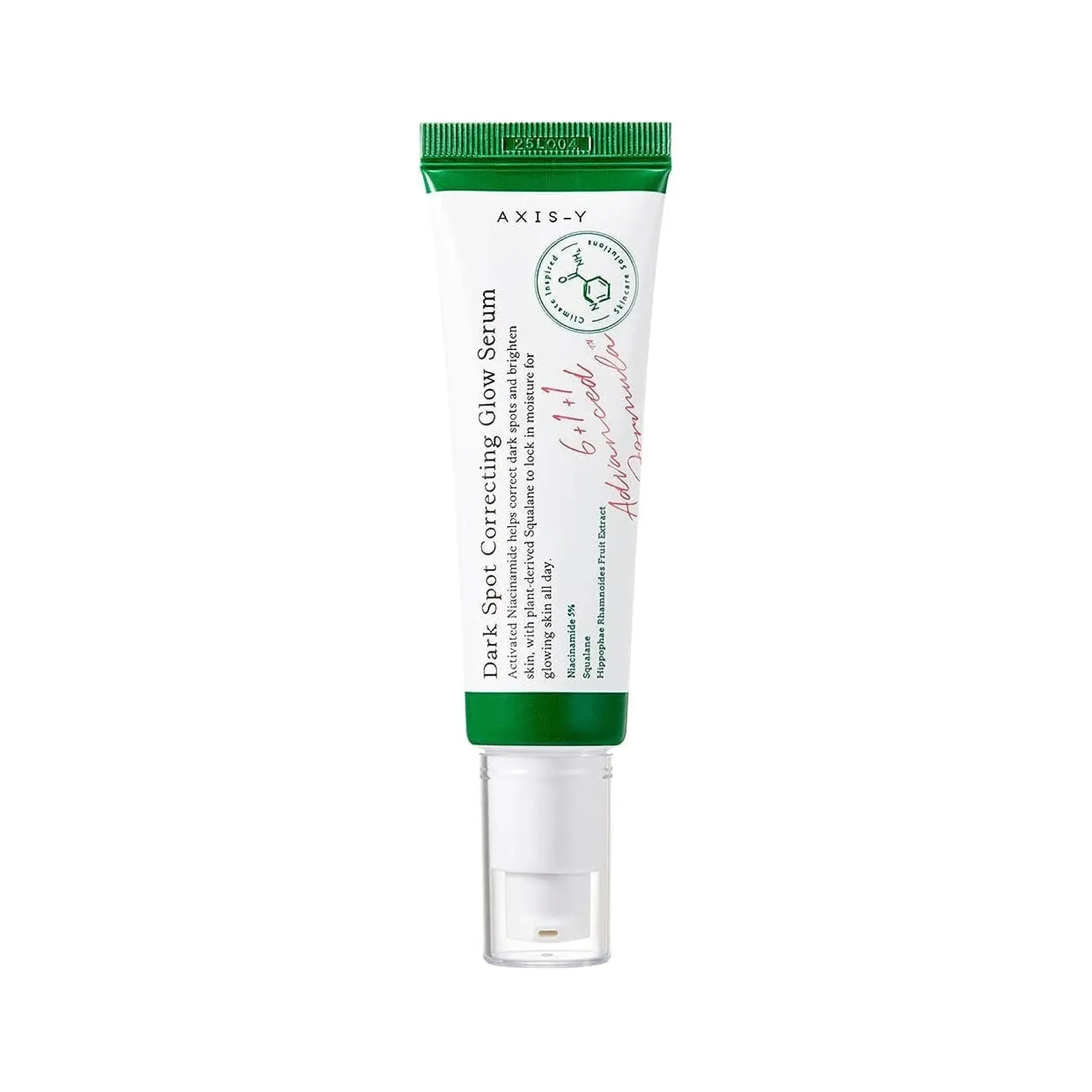
- Axis-Y Dark Spot Correcting Glow Serum 50ml, Rs 3,000, 5% niacinamide with squalane for a lighter, dewier finish
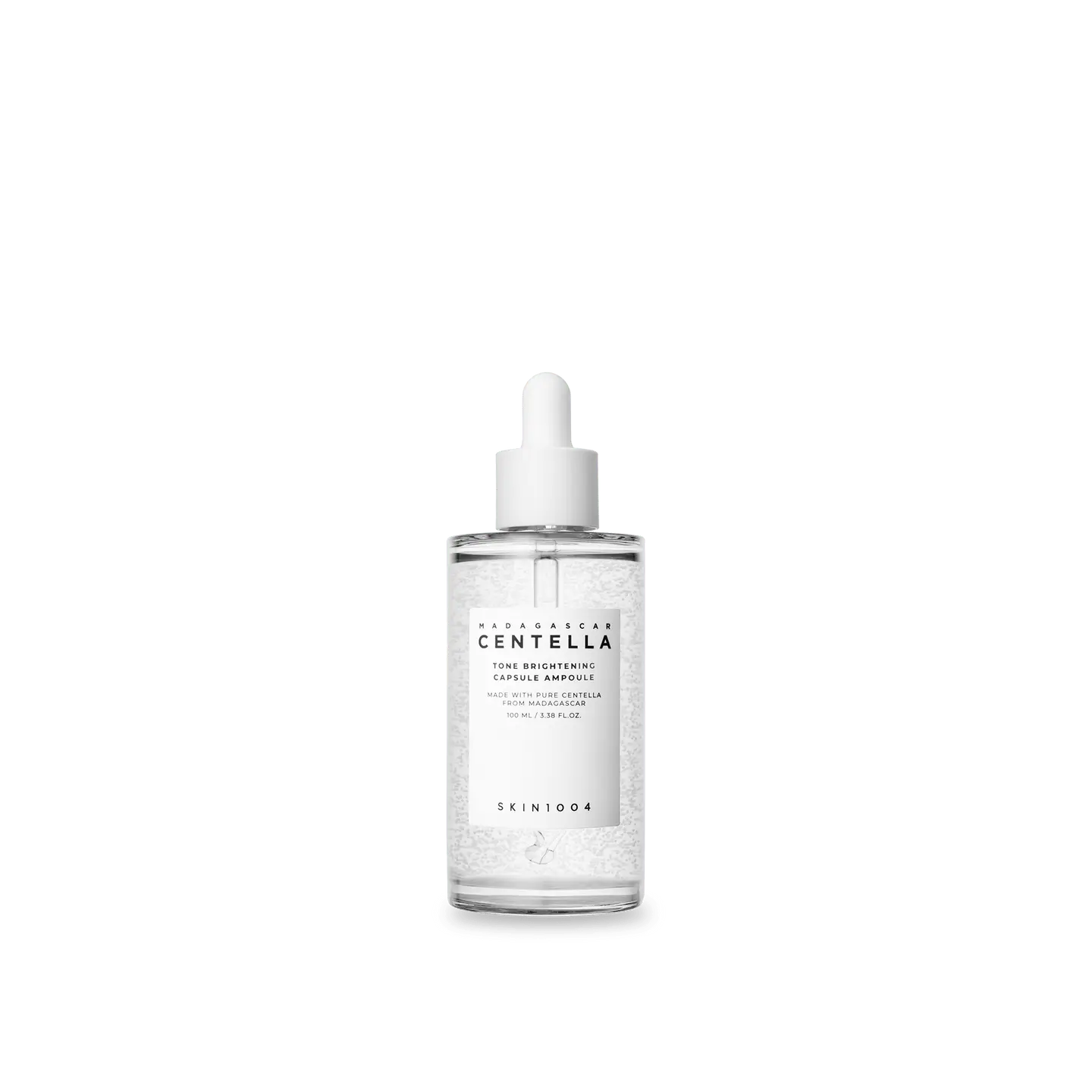
- SKIN1004 Madagascar Centella Tone Brightening Capsule Ampoule 100 ml, Rs 5,130, a gentler 4% strength in a large bottle, good for starting out
- Medicube TXA + Niacinamide Capsule Cream 55g, Rs 5,500, for anyone who would rather get niacinamide from a moisturiser than add a serum step
What is niacinamide?
Niacinamide is a form of vitamin B3 (also called nicotinamide). It is water-soluble. That is why it shows up most often in lightweight serums and essences rather than heavy oils.
Unlike stronger actives such as retinol or exfoliating acids, niacinamide suits nearly every skin type. That means oily, dry, combination and sensitive skin. It also does not make skin more sensitive to sunlight.
That mix of "does a lot" and "rarely irritates" is why it turns up in so many routines.
What niacinamide does for skin
Niacinamide is a true multi-tasker. These are the four benefits with the strongest evidence behind them.
Controls oil and softens the look of pores
Niacinamide helps regulate sebum, the skin's natural oil. In a trial of a 2% niacinamide moisturiser published in the Journal of Cosmetic and Laser Therapy, measured sebum excretion fell after two and four weeks in the Japanese group, and casual sebum levels fell after six weeks in the US group. Not every measure moved in both groups, so treat it as a real but moderate effect.
Less surface oil means skin looks less shiny and pores appear tighter. That is welcome through a Karachi or Lahore summer, when heat and humidity push oil glands into overdrive.
Fades dark spots and evens out tone
This is niacinamide's standout benefit for South Asian skin. Brown skin is more prone to post-inflammatory hyperpigmentation, the stubborn brown marks left behind by acne, insect bites or any irritation.
Niacinamide is thought to slow the transfer of pigment (melanin) into the surface skin cells. In a half-face trial published in Dermatologic Surgery, 50 women applied 5% niacinamide twice daily for 12 weeks, and the treated side showed significant reductions in hyperpigmented spots and red blotchiness against the control side. The women in that trial were white, so read it as evidence for the ingredient rather than proof on brown skin.
Several of the serums here pair niacinamide with tranexamic acid (TXA), a second ingredient formulated for dark spots and melasma.
Strengthens the skin barrier
Niacinamide supports the skin's production of ceramides. These are the lipids that hold the barrier together.
A stronger barrier loses less water, so skin stays hydrated, calmer and less reactive. That matters in the dry Punjab and KP winters. It also helps inside air-conditioned offices, which quietly dehydrate skin all day.
Calms redness and blemish-prone skin
Its anti-inflammatory action helps settle the redness around active breakouts. It also soothes reactive, easily-flushed skin.
Niacinamide will not replace prescription acne treatment. Still, it is a calm, supportive addition to a breakout-prone routine that rarely causes problems.
Why niacinamide suits Pakistani skin
Three everyday realities make niacinamide especially relevant here:
- Strong year-round sun. UV exposure drives both oil production and pigmentation. Niacinamide helps on both fronts and pairs perfectly with the daily sunscreen that spot-prone skin needs.
- Heat and humidity. Months of high temperatures mean shine and clogged pores are a near-universal complaint. That is exactly what niacinamide's sebum-regulating action addresses.
- A tendency to pigment. Brown South Asian skin marks easily and holds pigment for longer. So an ingredient that fades dark spots without irritation is genuinely valuable, not just nice to have.
What strength should you choose?
Most niacinamide serums sold here sit between 4% and 10%. Higher is not automatically better. The two trials above used 2% and 5%, so the strengths with the best published support behind them are modest ones, and a very high number on the box is more likely to leave skin tingling than to work faster.
Match the strength to your skin, not to the biggest number on the box.
| Strength | Best for |
|---|---|
| 2 to 4% | Sensitive or first-time users; gentle barrier support |
| 5% | The well-studied middle, effective for most people with a very low irritation risk |
| 10% | Oil control and pigmentation, for skin already used to actives |
| Above 10% | Little published support and a higher chance of tingling, rarely worth it |
New to niacinamide? Start with a lower-strength formula a few nights a week. Then build up as your skin gets comfortable.
How to layer niacinamide with the rest of your routine
Niacinamide is famously easy-going. It sits happily alongside almost everything. So you do not need to alternate nights the way you might with stronger acids.
| Pair with | Verdict |
|---|---|
| Hyaluronic acid | ⭐⭐⭐⭐⭐ Perfect, hydration plus barrier support |
| Sunscreen | ⭐⭐⭐⭐⭐ Essential daily partner, especially for pigmentation |
| Retinol | ⭐⭐⭐⭐ Great, niacinamide helps buffer retinol's irritation |
| Vitamin C | ⭐⭐⭐⭐ Fine, modern formulas layer together without issue |
| AHAs / BHAs | ⭐⭐⭐ Fine; separate the steps if your skin is sensitive |
You may have read that "niacinamide cancels out vitamin C." Finished, modern formulas do not behave that way, and in practice the two layer together comfortably.
There is more on that in our guide to vitamin C serum.
How to use niacinamide serum, step by step
- Cleanse with a gentle face wash and pat skin until just damp.
- Apply niacinamide, a few drops, pressed over the whole face. Damp skin helps it spread evenly.
- Moisturise to seal everything in.
- Sunscreen every morning (SPF 30 or higher). This is non-negotiable if you are treating dark spots. Without it, pigmentation simply returns. If you want the sunscreen doing double duty, the Celimax Pore + Dark Spot Brightening Care Sunscreen SPF50+ carries niacinamide and tranexamic acid as well.
Niacinamide can be used morning, night, or both. In Pakistan's climate, many people prefer it in the morning for its oil-controlling effect under makeup and sunscreen.
Common niacinamide mistakes
- Chasing the highest percentage. A 5% serum used daily beats a 20% one that leaves your skin flushed.
- Expecting overnight results. Oil control shows in weeks; pigmentation takes a couple of months.
- Skipping sunscreen. The fastest way to undo any tone-evening progress.
- Layering ten products on top. Niacinamide, moisturiser and sunscreen is already a complete, effective routine.
How long until you see results?
Give it time and consistency. In the sebum trial above, measured oil had dropped by week two to week four, which fits what most people report about midday shine easing off first.
Dark spots and uneven tone take longer. The pigmentation trial ran for 12 weeks of twice-daily use, so plan for two to three months alongside sunscreen. Take a phone photo at the start so you can judge progress fairly. Day to day, change is too gradual to notice in the mirror.
Niacinamide serums to buy in Pakistan
All of these are authentic, imported and available with cash on delivery nationwide:
- For dark spots and pigmentation: the Anua Niacinamide 10% + TXA 4% Serum 30ml (Rs 5,410) pairs 10% niacinamide with 4% tranexamic acid and 2% arbutin, the combination that works hardest on stubborn marks. Fragrance free and alcohol free.
- For glow and gentle brightening: the Axis-Y Dark Spot Correcting Glow Serum 50ml (Rs 3,000) blends 5% niacinamide with squalane and antioxidant botanicals for a dewy finish. It suits oily and combination skin that wants radiance without grease.
- For a gentler starting strength: the SKIN1004 Madagascar Centella Tone Brightening Capsule Ampoule 100 ml (Rs 5,130) uses 4% niacinamide and 2% tranexamic acid with centella, and the 100 ml bottle lasts a long time. Made for normal, dry and combination skin.
- For a moisturiser-serum hybrid: the Medicube TXA + Niacinamide Capsule Cream 55g (Rs 5,500) delivers 5% niacinamide plus tranexamic acid capsules you mix into the gel in your palm, in a richer, barrier-supporting base. Medicube reports it tested as low-irritating in a human application test.
Browse the full range in The Skincare Edit or explore all skincare.
Shop the Anua Niacinamide 10% + TXA 4% Serum →The bottom line
If you buy one serum this year, niacinamide is the safest, most versatile place to start. That is especially true for Pakistani skin dealing with shine, breakouts and dark spots.
It is gentle, and unlike a lot of trendy actives it has real trials behind it. Nothing else in your routine has to move to make room for it.
Ready to start? The Anua Niacinamide 10% + TXA 4% Serum 30ml is our top pick for tone and dark spots. Pair it with a daily sunscreen and give it eight weeks.
Related guides
- Salicylic acid for acne: the complete guide
- Retinol for beginners: how to start without irritation
- Skincare routine order: how to layer your products
Related on Yellow Pink: hyaluronic acid serum
Ready to buy? Start with the Anua Niacinamide 10% + TXA 4% Serum if dark spots are your main concern, or compare the rest in serums and treatments. Everything is 100% authentic, with cash on delivery across Pakistan and free delivery on orders over Rs 5,000 in Punjab.
Frequently asked questions
How do I use niacinamide serum?
After cleansing, press a few drops over damp skin. Then follow with moisturiser. In the morning, always finish with sunscreen. It can be used once or twice daily.
Can I use niacinamide with vitamin C?
Yes. The warning that they cancel each other out is an old one, and it does not hold for finished modern formulas. Many people use vitamin C in the morning and niacinamide at night, or simply layer both.
Does niacinamide lighten or whiten skin?
Niacinamide does not bleach skin. It fades dark spots and evens out tone by reducing excess pigment. So skin looks clearer and more uniform, not artificially lighter.
Can I use niacinamide every day?
Yes. Daily use, morning and/or night, is exactly how it is meant to be used. It is one of the few actives with essentially no "rest day" requirement for most people.
Does niacinamide have side effects?
It is very well tolerated. Very high concentrations can cause a brief tingle or flush in some people. If that happens, switch to a 5% formula and use it less often. Always patch-test a new product first, and if you have a diagnosed skin condition or use a prescription treatment, check with your doctor before adding an active.
Niacinamide or salicylic acid for oily, acne-prone skin?
They do different jobs and work well together. Salicylic acid clears inside the pore; niacinamide controls oil and calms redness. For active breakouts, many people use both, salicylic acid as a treatment and niacinamide as the daily supportive serum.
Is niacinamide good for oily skin?
Yes, it is one of the best-matched actives for oily skin. In the trial above, a 2% formula lowered measured sebum within a few weeks, so midday shine drops and pores look tighter. A 5 to 10% serum each morning under sunscreen is the classic oily-skin setup.
Is niacinamide good for dry skin?
Yes, for a different reason: it supports the skin's own ceramide production, and ceramides are the lipids that hold the moisture barrier together. Dry skin loses less water and feels calmer. Pair it with a hyaluronic acid serum and a proper moisturiser rather than using it alone.
Does niacinamide cause acne or purging?
No. Niacinamide does not increase cell turnover, so it cannot cause the "purging" that retinoids and exfoliating acids sometimes do. If a new niacinamide product breaks you out, the culprit is usually another ingredient in the formula (a heavy base or fragrance), not the niacinamide. Switch to a lighter formula and reintroduce slowly.
Can I use glycolic acid and niacinamide together?
Yes. The simplest split is glycolic acid at night, two or three times a week, and niacinamide daily in the morning. Sensitive skin can keep them on separate nights. Our glycolic acid guide covers how to build up safely.
Liked this one? Get the next in your inbox.
One fortnightly note from the editors, new pieces, restocks, and the routines we're actually using. Unsubscribe any time.