Glycolic Acid: Benefits, How to Use It & Best Picks in Pakistan (2026)
Glycolic acid benefits for brighter, smoother skin, how to use it without irritation, and the best glycolic acid products to buy in Pakistan right now.
Did you know? Glycolic acid has the smallest molecule of all the alpha hydroxy acids, so it sinks in faster than any other. That is why it is the go-to choice for dull, rough or marked skin.
If your skin looks tired or uneven, glycolic acid earns its place quickly. It is the most studied AHA and the top pick for brighter, smoother, more even skin. Used well, it transforms texture. Used carelessly, it can irritate, so here is how to get it right.
This guide covers what glycolic acid does, how it differs from salicylic acid, the strengths available, what to pair it with, the mistakes to skip, and which product to buy in Pakistan.
What is glycolic acid?
Glycolic acid is an alpha hydroxy acid (AHA) made from sugar cane. It has the smallest molecule of all the AHAs, so it penetrates the skin easily and works efficiently.
It is a chemical exfoliant. Instead of scrubbing, it gently dissolves the bonds that hold dull, dead cells on the surface. That reveals the fresher skin underneath. You can read a clinical overview of AHAs on DermNet.
The benefits of glycolic acid
- Brightens dull skin. It sweeps away the build-up that makes skin look tired and grey.
- Smooths rough texture. It softens bumps and refines the skin surface over time.
- Fades dark spots and uneven tone. It speeds up cell turnover, so post-acne marks and pigmentation fade faster.
- Softens fine lines. Regular use supports a smoother, plumper look.
- Helps keep pores clear. It reduces the congestion that leads to blackheads and bumps.
- Boosts the rest of your routine. By clearing dead surface cells, it helps serums and moisturisers absorb better.
Glycolic acid vs salicylic acid: which do you need?
| Glycolic acid (AHA) | Salicylic acid (BHA) | |
|---|---|---|
| Best for | Dullness, texture, dark spots, fine lines | Acne, blackheads, oily and clogged skin |
| Works on | The skin's surface | Inside oily pores |
| Skin type | Normal, dry, dull, ageing | Oily, acne-prone |
If breakouts are your main concern, start with our salicylic acid guide. If it is dullness, texture and marks, glycolic is your ingredient. Some people use both, glycolic for glow and salicylic for breakouts, just on separate nights.
Glycolic acid strengths: what to choose
Strength matters as much as the ingredient. As a rule, lower percentages used regularly beat high percentages used carelessly.
| Strength | Who it is for |
|---|---|
| Up to 7% (toner) | Beginners and everyday use, gentle brightening and smoothing |
| 8% to 10% | Experienced users wanting a stronger weekly result |
| Above 10% (peels) | Best left to in-clinic treatments by a professional |
For home use, a 7% toner is the sweet spot for most people in Pakistan. It is effective, but forgiving enough to use a few nights a week.
How to use glycolic acid
- Use it at night, after cleansing, on dry skin.
- Start with a lower strength. A 7% toner is a perfect everyday starting point. Use it just 2 to 3 nights a week, then build up as your skin adapts.
- Apply with a cotton pad or clean hands. Avoid the eye area and any broken or freshly shaved skin.
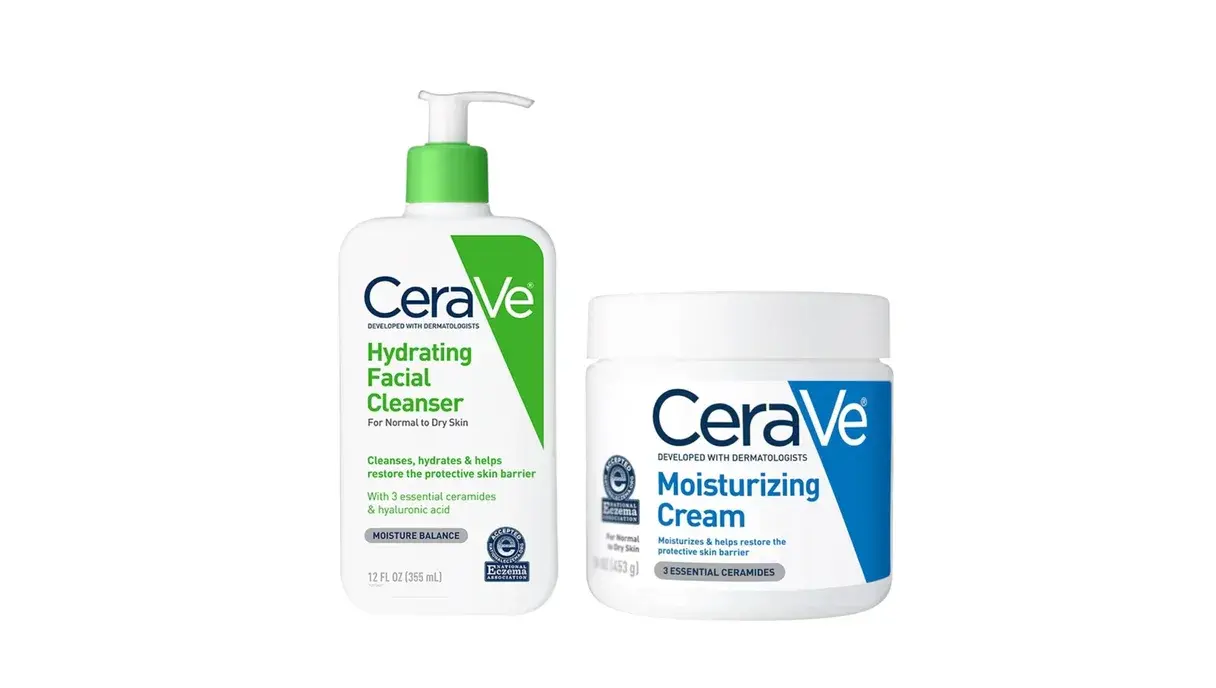
- Follow with a moisturiser to keep the barrier happy.
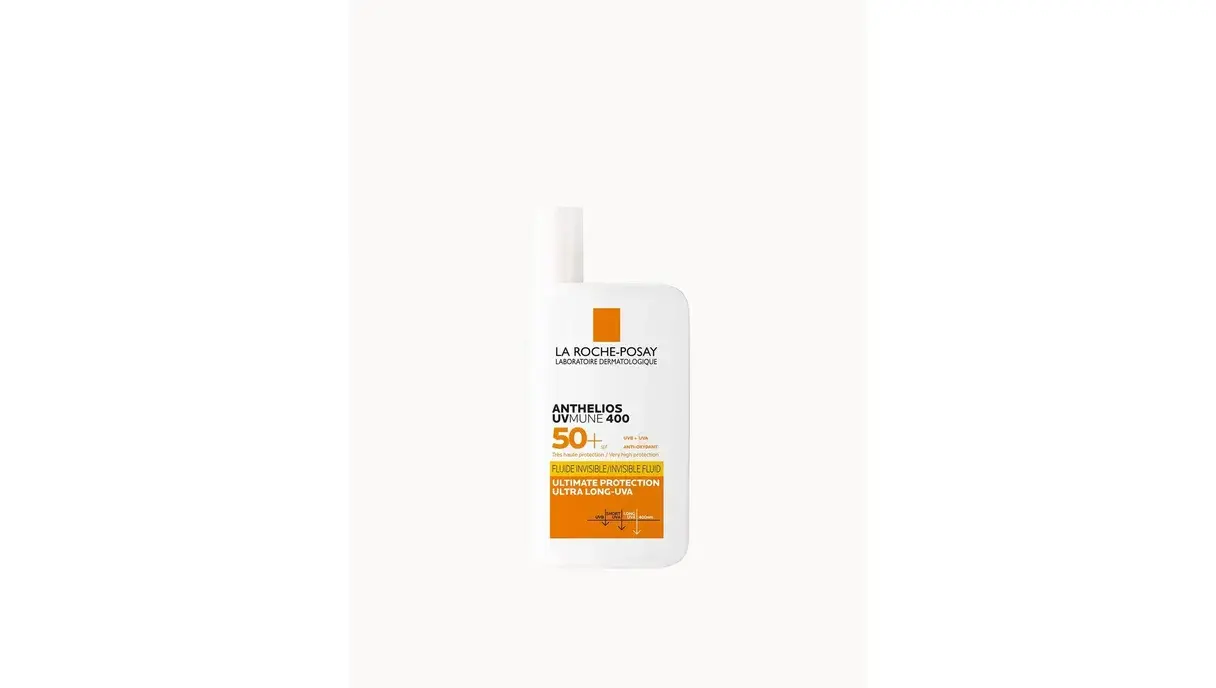
- Every morning, wear sunscreen. AHAs make skin more sun-sensitive, and skipping SPF undoes the work.
What to pair it with, and what to avoid
- Pair with: hydrating ingredients like hyaluronic acid, a good moisturiser, and niacinamide on alternate nights. These calm and support the skin while glycolic exfoliates.
- Avoid combining: glycolic with strong retinol on the same night, or with a second exfoliating acid at the same time. Both routes commonly cause redness and peeling.
- Space it out: if you use retinol, alternate nights so each active gets its own evening.
For the full layering order, see our skincare routine guide.
Common mistakes to avoid
- Using it too often, too soon. More is not better. Over-exfoliation leaves skin red, tight and more sensitive.
- Skipping sunscreen. This is the biggest mistake. Fresh skin is more vulnerable to sun, so daily SPF is essential.
- Stacking actives. Layering glycolic with retinol and vitamin C all at once overwhelms the barrier.
- Using it on irritated skin. If your skin is already stinging or peeling, pause and let it recover first.
Who should be careful?
If your skin is very sensitive, reactive or has a damaged barrier, introduce glycolic slowly. Or choose a gentler acid such as azelaic acid.
Pregnant or breastfeeding? Check with your doctor first. A little tingling on application is normal. Persistent stinging, redness or peeling means you are using it too often.
Best glycolic acid in Pakistan
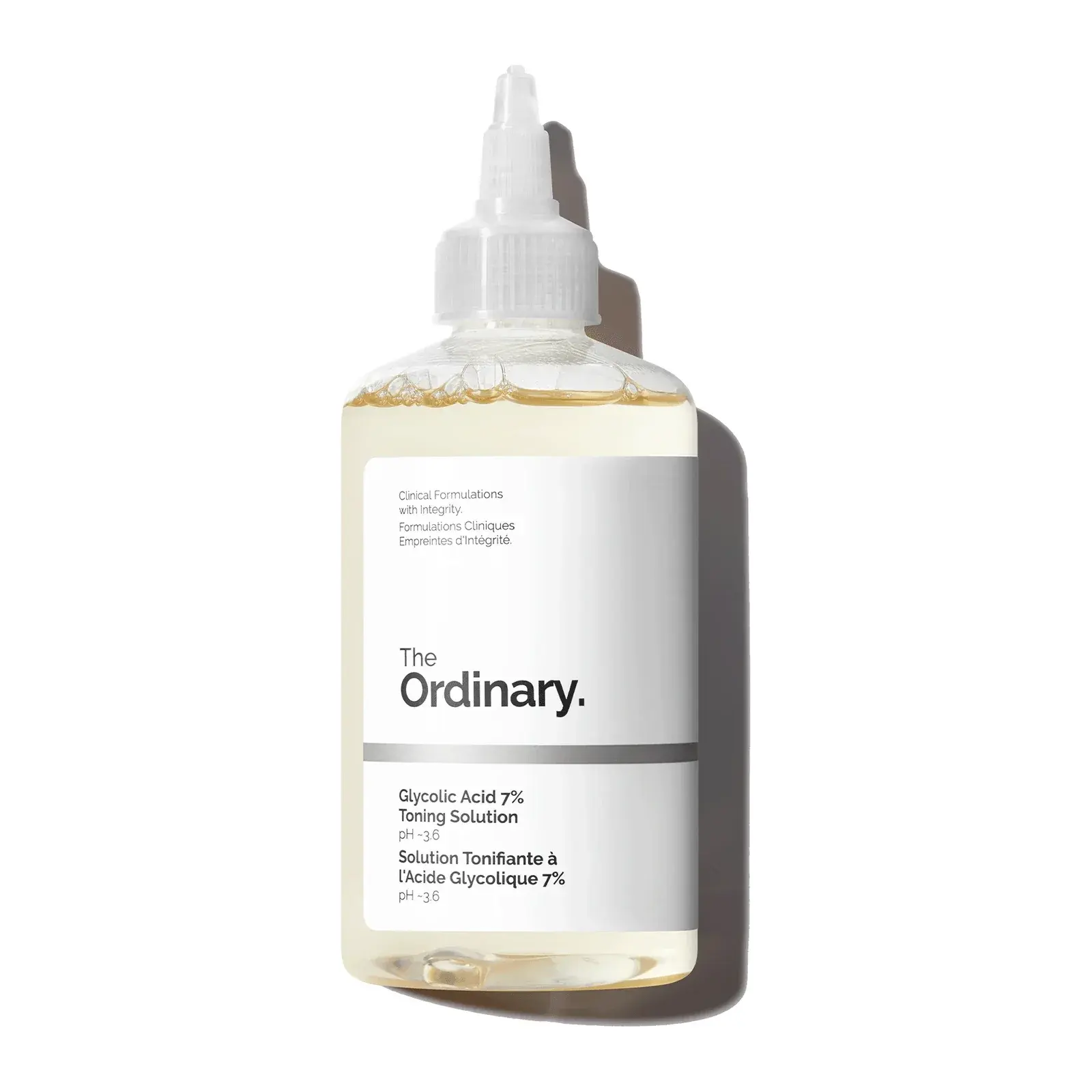
Our pick for most people is The Ordinary 7% Glycolic Acid Toning Solution. It is a cult, affordable exfoliating toner at an ideal everyday strength for brightening and smoothing. Sweep it over clean, dry skin a few nights a week and build up. Explore more on our skincare page.
The bottom line
Glycolic acid is the most reliable way to brighten dull skin, smooth texture and fade marks. Just start low, go slow, and never skip sunscreen. Begin with The Ordinary 7% Glycolic Acid Toner a few nights a week and let the results build.
This article was written and medically reviewed to our medical review board standards and is for general guidance, not personal medical advice. Always speak to a doctor or pharmacist about your own situation.
Shop The Ordinary Glycolic Acid Toner →Frequently asked questions
How often should I use glycolic acid?
Start 2 to 3 nights a week and increase gradually. Some people work up to nightly use, but more is not always better. Let your skin guide you.
Can I use glycolic acid every day?
Once your skin is fully adjusted, a low-strength glycolic toner can be used most nights. Build up slowly and always wear sunscreen by day.
Can I use glycolic acid with vitamin C or retinol?
Use vitamin C in the morning and glycolic at night if you want both. Introduce retinol and glycolic on separate nights at first to avoid irritation.
Does glycolic acid lighten skin?
It brightens and evens tone by exfoliating and fading marks and pigmentation. It does not bleach your natural skin colour.
How long until I see results?
Many people notice a brighter, smoother look within a couple of weeks. Fading marks and improving texture takes longer, usually 8 to 12 weeks of consistent use.
Is some tingling normal?
A mild, brief tingle on application is normal. Burning, lasting redness or flaking means you are using it too strong or too often, so cut back.
Can I use glycolic acid in summer?
Yes, but be extra strict with sunscreen and reapplication, since your skin is more sun-sensitive. Many people use it slightly less often in the hottest months.
Glycolic toner or a scrub, which is better?
A glycolic toner is gentler and more even than a gritty scrub, which can cause micro-tears. For most skin types, the acid is the smarter choice.
Liked this one? Get the next in your inbox.
One fortnightly note from the editors, new pieces, restocks, and the routines we're actually using. Unsubscribe any time.