Glycolic Acid Toner Price in Pakistan: The Ordinary 7% vs Pixi 5%
Glycolic acid toner price in Pakistan: compare The Ordinary 7% and Pixi Glow Tonic 5% on strength, skin type and live price, with COD nationwide.
Two glycolic acid toners keep coming up when Pakistani shoppers ask which one to buy: the 5% Pixi Glow Tonic and the 7% The Ordinary toner. Both are on our shelves right now, and they are close enough in price that the choice should come down to your skin, not the number on the tag.
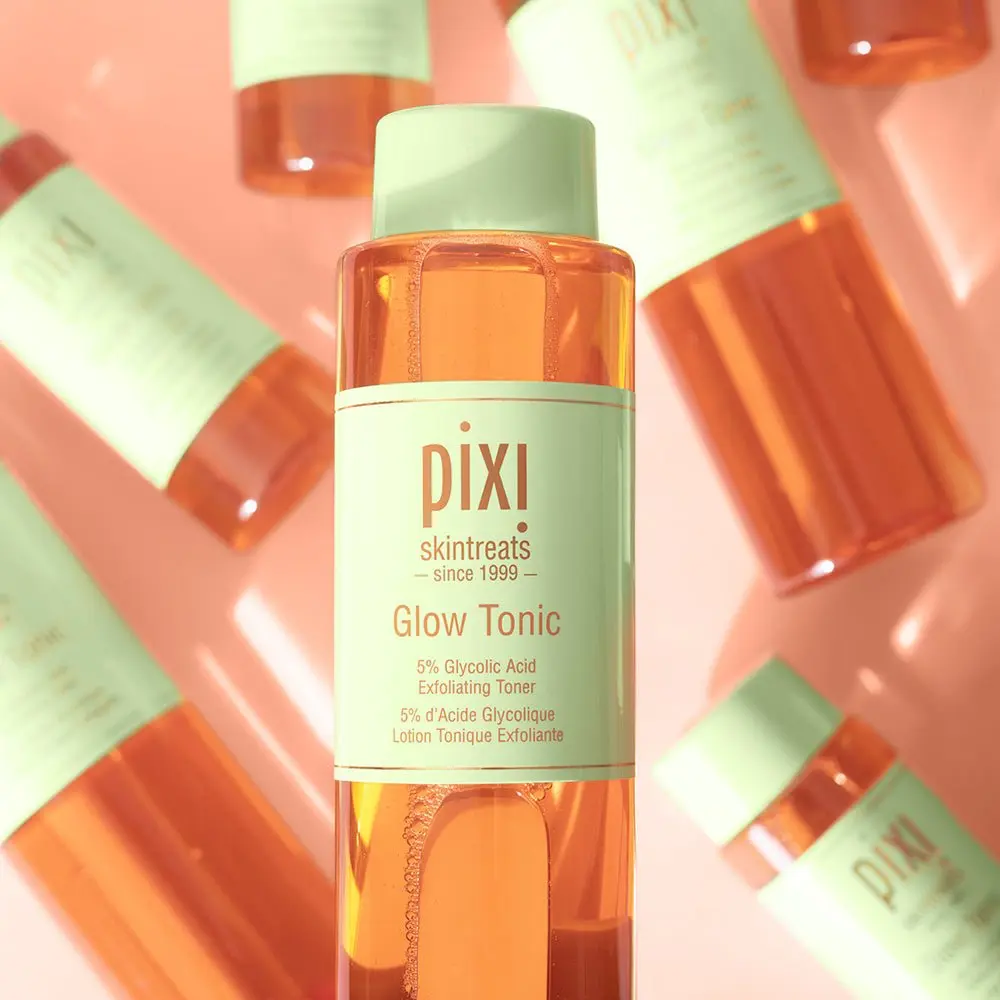
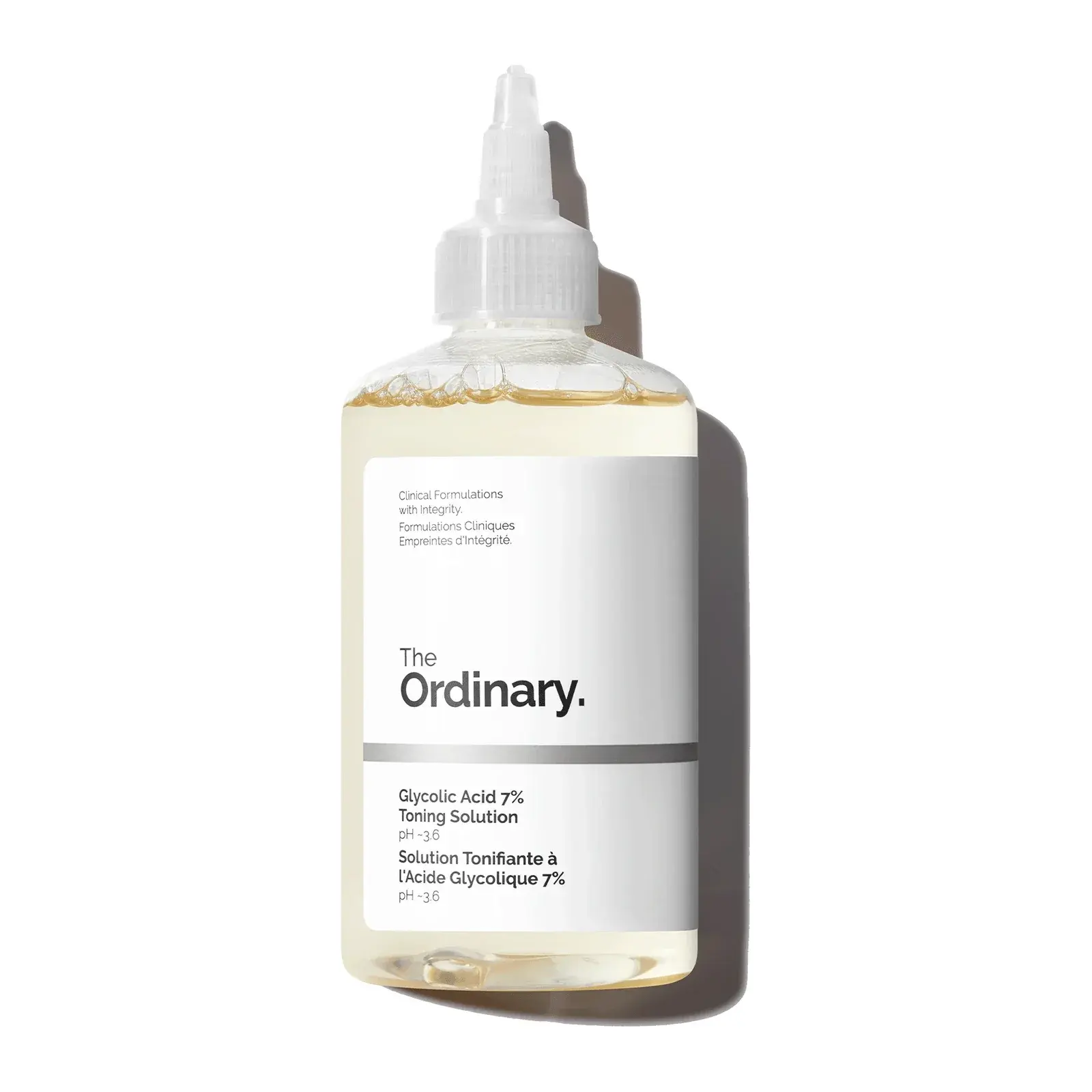
The Ordinary Glycolic Acid 7% Exfoliating Toner (240ml) is Rs 3,899 and the Pixi Glow Tonic 5% Glycolic Acid Toner (250ml) is Rs 3,999. Below is what each one actually contains, who should start where, and how to use either without wrecking your skin barrier.
Glycolic acid toner price in Pakistan: the two options side by side
| Toner | Glycolic acid | Size | Our price |
|---|---|---|---|
| Pixi Glow Tonic | 5% | 250ml | Rs 3,999 |
| The Ordinary Glycolic Acid 7% Toner | 7% | 240ml | Rs 3,899 |
Prices are read live from the product pages, so they match what you see at checkout. Both ship with cash on delivery across Pakistan.
What glycolic acid does to your skin
Glycolic acid is an alpha hydroxy acid (AHA). It loosens the bond between dead cells on the surface so they shed, which is why skin looks smoother and brighter after a few weeks of regular use. The US FDA describes AHA products as causing exfoliation, or shedding of the surface skin, and says the degree depends on the type and concentration of the acid, its pH and the other ingredients (FDA: Alpha Hydroxy Acids).
That is a surface effect. A toner will not erase deep scars or melasma, and it works slowly. Expect a change in texture and dullness over weeks, not overnight.
Pixi Glow Tonic 5%: the gentler start
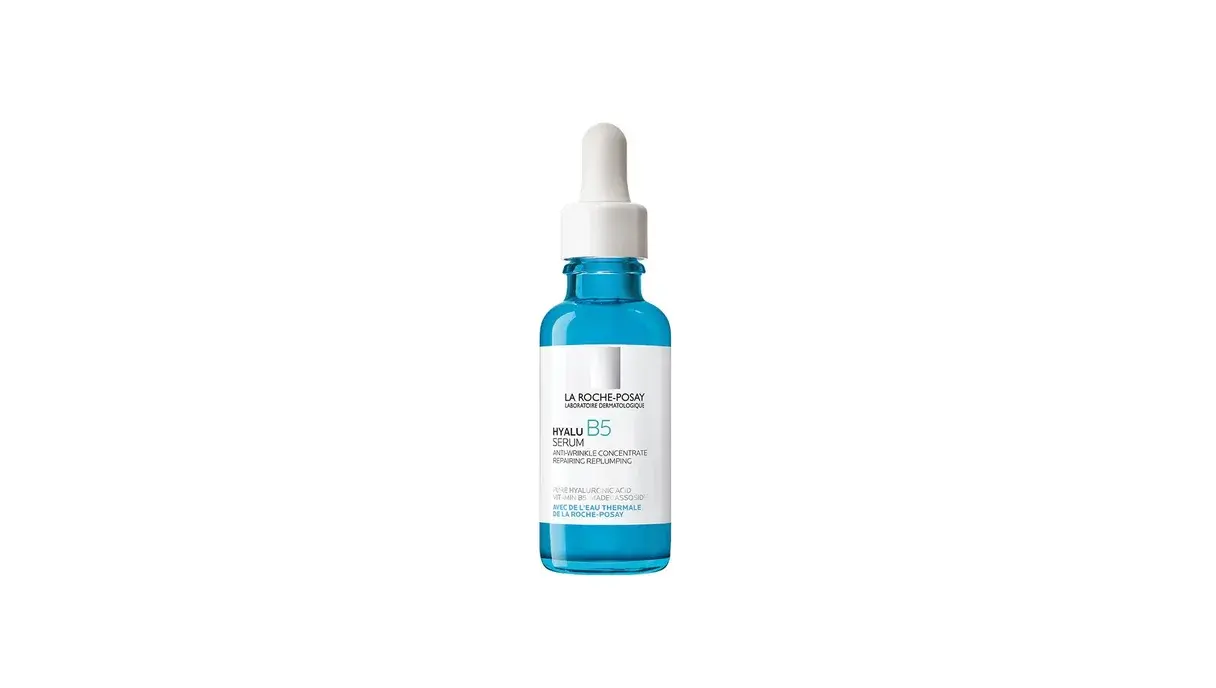
The product page lists 5% glycolic acid with aloe vera to soothe and ginseng for a livelier look, in an alcohol-free, vegan formula. Pixi designs it for daily use, morning and evening, and says it suits all skin types including oily, combination and balanced dry skin.
The brand also says that sensitive skin new to acid exfoliation should begin two or three times a week, and that is the sensible way to read it. The texture is a thin, fast-absorbing liquid with a non-sticky finish, so it layers easily under a serum.
Choose it if you have never used an exfoliating acid, your skin is normal to combination, or you want something you can use more often without much thought. More Pixi products are on the Pixi brand page, and our Pixi guide covers the rest of the range.
The Ordinary Glycolic Acid 7%: the stronger option
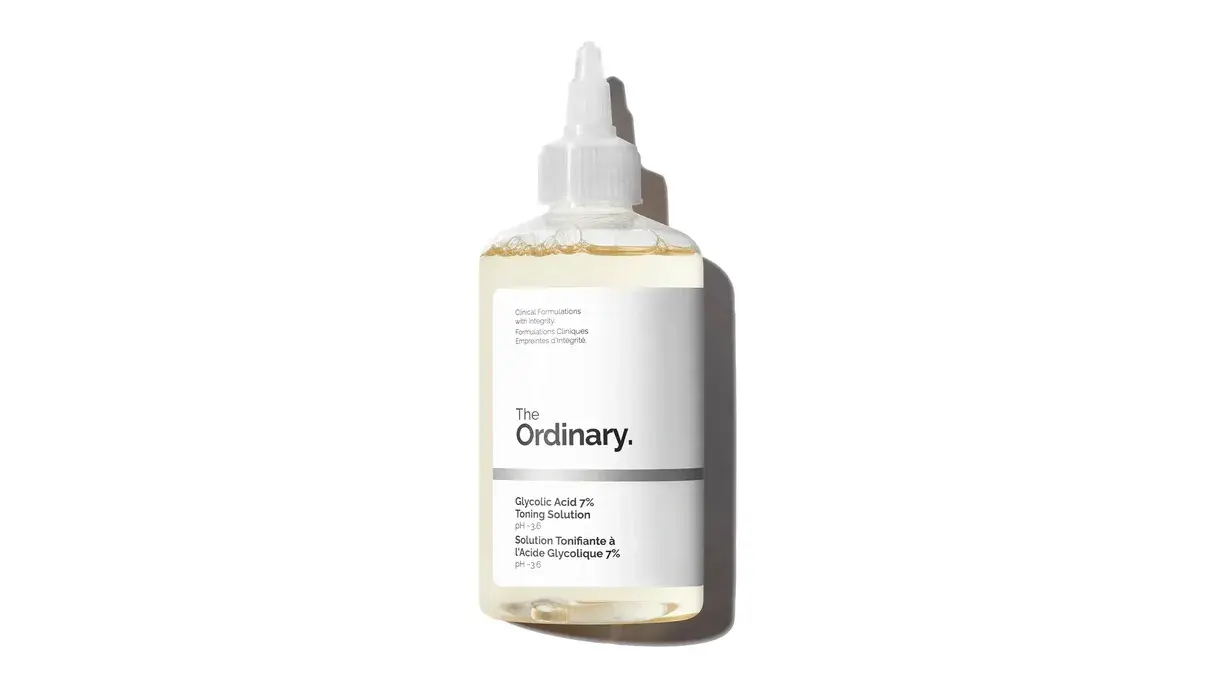
The Ordinary says this water-based toner has 7% glycolic acid, a pH of about 3.6, and a Tasmanian pepperberry derivative to help calm the irritation that exfoliation can cause. The brand also lists aloe leaf water and Panax ginseng root extract, and says the formula is alcohol-free, oil-free and silicone-free.
The brand's instructions are specific: apply once daily, ideally in the evening, to face and neck. It is not for sensitive, peeling or compromised skin. The Ordinary also says the toner can be used on the scalp, and on small rough or bumpy areas of the body, though most people will only want it on the face.
Choose it if your skin already handles acids, you want faster texture results, or you simply prefer a plain, no-frills bottle. Browse the rest on the The Ordinary brand page or in our The Ordinary guide.
Which one should you buy?
| Your situation | Better fit |
|---|---|
| First time using an acid toner | Pixi Glow Tonic 5% |
| Already comfortable with AHAs | The Ordinary 7% |
| Sensitive or easily flushed skin | Start with Pixi, two or three nights a week |
| Oily or bumpy skin that tolerates acids | The Ordinary 7% |
| Want to use a toner morning and evening | Pixi Glow Tonic 5% (made for AM and PM) |
Do not run both at the same time. Two exfoliating toners in one routine is the quickest route to a stinging, tight, peeling face. Pick one, use it for a month, and only then decide whether you need more strength.
How to use a glycolic acid toner
- Cleanse first. Wash with a gentle cleanser and pat dry.
- Apply with a cotton pad. Sweep across the face and neck, and keep it away from the eye area.
- Follow with moisturiser. A simple barrier cream after the toner keeps dryness in check.
- Use sunscreen the next morning. This step is not optional with any AHA.
- Start slowly. Two or three nights a week for the first two weeks, then increase only if your skin stays calm.
Sunscreen is part of the deal
The FDA says its studies confirmed that applying AHAs increases sensitivity to UV light. After four weeks of AHA application, volunteers' sensitivity to UV-induced reddening was 18 percent higher. The agency advises sun protection when you use AHAs.
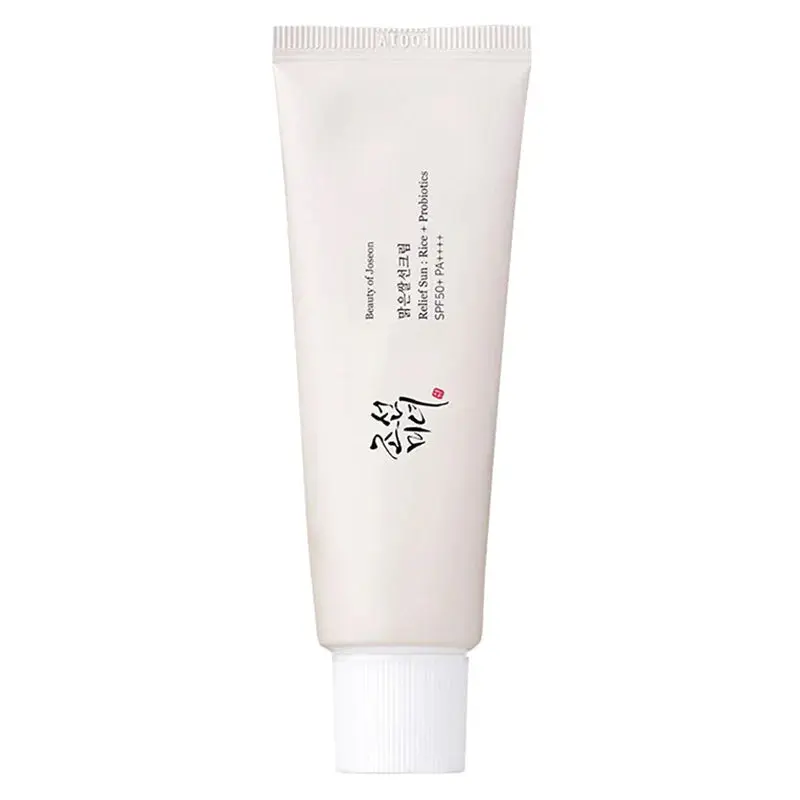
The Ordinary makes the same point on its page and adds that you should keep protecting your skin for a week after you stop. In Pakistani summers this matters more, so a daily SPF 50 is the baseline. We list a stocked option, Beauty of Joseon Relief Sun Rice + Probiotics SPF 50 (Rs 3,900), and our best sunscreen guide compares more.
What not to combine with it
The Ordinary tells users not to combine its glycolic toner in the same routine with retinoids, other direct acids, direct vitamin C, EUK 134, copper peptides, peptides or niacinamide powder. Keep your retinol on separate nights; the schedule is in our retinol guide. If you want the full picture on how this acid works, our glycolic acid guide goes deeper, and the face toner guide explains the other toner types.
Is it safe? A short checklist
The Cosmetic Ingredient Review panel concluded, as summarised by the FDA, that glycolic and lactic acid products are safe for consumers when the AHA concentration is 10 percent or less, the final pH is 3.5 or higher, and the product either protects against sun sensitivity or tells users to wear daily sun protection. Both toners here are under that 10 percent line.
Stop and see a doctor if you get burning that does not settle, blisters or swelling. Mild tingling at first is common with acids; pain is not normal.
Where to buy
Both toners are in the Cleansers & Treatments section, authentic and with cash on delivery across Pakistan. If you are unsure which suits your skin, message us on WhatsApp from the product page and describe your skin type.
Frequently asked questions
How often should I use a glycolic acid toner?
Start with two or three nights a week. The Ordinary suggests once daily in the evening for its 7% toner, and Pixi says its 5% toner can be used morning and evening, but both are fine to build up to gradually.
Can I use glycolic acid toner on oily skin?
Yes. Pixi lists oily and combination skin among the types its toner suits, and the alcohol-free formula is made to remove excess oil without stripping. Oily skin that tolerates acids can also use The Ordinary.
Can I use a glycolic toner with vitamin C or retinol?
The Ordinary advises against combining its toner in the same routine with retinoids and direct vitamin C. Put them on different nights or different times of day.
Which is cheaper, The Ordinary or Pixi?
Check the live prices in the table above, since they update with our catalogue. Compare them per millilitre too: the bottles are 240ml and 250ml.
Does glycolic acid toner lighten skin?
It helps shed dull surface cells, so skin can look brighter and more even over weeks. It does not change your natural skin tone, and it is not a treatment for deep pigmentation.
Liked this one? Get the next in your inbox.
One fortnightly note from the editors, new pieces, restocks, and the routines we're actually using. Unsubscribe any time.