Best Azelaic Acid in Pakistan (2026): Picks, Prices and How to Use It
Which azelaic acid to buy in Pakistan, from Anua's 10% serum to stronger gels: prices, who each one suits, and how to use it for dark spots and redness.
Did you know? Acne is the most common skin condition in the world, and on brown South Asian skin it loves to leave a dark mark long after the spot has gone. If you are fighting stubborn dark spots, breakouts and redness all at once, azelaic acid may be the calmest fix you have not tried.
It is one of the most versatile ingredients in skincare. It helps clear acne, fades pigmentation and soothes redness, yet it is gentle enough for sensitive skin. It is also widely considered safe in pregnancy.
This guide explains what azelaic acid does, who it suits, how to use it without irritation, what it costs in 2026, and which azelaic-acid products you can buy in Pakistan today.
Shop the picks in this guide (4)
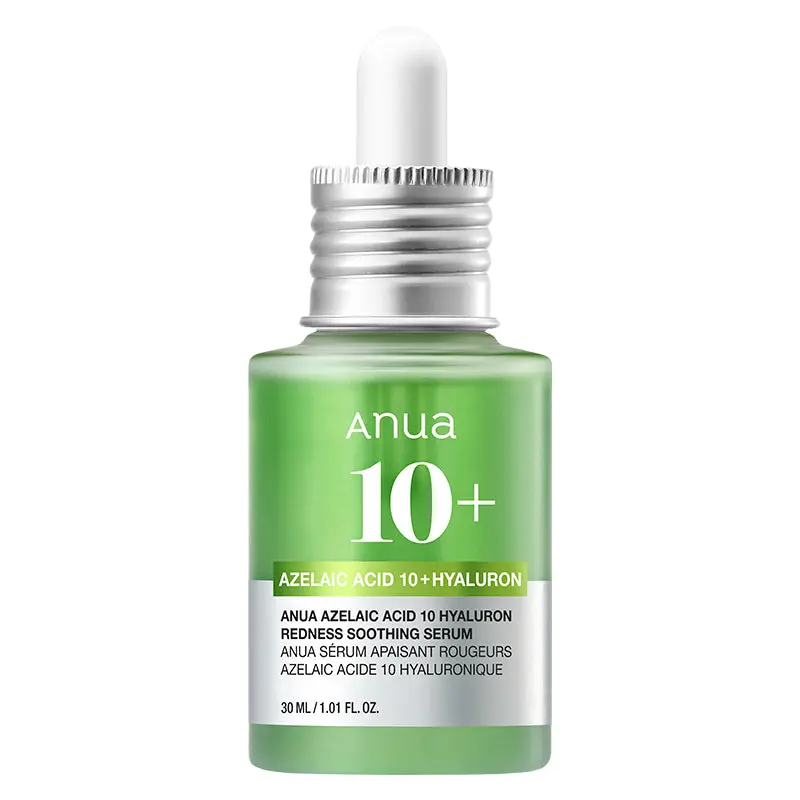
- Anua Azelaic Acid 10% + Hyaluron Redness Soothing Serum, Rs 4,420, the everyday 10% strength most readers start with
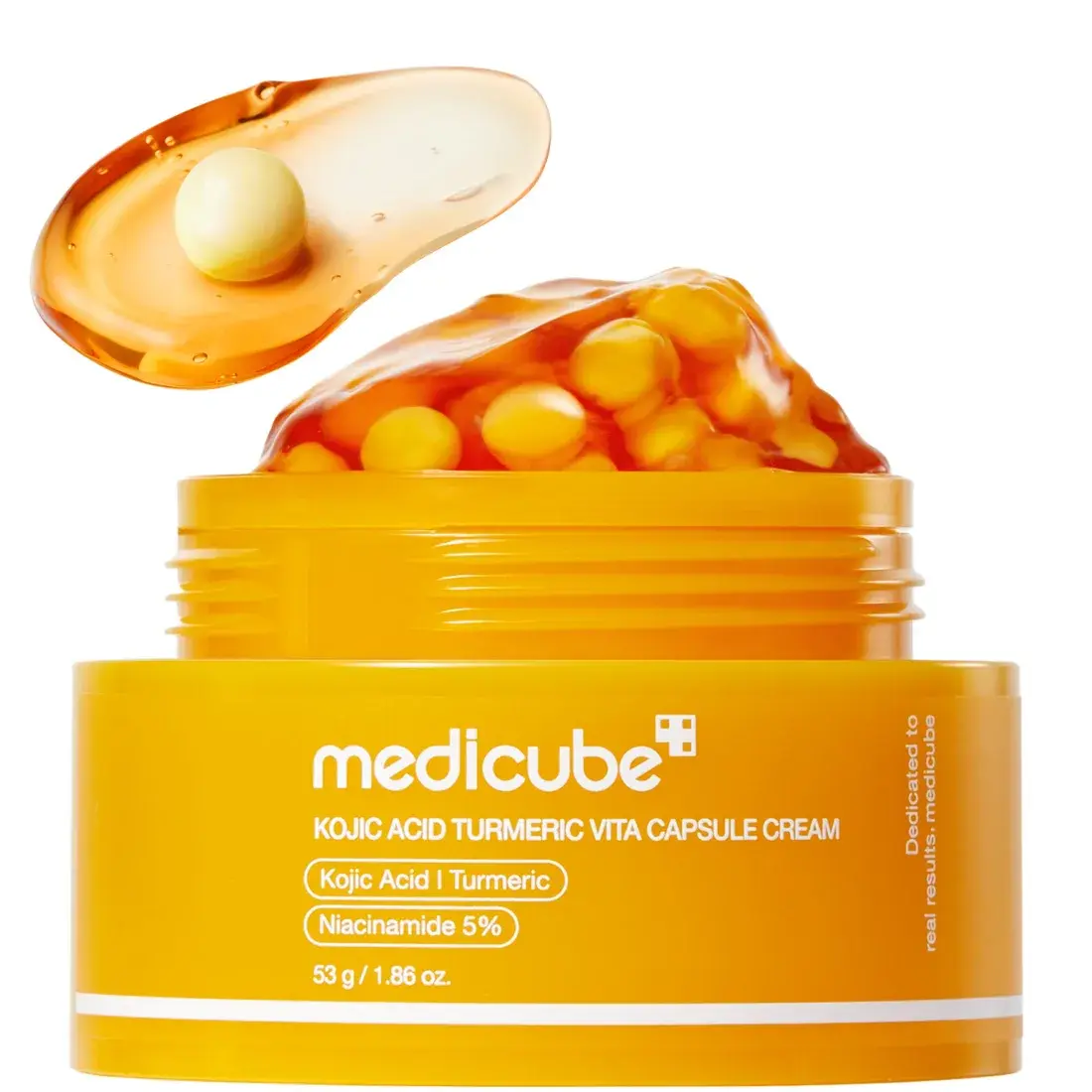
- Medicube Kojic Acid Turmeric Vita Capsule Cream, Rs 5,999, the kojic acid partner for melasma and stubborn patches
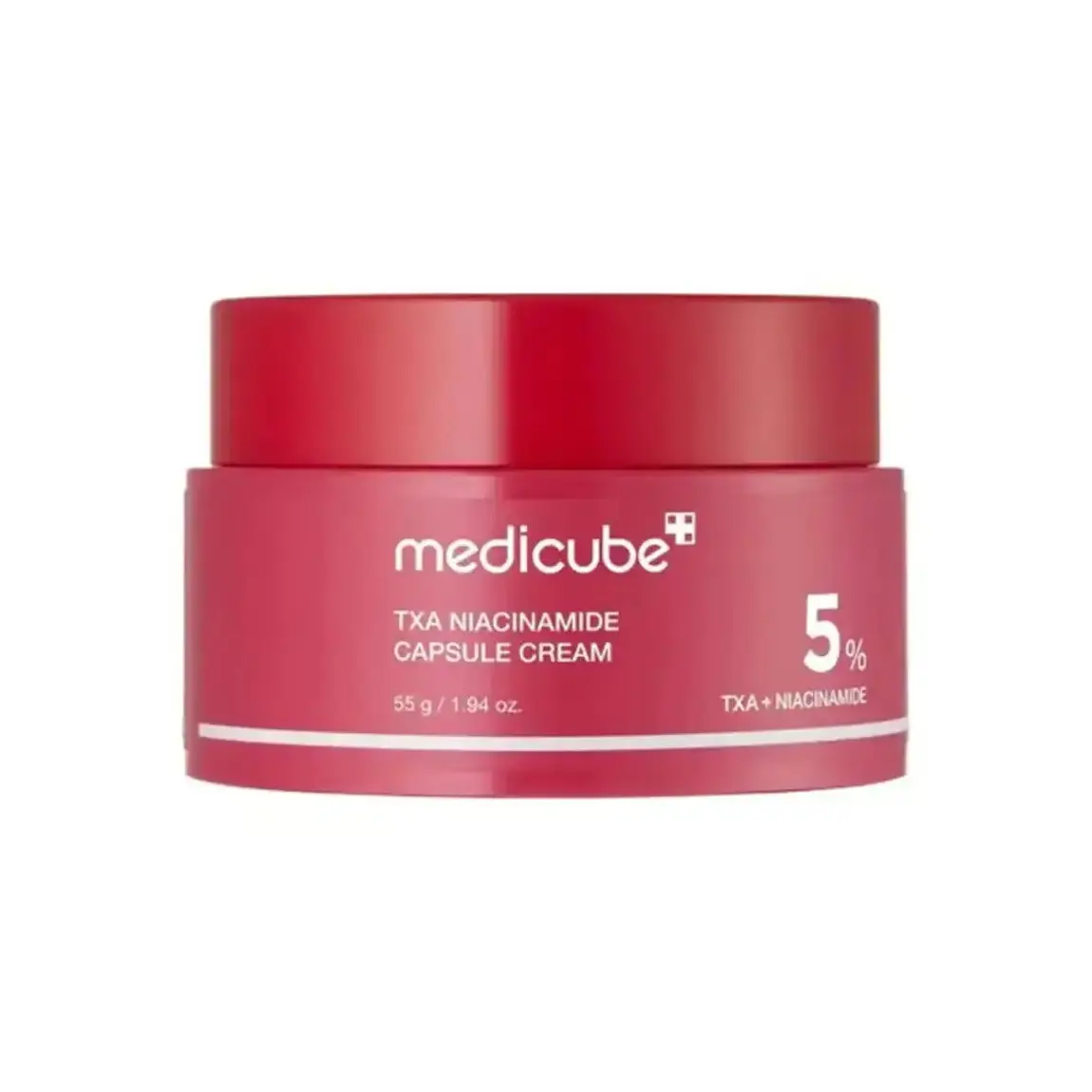
- Medicube 5% TXA + Niacinamide Capsule Cream, Rs 5,500, for evening tone with a niacinamide boost
- Beauty of Joseon Relief Sun SPF50+, Rs 3,315, the sunscreen that makes the fading actually happen
What is azelaic acid?
Azelaic acid is a gentle acid found naturally in grains like barley and wheat. In skincare it is a genuine multitasker. It fights acne bacteria, calms inflammation and slows the overproduction of pigment.
That mix is unusual. Most ingredients do one job well. Azelaic acid works on acne, pigmentation and redness together, which is why dermatologists reach for it so often. You can read a clinical overview on DermNet.
The benefits of azelaic acid
Fades dark spots and pigmentation
Azelaic acid interrupts the process that makes excess melanin. So it slowly fades dark spots, post-acne marks and melasma, without bleaching healthy skin.
Brown South Asian skin tends to mark easily after a breakout. That makes this one of its most valued benefits.
Clears and calms acne
It is antibacterial and helps keep pores clear. So it reduces both active breakouts and the bumps that come with them.
It is also anti-inflammatory. That means it calms the redness and swelling of pimples, rather than just drying them out.
Soothes redness and rosacea
Azelaic acid is a go-to for redness-prone and rosacea-prone skin. Over time it helps settle that persistent flushing and irritation.
There is solid evidence behind this. Prescription 15% azelaic acid gel is a standard rosacea treatment, and in clinical trials it cut inflammatory bumps by roughly half over 12 to 15 weeks. A 10% serum is milder but works on the same pathway, so it is a sensible starting point if your redness is mild or your skin is reactive.
Two practical tips for red, reactive skin: apply azelaic acid to fully dry skin, because damp skin makes the tingling worse, and follow it with a bland, fragrance-free moisturiser. Heat and sun are the usual flushing triggers in Pakistan, so sunscreen matters double here.
Gentle and pregnancy-friendly
Unlike many strong actives, azelaic acid is well tolerated by sensitive skin. It is generally considered safe during pregnancy and breastfeeding. That makes it one of the few effective options for pigmentation and acne at that stage. As always, check with your doctor first.
Who should use azelaic acid?
- Anyone with dark spots, melasma or uneven tone
- People with acne or post-acne marks
- Redness-prone or rosacea-prone skin
- Sensitive skin that reacts to stronger acids or retinol
- People who are pregnant or breastfeeding and need a safer active
What strength should you choose?
Over-the-counter azelaic acid in Pakistan usually comes as a 10% serum or cream, and that is the right strength for most people. It is strong enough to fade marks and calm breakouts, and mild enough to use every day.
15% and 20% versions are prescription strengths, sold at pharmacies as gels and creams. They work faster on rosacea and melasma but sting more and cause more dryness in the first weeks. If a 10% serum has done nothing after three months, that is the point to see a dermatologist about moving up, not the point to give up on the ingredient.
How to use azelaic acid
- Cleanse and pat skin dry.
- Apply a thin layer of azelaic acid to the whole face or just to problem areas. A 10% serum is a great everyday strength.
- Follow with moisturiser.
- In the morning, always finish with sunscreen. Pigmentation will not fade if you skip SPF.
Start once a day and build up as your skin gets used to it. Azelaic acid layers well with niacinamide and hydrating ingredients like hyaluronic acid. It is gentler to combine than most acids.
A little tingling at first is normal. If you see lasting stinging or peeling, use it every other day until your skin adjusts. For the full layering order, see our skincare routine order guide.
How long until you see results?
Azelaic acid is a slow-and-steady ingredient. Most people see calmer, clearer skin within 4 to 6 weeks.
Dark spots and melasma take longer, often 8 to 12 weeks of steady use. Patience and daily sunscreen are what make it work.
Azelaic acid vs other actives
| Ingredient | Best for | Notes |
|---|---|---|
| Azelaic acid | Pigmentation + acne + redness | Gentle; pregnancy-friendly |
| Vitamin C | Brightening & antioxidant glow | Best in the morning |
| Niacinamide | Oil control & barrier support | Layers well with azelaic acid |
| Retinol | Texture, lines & deep renewal | Not for pregnancy |
Best azelaic acid products in Pakistan (2026 prices)
Our pick for most people is the Anua Azelaic Acid 10% + Hyaluron Redness Soothing Serum, currently Rs 4,420. It is a 10% azelaic serum buffered with hyaluronic acid, so it tackles redness, breakouts and marks while keeping skin hydrated. It is an ideal everyday strength for sensitive skin.
Is your main concern melasma and stubborn dark patches? Pair it with our Medicube Kojic Acid Turmeric Vita Capsule Cream at Rs 5,999. For tone-evening with a niacinamide boost, the Medicube 5% TXA + Niacinamide Capsule Cream (Rs 5,500) is a strong partner.
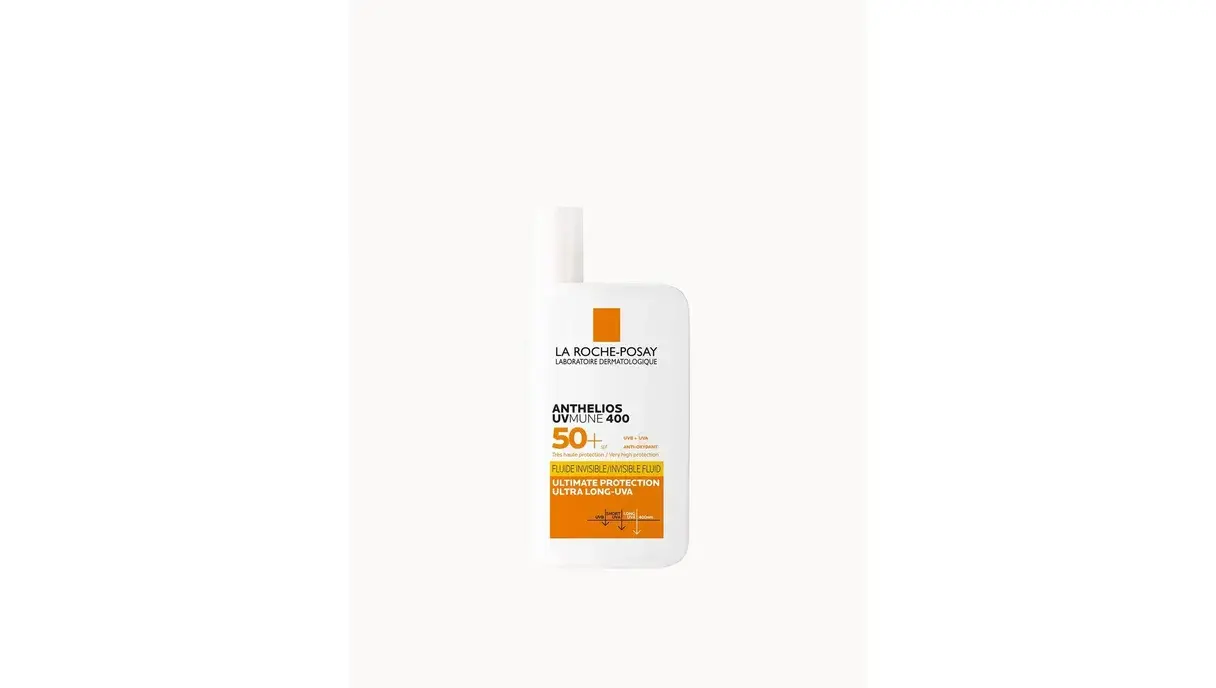
And because no pigmentation routine works without SPF, finish with the Beauty of Joseon Relief Sun SPF50+ at Rs 3,315. Every order ships across Pakistan with cash on delivery available. Explore more on our cleansers and treatments page.
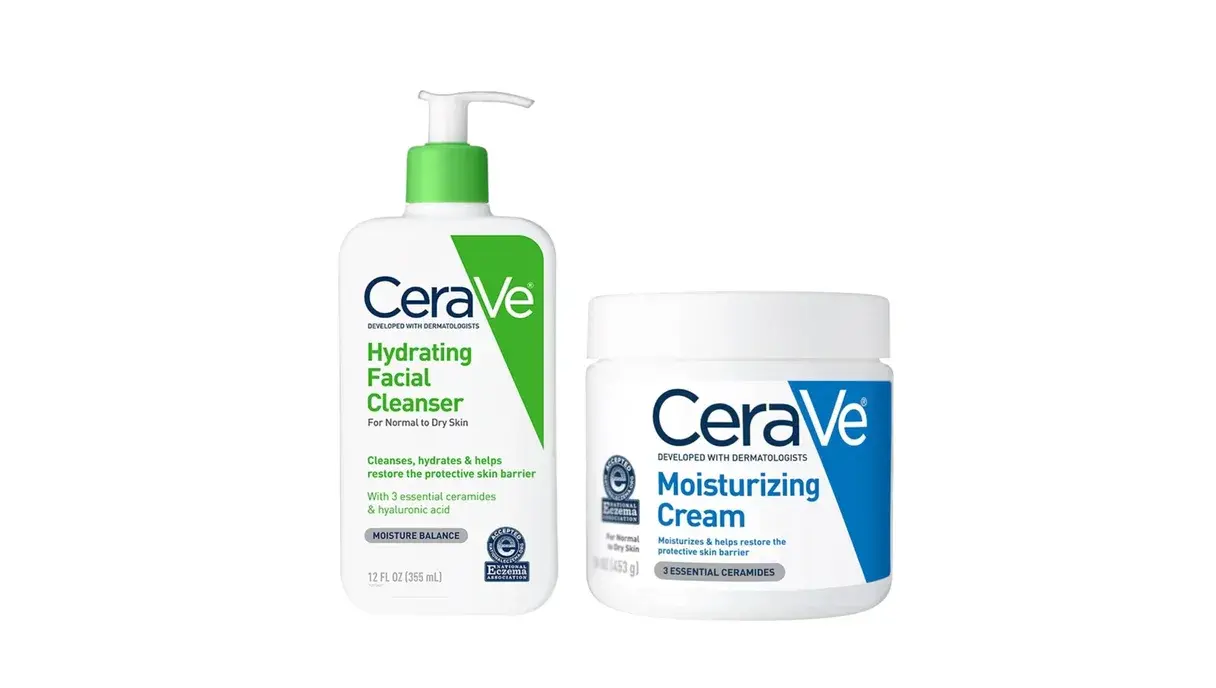
Azelaic acid works best on a calm base. Pair it with a gentle face wash for oily skin if you are acne-prone, and a daily sunscreen for oily skin, because marks fade slower without SPF.
Read next: Alpha Arbutin Serum in Pakistan and Best Pigmentation & Melasma Creams in Pakistan.
The bottom line
Azelaic acid is one of the most useful, best-tolerated ingredients you can add to a Pakistani skincare routine. It fades dark spots, helps clear acne and calms redness without irritating your skin.
Start with a 10% azelaic serum, use it consistently, and never skip sunscreen.
Keep reading: how to treat dark spots on your face, how to get rid of acne for Pakistani skin, and our niacinamide serum guide.
This article was written and medically reviewed to our medical review board standards and is for general guidance, not personal medical advice. Always speak to a doctor or pharmacist about your own situation.
Ready to start? Order the Anua Azelaic Acid 10% serum today, or browse every serum and sunscreen in our cleansers and treatments range. Cash on delivery is available across Pakistan, and delivery is free on orders over Rs 5,000 in Punjab.
Shop Anua Azelaic Acid 10% Serum →Frequently asked questions
Can I use azelaic acid every day?
Yes. Once your skin is used to it, daily use is fine and is how you get the best results. You can even use it twice a day. Ease in slowly if your skin is sensitive.
Is azelaic acid safe in pregnancy?
It is generally considered one of the safer actives for pigmentation and acne during pregnancy and breastfeeding. Always confirm with your own doctor first.
How much does azelaic acid cost in Pakistan?
A good imported 10% azelaic acid serum costs between Rs 4,000 and Rs 6,000 in 2026. The Anua 10% serum is Rs 4,420 at Yellow Pink, with cash on delivery across Pakistan. Prescription 15% to 20% creams from a pharmacy cost less per tube but need a dermatologist's guidance.
Can I use azelaic acid with vitamin C or niacinamide?
Yes. It pairs especially well with niacinamide. You can also use vitamin C in the morning and azelaic acid at night if you want both.
Will it bleach my skin?
No. Azelaic acid targets excess pigment in spots and marks. It does not lighten your natural skin tone.
Liked this one? Get the next in your inbox.
One fortnightly note from the editors, new pieces, restocks, and the routines we're actually using. Unsubscribe any time.