How to Get Rid of Acne: A Complete Guide for Pakistani Skin (2026)
Why acne happens, the ingredients and routine that clear it, common mistakes, and when to see a doctor, a practical, evidence-based guide for Pakistan.
Did you know? Acne is the most common skin concern in the world. Pakistan's heat, humidity, dust and pollution make oily, breakout-prone skin even more common here. The good news is that most acne responds well to a simple, consistent routine. You rarely need ten products. Here is an evidence-based plan to get rid of acne, plus the mistakes that keep it coming and when to see a doctor.
Why acne happens
A breakout forms when a pore gets clogged with oil and dead skin. Bacteria then multiply inside, and the area becomes inflamed. The main drivers are excess oil (worse in heat), hormones, clogging, and sometimes diet and stress.
It is not caused by being unclean. In fact, over-washing makes it worse.
Knowing your type of acne
Treating acne is easier when you know what you are looking at. Different types respond to different ingredients.
- Blackheads and whiteheads, clogged pores without much redness, respond best to salicylic acid and gentle exfoliation. Our blackheads and whiteheads guide has the full plan.
- Red, inflamed pimples, the sore, raised bumps, respond to benzoyl peroxide, niacinamide and azelaic acid.
- Hormonal acne, often along the jaw and chin, flares around the cycle. It tends to need consistency and sometimes a doctor's input.
- Cystic acne, deep, painful lumps under the skin, usually needs a dermatologist rather than shop-bought products.
The ingredients that clear acne
| Ingredient | What it does |
|---|---|
| Salicylic acid (BHA) | Clears inside the pore, best for blackheads & whiteheads |
| Benzoyl peroxide | Kills acne bacteria, best for red, inflamed pimples |
| Niacinamide | Controls oil and calms redness |
| Azelaic acid | Calms, clears and fades the marks acne leaves |
| Retinoids | Increase cell turnover, powerful for stubborn acne |
For most people, a salicylic acid cleanser plus niacinamide covers the majority of mild-to-moderate acne.
A simple anti-acne routine
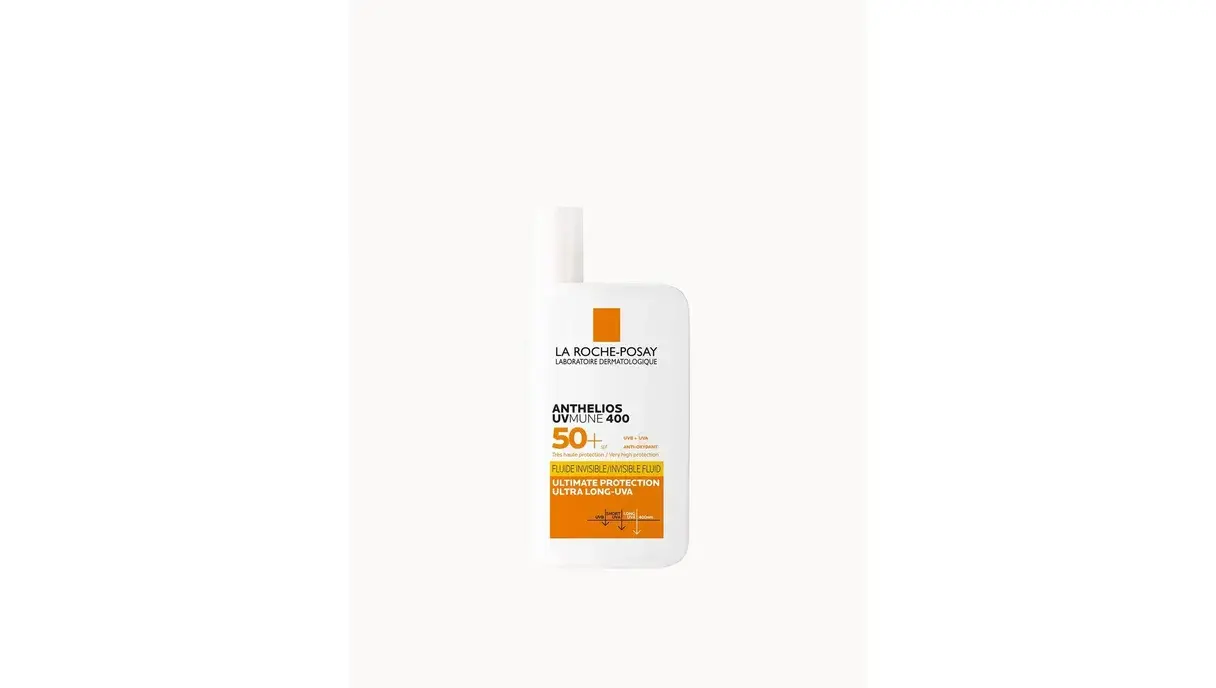
- AM: gentle or salicylic cleanser, then niacinamide, then oil-free moisturiser, then sunscreen.
- PM: cleanse, then treatment (salicylic acid, azelaic acid or a retinoid, one at a time), then moisturiser.
Get the layering right with our routine order guide. Two rules matter most: introduce one active at a time, and always moisturise. Stripping the skin backfires.
Lifestyle and Pakistan-specific triggers
Products do most of the work. But a few habits make a real difference in our climate:
- Sweat and dust. In the heat, rinse your face after sweating heavily. Never let sweat dry on the skin under a helmet or dupatta for hours.
- Phone screens and pillowcases. Wipe your phone, which sits against your cheek all day, and change pillowcases a couple of times a week.
- Hair oils and heavy products. Oils running onto the forehead and hairline are a classic cause of bumps there.
- Helmet and mask friction. Maskne and helmet-strap breakouts are real. Keep straps clean and skin lightly moisturised underneath.
- Diet and stress. For some people, very sugary, high-dairy diets and high stress worsen flares. It varies person to person, so watch your own patterns rather than cutting out everything.
Common acne mistakes
- Over-washing and over-exfoliating. This damages the barrier and triggers more oil.
- Picking and squeezing. This causes the dark marks and scars that outlast the pimple.
- Skipping moisturiser and sunscreen. Both are essential, even for oily skin.
- Switching products every week. Give a routine 6 to 8 weeks.
- Slathering on a strong active everywhere. More is not faster. It just irritates and can cause more breakouts.
- Treating dark marks as scars. Most marks left after acne fade on their own with sunscreen and time. True scars are textured and need a clinic.
A realistic timeline
Acne almost never clears overnight. Anything promising that is best ignored. With a consistent routine, individual pimples settle faster, but the overall picture takes time. Expect the first signs of improvement around weeks two to four, and a clear difference by weeks six to twelve.
Retinoids and many actives cause an initial purge of small bumps in the first few weeks before things improve. This is normal and not a reason to quit. The dark marks left behind fade more slowly still, often two to six months. That is exactly why daily sunscreen matters so much.
When to see a doctor
See a dermatologist if your acne is severe, painful, cystic, or scarring. Also see one if a consistent routine has not helped after a couple of months. Prescription treatments are safe and effective, and early treatment prevents scarring. There is no need to suffer through it. Acne can also affect confidence and mood, and that alone is a perfectly good reason to get help.
Anti-acne products in Pakistan
All authentic, with cash on delivery nationwide:
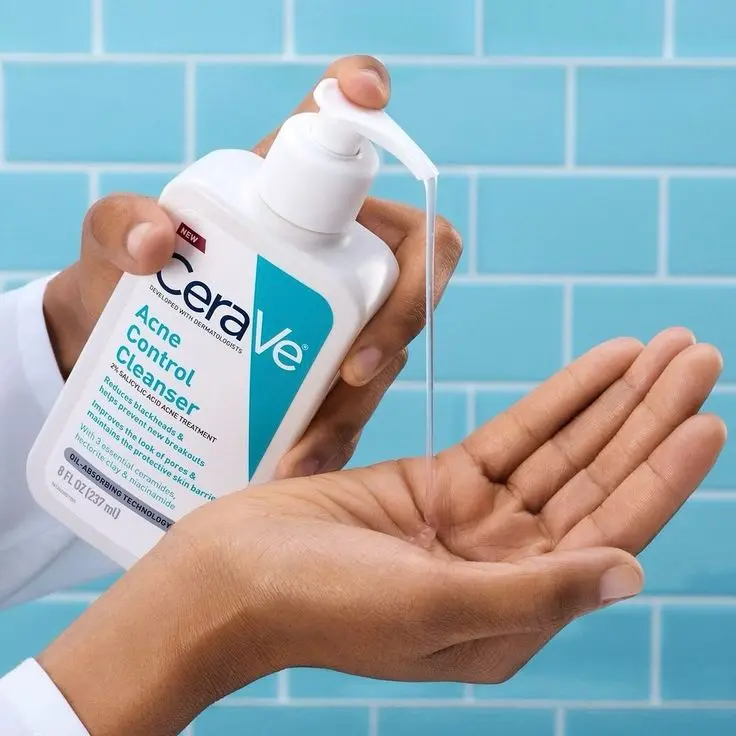
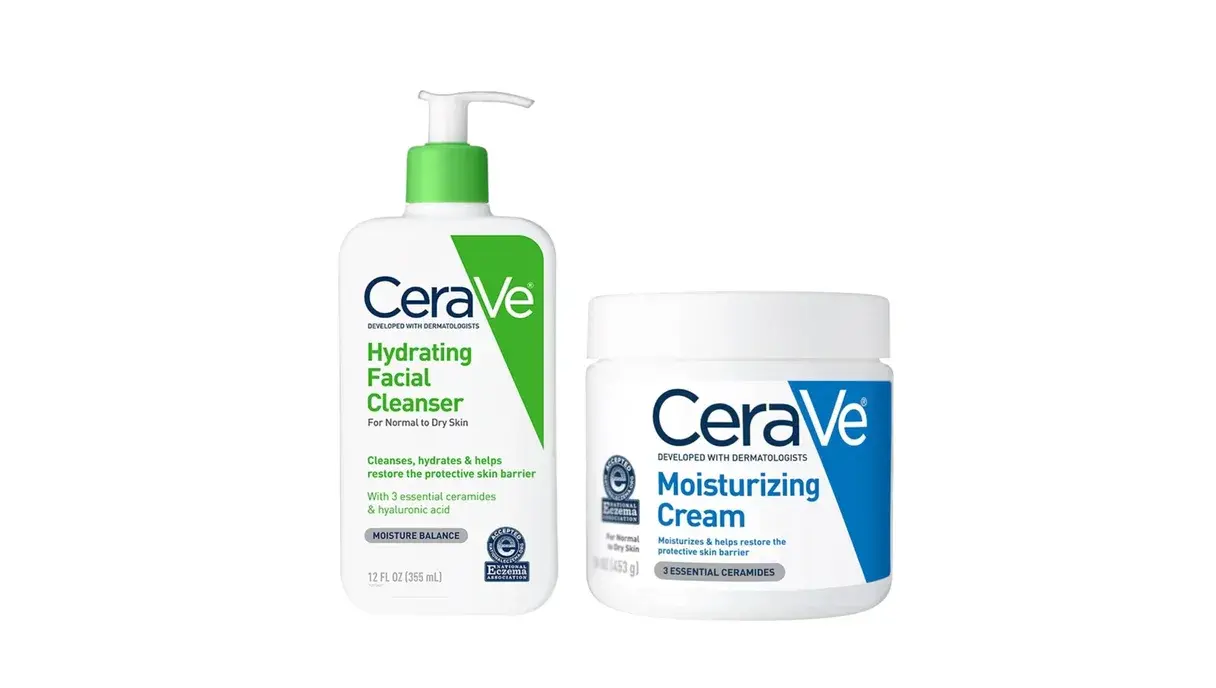
- Cleanse: the CeraVe Acne Control Cleanser with 2% salicylic acid.
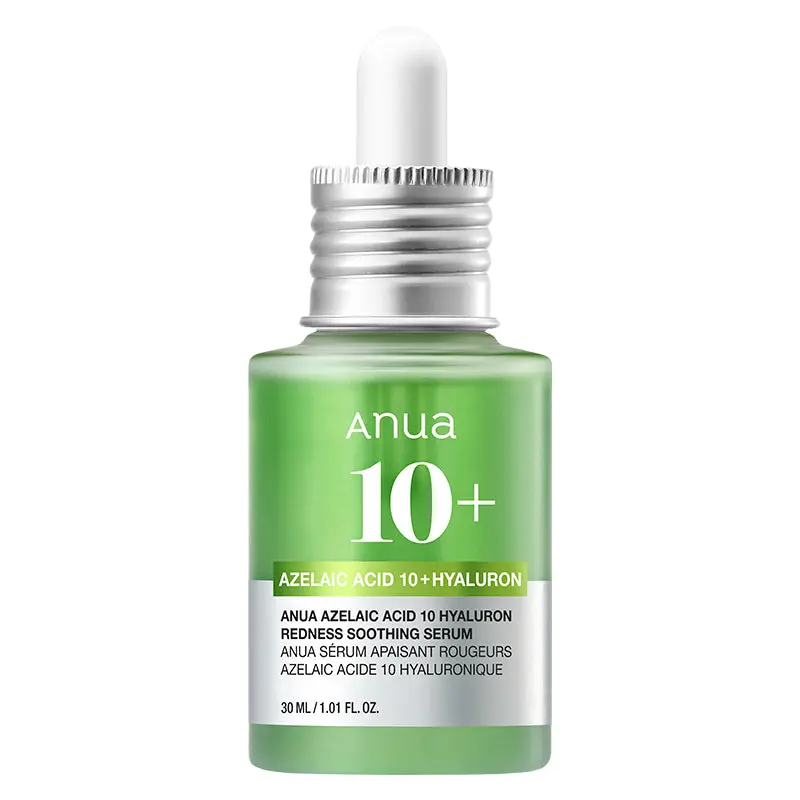
- Calm & clear: the Anua Azelaic Acid 10% Serum for redness and marks.
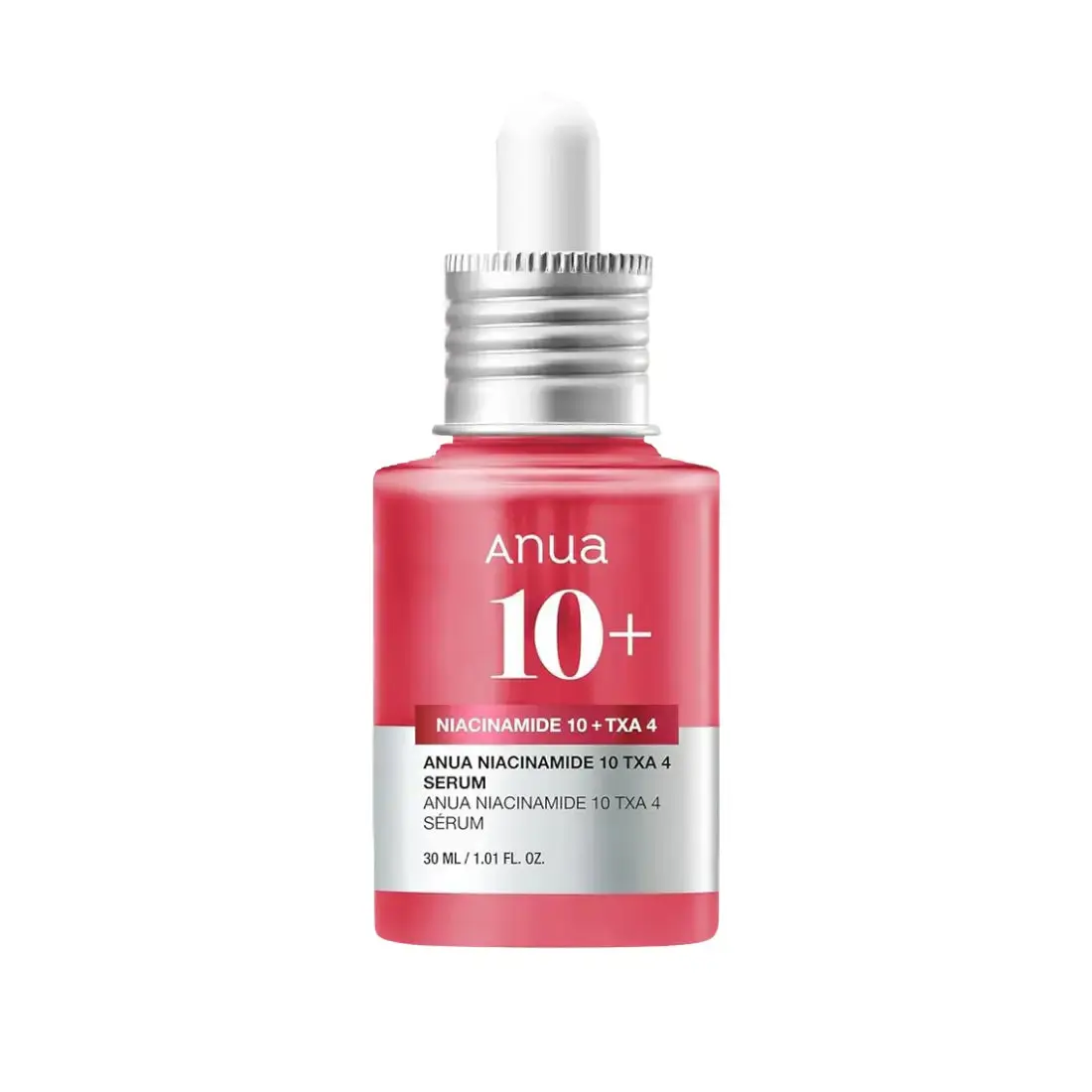
- Control oil: the Anua Niacinamide 10% + TXA Serum.
- Deep cleanse: the Medicube Zero Pore Cleansing Oil for congestion.
Browse all cleansers & treatments or skincare.
Shop the CeraVe Acne Control Cleanser →The bottom line
Most acne clears with a simple, consistent routine: a salicylic cleanser, niacinamide, a light moisturiser and daily sunscreen, introduced patiently, one active at a time. Mind the everyday triggers, give it six to twelve weeks, and for severe or scarring acne see a doctor early. Build your routine from authentic skincare, with cash on delivery across Pakistan.
Frequently asked questions
How do I get rid of acne fast?
There is no overnight cure. But a salicylic acid cleanser, niacinamide, oil-free moisturiser and sunscreen, used consistently, clear most mild acne over a few weeks. A spot treatment helps individual pimples.
Does oily skin cause acne?
Excess oil contributes by clogging pores. But acne is multi-factorial (hormones, bacteria, inflammation). Controlling oil with niacinamide and clearing pores with salicylic acid both help.
Should I stop moisturising if I have acne?
No. Skipping moisturiser makes oily, acne-prone skin produce more oil and weakens the barrier. Use a lightweight, oil-free moisturiser.
When should I see a dermatologist for acne?
See one if it is severe, cystic, painful or scarring, or if it has not improved after 2 months of a consistent routine. Early treatment prevents permanent scarring.
Why do I break out more in summer in Pakistan?
Heat boosts oil, and sweat, dust and pollution clog pores. Rinse after heavy sweating, keep moisturiser light, and do not be tempted to over-wash, which backfires.
Are the dark marks left by acne scars?
Usually not. Flat brown or red marks are post-acne pigmentation, and they fade over a few months with sunscreen. True scars are textured (pitted or raised) and need clinical treatment.
Why did my skin get worse when I started a new active?
Some actives, especially retinoids, cause an initial purge of small bumps for a few weeks before clearing. Introduce one active slowly and give it time before judging.
Liked this one? Get the next in your inbox.
One fortnightly note from the editors, new pieces, restocks, and the routines we're actually using. Unsubscribe any time.