Hyaluronic Acid Serum in Pakistan: Benefits, How to Use & Who It's For (2026)
Hyaluronic acid serum hydrates without adding oil, so it suits oily, dry and sensitive skin. How to use it properly, who benefits most, and our pick.
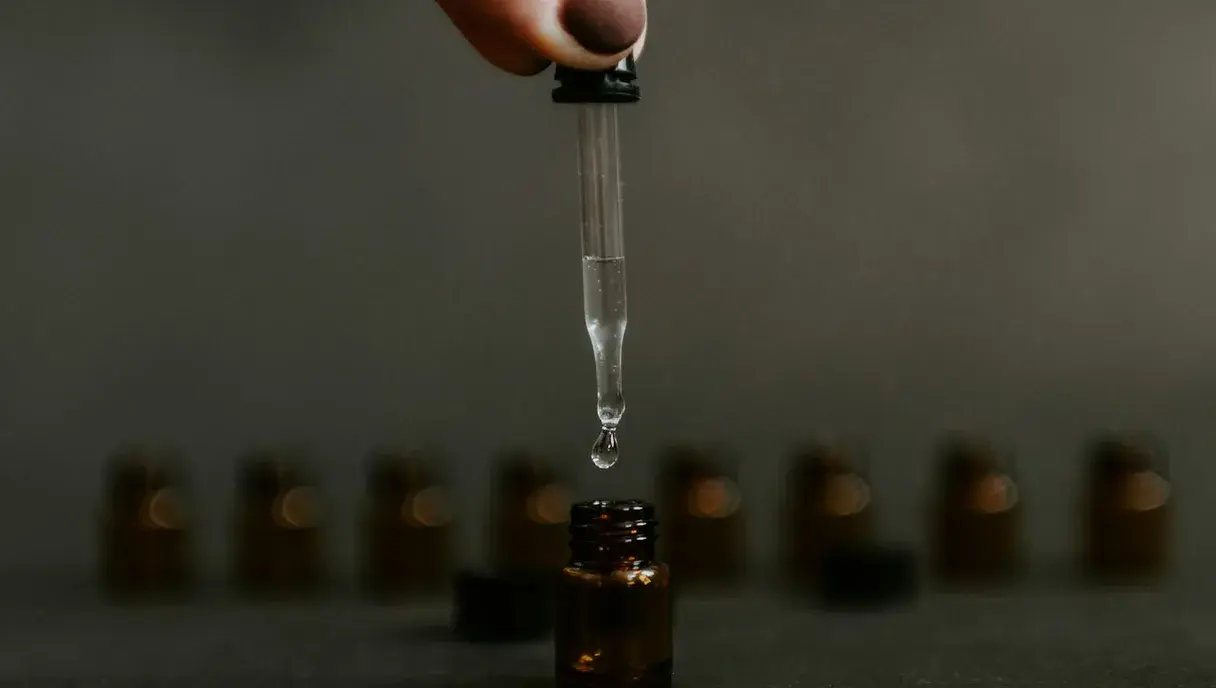
Did you know your skin already makes hyaluronic acid on its own? It sits in your skin and joints, holding onto water like a sponge. A hyaluronic acid serum simply tops up that natural supply, which is why it has become one of the most searched skincare ingredients in Pakistan. This guide explains what it does, how to use it correctly, and who it suits best.
What is hyaluronic acid and how does it work?
Hyaluronic acid is a humectant. That means it pulls water towards itself rather than adding oil to your skin.
One gram of hyaluronic acid can hold a large amount of water, according to dermatology sources. That is why it feels light, not greasy.
Because it works by attracting moisture rather than blocking pores, it suits oily and acne-prone skin as well as dry and sensitive skin. It does not clog pores or leave a heavy film.
The Cleveland Clinic's overview of hyaluronic acid explains this water-binding role in more detail, including how it is used in skincare and medical settings.
Who benefits most from a hyaluronic acid serum
Not everyone needs the same hydration routine. In Pakistan's climate, with dry winters in the north and humid heat elsewhere, a few groups tend to see the biggest difference.
- People with dehydrated skin, which feels tight, dull, or rough even if it is not naturally dry.
- Anyone noticing fine lines that look worse when skin is thirsty, since plumper skin softens their appearance.
- Skin recovering after retinol or exfoliating acids, when the barrier needs gentle water-based support.
- Sensitive skin that reacts to heavier creams but still needs hydration.
Our piece on the skincare routine order covers where hydration fits for most skin types.
The damp skin rule: how to use hyaluronic acid serum properly
This is the step most people get wrong. Hyaluronic acid pulls water from the nearest source.
If your skin is already damp, it draws water from the air and your toner into your skin. If your skin is bone dry and the surrounding air is also dry, it can pull moisture out of your deeper skin layers instead, leaving you feeling tighter, not softer.
The fix is simple. Apply your hyaluronic acid serum to slightly damp skin, then seal it in with a moisturiser within a minute or two. Never let it sit on bare, dry skin without a follow-up cream, especially in air-conditioned rooms or dry winter air.
Where it fits in your routine
Layering order matters for how well any serum performs.
- Cleanse your face first.
- Follow with a hydrating toner, leaving skin slightly damp.
- Apply your hyaluronic acid serum.
- Layer any treatment serums, such as vitamin C in the morning.
- Seal everything with a moisturiser.
- Finish with sunscreen during the day.
For a full step-by-step order, see our guide to layering skincare products correctly, and our Korean skincare routine guide if you want a more detailed hydration-first approach.
Concentration and formulation: is higher always better?
Most effective formulas use around 2% hyaluronic acid, often combined with panthenol, also called vitamin B5, which soothes and supports the skin barrier.
A higher percentage is not automatically better. Very high concentrations can feel tacky and do not necessarily hydrate more, since skin can only hold so much at once. A well-balanced 2% plus B5 formula is considered a sensible, effective standard.
Some formulas also use different molecule sizes of hyaluronic acid. Larger molecules sit on the surface and smooth the top layer of skin. Smaller molecules can reach a little deeper. A well-made serum often blends a few sizes, so it hydrates at more than one level rather than sitting only on the surface.
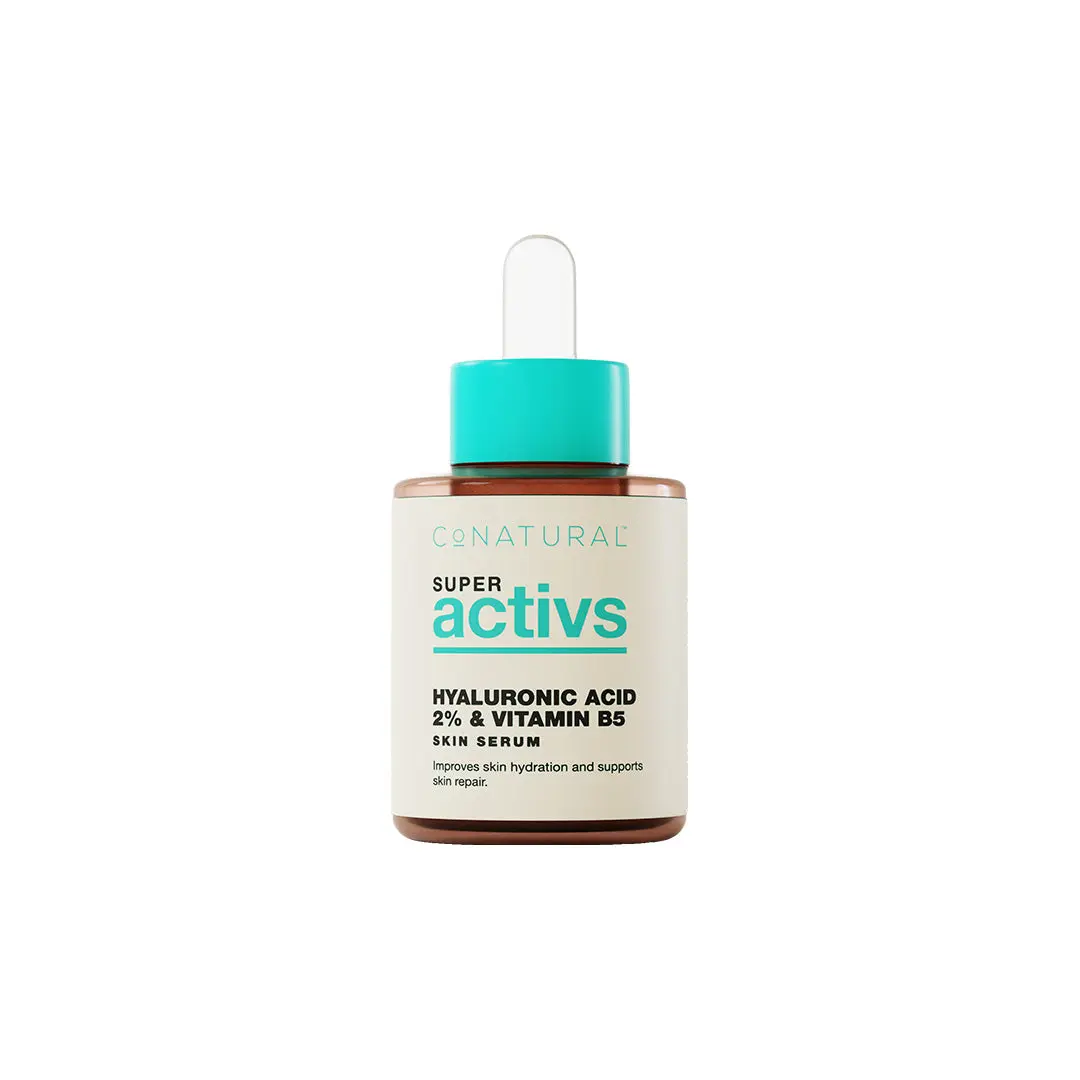
The Conatural Hyaluronic Acid 2% + B5 Serum uses this well-tested 2% plus B5 approach, rather than chasing an unnecessarily high percentage.
Hyaluronic acid serum in Pakistan's climate
Pakistan's weather swings between extremes, and that affects how a humectant behaves.
In humid coastal cities such as Karachi, there is plenty of moisture in the air for hyaluronic acid to draw on, so it tends to feel comfortable most of the year.
In drier, hotter cities such as Lahore or Islamabad in peak summer, or during cool, dry winters, indoor air conditioning and heating can strip moisture from the air. That is exactly when the damp skin rule and a good sealing moisturiser matter most.
If you travel between cities or use air conditioning heavily, keep a lightweight moisturiser on hand alongside your serum, rather than skipping the sealing step on busy days.
Combining hyaluronic acid with other active ingredients
Hyaluronic acid plays well with most other actives.
It pairs comfortably with vitamin C in the morning and with niacinamide, since both support hydration and barrier health without conflict.
With strong exfoliating acids or retinol, there is no safety concern, but using several strong actives back to back in one routine can sometimes increase irritation risk or dilute results. Many people prefer to use retinol at night and hyaluronic acid as the hydrating step either before or on alternate steps, rather than piling everything on at once.
Our recommended hyaluronic acid serum in Pakistan
If you are looking for a straightforward, well-formulated option, the Conatural Hyaluronic Acid 2% + B5 Serum 30ml is a solid pick. It combines the standard 2% concentration with soothing panthenol, priced at PKR 1,465, and works for most skin types, including sensitive and acne-prone skin.
It fits neatly into the damp skin method described above, and layers easily with a moisturiser and sunscreen.
Shop Conatural Hyaluronic Acid 2% + B5 Serum →
Who should still be cautious
Hyaluronic acid is generally considered gentle and suitable for almost all skin types, including sensitive skin.
That said, any new product, however mild, can occasionally cause a reaction in very reactive or highly sensitised skin. This is not specific to hyaluronic acid. It is good general practice with any new skincare product.
Patch test on your inner arm or behind the ear for a day or two before applying a new serum to your face, particularly if you have a history of skin allergies or eczema. Our guide on eczema and gentle skincare routines has more detail on patch testing for reactive skin.
The NHS guidance on moisturisers and skin hydration is a useful reference on sealing in moisture and choosing gentle products for sensitive skin.
Hyaluronic acid and your wider skincare routine
Hydration is only one part of healthy skin. Antioxidants, barrier-supporting oils, and sun protection all matter too.
Our article on vitamin E benefits for skin and hair explains how it supports the skin barrier alongside a humectant like hyaluronic acid, and why the two can work well together in the same routine.
Think of hyaluronic acid as the step that adds water, and your moisturiser and oils as the step that locks it in. Neither works as well without the other.
Common mistakes to avoid
- Applying serum to completely dry skin with no damp base underneath.
- Skipping moisturiser afterwards, especially in air-conditioned or dry rooms.
- Assuming a higher percentage always means better results.
- Using it as your only hydration step in very dry weather, instead of pairing it with a richer cream.
- Introducing it on the same night as several other new actives, making it hard to tell what is causing any irritation.
Avoiding these few habits is usually enough to get consistent, comfortable results.
This article was written and medically reviewed to our medical review board standards and is for general guidance, not personal medical advice. Always speak to a doctor or pharmacist about your own situation.
Frequently asked questions
Does hyaluronic acid serum help with acne scars?
Not directly. Hyaluronic acid hydrates and plumps skin, which can make texture and fine lines look softer, but it does not fade pigmentation or deep scarring on its own. For acne marks, ingredients such as niacinamide or vitamin C are more targeted, alongside consistent sun protection.
Can teenagers use hyaluronic acid serum?
Yes. It is a gentle, water-based ingredient suitable for most ages, including teenagers with oily or acne-prone skin, since it hydrates without adding oil or clogging pores.
Should I use it in the morning or at night?
Both. Hyaluronic acid serum works well in both your morning and evening routine, as long as you follow the damp skin rule and seal it with a moisturiser each time.
Can you use hyaluronic acid serum every day?
Yes, it is generally considered safe and suitable for daily use, morning and night, for most skin types.
Does hyaluronic acid serum expire, and how should I store it?
Yes, like most skincare, it has a shelf life, usually noted on the packaging as a period after opening. Store it in a cool, dry place away from direct sunlight, and keep the cap tightly closed to avoid the formula drying out or oxidising.
Is a hyaluronic acid serum enough moisture on its own?
Not usually on its own in dry air. It needs a moisturiser layered on top to seal the water it draws in, especially in air-conditioned rooms or dry winter weather.
Liked this one? Get the next in your inbox.
One fortnightly note from the editors, new pieces, restocks, and the routines we're actually using. Unsubscribe any time.