Vitamin E in Pakistan: Benefits for Skin, Hair & Overall Health (2026)
Vitamin E benefits for skin, hair and overall health: topical vs oral use, the best food sources, a safe dose, and who should be cautious, for Pakistan.
Did you know? The glowing skin, softer scars and stronger hair people chase from vitamin E all trace back to one simple property. It is a powerful fat-soluble antioxidant. In Pakistan, where sun, heat and pollution stress the skin and hair every day, that antioxidant role is genuinely useful.
This guide gives you an honest, balanced look at the vitamin E benefits. We will cover what it can and cannot do, how to use it on the skin versus by mouth, the best food sources, the right dose, and who should be careful.
What vitamin E actually is
Vitamin E is not a single compound. It is a family of eight fat-soluble molecules. The form that matters most in the body is alpha-tocopherol. That is what supplement labels usually refer to when they list strength in international units, such as vitamin E 400 IU.
Its headline job is to act as an antioxidant. It neutralises unstable molecules called free radicals that damage cell membranes. Because cell membranes are made of fat, and vitamin E is fat-soluble, it sits exactly where this protection is needed. It defends skin cells, the linings of blood vessels and other tissues from oxidative wear.
Vitamin E benefits for the skin
This is where vitamin E earns most of its reputation, and the science is reasonably supportive for several uses.
- Strengthening the skin barrier. As an antioxidant that lives in the skin's natural oils, vitamin E helps reduce moisture loss and supports a healthier barrier. This is especially valuable in dry, air-conditioned or sun-exposed conditions.
- Anti-ageing support. By limiting free-radical damage from UV and pollution, vitamin E may help slow the visible signs of photoageing such as fine lines. It works best alongside daily sunscreen.
- Scars and dryness. Vitamin E is a long-standing folk remedy for scars. The honest position is that it is an excellent moisturiser that can soften and hydrate scar tissue. But the evidence that it actually fades scars is weak and mixed.
Vitamin E also pairs well with other actives in a routine. It works synergistically with vitamin C, and many people layer it with hydrators. If you are building a routine, our guides on vitamin C serum and hyaluronic acid serum explain how these fit together.
Vitamin E for hair
Vitamin E is popular for hair because its antioxidant and circulation-supporting effects are thought to create a healthier environment for the scalp. The realistic benefits are reduced oxidative stress on the scalp, softer and shinier strands when used as an oil, and added moisture for dry, frizzy ends in our climate.
It is not, however, a cure for genetic hair loss. Nor is it a substitute for treating the actual cause of shedding. If hair fall is your main worry, read our dedicated guide to reducing hair fall in Pakistan, which covers the causes that vitamin E alone will not fix.
Vitamin E benefits beyond beauty
Its usefulness is not limited to skin and hair. As a core antioxidant, vitamin E supports immune function, particularly in older adults, and contributes to normal cell signalling.
There has been long-standing interest in its role in heart health through protecting LDL cholesterol from oxidation. Large trials have been mixed, though. So it is best seen as one supporting nutrient within an overall healthy diet, rather than a heart medicine.
Topical versus oral: an honest take on capsule uses
One of the most common questions about vitamin E capsule uses is whether to swallow the capsule or snip it open and apply the oil to your skin or hair. Both have a place, and honesty matters here.
| Topical (applied to skin or hair) | Oral (swallowed) | |
|---|---|---|
| Best for | Spot moisturising dry patches, scars, ends of hair, lips | Correcting a genuine dietary shortfall, whole body antioxidant support |
| How to use | Use sparingly, mixed into a carrier oil or moisturiser, ideally at night | One capsule with a meal containing some fat for absorption |
| Honest caveat | Pure vitamin E oil is thick and can clog pores or irritate sensitive, acne prone skin. Patch test first. | More is not better; high doses carry real risks (see below) |
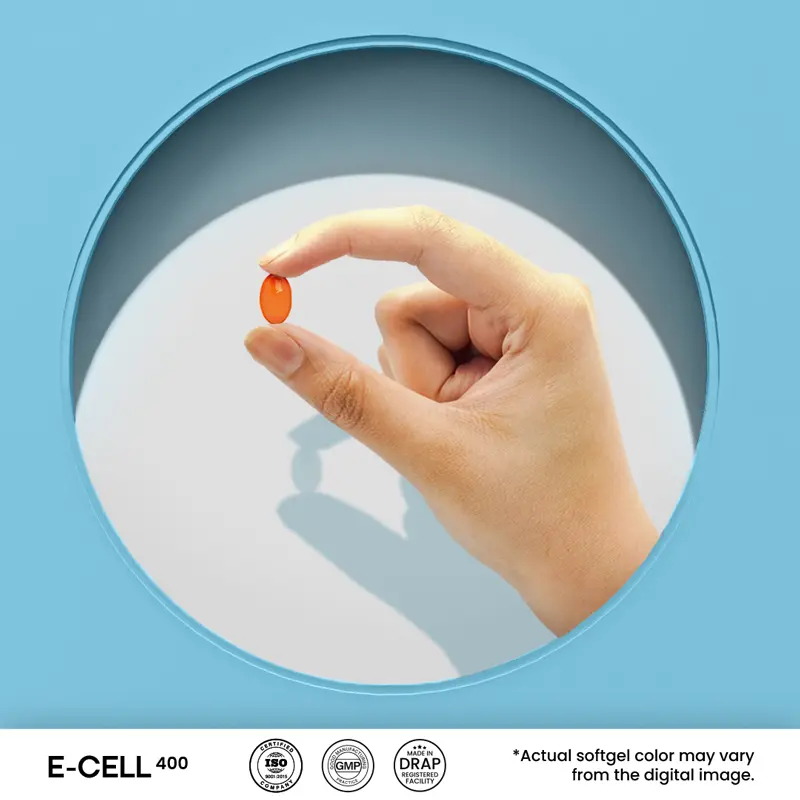
For oral use, a standard option in Pakistan is Nutrifactor E-Cell 400 Vitamin E 400 IU (around Rs 880), which gives a sensible daily dose. Many people also enjoy applying the contents to dry areas at night. But if your skin is oily or acne prone, go gently and patch test on your inner arm for a couple of days first.
Best food sources of vitamin E
Most healthy people can meet their needs from food, and these sources are widely available in Pakistan.
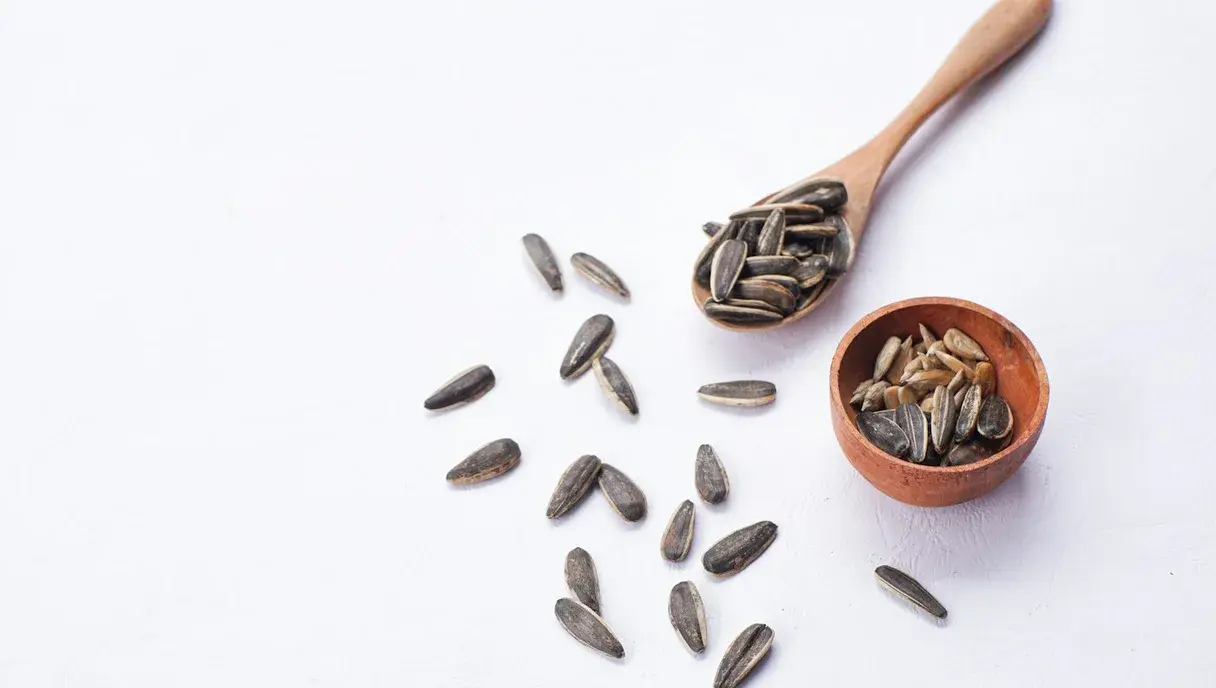
- Nuts and seeds: almonds (badam) and sunflower seeds are among the richest sources.
- Vegetable oils: sunflower oil, and to a lesser extent olive oil.
- Avocado and leafy greens such as spinach.
- Wheat germ, a particularly concentrated source.
A daily handful of almonds is one of the easiest and most affordable ways to boost your vitamin E naturally. It also gives you healthy fats that help you absorb it.
How much vitamin E do you need?
The daily requirement for adults is about 15 milligrams of alpha-tocopherol. Supplements are commonly sold as 400 IU, which is a popular and generally well-tolerated dose for those who want extra antioxidant support. For pure dietary correction, a lower dose is often enough.
Because vitamin E is fat-soluble, always take it with a meal that contains some fat to absorb it properly. There is no need to take very high doses. As the section below explains, doing so can do more harm than good.
Safety: who should be careful with vitamin E
Vitamin E is safe at sensible doses, but it is one of the supplements where high doses genuinely matter. In large amounts, vitamin E has a blood-thinning effect and can increase the risk of bleeding. This makes a few groups especially cautious.
- Anyone on blood thinners such as warfarin or aspirin should not take high-dose vitamin E without medical advice, because the effects add up.
- People due for surgery are usually advised to stop high-dose vitamin E beforehand to reduce bleeding risk.
- Those on multiple supplements should check they are not doubling up, since many multivitamins already contain vitamin E.
Stick to recommended doses and avoid megadosing. Treat vitamin E as a supportive nutrient, not something to take in large quantities for faster results.
Who benefits most?
The people most likely to notice a difference are those with dry or sun-stressed skin, those with very low-fat or restricted diets who may genuinely be short on vitamin E, and anyone wanting general antioxidant support alongside other skin nutrients. If you are exploring brightening and antioxidant supplements more broadly, our guide to glutathione capsules covers another popular option and how it compares.
This article was written and medically reviewed to our medical review board standards and is for general guidance, not personal medical advice. Always speak to a doctor or pharmacist about your own situation.
Shop Nutrifactor E-Cell 400 →Frequently asked questions
Can I apply vitamin E capsule directly on my face?
You can, but use it sparingly and ideally mixed into a moisturiser or carrier oil. Pure vitamin E oil is thick and may clog pores or irritate acne prone skin, so always patch test first.
Does vitamin E remove scars?
It is an excellent moisturiser that softens and hydrates scar tissue, but the evidence that it actually fades scars is weak. Manage expectations and use sunscreen, which matters more for scar appearance.
Is 400 IU of vitamin E safe to take daily?
For most healthy adults, 400 IU is generally well tolerated. Avoid much higher doses, and check with a doctor first if you take blood thinners or are due for surgery.
Can vitamin E help with hair growth?
It supports a healthier scalp environment and adds shine and moisture, but it does not cure genetic hair loss. Treat the underlying cause for real results.
Should I take vitamin E with food?
Yes. It is fat-soluble, so taking it with a meal that contains some fat improves absorption.
Can I get enough vitamin E from food alone?
Most people can, through almonds, sunflower seeds, oils and avocado. A supplement is mainly useful for those with low-fat or restricted diets, or who want extra antioxidant support.
For trusted background reading, see the NIH Office of Dietary Supplements vitamin E factsheet and the NHS guide to vitamin E.
Liked this one? Get the next in your inbox.
One fortnightly note from the editors, new pieces, restocks, and the routines we're actually using. Unsubscribe any time.