How to Reduce Melanin in Skin Naturally (and What Actually Helps)
What melanin is, why skin darkens, and the evidence-based ways, sun protection, brightening actives and antioxidants, to fade pigmentation safely in Pakistan.
Did you know? Sunlight is the single biggest cause of dark patches and uneven tone, and Pakistan gets strong UV almost all year round. So "How can I reduce the melanin in my skin?" is one of the most common questions we hear. It is also one of the most misunderstood.
Melanin is not a flaw to be erased. It is the pigment that protects your skin from the sun. What most people actually want is to fade dark patches, even out their tone and get their natural brightness back. This guide explains how melanin really works, what genuinely helps, and what to avoid, with Pakistan's strong sun in mind.
What is melanin?
Melanin is the natural pigment that gives skin, hair and eyes their colour. It is made by cells called melanocytes.
According to the Cleveland Clinic, its main job is to absorb UV radiation and shield deeper skin layers from sun damage. In other words, melanin is doing you a favour. The goal is never to remove it, only to calm excess, uneven pigment.
Why skin makes extra melanin
- Sun exposure. UV is the single biggest trigger. In Pakistan's climate, unprotected skin makes more pigment all year round.
- Post-inflammatory hyperpigmentation (PIH). These are the dark marks left behind by acne, insect bites or irritation.
- Hormones. Melasma is often linked to pregnancy or the contraceptive pill. It shows up as larger patches on the cheeks and forehead.
- Friction and heat. This is common on the neck, underarms and knuckles.
- Genetics. Your baseline tone is inherited, and that is completely normal.
Can you actually reduce melanin?
You can meaningfully fade excess pigmentation and prevent new dark spots. But no product safely strips skin of all melanin, and you should be wary of anything that claims to.
Realistic, lasting results come from a mix of daily sun protection, brightening actives and antioxidant support, used consistently over 8 to 12 weeks.
Step 1: Sunscreen is non-negotiable
This is the step that makes every other step work. Without daily SPF, brightening products are fighting a losing battle against fresh UV damage.
Use a broad-spectrum SPF 30 to 50 every morning and reapply through the day. It is the most effective "melanin control" tool you own.
Step 2: Proven brightening actives
These ingredients slow down excess pigment, or speed up the fading of marks you already have:
| Active | What it does |
|---|---|
| Vitamin C | Antioxidant that brightens and helps fade dullness |
| Niacinamide | Reduces transfer of pigment to skin cells; calms redness |
| Kojic acid | Targets the enzyme behind melanin formation |
| Alpha arbutin | Gentle, gradual tone-evening |
| Azelaic acid | Good for PIH and acne-prone skin |
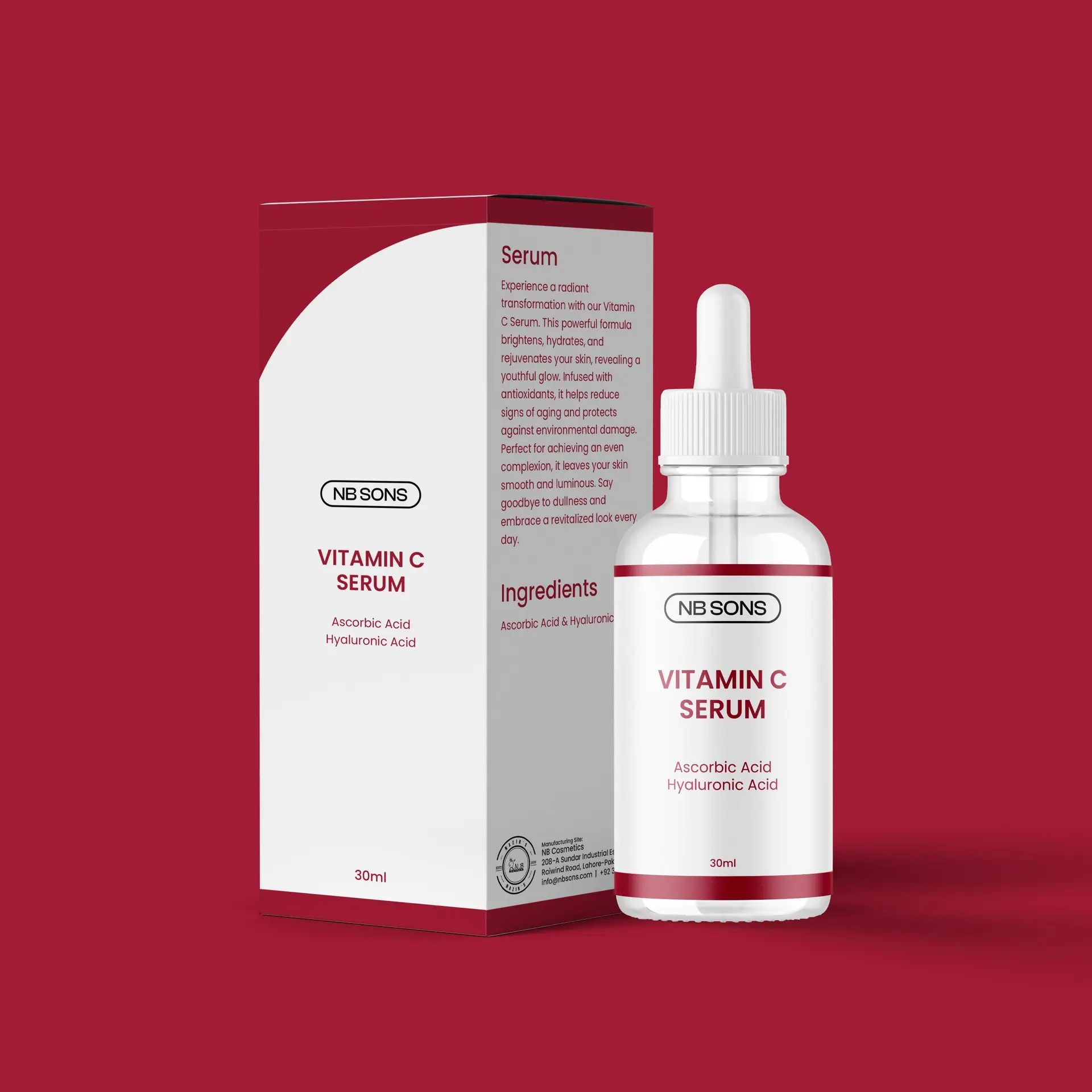
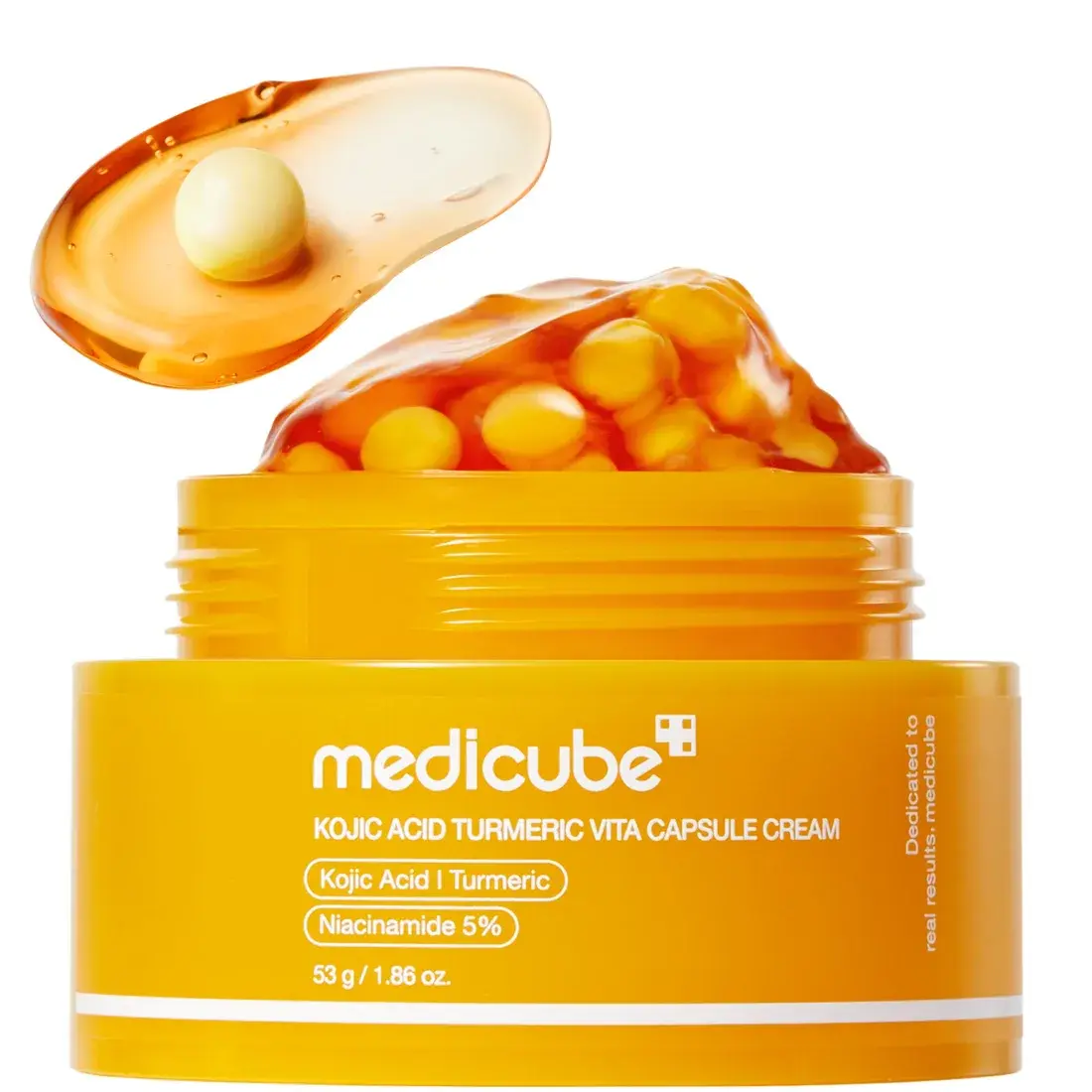
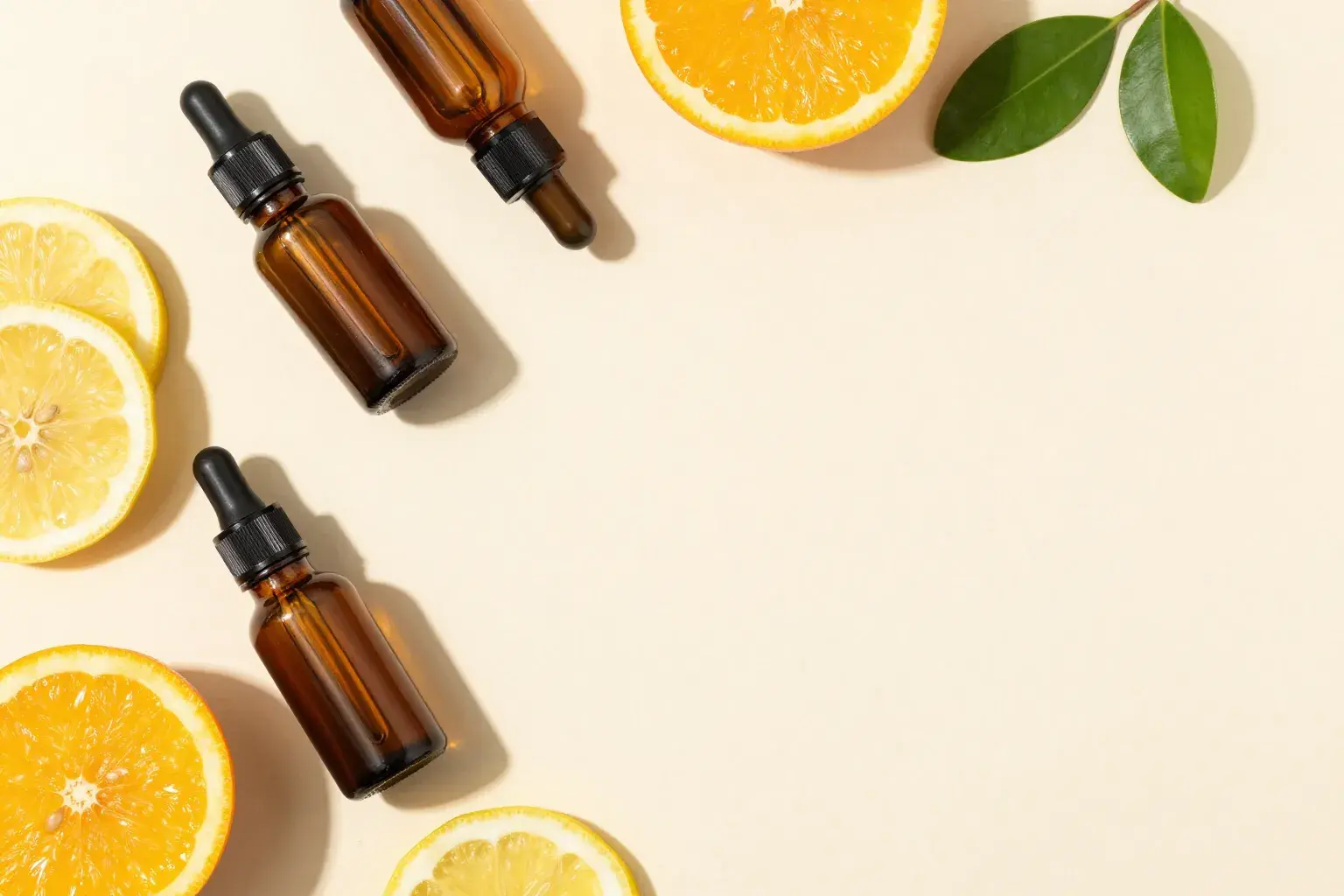
A vitamin C serum in the morning is a great start. Pair it with a targeted treatment at night, such as our Medicube Kojic Acid Turmeric Vita Capsule Cream. It is a simple, effective combination. For more on layering these, see our niacinamide guide.
Step 3: Antioxidant support from within
Glutathione is the body's master antioxidant. It is the most talked-about supplement for skin brightening.
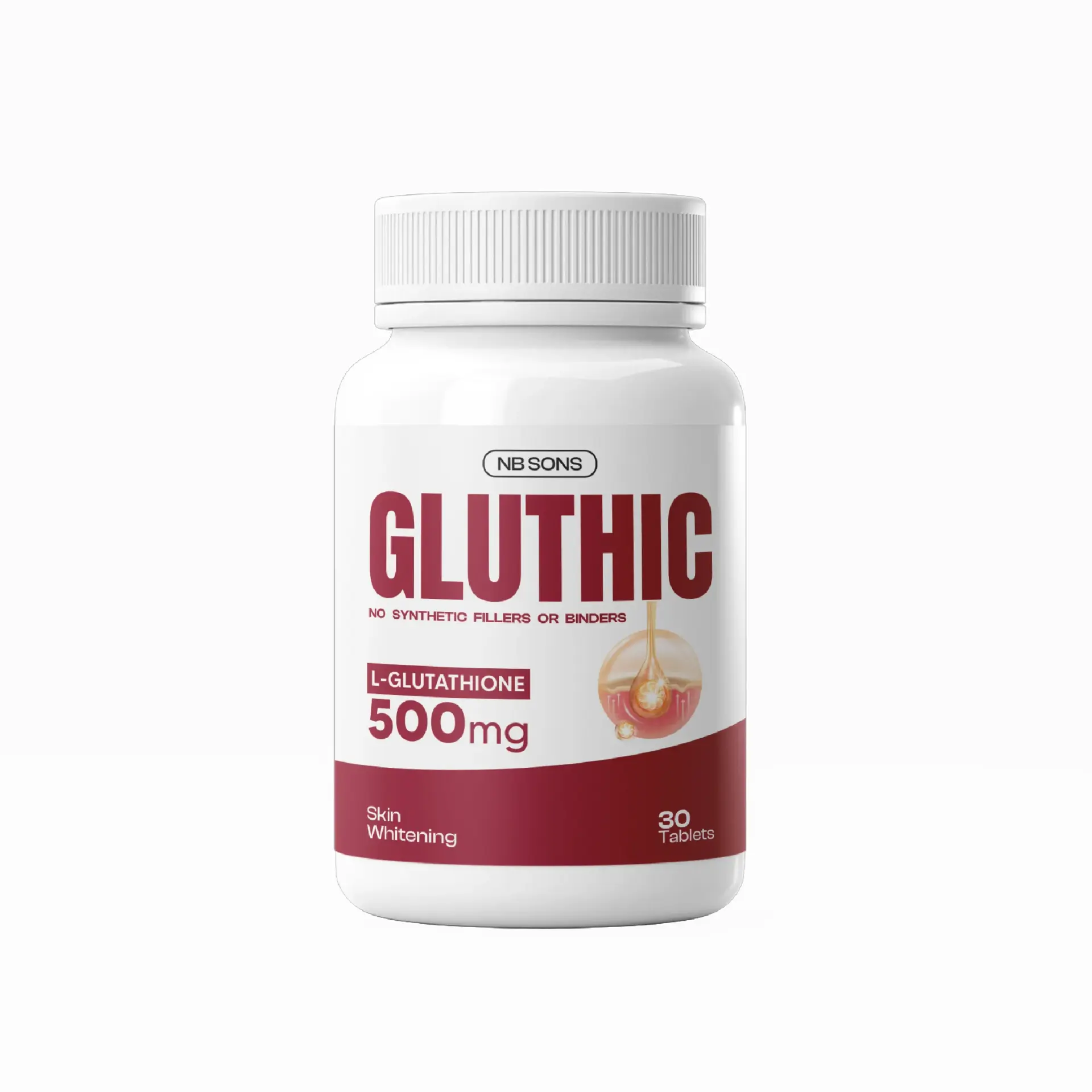
Studies look at its role in shifting melanin towards lighter pigment and supporting a more even tone over time. An oral option like Gluthic, or Gluthic + CEE, which pairs it with vitamin C for better effect, works alongside your topical routine rather than replacing it. We cover the science in detail in our glutathione for skin guide.
Shop Gluthic Glutathione.
What about home remedies?
Kitchen ingredients like lemon, turmeric and yogurt are popular. They can give mild, temporary brightness, but they are gentle and inconsistent.
Some can backfire. Neat lemon juice, for example, can irritate skin or even worsen pigmentation in the sun. We give an honest, safe breakdown in our skin whitening home remedies article.
What to avoid
Steer well clear of "instant whitening" creams sold without ingredient lists. Many contain mercury or strong steroids, which are banned in skincare for good reason.
They can thin skin, cause rebound darkening and carry serious health risks. Real brightening is gradual. Anything promising overnight fairness is a red flag.
The bottom line
You cannot, and should not, erase melanin. But you can absolutely fade uneven pigment and protect your glow.
Wear sunscreen every day, use proven brightening actives, support your skin from within with glutathione and vitamin C, and be patient. Avoid harsh "fairness" shortcuts.
Shop Skin & Brightening →Related guides
Frequently asked questions
How long does it take to fade pigmentation?
Most people need 8 to 12 weeks of steady sun protection plus brightening actives to see a clear difference. Deeper or hormonal pigmentation, like melasma, takes longer and benefits from a dermatologist's input.
Does glutathione really lighten skin?
Glutathione is studied for supporting a brighter, more even tone. It works best with vitamin C and daily sunscreen. Think of it as support for an even tone, not a guaranteed "fairness" pill.
Can I permanently reduce my melanin?
No, and you would not want to, since melanin protects your skin. You can fade excess dark patches and keep an even tone with ongoing sun protection and care.
Liked this one? Get the next in your inbox.
One fortnightly note from the editors, new pieces, restocks, and the routines we're actually using. Unsubscribe any time.