Tranexamic Acid (TXA) for Melasma & Stubborn Dark Spots (Pakistan 2026)
Tranexamic acid (TXA) for melasma and stubborn dark spots: how it works, how to use it, what to pair it with, and when to see a dermatologist in Pakistan.

Did you know melasma is one of the most common pigment problems seen on South Asian skin, and it loves our strong sun and heat? If you have tried serum after serum for stubborn brown patches, you may have missed one quiet hero: tranexamic acid. Often shortened to TXA, this ingredient has become a favourite for melasma and dark spots. This guide explains what tranexamic acid is, how it works, and how to use it safely in Pakistan.
What is tranexamic acid?
Tranexamic acid started life as a medicine to reduce heavy bleeding. Doctors noticed something interesting. Some patients taking it also saw their skin pigment fade.
That observation led to its use in skincare. Today TXA appears in serums and creams aimed at melasma and uneven tone. It is gentle compared with many older brightening agents.
So tranexamic acid for skin is not a new fad ingredient. It has a real medical history, now turned towards pigmentation.
How TXA calms pigment overproduction
Pigment problems happen when skin makes too much melanin in one area. Sun, heat, hormones and inflammation can all switch this on.
Tranexamic acid works differently from a simple bleach. It helps calm the signals that tell skin cells to overproduce pigment. In short, it turns down the volume on the melanin factory.
It also seems to settle some of the blood-vessel and inflammation triggers behind melasma. That is why it suits this condition so well, where many other actives struggle.
Why TXA suits melasma and South Asian skin
Melasma is famously stubborn. It shows as larger, symmetrical brown or greyish patches, often on the cheeks, forehead, nose or upper lip.
It is very common in South Asian skin because we have more active pigment cells and live under strong UV. Hormones, including pregnancy and the contraceptive pill, can make it worse.
Cleveland Clinic notes that melasma is a chronic condition that often needs ongoing management rather than a one-off cure. You can read its overview of hyperpigmentation for context. TXA fits this picture well, as it gently and steadily reduces pigment signals over time.
Topical versus oral tranexamic acid
TXA comes in two main forms for pigment. Topical means a serum or cream you apply. Oral means a tablet you swallow.
For most people, topical is the sensible starting point. It works at the skin surface, suits home routines, and carries far less risk.
Oral tranexamic acid can help severe melasma, but it is a different matter entirely. It is a medicine with real cautions, including a small risk of blood clots. Oral TXA should only ever be used under a doctor who has assessed you. Please do not buy or self-dose oral tablets for skin. This guide focuses on the topical form.
How to use tranexamic acid serum or cream
Topical TXA is simple to add to a routine. A little goes a long way.
- Cleanse and pat skin dry.
- Apply a thin layer of your TXA serum or cream to the affected areas.
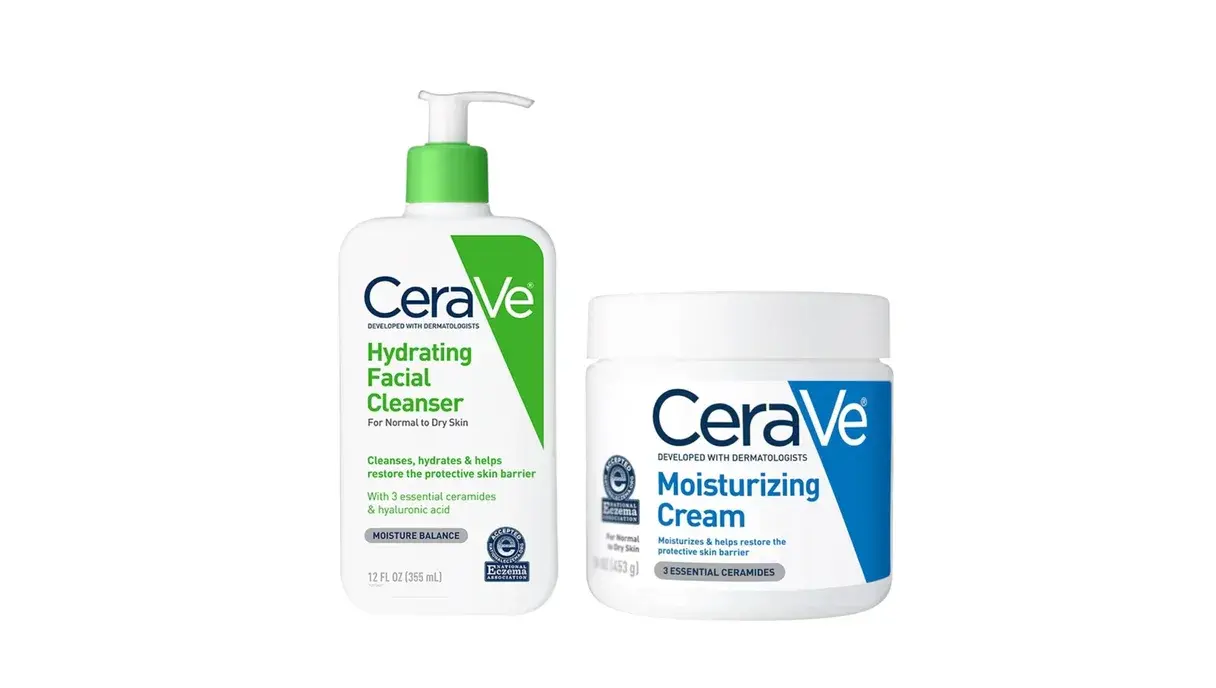
- Follow with moisturiser.
- In the morning, always finish with broad-spectrum sunscreen.
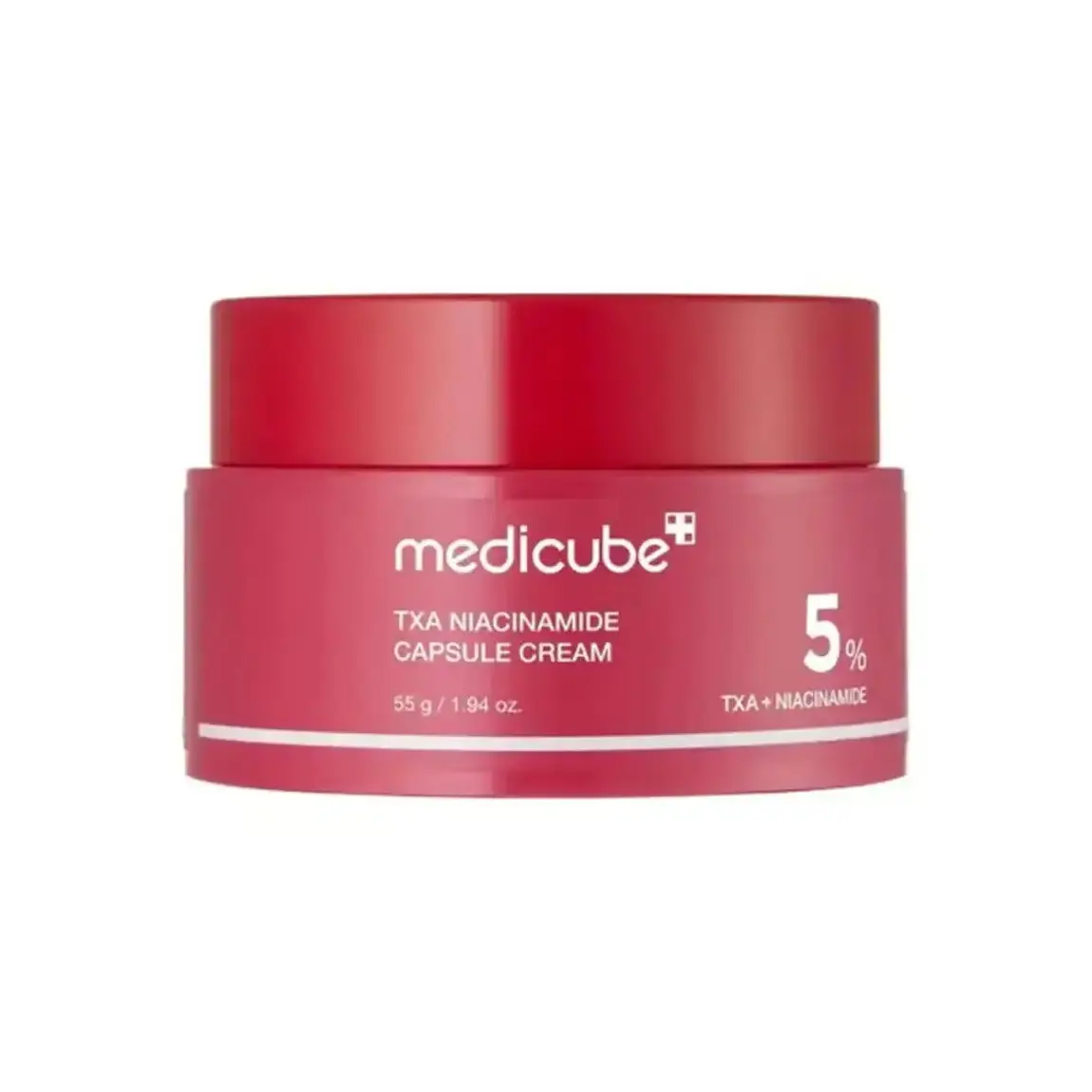
You can usually use TXA once or twice a day. Start once daily if your skin is sensitive, then build up. A combined formula like the Medicube 5% TXA + Niacinamide cream (Rs 5,500) makes this easy, as it pairs two pigment-friendly actives in one step.
Pairing TXA with niacinamide and vitamin C
TXA plays nicely with other gentle brighteners. Layering them can give better, faster results.
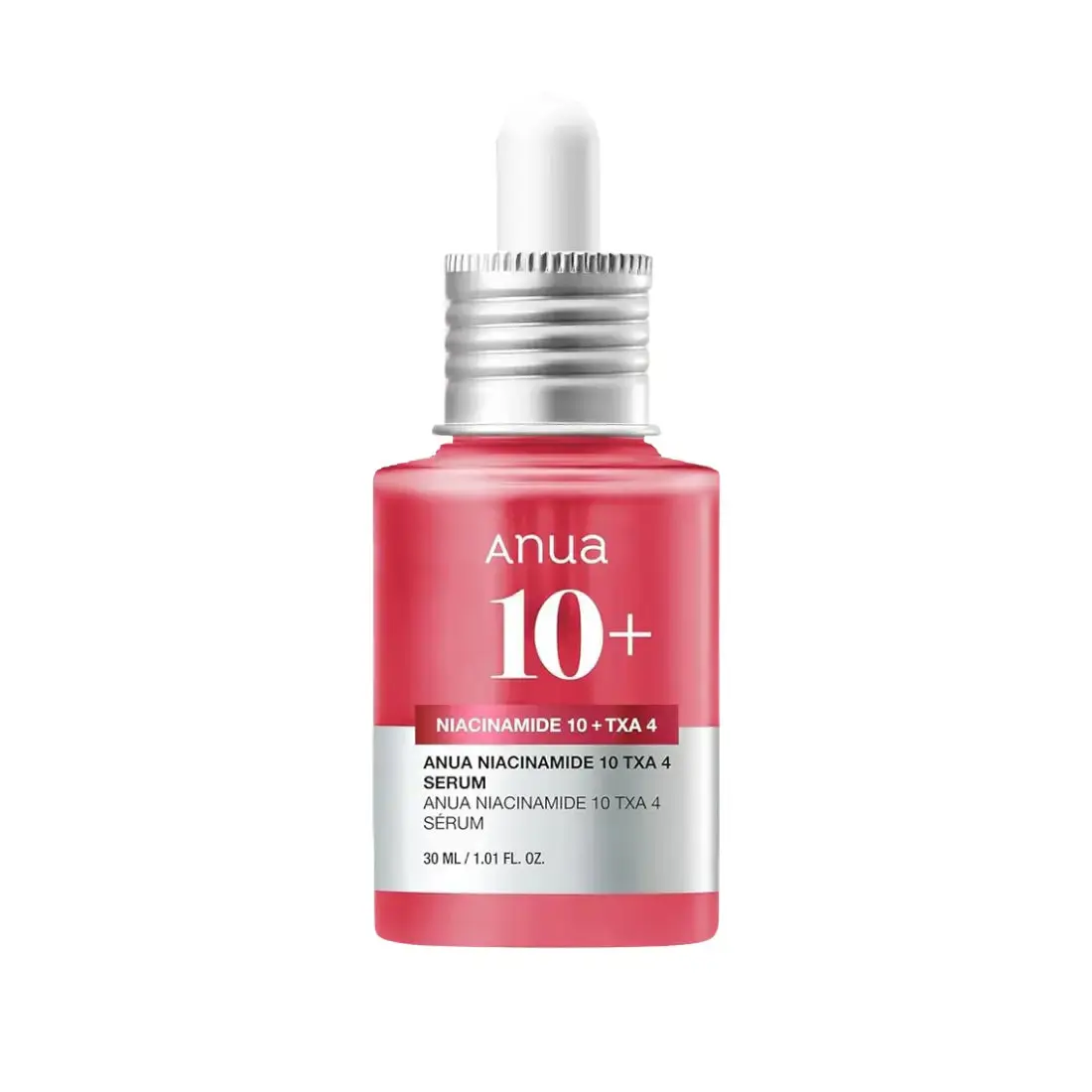
Niacinamide is a calming partner. It supports the barrier and helps even tone. A serum that combines both, like the Anua Niacinamide 10% + TXA 4% Serum (Rs 4,249), is a smart all-in-one. See our full niacinamide serum guide to learn more.
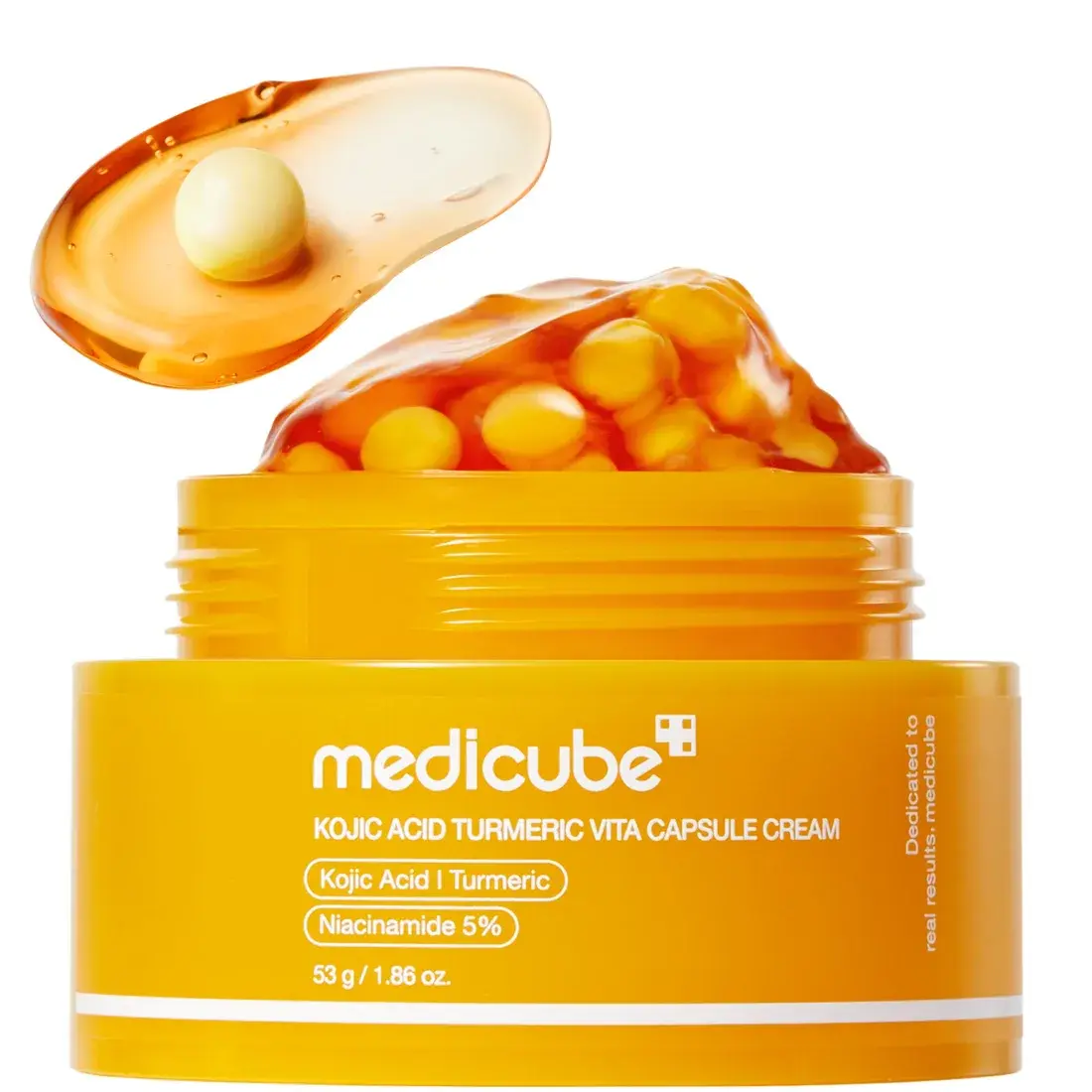
Vitamin C suits the morning and adds antioxidant protection. A kojic acid based option such as the Medicube kojic acid turmeric cream (Rs 5,999) can also target stubborn patches. Introduce one new active at a time so you can spot any irritation.
TXA versus niacinamide: which to choose?
People often ask whether to pick TXA or niacinamide. The honest answer is that they do different jobs.
Niacinamide is a gentle all-rounder. It calms, controls oil and slowly evens tone. TXA is more focused on pigment signals, so it shines for melasma and set-in dark patches.
You do not have to choose. Using both together often works better than either alone, which is why many modern serums combine them.
A realistic timeline for results
Pigment fades slowly. This is true for every brightening ingredient, including TXA.
Most people start to notice a difference in about 8 to 12 weeks of steady daily use. Deeper or older melasma can take several months more.
Melasma also tends to return if sun protection slips. So think of TXA as ongoing maintenance, not a quick fix. Consistency is everything here.
Sunscreen is non-negotiable
You can use the best TXA in the world and see nothing if you skip sunscreen. UV is the main driver of melasma.
The NHS advises generous, regular sunscreen use to protect skin from UV damage. Read its sunscreen and sun safety guidance for the basics.
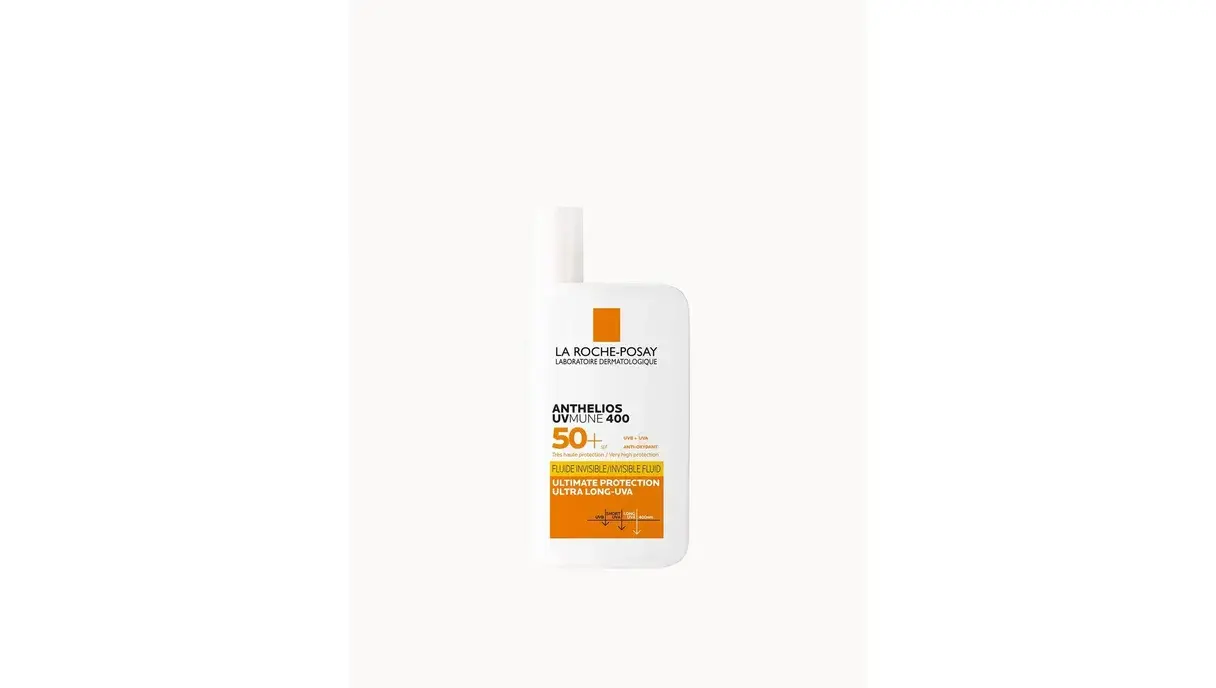
Use a broad-spectrum SPF 30 or higher every single morning, and reapply outdoors. For melasma, a tinted or mineral sunscreen adds extra protection against visible light too. A hat and shade help in our harsh sun.
Who should be careful with TXA
Topical TXA is well tolerated by most people. Still, a few should take care.
- If you have very sensitive or reactive skin, patch test first and start slowly.
- If you are pregnant or breastfeeding, check with your doctor before starting any active.
- If you have a history of blood clots, this matters only for oral TXA, which you should not take without medical advice.
- Stop and seek advice if you get persistent redness, stinging or a rash.
When to see a dermatologist
Home care helps many people, but some pigment needs professional input.
See a dermatologist if your melasma is widespread, deeply set, or not budging after a few months of good care. A doctor can confirm the diagnosis and may suggest prescription combinations or in-clinic treatments.
Getting the diagnosis right matters. Not every dark patch is melasma, and the right treatment depends on the cause. Our guides on treating dark spots, reducing melanin naturally and removing sun tan can help you understand the differences.
Read next: Best Pigmentation & Melasma Creams in Pakistan and Alpha Arbutin Serum in Pakistan.
This article was written and medically reviewed to our medical review board standards and is for general guidance, not personal medical advice. Always speak to a doctor or pharmacist about your own situation.
Shop Anua Niacinamide 10% + TXA 4% Serum →Related on Yellow Pink: Medicube kojic acid cream
Frequently asked questions
What does tranexamic acid do for skin?
Topical tranexamic acid helps calm the signals that make skin overproduce melanin. Over weeks, this can fade melasma and stubborn dark spots and even out tone, especially when paired with daily sunscreen.
How long does TXA take to fade melasma?
Most people notice improvement in about 8 to 12 weeks of daily use. Deeper melasma can take several months, and results last only if you keep up sun protection.
Can I use TXA and niacinamide together?
Yes. They work well as a team, which is why many serums combine them. Niacinamide calms and supports the barrier while TXA targets pigment signals more directly.
Is oral tranexamic acid safe for melasma?
Oral TXA can help severe melasma but is a medicine with real risks, including blood clots. It should only be used under a doctor. Never self-dose oral tablets for skin.
Can I use TXA while pregnant?
Always check with your doctor first. Many people pause active ingredients during pregnancy. Your doctor can advise what is suitable for your situation, and sunscreen remains safe and important.
Does TXA work without sunscreen?
No. UV is the main trigger for melasma, so skipping sunscreen undoes the benefit. Daily broad-spectrum SPF 30 or higher is non-negotiable with any pigment treatment.
Liked this one? Get the next in your inbox.
One fortnightly note from the editors, new pieces, restocks, and the routines we're actually using. Unsubscribe any time.