How to Remove Sun Tan: What Actually Works for Pakistani Skin (2026)
How to remove tan from Pakistani skin: what really speeds up fading, home methods that work, myths to skip, and when a dark patch is actually melasma.

Did you know Pakistan sits in one of the highest ultraviolet zones on Earth, with strong sun almost every month of the year? That single fact explains a lot. If you have been searching for how to remove tan, you are not alone. Sun tan is one of the most common skin complaints across Pakistan. The good news is simple. Tan fades on its own, and you can speed it up safely. This guide explains what actually works, what to skip, and when a dark patch is something more.
Why Pakistani skin tans so fast
Pakistani skin is usually medium to deep in tone. It carries more melanin, the pigment that gives skin its colour. Melanin is protective. It absorbs ultraviolet (UV) light and shields deeper skin layers.
When sunlight hits your skin, your body makes more melanin to defend itself. That extra pigment is what we call a tan. Because our skin reacts strongly, tanning happens quickly here.
The UV in Pakistan is intense year round. Summer in Lahore, Karachi or Multan is brutal, but even winter sun adds up. Add long commutes, outdoor work and rooftop chores, and the exposure is constant. So a tan is not a sign you did anything wrong. It is your skin doing its job.
The honest truth about sun tan removal
Here is the most important point. A tan is temporary. Your skin renews itself over weeks, and old pigmented cells shed away. So most tan fades on its own in time.
What good skincare does is two things. It speeds up the fading. It also prevents the next tan from forming. That is the realistic promise. Nothing strips a tan off overnight, and any product claiming that is overselling.
The biggest mistake people make is chasing harsh quick fixes while skipping the one step that matters most: daily sun protection. Without that, you are bailing water out of a boat with a hole in it.
Step one for sun tan removal: daily sunscreen
Sunscreen is not optional. It is the foundation of any de-tan plan. If you only do one thing, do this.
The NHS explains that sunscreen helps protect skin from UV damage and should be applied generously and often. You can read its sunscreen and sun safety guidance for the basics.
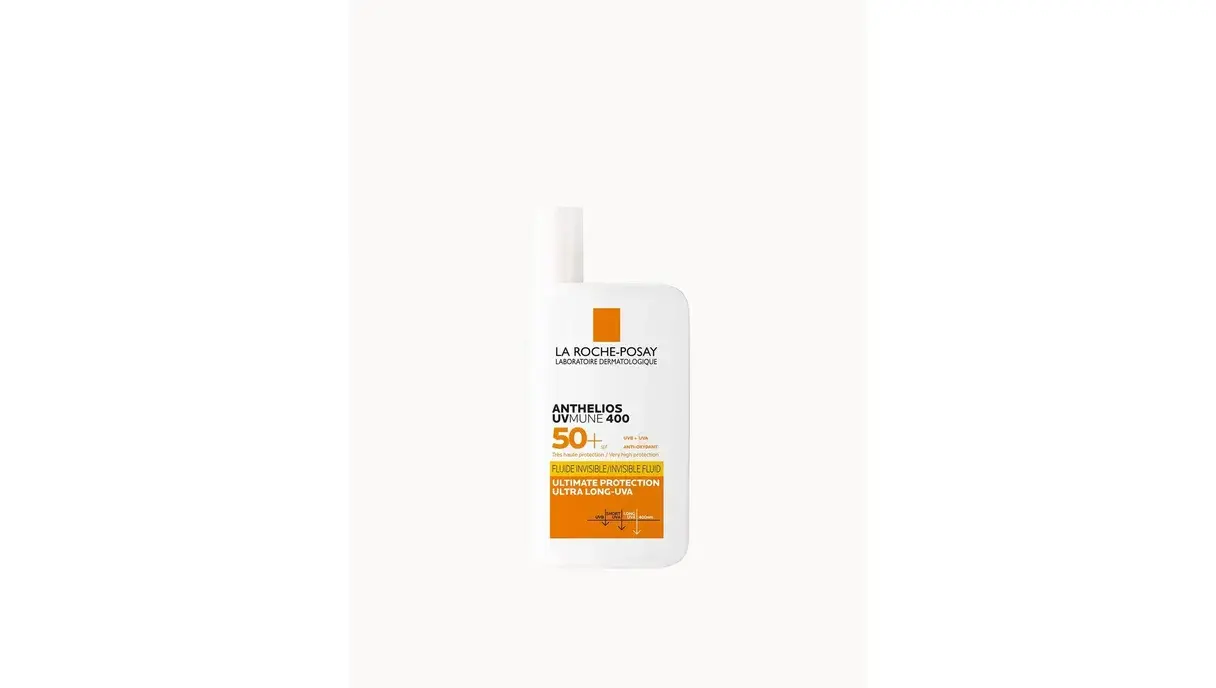
Choose a broad-spectrum sunscreen with SPF 30 or higher. Apply it every morning, even on cloudy days and indoors near windows. Reapply every few hours when you are outside.
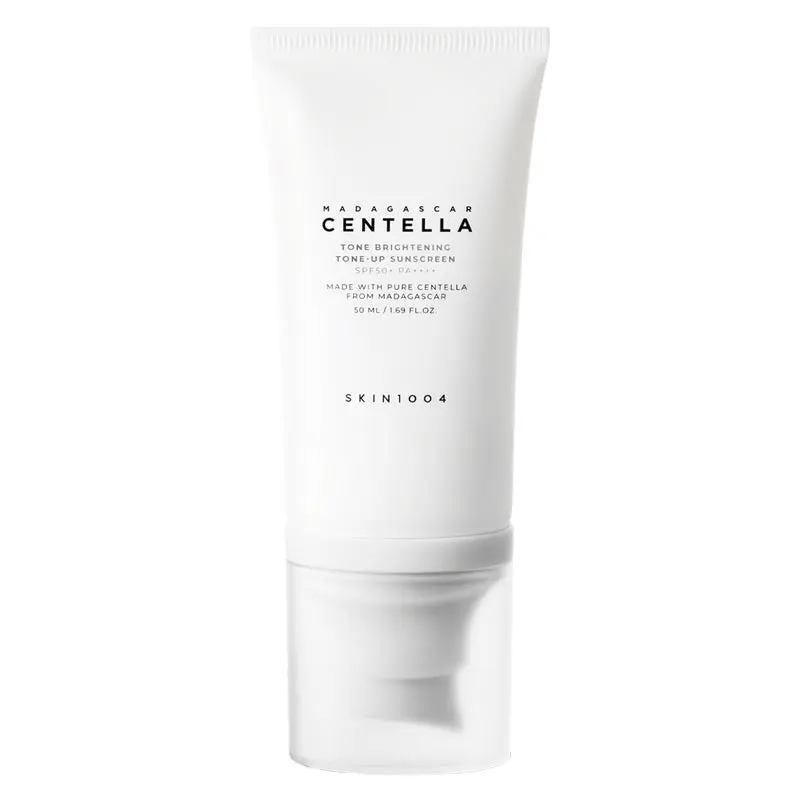
For oily and combination skin common in our climate, a light gel or tone-up formula feels better. A tone-up sunscreen can also soften the look of an existing tan instantly. The SKIN1004 Madagascar Centella Tone-Up Sunscreen (Rs 3,502) is a calm, soothing option. For more choices, see our guide to the best sunscreen for oily skin in Pakistan.
Vitamin C: your daytime brightening hero
Vitamin C is one of the best researched brightening ingredients. It is an antioxidant. It helps fight the damage caused by sun and pollution.
It also helps fade uneven tone over time and supports a brighter, more even glow. Used every morning under sunscreen, it is a strong tan-fighting team.
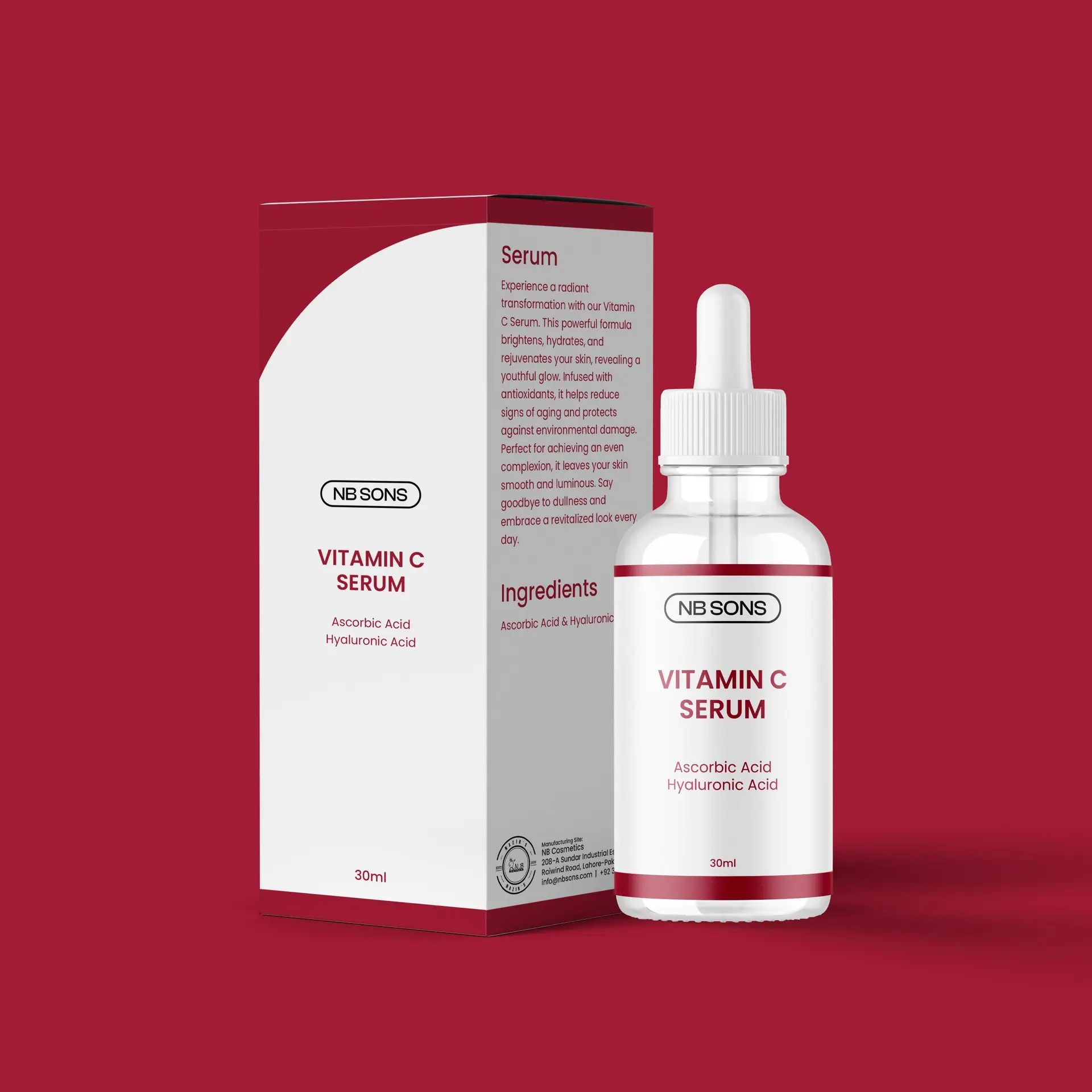
Start a few times a week, then build up to daily as your skin adjusts. A simple, affordable option is our Vitamin C Brightening Serum (Rs 2,000). To use it well, read our full vitamin C serum guide for Pakistan.
Niacinamide: gentle help for tone and tan
Niacinamide is a form of vitamin B3. It is gentle and suits almost everyone, including sensitive skin.
It helps reduce the look of dark patches and uneven tone. It also strengthens the skin barrier and controls oil, which our heat and humidity love to overproduce.
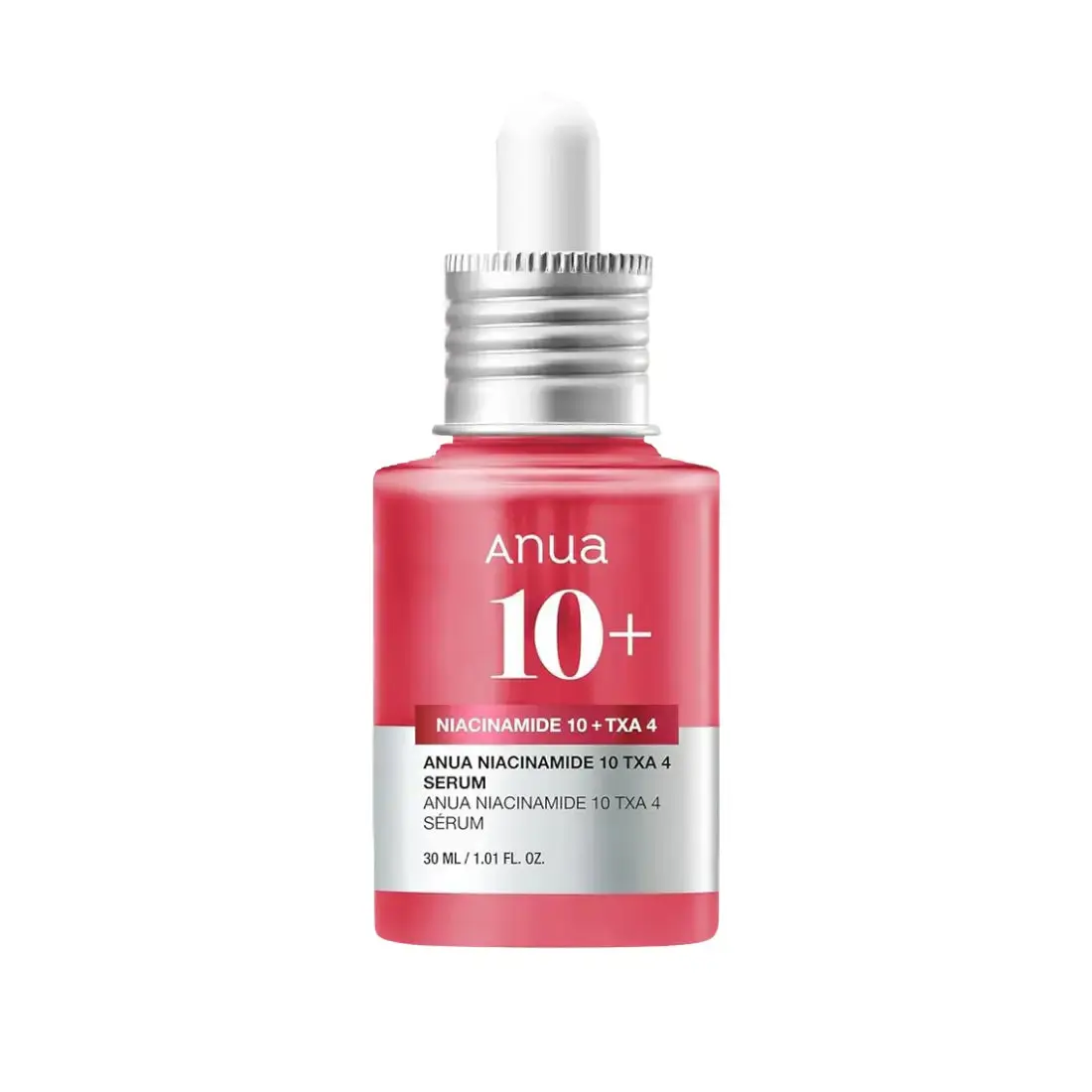
Niacinamide pairs nicely with vitamin C and sunscreen. The Anua Niacinamide 10% + TXA 4% Serum (Rs 4,249) adds tranexamic acid too, which targets stubborn pigment.
Gentle exfoliation, not harsh scrubbing
Tan lives in the upper skin layers. Gentle exfoliation helps those pigmented cells shed faster.
The key word is gentle. A mild AHA, such as glycolic or lactic acid, used once or twice a week is plenty. It smooths and brightens without injury.
Please avoid harsh physical scrubbing. Scrubbing hard, daily, with gritty products can damage the barrier. That triggers more inflammation, and inflammation can lead to more pigment. So you make the problem worse, not better.
Glutathione for overall brightness
Glutathione is an antioxidant your body makes naturally. It is popular in Pakistan for overall skin brightening.
It may support a more even, brighter complexion as part of a wider routine. Think of it as a helper, not a magic switch. Results are gradual and work best alongside sunscreen and good skincare.
If you want to try it, the Gluthic glutathione (Rs 3,500) is one option we stock. For a deeper look, read our glutathione benefits guide. Speak to a doctor first if you take regular medicines or are pregnant.
De-tan myths to skip right now
Home remedies are everywhere, but some do more harm than good.
- Lemon juice on skin. It is very acidic. It can irritate, burn and even make pigment worse, especially in our sun.
- Harsh scrubbing with sugar or salt. This causes micro-tears and inflammation, which can darken skin.
- Strong skin-bleaching creams. Many sold informally contain unsafe ingredients. They can thin and damage skin over time.
- Toothpaste or baking soda. These disturb the skin barrier and offer no real benefit.
Stick to gentle, proven steps. Your skin heals better when you treat it kindly.
A realistic timeline for fading tan
Patience matters. Skin cells turn over roughly every 4 to 6 weeks, and this slows a little with age.
With daily sunscreen, vitamin C and gentle care, many people see a fresher, more even tone in 4 to 8 weeks. Deeper or older tan can take longer.
The single biggest factor is sun protection. If you keep getting unprotected sun, the tan keeps refreshing itself. Consistency beats intensity every time.
How to remove tan from face, neck, hands and body
The neck, hands and arms often look darker than the face. People treat the face and forget the rest.
Extend your routine. Apply sunscreen to your neck, ears and the backs of your hands every day. Use your brightening serum on the neck too.
For the body, a gentle AHA body lotion and daily sunscreen on exposed skin help even things out. A scarf, full sleeves and gloves while riding or driving make a big difference in our sun.
When it is not just tan: melasma and pigmentation
Sometimes a dark patch is not a simple tan. It may be melasma, a common pigment condition in South Asian skin.
Melasma shows as larger, symmetrical brown or greyish patches, often on the cheeks, forehead or upper lip. It is stubborn and linked to sun, heat, hormones and pregnancy.
Cleveland Clinic has a clear overview of hyperpigmentation if you want to understand the types. If a patch is symmetrical, long lasting or spreading, treat it as more than tan. Read our guides on treating dark spots and reducing melanin naturally, and see a dermatologist for a proper plan.
A simple daily de-tan routine
Keep it easy so you actually stick to it.
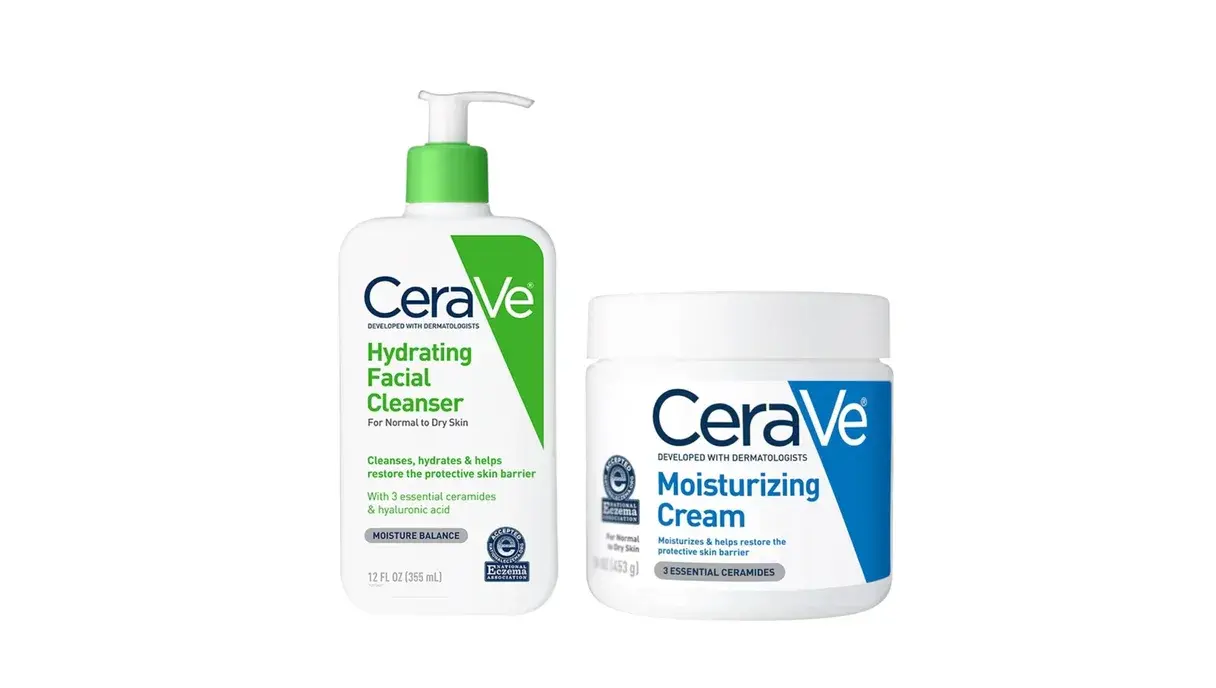
- Morning: gentle cleanser, vitamin C serum, moisturiser, then broad-spectrum sunscreen.
- Evening: cleanser, niacinamide serum, moisturiser.
- 1 to 2 nights a week: a mild AHA instead of the serum, then moisturiser.
- Daily habit: reapply sunscreen outdoors and cover up where you can.
This article was written and medically reviewed to our medical review board standards and is for general guidance, not personal medical advice. Always speak to a doctor or pharmacist about your own situation.
Shop Vitamin C Brightening Serum →Frequently asked questions
How long does it take to remove a sun tan?
Most light tan fades in about 4 to 8 weeks with daily sunscreen and gentle brightening care. Deeper tan takes longer, and consistent sun protection is what makes the difference.
Can I remove tan permanently?
No method removes tan forever, because any new unprotected sun creates a fresh tan. The realistic goal is to fade current tan and prevent new tanning with daily sunscreen.
Is lemon good for tan removal at home?
No. Lemon juice is very acidic and can irritate skin and worsen pigment, especially in strong sun. Use a gentle vitamin C serum instead, which is formulated to be safe for skin.
Which is best to fade tan, vitamin C or niacinamide?
They work best together. Vitamin C suits the morning and fights sun damage, while niacinamide is gentle and helps tone any time. Both should sit under daily sunscreen.
Do I need sunscreen indoors in Pakistan?
Yes, if you sit near windows or step out often. UV passes through glass, and our sun is strong year round, so a daily SPF 30 or higher is wise even indoors.
How do I know if it is tan or melasma?
Tan is usually even and fades over weeks. Melasma forms larger, symmetrical patches that linger and recur. If a dark area is stubborn or spreading, see a dermatologist for advice.
Liked this one? Get the next in your inbox.
One fortnightly note from the editors, new pieces, restocks, and the routines we're actually using. Unsubscribe any time.