Endometriosis: Symptoms, Diagnosis and Treatment in Pakistan
Endometriosis affects roughly 1 in 10 women and takes years to get diagnosed. The symptoms that are not "normal period pain", how doctors confirm it in Pakistan, and the treatments that actually help.
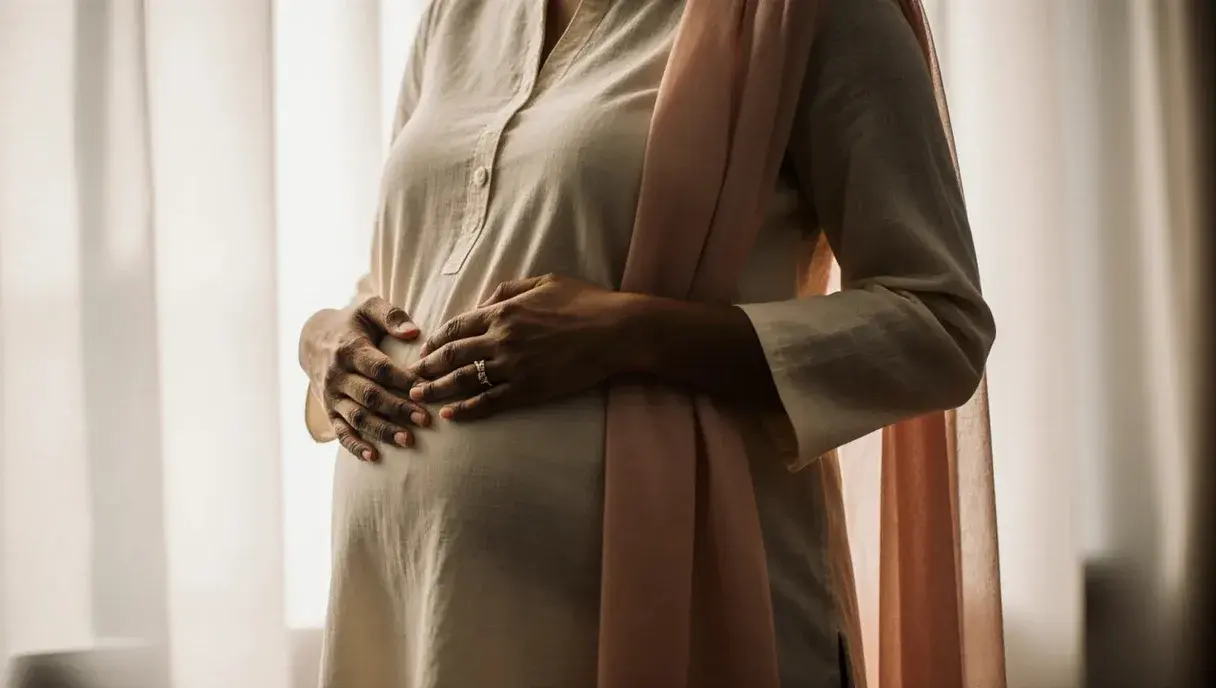
Endometriosis is one of the most common reasons a woman spends years being told her pain is normal. Around 1 in 10 women of reproductive age have it, and studies around the world put the average delay between first symptoms and diagnosis at seven years. In Pakistan the delay is often longer, because painful periods are treated as something to endure quietly. This guide explains what endometriosis actually is, the symptoms that are not "just period pain", how it is diagnosed here, and what treatment can do.
What endometriosis is
Tissue similar to the lining of the uterus grows where it should not: on the ovaries, the tubes, the outer wall of the uterus, sometimes the bowel or bladder. Every month this tissue responds to the same hormones as your period, so it bleeds where the blood has nowhere to go. The result is inflammation, pain and, over years, scar tissue and cysts (called endometriomas or "chocolate cysts" when they form on an ovary).
Symptoms that deserve attention
Painful periods are common; endometriosis pain has a different character. See a gynaecologist if you recognise several of these:
Period pain severe enough to miss work, school or daily tasks, especially if painkillers barely touch it. Pain that starts days before the period and lasts after it ends. Deep pain during or after intimacy. Pain when passing urine or stool during periods. Heavy periods or bleeding between periods. Constant tiredness around your cycle. And difficulty conceiving, because endometriosis is found in up to a third of women investigated for infertility.
One line matters more than any list: period pain that is getting worse year on year is not normal, and "everyone in our family has painful periods" is often how endometriosis hides in plain sight.
How it is diagnosed in Pakistan
A gynaecologist starts with your history and a pelvic exam, then usually a transvaginal or abdominal ultrasound. Ultrasound can see endometriomas on the ovaries but often misses smaller patches of tissue, so a normal scan does not rule endometriosis out. The definitive test is laparoscopy, a keyhole procedure where the surgeon looks directly and can remove tissue in the same operation. In practice, many Pakistani gynaecologists reasonably treat on the basis of symptoms first and reserve laparoscopy for severe or fertility-related cases. Good gynaecology departments at the major hospitals in Karachi, Lahore and Islamabad handle this routinely; expect an ultrasound to cost roughly Rs 1,500 to 4,000 at a private lab.
Treatment: what actually helps
There is no permanent cure, but the condition can usually be controlled well.
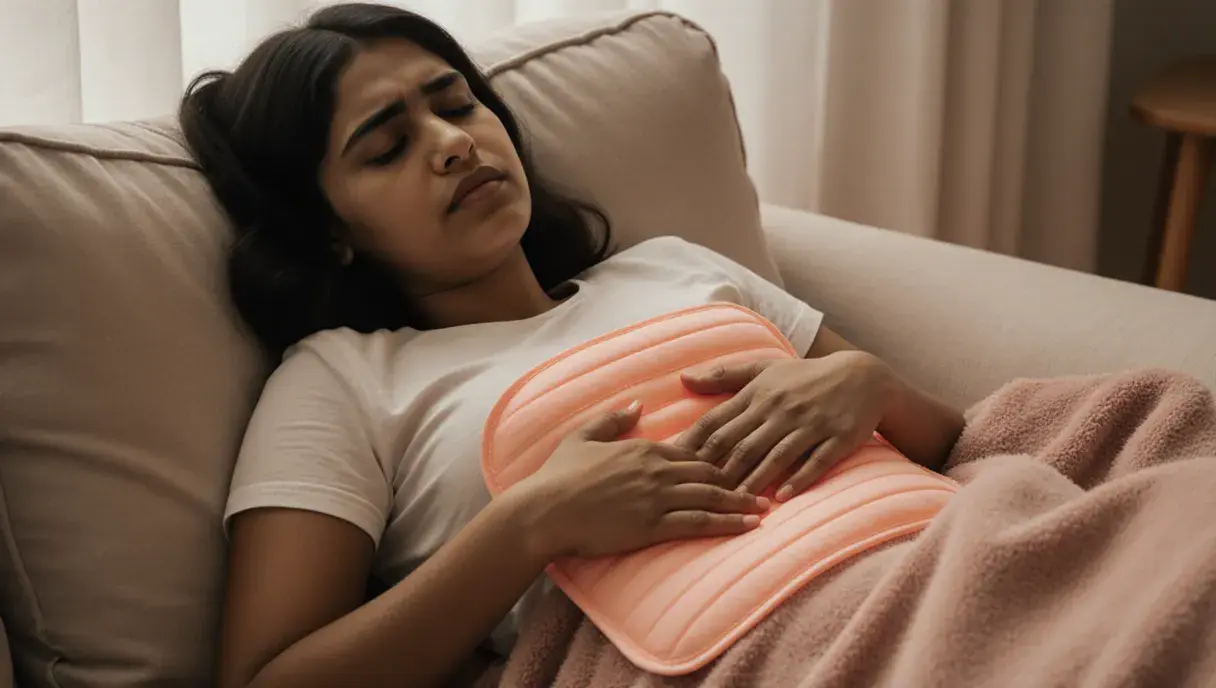
Pain control. NSAIDs (mefenamic acid, ibuprofen) taken at the first sign of pain, not after it peaks, work meaningfully better. Heat on the lower belly genuinely helps; our period pain guide covers the full toolkit.
Hormonal treatment. The mainstay. Combined pills, progestin-only options or a hormonal IUD quiet the monthly cycle so the misplaced tissue stops bleeding. Your gynaecologist will choose based on whether you are currently trying to conceive.
Surgery. Laparoscopic removal of tissue and cysts can reduce pain for years and improves conception chances in many cases, particularly when endometriomas are present.
Fertility support. If you are trying to conceive with endometriosis, time matters more than it does for other couples: doctors generally advise seeking help after six months of trying rather than a year. Our infertility and IVF guide explains the pathway in Pakistan, and the trying-to-conceive guide covers what you can do meanwhile. Tracking ovulation precisely helps you use every cycle well; the free Fertile Days Finder takes ten seconds.
Living with it
An anti-inflammatory pattern of eating (less fried food, more vegetables, fish and daal), regular gentle exercise and enough sleep all measurably reduce symptom severity for many women. Some evidence supports omega-3s and vitamin D when levels are low. None of these replace medical treatment; they make it work better.
When to see a doctor urgently
Sudden severe one-sided pelvic pain can mean a ruptured or twisted ovarian cyst and needs same-day care. Otherwise, book a routine gynaecology visit whenever period pain limits your life; you do not need to wait for it to become unbearable to deserve help.
This article is for education and does not replace medical advice. Reviewed for accuracy by our medical review board.
Heavy, painful periods have more than one cause. If an ultrasound mentions rasoli, the uterine fibroids guide explains what that means and the treatment options.
Liked this one? Get the next in your inbox.
One fortnightly note from the editors, new pieces, restocks, and the routines we're actually using. Unsubscribe any time.