Best Face Wash in Pakistan: How to Choose for Your Skin Type (2026)
Not sure which face wash suits you? How to choose by skin type, why hydrating cleansers matter in Pakistan's climate, and which ingredients to avoid.
Dermatologists often say the cleanser is the most overlooked step in any routine, yet it touches your skin more than any other product you own. If you are searching for the best face wash in Pakistan, the honest answer is that there is no single "best" wash for everyone. The right hydrating face wash for a dry winter in Islamabad is not the right choice for an oily, humid afternoon in Karachi. This guide walks through how to match a face wash to your skin type, why hydrating cleansers matter more here than in most countries, and which ingredients to look for or avoid.
Shop the picks in this guide (5)
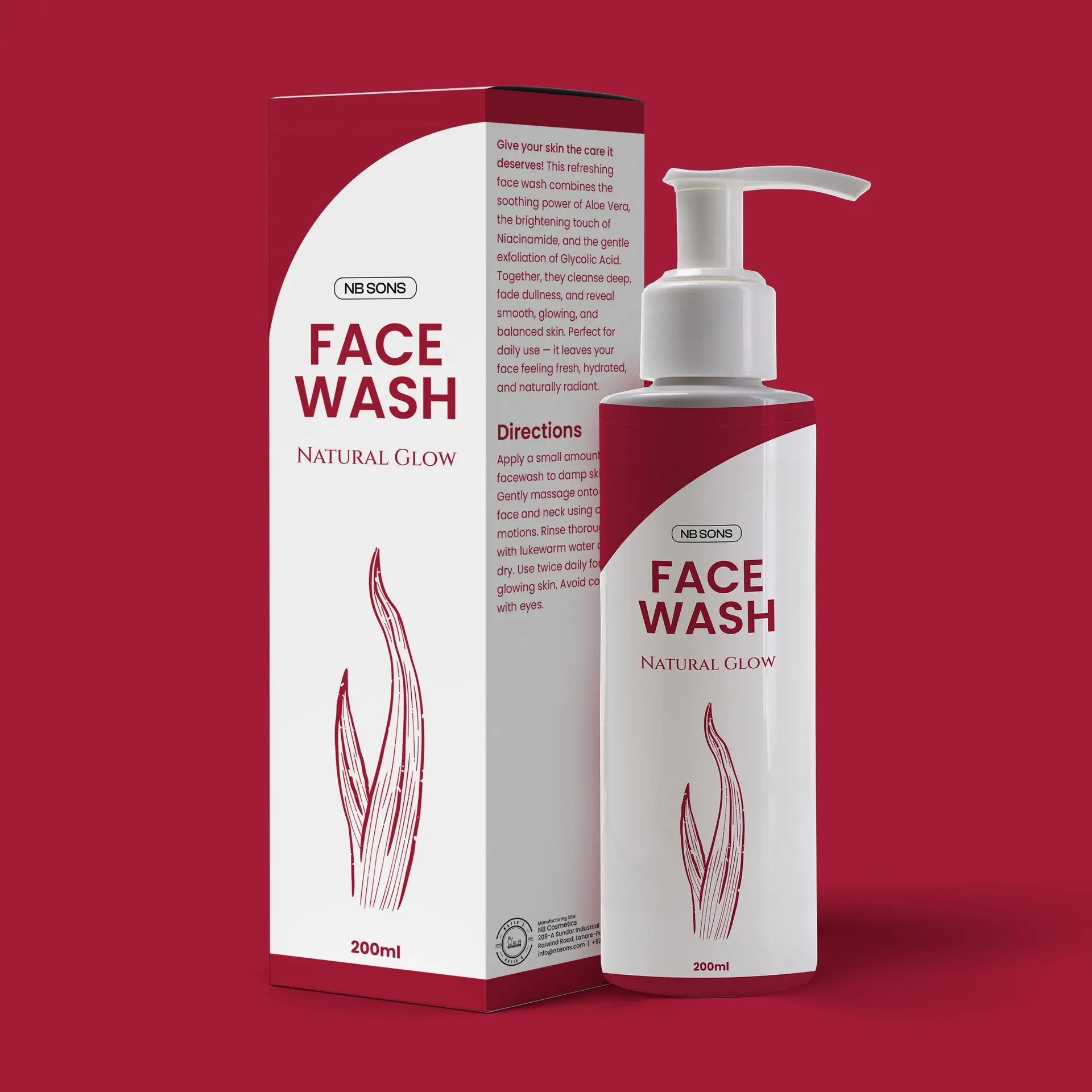
- Hydrating Face Wash, Rs 1,500, the gentle daily wash for skin that feels tight or dry after washing
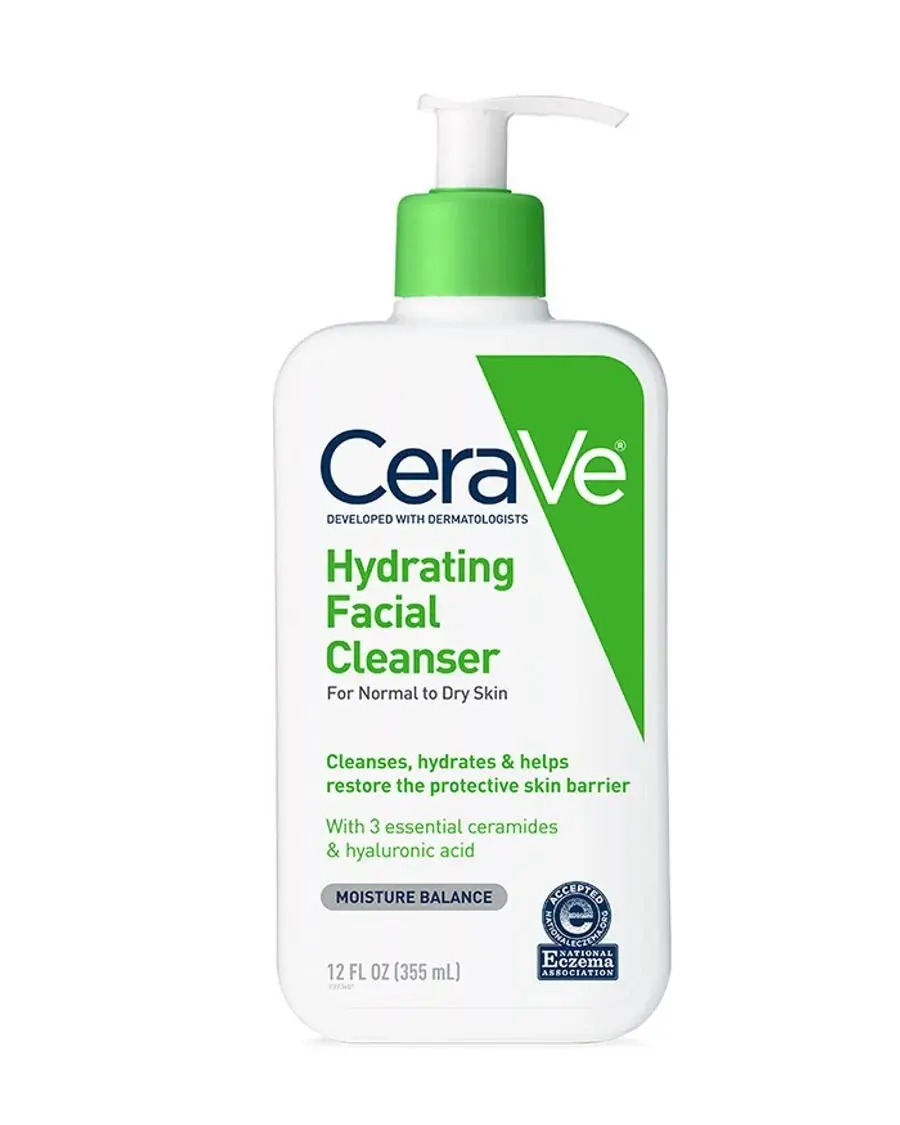
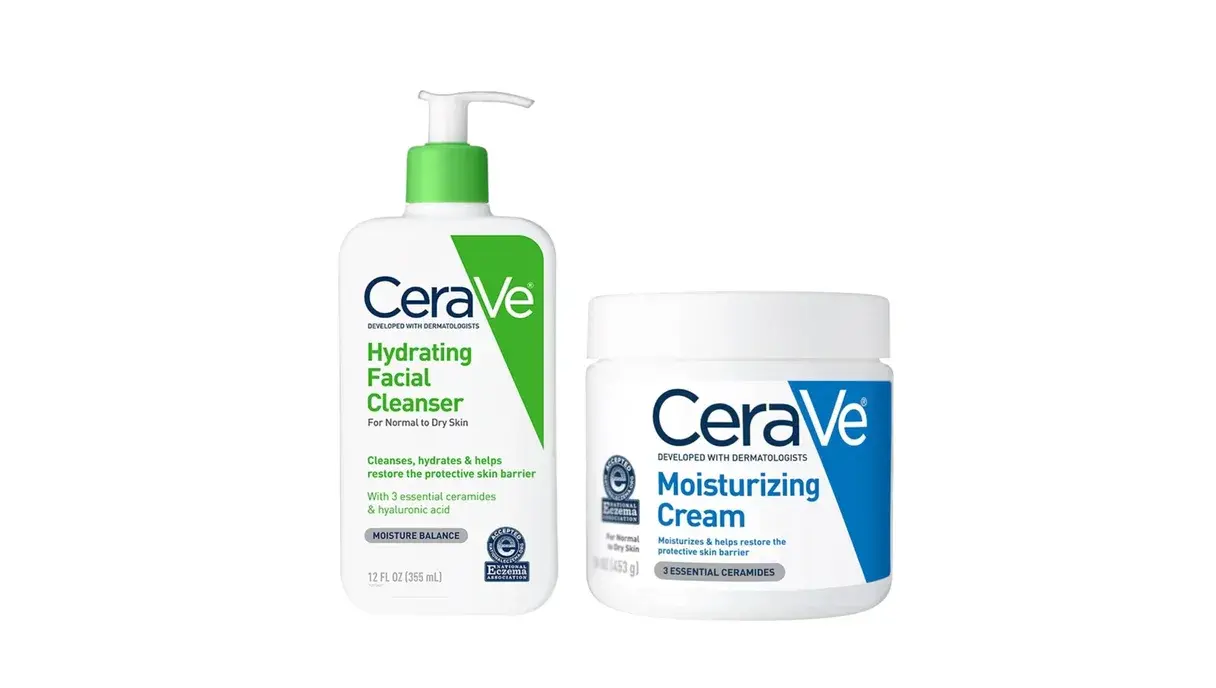
- CeraVe Hydrating Facial Cleanser, Rs 5,999, for normal to dry skin that wants ceramides in the cleanser
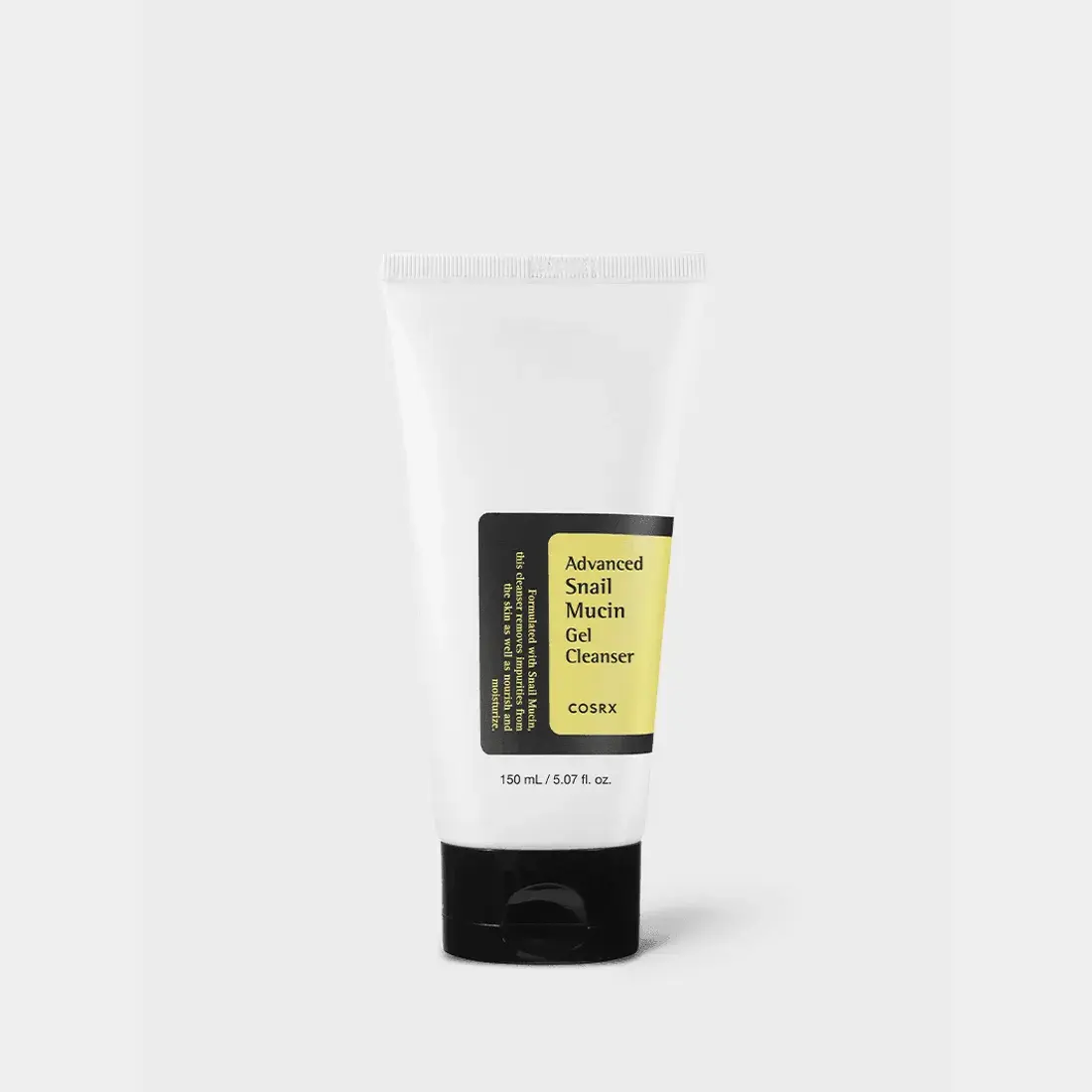
- COSRX Advanced Snail Mucin Gel Cleanser 150ml, Rs 3,999, a gentle foaming gel with snail mucin, a good fit for oily and combination skin
- CeraVe Acne Control Cleanser, Rs 6,590, 2% salicylic acid for oily, acne-prone skin
- La Roche-Posay Toleriane Hydrating Gentle Cleanser 400ml, Rs 8,999, a soap-free cream cleanser for sensitive skin
Why the right face wash in Pakistan matters more than you think
Most people treat cleanser as an afterthought. They grab whatever foams the most and assume foam equals clean. But a cleanser sets the tone for your entire routine. Strip the skin barrier with a harsh wash and your moisturiser, serum, and sunscreen all have to work harder just to undo the damage.
In Pakistan, this matters even more. Hard, mineral-heavy tap water in many cities already dries out skin. Add strong summer heat, dust, and hours spent in air-conditioned offices and cars, and the skin barrier takes a daily battering. A gentle, hydrating face wash is not a luxury here. It is basic protection.
How to choose a face wash for your skin type
The starting point is always your skin type. A cleanser that suits your friend's skin can leave yours tight, flaky, or greasy within hours.
Oily and combination skin
Oily and combination skin can usually tolerate a light foaming or gel cleanser. Look for mild actives such as salicylic acid or niacinamide in a low, daily-use concentration. The goal is to control shine without scrubbing away every trace of natural oil, which only makes glands produce more oil to compensate. A gentle foaming gel such as the COSRX Advanced Snail Mucin Gel Cleanser cleans thoroughly without stripping, and if breakouts are the main problem, the CeraVe Acne Control Cleanser with 2% salicylic acid is made for oily, acne-prone skin.
Dry and sensitive skin
Dry and sensitive skin needs a hydrating cream or gel cleanser that cleans without foaming aggressively. Ingredients like glycerin and hyaluronic acid help the wash lift away dirt while leaving moisture behind. If your skin feels tight or itchy within minutes of washing, that is a clear sign your current cleanser is too harsh. The CeraVe Hydrating Facial Cleanser is made for normal to dry skin, and the La Roche-Posay Toleriane Hydrating Gentle Cleanser is a soap-free cream cleanser with ceramides and niacinamide for sensitive skin.
Normal skin
Normal skin has the most flexibility. Most gentle, pH-balanced cleansers will work well. Even so, a hydrating formula is rarely a bad choice, since it protects the barrier during Pakistan's harsher weather months.
| Skin type | Best cleanser texture | Watch out for |
|---|---|---|
| Oily or combination | Light foaming or gel with mild actives | High-concentration SLS foaming washes used daily |
| Dry or sensitive | Hydrating cream or gel cleanser | Daily use of strong exfoliating acid washes |
| Normal | Gentle, pH-balanced, hydrating formula | Over-washing or scrubbing with hot water |
Why "hydrating" cleansers matter so much here
A hydrating face wash is formulated to clean the skin while supporting, rather than stripping, the natural barrier. This is where a product like the Hydrating Face Wash from NB Sons earns its name. It lifts away dirt, oil and impurities without leaving the skin tight or dry, which is exactly what you want from a wash you use twice a day.
Think of your skin barrier as a brick wall. The skin cells are the bricks, and lipids like ceramides are the mortar holding everything together. Harsh foaming washes dissolve that mortar. Over time, the wall weakens, and your skin becomes more prone to dryness, sensitivity, and breakouts.
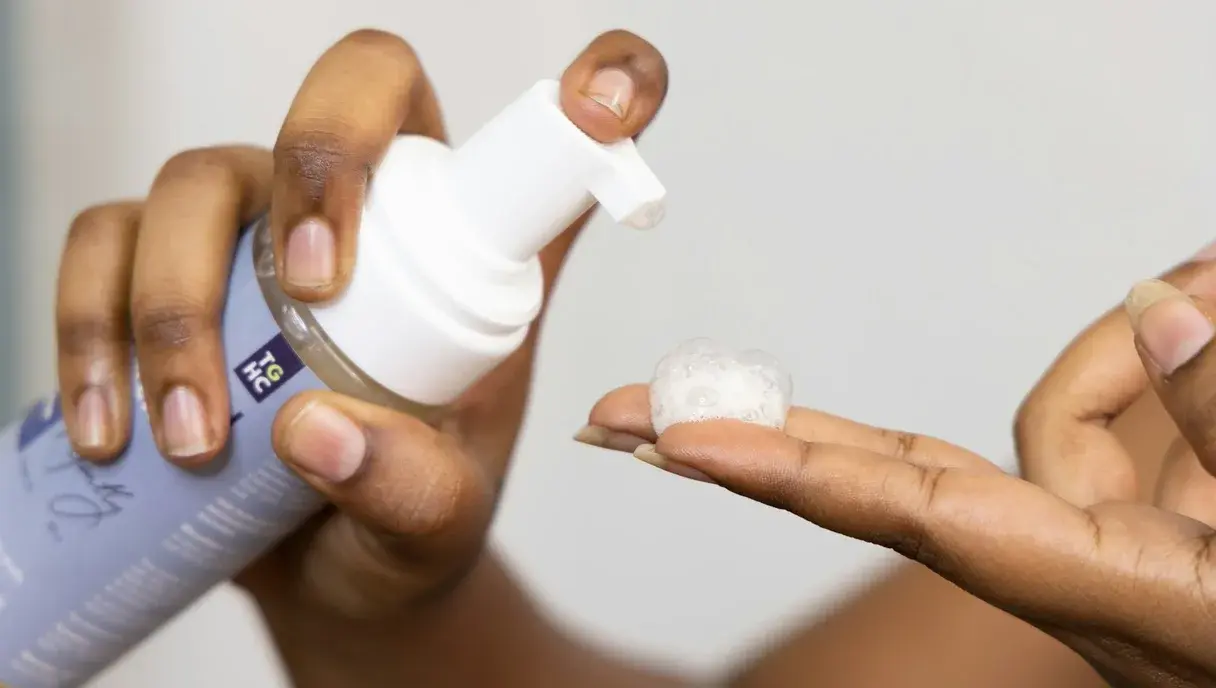
At Rs 1,500, the Hydrating Face Wash is gentle enough for daily morning and evening use across most skin types, and a kind first step for dry or sensitive skin recovering from over-cleansing. Massage a small amount onto damp skin, rinse, then follow with your serum and moisturiser.
Ingredients to look for in a face wash
- Glycerin, a humectant that pulls moisture into the skin during and after cleansing.
- Hyaluronic acid, which helps the skin retain water and feel plumper, not tight.
- Ceramides, which help rebuild and support the skin barrier over time.
- Mild surfactants such as decyl glucoside, which clean without excessive stripping.
- Niacinamide, useful in small amounts for oily or acne-prone skin needing extra oil control.
Ingredients and habits that can be too harsh for daily use
Not every popular cleanser is a good everyday choice. Some are better used sparingly, or not at all, depending on your skin.
- High-concentration sodium lauryl sulfate (SLS) foaming washes, which can strip natural oils and leave skin reactive.
- Acid-based exfoliating washes with salicylic or glycolic acid used every single day, rather than a few times a week.
- Bar soaps not designed for the face, which usually sit at a pH far higher than skin can comfortably tolerate.
- Hot water, which feels satisfying but breaks down the skin's protective oils faster than lukewarm water.
Double cleansing: do you actually need it?
Double cleansing means using an oil-based cleanser first to dissolve sunscreen, makeup, and sebum, followed by a water-based cleanser such as a hydrating face wash to clean the skin properly. It is a core step in many Korean skincare routines and can be genuinely useful if you wear heavy sunscreen or makeup daily. For the first step, a cleansing oil like the Medicube Zero Pore Blackhead Deep Cleansing Oil melts sunscreen and buildup before your regular wash, and a no-rinse option like Garnier Micellar Cleansing Water does a similar job on lighter days.
If you have dry or sensitive skin and wear little makeup, double cleansing every night may be unnecessary and can even be over-drying. For a full breakdown of when each cleansing step belongs in your day, see our guide on skincare routine order.
Morning versus evening cleansing
Your morning and evening cleanse do not need to be identical. In the morning, skin has mainly produced natural oil overnight, so a quick, gentle rinse with a hydrating cleanser is usually enough.
In the evening, skin has accumulated sunscreen, pollution, and sweat from the day. This is when a proper cleanse matters most, particularly if you live in a dusty or high-traffic city. Always follow with a moisturiser suited to your skin type; if you have oily skin, our guide to the best moisturiser for oily skin explains why skipping moisturiser after cleansing can actually backfire.
Common face-washing mistakes to avoid
- Washing more than twice a day, which strips the barrier rather than improving clarity.
- Using hot water instead of lukewarm water.
- Scrubbing with a rough cloth or brush instead of using clean fingertips.
- Skipping moisturiser afterwards because skin "feels oily enough already".
- Using a body soap or bar soap on the face out of convenience.
If breakouts persist despite a gentle routine, it is worth reading our detailed guide on how to get rid of acne, since cleansing habits are only one part of a full acne strategy.
When to see a dermatologist
Most people can manage healthy skin with the right cleanser and consistent habits. However, you should see a dermatologist if your skin remains persistently red, painful, or inflamed despite switching to a gentle, hydrating cleanser, or if you suspect an underlying condition such as eczema or rosacea. According to the NHS, ongoing irritation or contact dermatitis often needs a tailored treatment plan rather than an over-the-counter fix alone. The Cleveland Clinic also notes that rosacea can be worsened by harsh cleansing habits, which is another reason to be gentle by default.
Read next: CeraVe Cleanser Price in Pakistan, Cleansing Oil in Pakistan and Face Scrub in Pakistan.
This article was written and medically reviewed to our medical review board standards and is for general guidance, not personal medical advice. Always speak to a doctor or pharmacist about your own situation.
Shop Hydrating Face Wash →Ready to switch to a gentler wash? Start with the Hydrating Face Wash at Rs 1,500, or browse every cleanser we stock in Cleansers & Treatments. Cash on delivery is available across Pakistan, and delivery is free on orders over Rs 5,000 in Punjab.
The same logic applies below the neck: our body wash guide covers what to use for dry, oily and acne-prone skin on the body.
Frequently asked questions
What is the best face wash for oily skin in Pakistan's hot weather?
A light foaming or gel cleanser with mild actives like salicylic acid or niacinamide works well for oily skin in summer. Avoid over-washing, since stripping the skin too often can trigger more oil production.
Can a hydrating face wash still clean oily skin properly?
Yes. A hydrating face wash cleans away dirt, sweat, and excess surface oil while leaving the skin barrier intact. It will not leave oily skin greasy, and it can actually reduce oiliness over time by preventing the rebound effect caused by harsh stripping.
How many times a day should I wash my face?
Twice a day, once in the morning and once in the evening, is enough for almost everyone. Washing more often than that usually does more harm than good by damaging the skin barrier.
Is double cleansing necessary every night?
Not for everyone. Double cleansing is most useful if you wear sunscreen, makeup, or heavy skincare during the day. If you have dry or sensitive skin and a minimal routine, a single gentle cleanse is often sufficient.
Does hard water in Pakistan affect which face wash I should use?
Hard water can leave skin feeling drier after washing, since mineral deposits interfere with how cleanser rinses off. Choosing a hydrating, low-irritation face wash helps offset this effect, especially in cities with notably hard tap water.
What ingredients should I avoid in a daily face wash?
Be cautious with high-concentration sodium lauryl sulfate foaming washes and daily use of strong acid-based exfoliating cleansers. Both can be too harsh for everyday use and may weaken the skin barrier over weeks of regular use.
How much does a good face wash cost in Pakistan?
Quality hydrating face washes are available at a range of price points. The Hydrating Face Wash is priced at Rs 1,500, which makes it an accessible daily option that still cleans without stripping. Imported cleansers from CeraVe and La Roche-Posay cost more, starting at around Rs 5,999 for the CeraVe Hydrating Facial Cleanser.
Liked this one? Get the next in your inbox.
One fortnightly note from the editors, new pieces, restocks, and the routines we're actually using. Unsubscribe any time.