Cleansing Oil in Pakistan: How to Double Cleanse Without Breakouts
Cleansing oil melts the sunscreen and makeup a face wash leaves behind. Who needs it, how to double cleanse, and how to avoid breakouts in Pakistan's heat.
Wipe a cotton pad over your face after an evening face wash, on a day you wore sunscreen. If it comes away tinted or greasy, your cleanser did not finish the job. That leftover film of SPF, foundation and sebum is exactly what a cleansing oil is made to dissolve.
Cleansing oil is the first step of the Korean double cleanse, and it has a reputation problem in Pakistan: putting oil on already oily skin in Karachi humidity sounds like a recipe for breakouts. The research and dermatologists say it is more nuanced than that. Here is who needs one, how to use it properly, and how to pick a formula that will not clog your pores.
What a cleansing oil does that face wash cannot
Oil dissolves oil. Sunscreen filters, long-wear foundation, waterproof mascara and your own sebum are all oil-loving, so water and foaming surfactants struggle to lift them. A cleansing oil melts them, and because it contains emulsifiers, it turns milky when you add water and rinses away with everything it picked up.
Cleveland Clinic puts the split simply: "Oil-based cleansers help to remove oil-based impurities and excess sebum on the skin," while water-based cleansers, "which are generally foaming cleansers, remove water-soluble impurities like sweat and dirt" (Cleveland Clinic). Each one does half the work. Used together, they are a double cleanse.
What the sunscreen study found
A small 2019 study in the Journal of Cosmetic Dermatology tested this on 20 volunteers. With a waterproof sunscreen, water alone left 59.3% of it on the skin and a foaming cleanser left 36.8%. A cleansing oil left just 5.8%, close to bare-skin levels.
With a regular, non-waterproof sunscreen, the cleanser (15.6% left) and the oil (13.4%) performed about the same. The dryness result is worth noting too: eight people in the cleanser group reported dry skin afterwards, against one in the cleansing oil group. It is one small study, but it matches what most people notice at the sink.
Do you actually need to double cleanse?
Not everyone does. Cleveland Clinic dermatologist Dr. Jane Wu says, "Double cleansing is usually not necessary. For most people, washing your face once thoroughly with a gentle cleanser is more than adequate." She adds that it helps people who wear makeup, especially waterproof formulas or sunscreen, and people with oily skin.
In practice, a lot of Pakistani women fall into that group. If you wear a water-resistant or high-SPF sunscreen daily (as you should in our sun), wear foundation or kajal to work, or have oily skin that feels congested by evening, a cleansing oil at night is worth it. If you spend the day indoors with bare skin, one gentle wash is enough.
| Your day | Evening routine |
|---|---|
| Water-resistant sunscreen, makeup or kajal | Cleansing oil, then a gentle face wash |
| Oily or congested skin, light sunscreen | Cleansing oil most nights, then face wash |
| Dry or sensitive skin, light sunscreen, no makeup | One gentle cream cleanser is enough |
| Bare skin, mostly indoors | One gentle wash |
Will cleansing oil make oily or acne-prone skin worse?
It depends on the formula far more than on the word "oil". The NHS advice for acne is to wash twice a day with a gentle cleanser, remove makeup at the end of the day, and use skincare and makeup that is non-comedogenic, meaning it will not clog pores (NHS). A well-made cleansing oil ticks the second box and, if it is non-comedogenic, the third.
The problems come from two places. The first is heavy, pore-clogging ingredients in the oil itself. The second is not emulsifying and rinsing properly, which leaves a greasy layer behind. A good cleansing oil should turn milky with water and leave no film once rinsed.
A note on fungal acne
Fungal acne is caused by yeast, and oils need more care if you get it. Cleveland Clinic lists heavy use of oil-based moisturizers and sunscreens, and living in a hot, humid climate, as risk factors (Cleveland Clinic). If you are prone to it, rinse any oil cleanser off thoroughly, always follow with a second cleanse, and read our fungal acne guide before adding more oils. A dermatologist can confirm which one you have.
How to use a cleansing oil properly
Most people who say cleansing oil "broke them out" skipped a step. The order matters:
- Dry face, dry hands. Oil cannot grip makeup through water, so do not wet your face first.
- Two or three pumps. Massage for 30 to 60 seconds, including the hairline, sides of the nose and jawline, where sunscreen settles.
- Eyes gently. Close your eyes and press the oil over lashes to loosen mascara and kajal. No rubbing.
- Emulsify. Wet your fingertips and keep massaging until the oil turns milky white. This is the step people skip.
- Rinse well with lukewarm water until your skin no longer feels slippery.
- Second cleanse. A pea-sized amount of a gentle water-based cleanser, then rinse and pat dry.
Do this in the evening only. In the morning, a single gentle wash is plenty, since there is no sunscreen or makeup to remove yet.
Why the second cleanser should be gentle
Double cleansing means washing twice, so harsh face washes add up. Cleveland Clinic warns that "overwashing can lead to dryness, irritation and the breakdown of the skin barrier, which subsequently causes issues like breakouts and eczema." A 2012 review of cleanser chemistry explains why: harsh surfactants that stay in the outer skin layer disrupt its lipids, and the barrier damage that follows shows up as redness, dryness and irritation (Dermatology Research and Practice, via PMC).
So pick a second cleanser that leaves your skin comfortable, not squeaky. If your face feels tight straight after washing, your second step is too strong for twice-a-day use.
Cleansing oil vs balm vs micellar water
All three remove makeup. They suit different people and different evenings.
| Type | Texture | Best for | Watch out for |
|---|---|---|---|
| Cleansing oil | Liquid oil, turns milky with water | Water-resistant sunscreen, full makeup, oily or congested skin | Needs proper emulsifying and rinsing |
| Cleansing balm | Solid balm that melts on skin | Dry skin, heavy makeup, travel (no spills) | Often richer; scooping with fingers is less hygienic |
| Micellar water | Water-like, used on cotton pads | Light makeup, sensitive skin, quick nights | Struggles with waterproof formulas; cotton pads can tug |
If you mostly wear a light sunscreen and a little kajal, micellar water can be enough. For water-resistant SPF or bridal-level makeup, oil does the job faster and with less rubbing.
Cleansing oils we stock, and what their labels say
Two cleansing oils, two different approaches. Both are meant to be followed by a water-based cleanser.
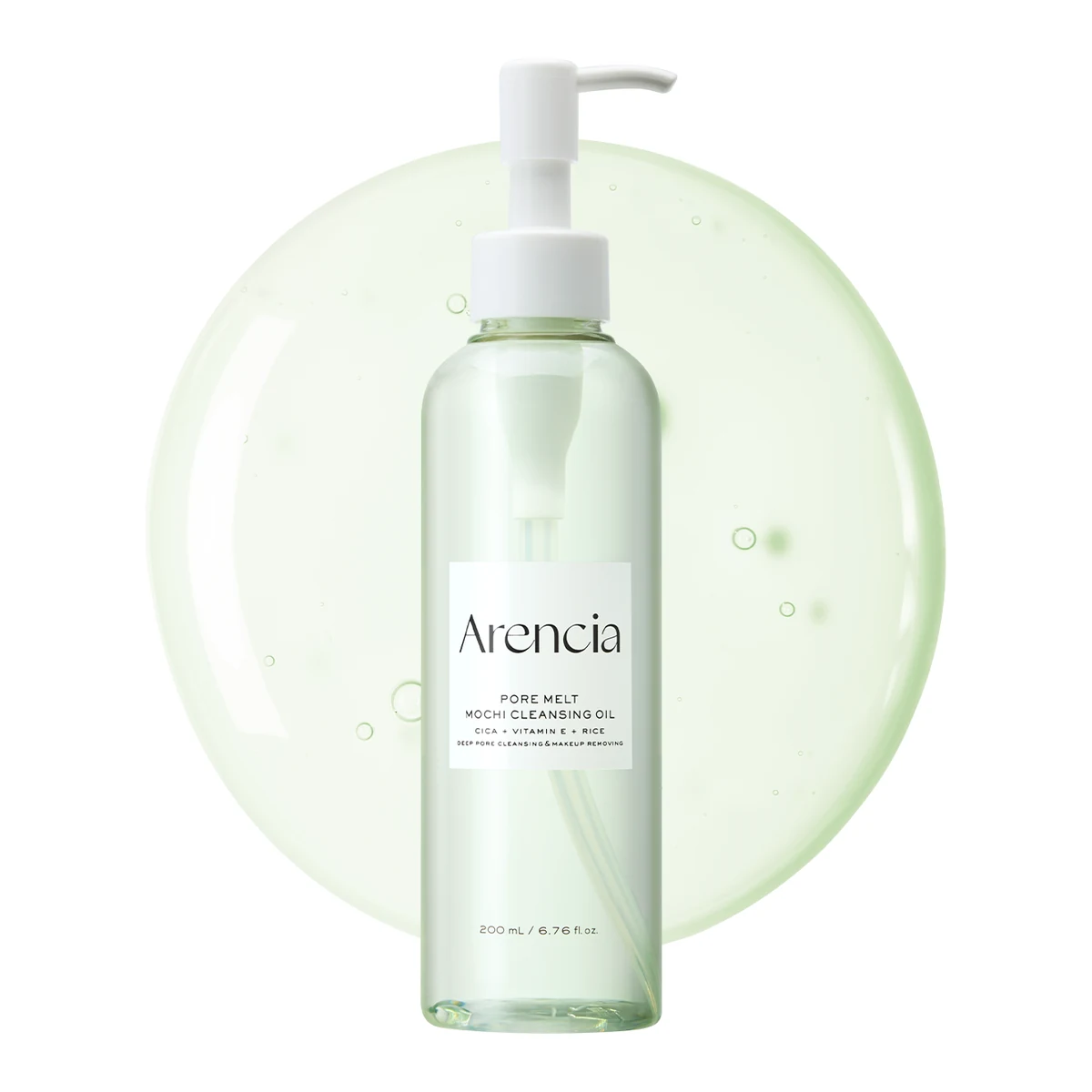
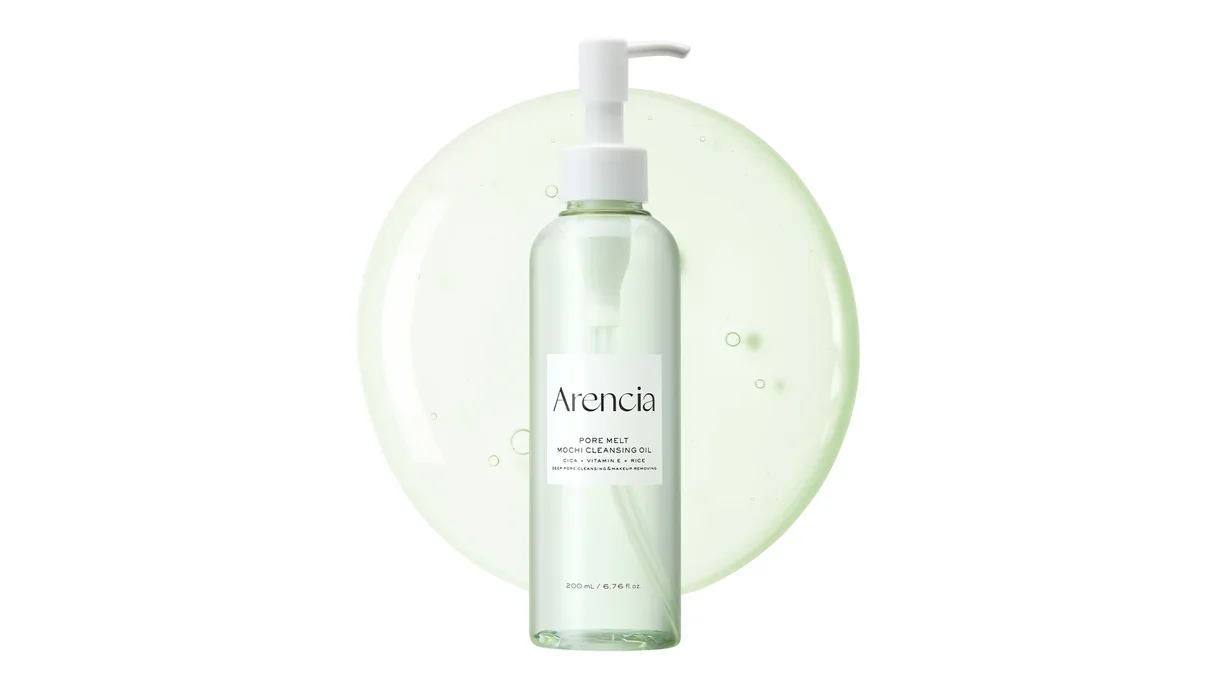
Arencia Pore Melt Mochi Cleansing Oil 200ml
Arencia Pore Melt Mochi Cleansing Oil (Rs 6,500) uses olive oil to dissolve makeup, with rice amino acids, centella, ceramide NP and vitamin E. The brand says it is formulated without 29 known pore-clogging ingredients, including coconut oil, lanolin and isopropyl myristate, which is why it is positioned for acne-prone skin. It is the better pick if breakouts are your main worry.
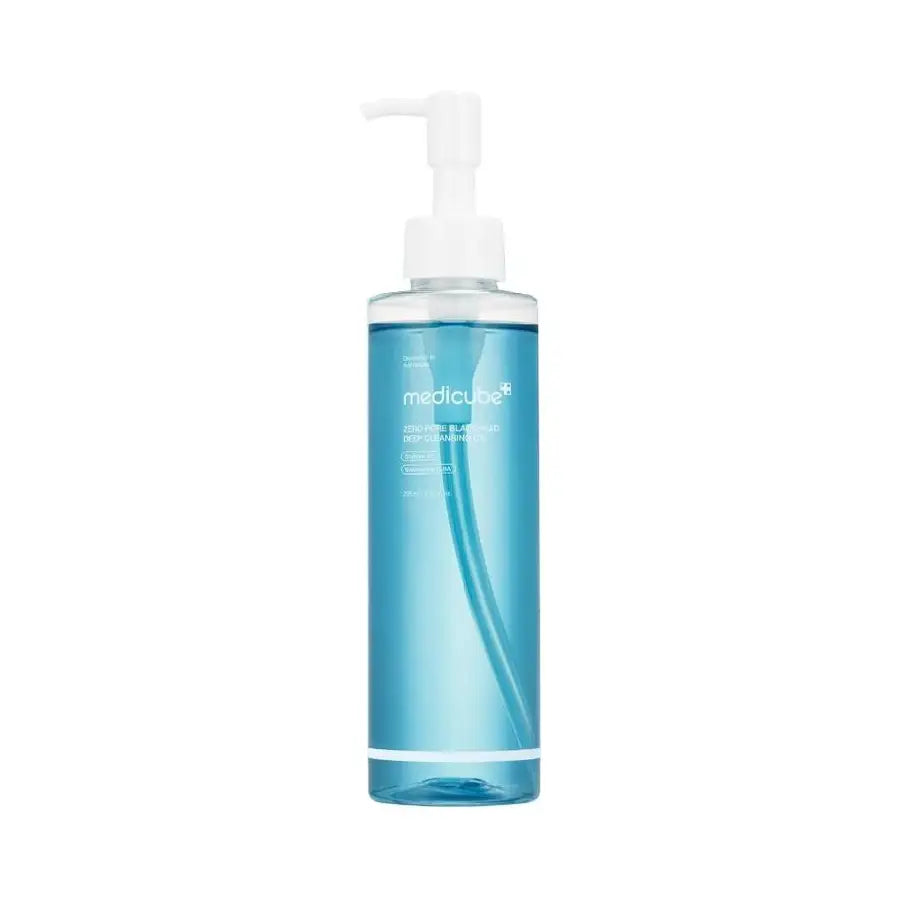
Medicube Zero Pore Blackhead Deep Cleansing Oil 205ml
Medicube Zero Pore Blackhead Deep Cleansing Oil (Rs 4,640) is built for congestion. According to the product listing, 90.6% of the formula is a blend of 11 plant oils, with LHA (a salicylic acid derivative), niacinamide and sodium hyaluronate on the ingredient list. Fragrance is listed third, so if your skin is sensitive to scent, the Arencia is the safer choice. For blackheads specifically, pair it with the tips in our blackheads guide.
For the second cleanse
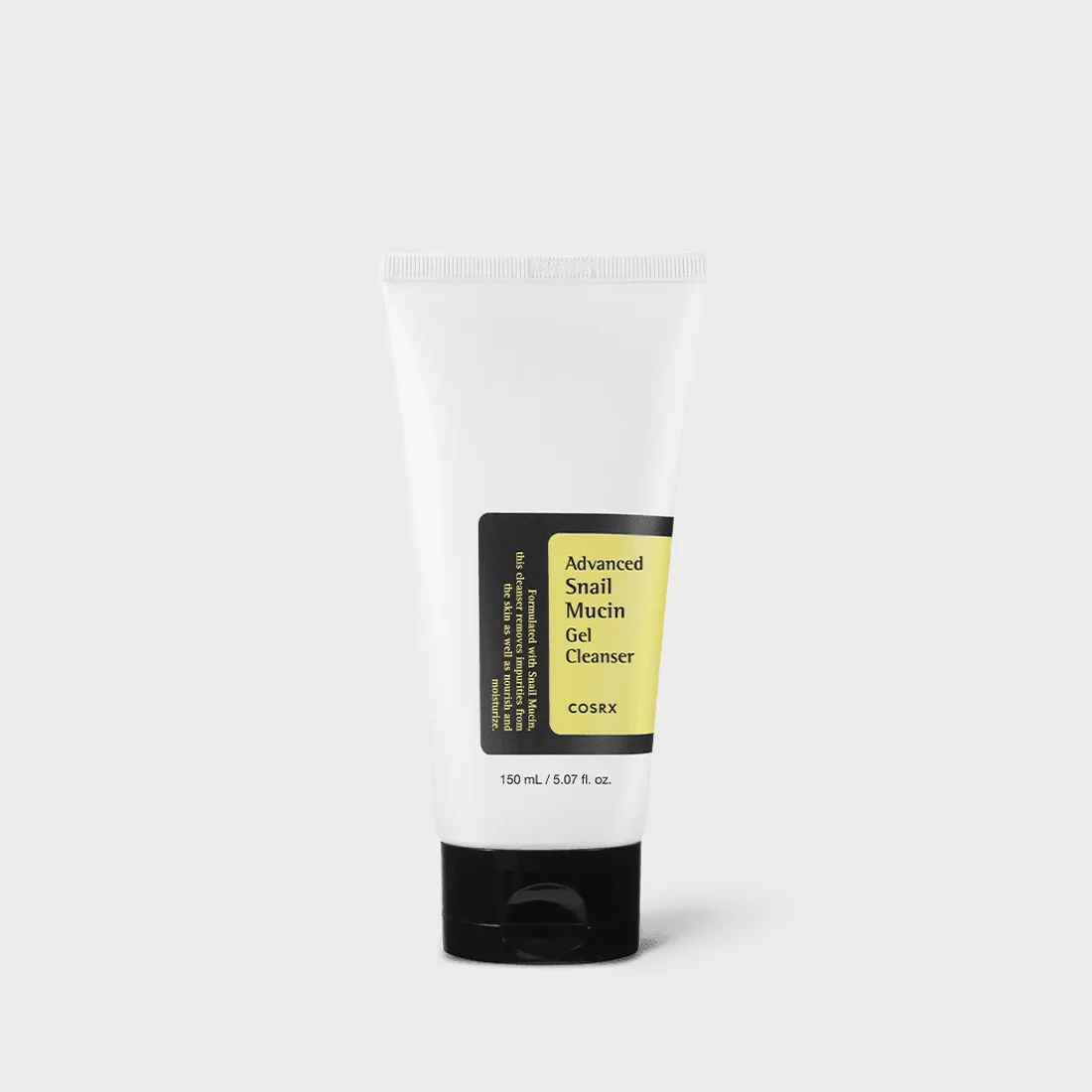
COSRX Advanced Snail Mucin Gel Cleanser 150ml (Rs 3,999) is a gentle gel that lathers lightly, and its product page suggests it as the second step after an oil or balm. A pea-sized amount is enough per wash. You will find more options in our cleansers collection.
Mistakes that make double cleansing backfire
- Applying oil to a wet face. It slides around and barely touches your sunscreen.
- Skipping the emulsify step. Rinsing clear oil straight off leaves residue behind.
- A harsh second cleanser. Twice a day with a stripping foam wears down your barrier.
- Double cleansing in the morning. There is nothing to remove yet. One gentle wash is enough.
- Using body or cooking oils. Without emulsifiers, they do not rinse off cleanly.
The bottom line
If you wear sunscreen every day, and in Pakistan you should, a cleansing oil at night is the most reliable way to get it all off. Choose a non-comedogenic formula, massage it into dry skin, emulsify with water, and follow with a gentle face wash. Skip it on bare-skin days and in the morning.
Not sure where it fits in your routine? Our skincare routine order guide lays out every step, and our sunscreen guide will help you pick the SPF you will be taking off each night.
Liked this one? Get the next in your inbox.
One fortnightly note from the editors, new pieces, restocks, and the routines we're actually using. Unsubscribe any time.