Fungal Acne: How to Tell It From Regular Acne and Treat It
Tiny, itchy, same-sized bumps on the forehead that no acne product touches are usually not acne at all. How to recognise fungal acne, why pimple creams make it worse, and what actually clears it in Pakistan's climate.
Did you know? The most stubborn "acne" often is not acne. Fungal acne is an overgrowth of malassezia, a yeast that lives on everyone's skin, inside the hair follicles. Because it looks like small pimples, people attack it for months with acne products that do nothing, or feed it. Pakistan's heat, humidity and sweaty commutes are exactly the conditions it loves.
Fungal acne vs regular acne: the tells
| Fungal acne (malassezia folliculitis) | Regular acne |
|---|---|
| Small bumps that are all the same size | Mixed sizes: blackheads, papules, big cysts |
| Itchy, especially with sweat | Rarely itchy; painful when inflamed |
| Forehead, hairline, chest, back, shoulders | Face-centred: cheeks, chin, jaw, nose |
| Flares after sweating, gym, helmets, dupattas in heat | Flares with hormones, stress, comedogenic products |
| Gets worse or stays the same on acne treatments | Improves with salicylic acid, benzoyl peroxide, retinoids |
The single strongest clue is the last row. If months of proper acne care have done nothing for a field of tiny uniform bumps, think yeast, not bacteria. For actual acne, work through our acne guide instead, and if the bumps are non-itchy skin-coloured bumps only, compare with the whitehead section of our blackheads and whiteheads guide.
What actually treats it
- Antifungal washes. The standard first-line treatment is a ketoconazole 2% shampoo (sold at every Pakistani pharmacy as a dandruff shampoo) used as a short-contact wash: lather on the affected skin, leave for three to five minutes, rinse. Two to three times a week for a few weeks is the usual pattern.
- The dandruff connection is real. The same yeast causes dandruff, which is why the same shampoo treats both, and why people with dandruff often get fungal acne along the hairline. Our dandruff guide covers the scalp side.
- A doctor for stubborn cases. Widespread or recurring cases may need prescription oral antifungals. That is a dermatologist's call, not a pharmacy guess.
Feed it nothing: the skincare rules
Malassezia feeds on many oils and fatty acids, so rich creams and most facial oils can keep it fed even while you treat it. While clearing a flare:
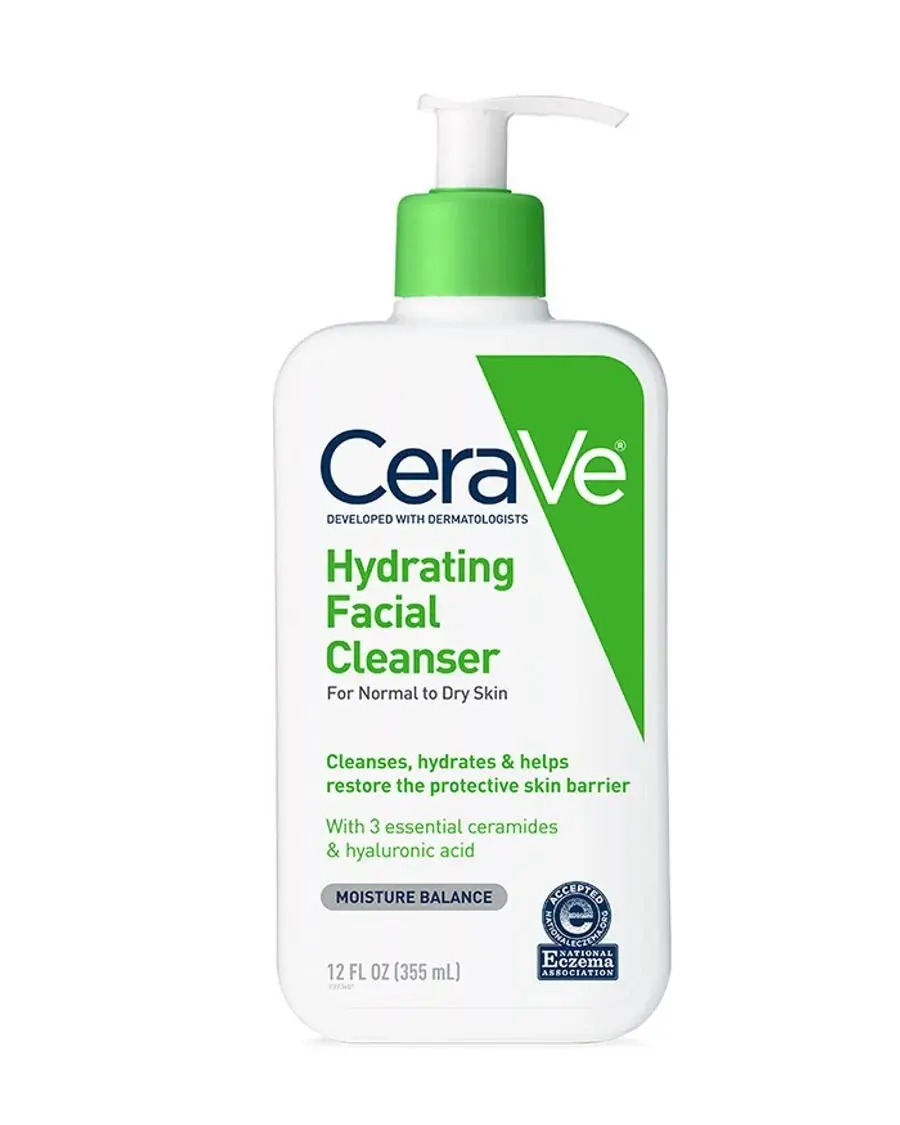
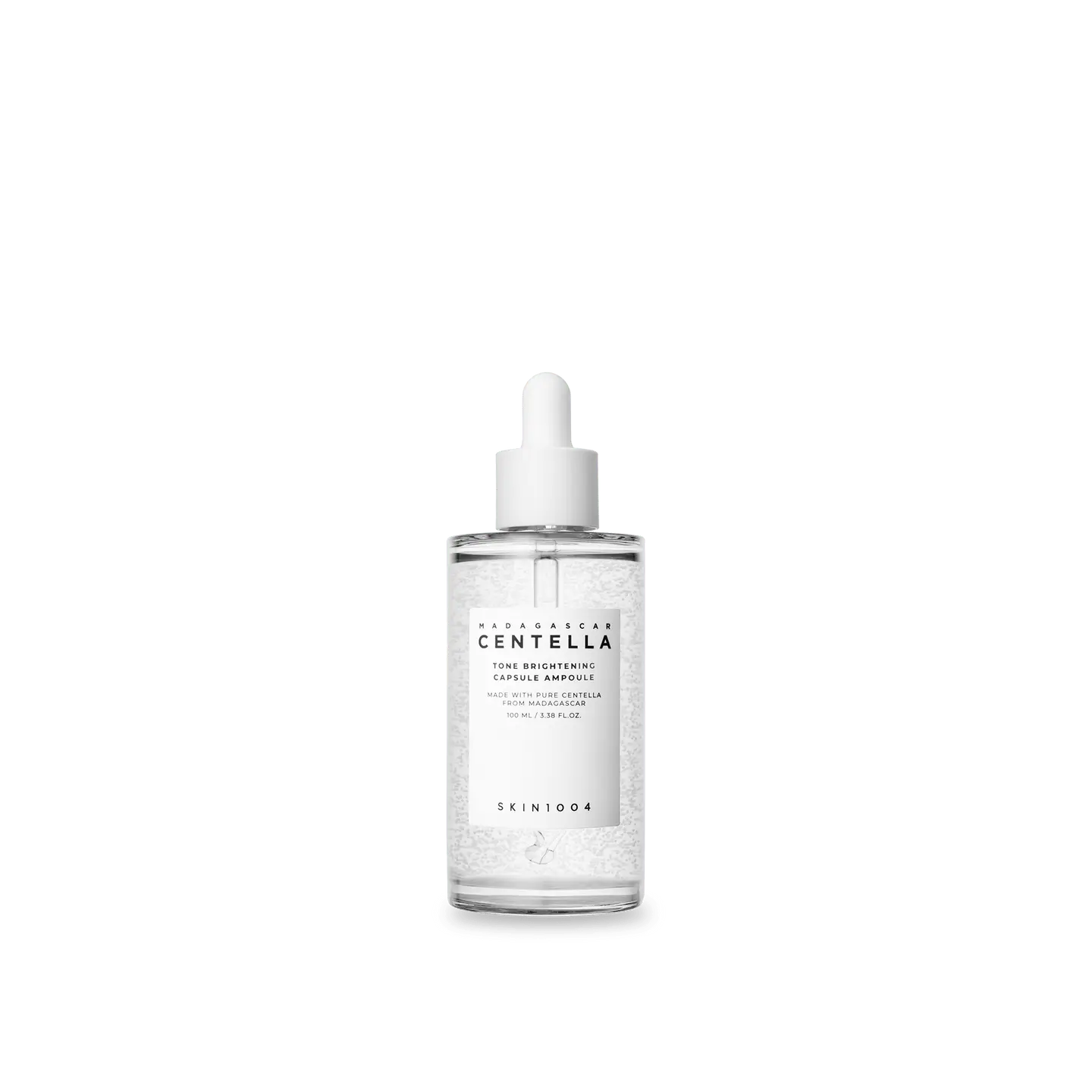
- Keep the routine light and watery. A gentle cleanser like the CeraVe Hydrating Cleanser, a light centella layer such as the SKIN1004 Centella Ampoule to calm the itch and redness, and a light gel or fluid sunscreen.
- Pause facial oils and heavy butters, coconut oil on the face is the classic accidental feeder.
- Shower after sweating, and change out of damp gym clothes and sweaty dupattas or caps quickly. Sweat sitting on skin is the biggest Pakistani-climate trigger.
- Wash pillowcases and helmet liners more often during a flare.
When to see a dermatologist
- No improvement after three to four weeks of antifungal washes.
- Bumps spreading across chest and back, or repeatedly returning.
- Any doubt about the diagnosis, several conditions mimic these bumps, and a dermatologist can often tell in one look what took you months of guessing.
The bottom line
If your "acne" is itchy, uniform and unbeatable, treat the yeast: an antifungal wash a few times a week, a light oil-free routine, and quick showers after sweating. Most cases clear in weeks once you stop fighting the wrong enemy.
Gentle, flare-safe basics live in our Cleansers & Treatments range.
Shop Cleansers & Treatments →Frequently asked questions
How do I know if my acne is fungal?
Uniform small bumps that itch, sit on the forehead, hairline, chest or back, flare with sweat, and ignore normal acne treatment. Tick three of those and fungal acne is the likely answer.
Does salicylic acid work on fungal acne?
It can calm the follicle blockage slightly but does not kill the yeast, which is why acne routines alone fail. The antifungal wash does the real work; salicylic can return afterwards for regular congestion.
Which shampoo works for fungal acne in Pakistan?
Ketoconazole 2% shampoos, widely available at pharmacies as dandruff shampoos, are the standard. Use as a short-contact wash on the skin, not just the scalp.
Is fungal acne contagious?
No. The yeast lives on everyone's skin already; fungal acne is your own skin's overgrowth, not an infection you catch or pass on.
Why does it keep coming back?
Heat, sweat and rich products recreate the conditions it grew in. Many people in humid cities keep a once-a-week antifungal wash as maintenance through summer.
Can I wear makeup with fungal acne?
Light, oil-free formulas are fine. Heavy, oil-rich foundations and cream products can feed the yeast, so keep the base minimal until skin clears.
Liked this one? Get the next in your inbox.
One fortnightly note from the editors, new pieces, restocks, and the routines we're actually using. Unsubscribe any time.