Dandruff Treatment: Causes, Best Shampoos & Home Remedies (Pakistan Guide 2026)
Dandruff treatment starts with the cause: yeast, dryness or seborrhoeic dermatitis. Which shampoo ingredients work, and when to see a dermatologist.
Dandruff treatment is one of the most searched hair concerns in Pakistan, and for good reason. According to the NHS, dandruff affects almost half of all adults at some point after puberty. If you are brushing white flakes off your shoulders every morning, you are far from alone, and the good news is that most cases respond well to the right shampoo and a few routine changes.
What actually causes dandruff?
Dandruff happens when your scalp sheds skin cells faster than normal. The skin clumps together with natural oils, forming visible white or yellowish flakes.
The main trigger is a yeast called Malassezia, the same one behind fungal acne. It lives on every scalp without causing problems. In some people, it overgrows and irritates the skin, speeding up cell turnover.
Several factors make this worse in Pakistan. Humid summers in Karachi and Lahore increase oil production. Dry winter air up north can strip moisture and cause flaking from dryness instead. Heavy pollution, dust, and infrequent washing in hot months also feed the cycle.
Dry scalp dandruff vs oily scalp dandruff
Not all flaking is the same. Knowing your type helps you pick the right shampoo.
- Dry scalp dandruff: small, light flakes, tight or itchy scalp, often worse in winter or with hot showers.
- Oily scalp dandruff: larger, greasy yellowish flakes near the roots, shiny scalp, common in humid weather.
- Combination: oily roots with dry, flaky patches further down, common with overwashing or harsh shampoos.
If unsure, watch your scalp for two or three days without washing. Greasy flakes point to an oily scalp. Dry, powdery flakes point to a dry scalp.
Dandruff, dry scalp, or psoriasis: how to tell them apart
Many people confuse dandruff with other scalp conditions. The table below gives a quick comparison.
| Feature | Dandruff | Dry scalp | Scalp psoriasis |
|---|---|---|---|
| Flake appearance | White or yellow, oily clumps | Small, dry, powdery | Thick, silvery scales |
| Redness | Mild or none | Mild | Often significant |
| Itch | Mild to moderate | Mild | Can be intense |
| Spread | Scalp only | Scalp only | Can extend to hairline, ears, elsewhere on body |
| Response to anti dandruff shampoo | Usually improves | Partial improvement | Often needs prescription treatment |
Seborrhoeic dermatitis is a more inflamed version of dandruff. It causes redder, greasier patches, sometimes around the eyebrows, nose, or ears too. Mayo Clinic notes that seborrhoeic dermatitis can flare with stress, cold weather, or certain skin conditions.
Ingredients that actually work
Not every shampoo on the shelf earns the name anti dandruff shampoo. Look for these proven ingredients.
- Zinc pyrithione: antifungal and antibacterial, a reliable first choice for everyday use.
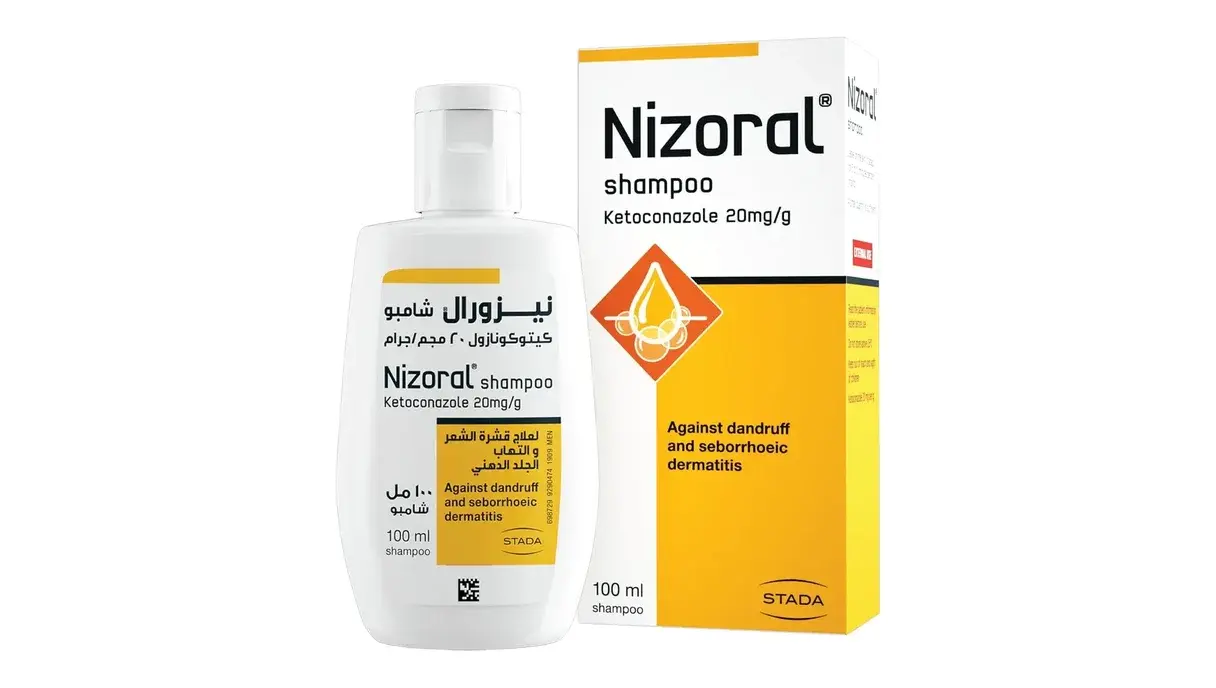
- Ketoconazole: a stronger antifungal, used two to three times a week or as advised by a pharmacist.
- Piroctone olamine: an antifungal found in some pH-balanced anti dandruff shampoos.
- Salicylic acid: loosens flakes and clears buildup, useful for thicker scale.
- Tea tree oil: natural antifungal and antiseptic, gentle for regular wash days.
- Black seed oil: traditional in South Asian hair care, soothes irritation and supports a calmer scalp barrier.
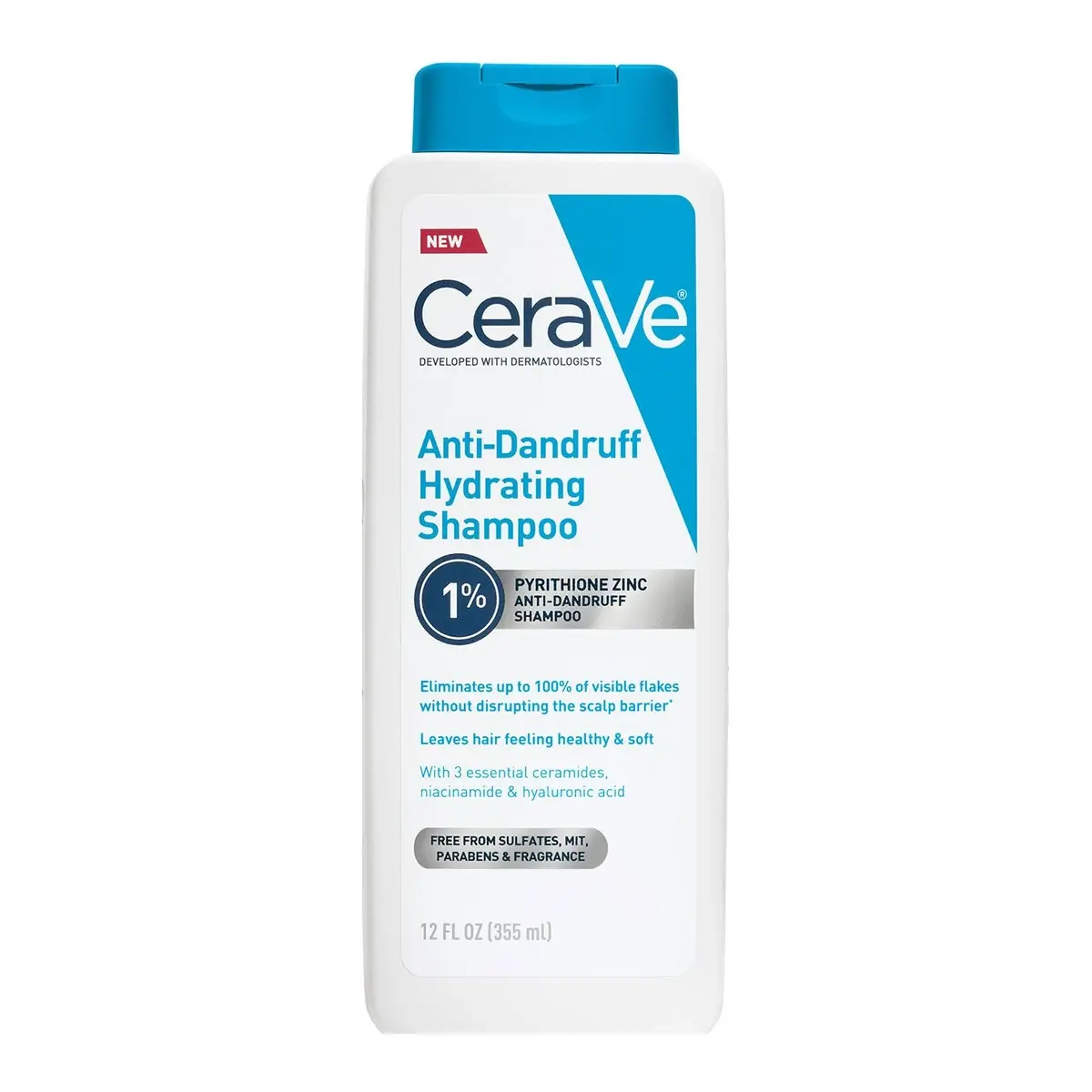
For a dependable everyday option, the CeraVe Anti-Dandruff Hydrating Shampoo puts 1% pyrithione zinc alongside ceramides and niacinamide, so it clears flakes without leaving the scalp tight.
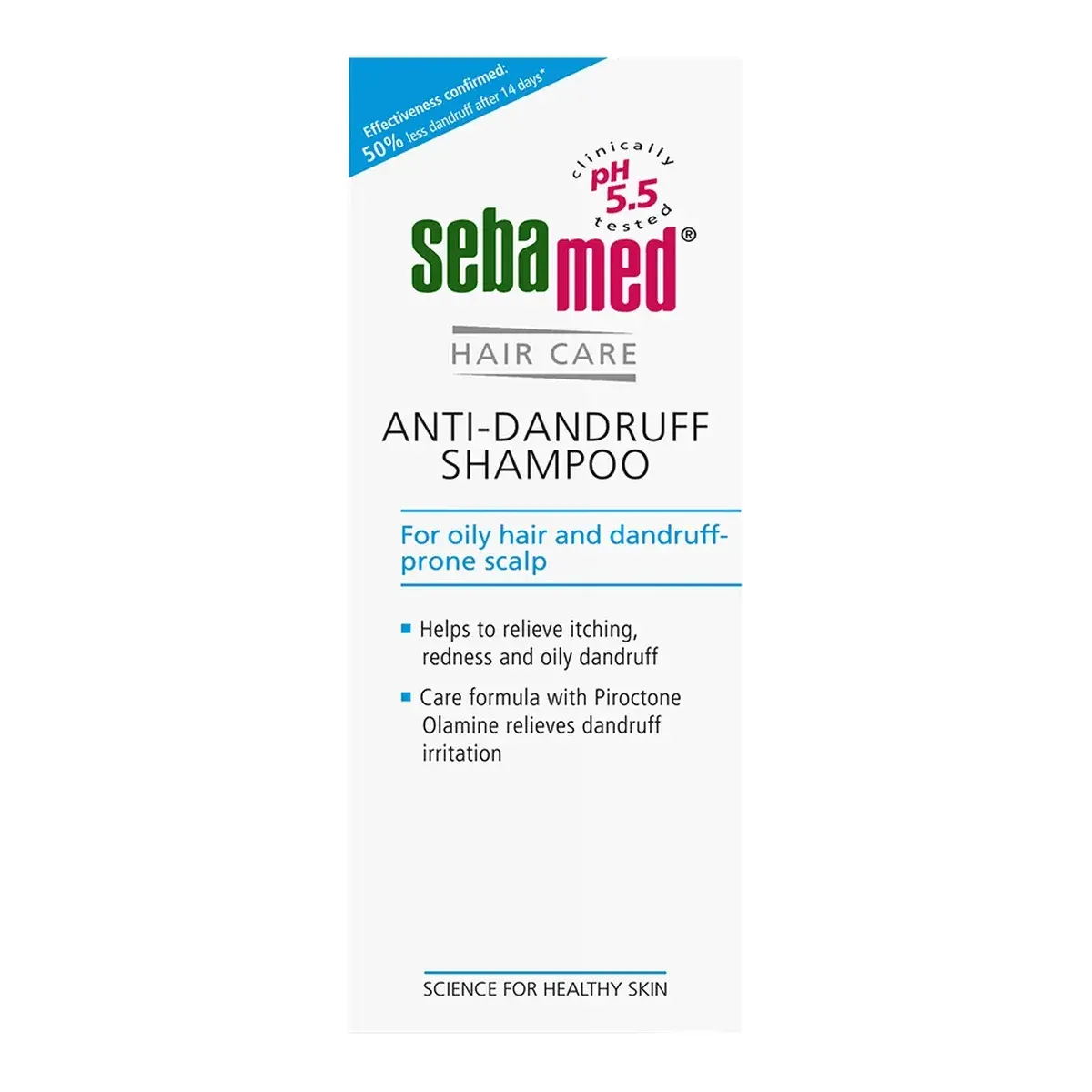
If you want a shampoo you can use at every wash, the Sebamed Anti-Dandruff Shampoo (Rs 4,400) is made in Germany around piroctone olamine at pH 5.5, close to the skin's own. Sebamed makes it gentle enough for daily use. It does contain SLES, so it is not sulphate-free, which matters only if your hair is keratin-treated or coloured.
Building a simple home care routine
Consistency matters more than any single product. Try this routine for six to eight weeks before judging results.
- Wash with an anti dandruff shampoo two to three times a week, leaving it on the scalp for three to five minutes.
- Avoid scratching with nails. Use fingertips to massage gently instead.
- Rinse with lukewarm water, not hot, since heat strips natural oils and worsens dryness.
- Keep conditioner for the lengths only, away from the scalp.
- Manage stress and sleep, both of which can trigger flares.
- Limit heavy styling products and overnight oils, since buildup can feed flaking.
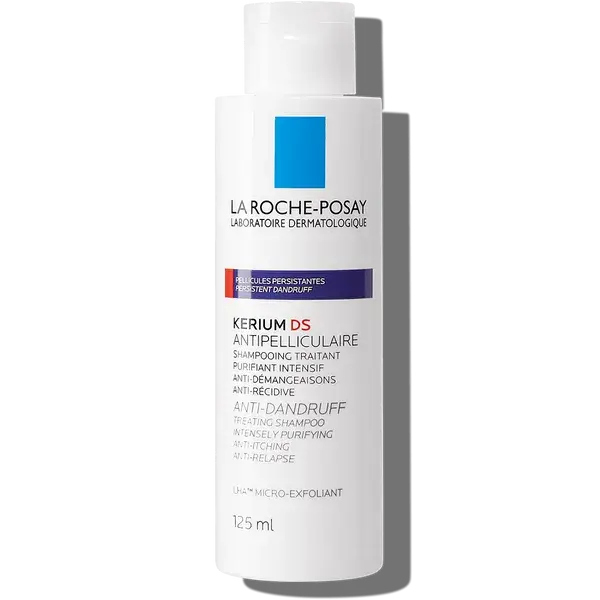
If your scalp feels hot or oily in Pakistan's summer humidity, you want a wash that clears flakes without adding weight. CeraVe Anti-Dandruff Hydrating Shampoo is fragrance-free and light enough to use often in heat. If the flaking is heavy and has not shifted on an ordinary anti-dandruff shampoo, La Roche-Posay Kerium DS uses micro-exfoliating LHA with salicylic acid and is meant as a four-week course, twice a week, rather than a shampoo you stay on.
For light flaking on a scalp that turns oily fast, the Medicube Rosemary PDRN Cooling Thickening Shampoo (Rs 11,700) works for the days between medicated washes. It is free of SLS and SLES and made for oily, flaky scalps, but it has no anti dandruff active, so it does not replace one.
Anti dandruff shampoo in Pakistan: what to expect
Anti dandruff shampoos in Pakistan are widely available in pharmacies and online, with prices ranging from around PKR 600 to PKR 2,500 depending on brand and size. Imported and specialist formulas sit at the higher end.
Check the active ingredient first, not just the price. A smaller bottle with zinc pyrithione or ketoconazole often outperforms a larger bottle with weaker actives. Buying online from a trusted store also helps you avoid counterfeit stock, a real risk with popular brands in local markets.
To cover shampoo and conditioner in one routine, the CeraVe Anti-Dandruff Hydrating Shampoo and its matching conditioner are built to be used together: the shampoo on the scalp, the conditioner on the lengths only.
Dandruff home remedies: what helps and what to skip
Many dandruff home remedies circulate in Pakistani households. Some have a reasonable basis, others are mostly myth.
- Diluted tea tree oil massaged into the scalp before washing may reduce mild flaking for some people.
- A vinegar rinse can help remove product buildup, though it will not treat an underlying fungal cause.
- Cutting back on sugary, processed foods may help some people, though evidence for diet alone curing dandruff is limited.
- Raw lemon juice left on the scalp for long periods can irritate skin, especially if it is broken or inflamed.
- Heavy mustard or coconut oil left on for days can worsen oily scalp dandruff by feeding the yeast that causes flaking.
Home remedies work best alongside, not instead of, a proven anti dandruff shampoo.
Common triggers for scalp flaking in Pakistan
Scalp flaking causes are not always about hygiene. Several local and lifestyle factors play a role.
- Switching between air conditioned rooms and Pakistan's outdoor heat, which stresses the scalp barrier.
- Hard water in many cities, which leaves residue and dries out hair and scalp.
- Low humidity in winter months up north, drying out the skin.
- Hormonal changes, stress, and a weakened immune response, all of which can worsen yeast overgrowth.
When to see a dermatologist
Most dandruff settles with a consistent routine. See a dermatologist if you notice any of the following.
- Thick, silvery scale that does not improve with regular anti dandruff shampoo.
- Significant redness, swelling, or pain on the scalp.
- Hair loss or thinning alongside the flaking.
- Flaking spreading to the face or ears.
- No improvement after eight weeks of home care.
These signs can point to seborrhoeic dermatitis or scalp psoriasis, both of which may need prescription strength treatment rather than an over the counter shampoo alone.
Dandruff and hair health
Dandruff itself does not usually cause permanent hair loss. However, constant scratching can damage hair follicles over time and irritate the scalp further.
If you are dealing with both flaking and shedding, read our guide on how to reduce hair fall in Pakistan alongside treating the dandruff itself. Calming the scalp first often makes other hair treatments more effective.
For natural scalp support, our guide to rosemary oil for hair growth covers how it may help circulation, while our piece on castor oil for hair, lashes and brows looks at its traditional uses. If thinning is a bigger concern, our article on minoxidil for hair loss in Pakistan explains how it works and who it suits.
This article was written and medically reviewed to our medical review board standards and is for general guidance, not personal medical advice. Always speak to a doctor or pharmacist about your own situation.
Comparing options? The anti-dandruff shelf has every anti-dandruff shampoo we stock side by side, and every shampoo and conditioner is one page further.
Shop CeraVe Anti-Dandruff Hydrating Shampoo →Frequently asked questions
What is the fastest dandruff treatment?
A medicated shampoo with zinc pyrithione or ketoconazole, used two to three times a week, usually shows visible improvement within two to four weeks.
Is dandruff caused by dry scalp or oily scalp?
Both can cause flaking. Oily scalp dandruff is linked to Malassezia yeast overgrowth, while dry scalp flaking comes from low moisture and barrier irritation. The flakes look different, as outlined in the comparison table above.
Can oiling the hair reduce dandruff?
Light oiling before washing may soothe a dry scalp. Heavy oiling left on for days can worsen oily scalp dandruff, since the yeast that triggers flaking feeds on excess oil.
How often should I use anti dandruff shampoo?
Most people see good results using it two to three times a week, alternating with a regular shampoo if needed. Check the label or ask a pharmacist about daily use for stubborn flaking. Some formulas, such as Sebamed Anti-Dandruff, are made gentle enough for every wash.
Does dandruff mean my scalp is unhygienic?
No. Dandruff is linked to yeast overgrowth, oil production, and skin sensitivity, not poor hygiene.
Can dandruff spread to other people?
No. The Malassezia yeast lives on everyone's scalp normally, so sharing a comb or pillow will not give someone else dandruff.
When should I worry that it is not just dandruff?
If you see thick scaling, strong redness, spreading beyond the scalp, or hair loss, it is time to see a dermatologist rather than relying on shampoo alone.
Liked this one? Get the next in your inbox.
One fortnightly note from the editors, new pieces, restocks, and the routines we're actually using. Unsubscribe any time.