Menstrual Cups in Pakistan: How They Work, Sizing, Safety and Cost
Menstrual cups in Pakistan: how they work, which size to pick, whether they are safe with an IUD, how to clean one, and what they cost.
Ask around and you will find that most Pakistani women have never held a menstrual cup, but a fair number have searched for one. The search volume tells the story: thousands of women in Pakistan look up menstrual cups every month, and almost all of them land on foreign articles that never answer the questions they actually have.
So this is the Pakistani version. What a cup is, whether it is safe, which size to pick, what it costs here, and the question that comes up before any of the others.
What a menstrual cup actually is
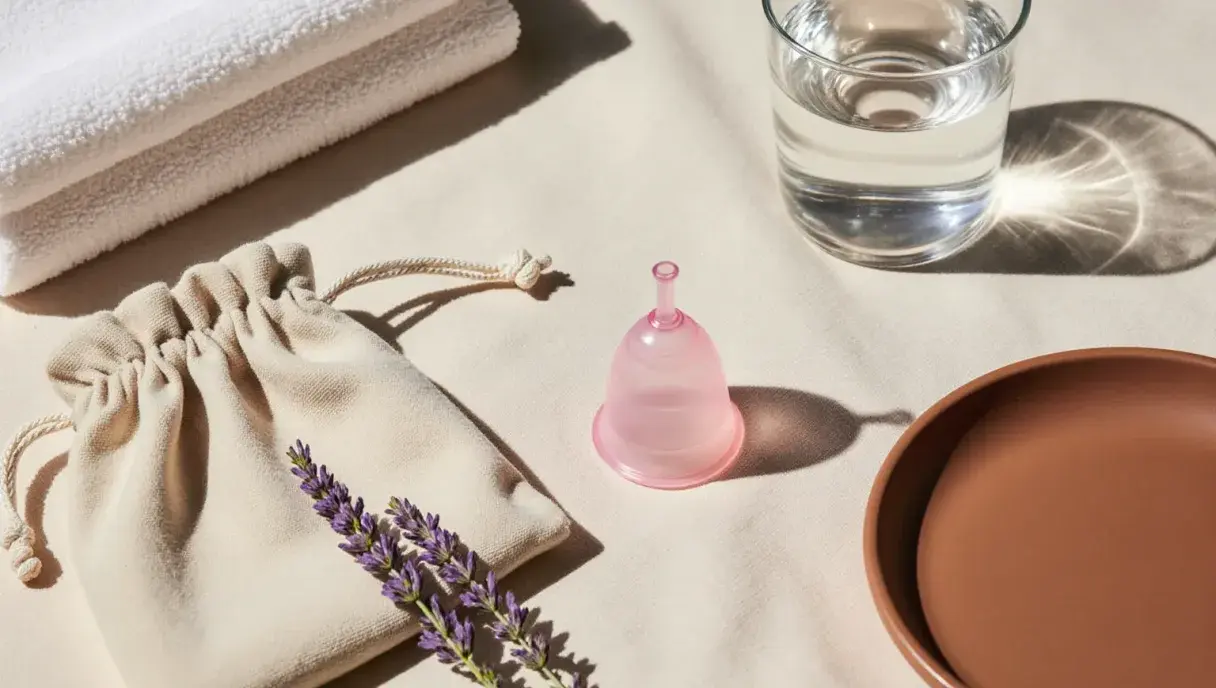
It is a small, flexible cup you fold and insert into the vagina during your period. The NHS describes cups as an alternative to pads and tampons, made from silicone, and notes the key difference: a cup collects blood rather than absorbing it. You empty it, rinse it, and put it back in.
Cleveland Clinic adds that cups are made of either silicone or rubber, so if you react to latex, silicone is the one to look for.
The part that surprises people first is the timing. Cleveland Clinic says you can go up to 12 hours with a cup before emptying it, against every four to eight hours for a tampon. For a woman teaching a full school day, sitting a paper, or travelling from Lahore to Karachi by road, that gap matters more than any other feature.
Cup, pads or tampons: an honest comparison
| Menstrual cup | Pads | Tampons | |
|---|---|---|---|
| How it works | Collects blood | Absorbs blood | Absorbs blood |
| Maximum wear time | Up to 12 hours | Change as needed | 4 to 8 hours |
| Reusable | Yes, washed and reused | No | No |
| Ongoing cost | One purchase, then nothing | Every single month | Every single month |
| Learning curve | Real, usually a cycle or two | None | Some |
| Easy to buy in Pakistan | Online only, in practice | Every kiryana and pharmacy | Harder to find |
On leaking, which is the fear that stops most women: Cleveland Clinic reports that research found leakage happens about as often as or less often than with tampons, and that roughly 10% of new users report leaking. Read that as a learning curve rather than a design flaw. Almost nobody gets the fold and the seal right on day one.
The question that comes first here
In Pakistan, before anyone asks about sizes or cleaning, they ask whether a cup affects virginity. It is worth answering plainly, because the anxiety is real and the biology is not what most of us were taught.
The hymen is, per Cleveland Clinic, a small, thin piece of tissue at the opening of the vagina. Two things on that page are worth reading twice. First, it "usually has no connection to whether a female has had sex". Second, it does not cover the vaginal opening entirely, because that would stop menstrual blood leaving the body.
The same page lists everyday things that can stretch or wear the tissue down: riding a bike, gymnastics, vigorous exercise, inserting a tampon, having a pelvic exam or Pap test. It describes the tissue as flexible and able to stretch, and says that while some people feel pain or light bleeding when the hymen breaks, most will feel nothing.
That is the medical answer. Whether a cup is right for you as an unmarried woman is partly a personal and religious question, and that one belongs with someone you trust rather than with an article. What the evidence does not support is the idea that a cup medically proves or removes anything.
Picking a size
Cups usually come in two sizes, and Cleveland Clinic sets out what to base the choice on:
- Your flow. Smaller for light to medium bleeding, larger for medium to heavy.
- Whether you have given birth vaginally. Women who have usually need the larger size.
- Your age. Under 30 tends towards the smaller cup, over 30 towards the larger.
- Latex sensitivity. Choose silicone, not rubber.
These are starting points, not rules. Plenty of women buy the small, find it leaks by the second day, and switch. If you do not know whether your flow counts as heavy, the NHS gives concrete markers: needing to change a pad or tampon every one to two hours, emptying a cup more often than that, using two products at once, periods lasting more than seven days, or passing clots larger than about 2.5cm.
Is it safe?
Mostly yes, with a few things worth knowing before you buy.
Toxic shock syndrome. The NHS calls TSS a rare but life-threatening condition and says it can happen when using a tampon or a menstrual cup. Its advice is simple: follow the instructions that come with the product and do not leave it in longer than recommended. Symptoms it lists include a high temperature, muscle aches, and a raised rash that feels like sandpaper. If those appear during your period with a cup in, take it out and get medical help the same day.
Irritation and urinary infections. Cleveland Clinic lists vaginal irritation, allergic reactions and urinary tract infections as uncommon issues with cups. If you are already prone to UTIs, our guide on urine infections in women covers the warning signs.
If you have an IUD. This one is under-discussed. Cleveland Clinic notes evidence suggesting cups could increase the risk of dislodging an IUD, while adding that more research is needed. If you have a copper T or a hormonal coil, raise it with your gynaecologist before switching.
Cleaning it properly
This is where most first-time users go wrong, and it is the least complicated part.
- During your period: empty it, then wash with clean water and a mild, fragrance-free soap before reinserting. Cleveland Clinic is specific about the fragrance-free part.
- Between periods: place the cup in boiling water for a few minutes to sanitise it, let it air dry, then store it.
- Storage: a breathable cotton pouch, not a sealed plastic box.
Two practical notes for Pakistani homes. If your area gets water supply problems, keep a bottle of clean water in the bathroom on period days so you are never stuck mid-change. And if you share a bathroom with in-laws or siblings and emptying at the sink feels impossible, wipe the cup with clean tissue in the cubicle and give it a proper wash at night. It is not ideal, but it works.
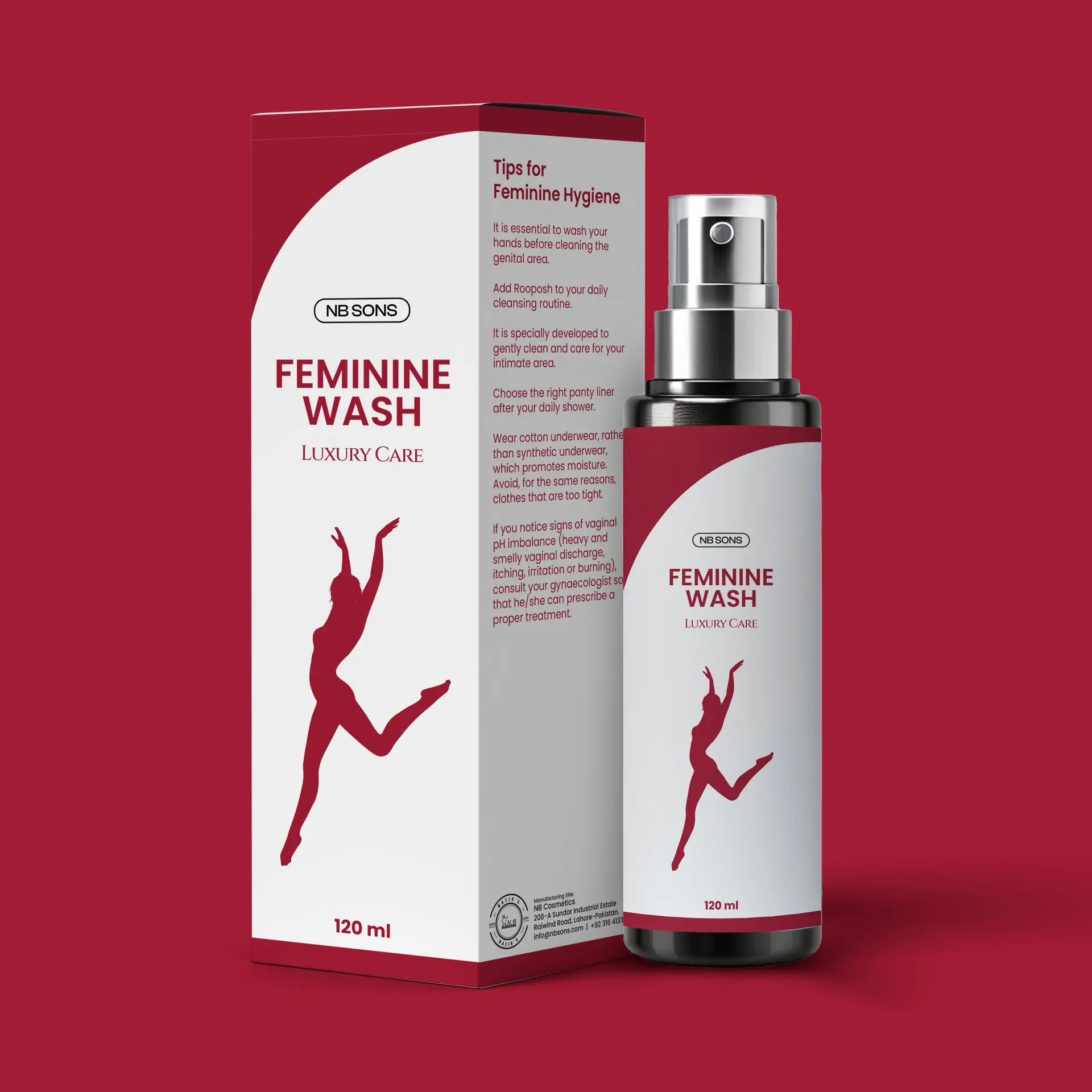
Soap goes on the cup and on the outside of the body only. Nothing goes inside the vagina to clean it. If you use an external wash, a soap-free one such as Rooposh Feminine Wash (Rs 800) is the sort of thing to look for; the brand describes it as a mild, pH-friendly formula for daily external use. More on this in our intimate wash guide.
What it costs in Pakistan
Cups are not stocked in most Pakistani pharmacies yet, so buying means ordering online. Checking Pakistani online sellers in September 2026, cups were listed at roughly Rs 1,100 to Rs 1,800, with the collapsible ones and cups sold with a storage case at the higher end.
Compare that against pads. If you use two packs a month, you are spending something every month, forever. A cup is one payment. Neither the NHS nor Cleveland Clinic sets a replacement timeline for cups, so the honest answer on lifespan is that it depends on the brand: read the leaflet yours comes with, and replace it if the silicone goes cloudy, sticky or cracked.
Who should think twice
A cup is not the right first move for everyone.
- If insertion is painful for you, that is worth investigating with a doctor rather than pushing through.
- If you have an IUD, ask your gynaecologist first.
- If you have had TSS before, the NHS advises talking to a doctor about which period products to use.
- If you have no private, reliable access to clean water, pads remain the more practical choice, and there is nothing wrong with that.
When heavy periods are the real problem
Switching products does not fix a period that is too heavy. The NHS lists bleeding through to your clothes or bedding, avoiding daily activities because of your period, and feeling tired or short of breath a lot as signs to get checked. That last one matters here: heavy bleeding month after month is a common route into iron deficiency, and the NHS notes that blood tests are used to check for iron deficiency anaemia in women with heavy periods.
Iron deficiency is widespread among Pakistani women, and it is treatable once someone actually tests for it. Our guides on iron supplements in Pakistan and irregular periods are the next things to read if any of that sounds familiar.
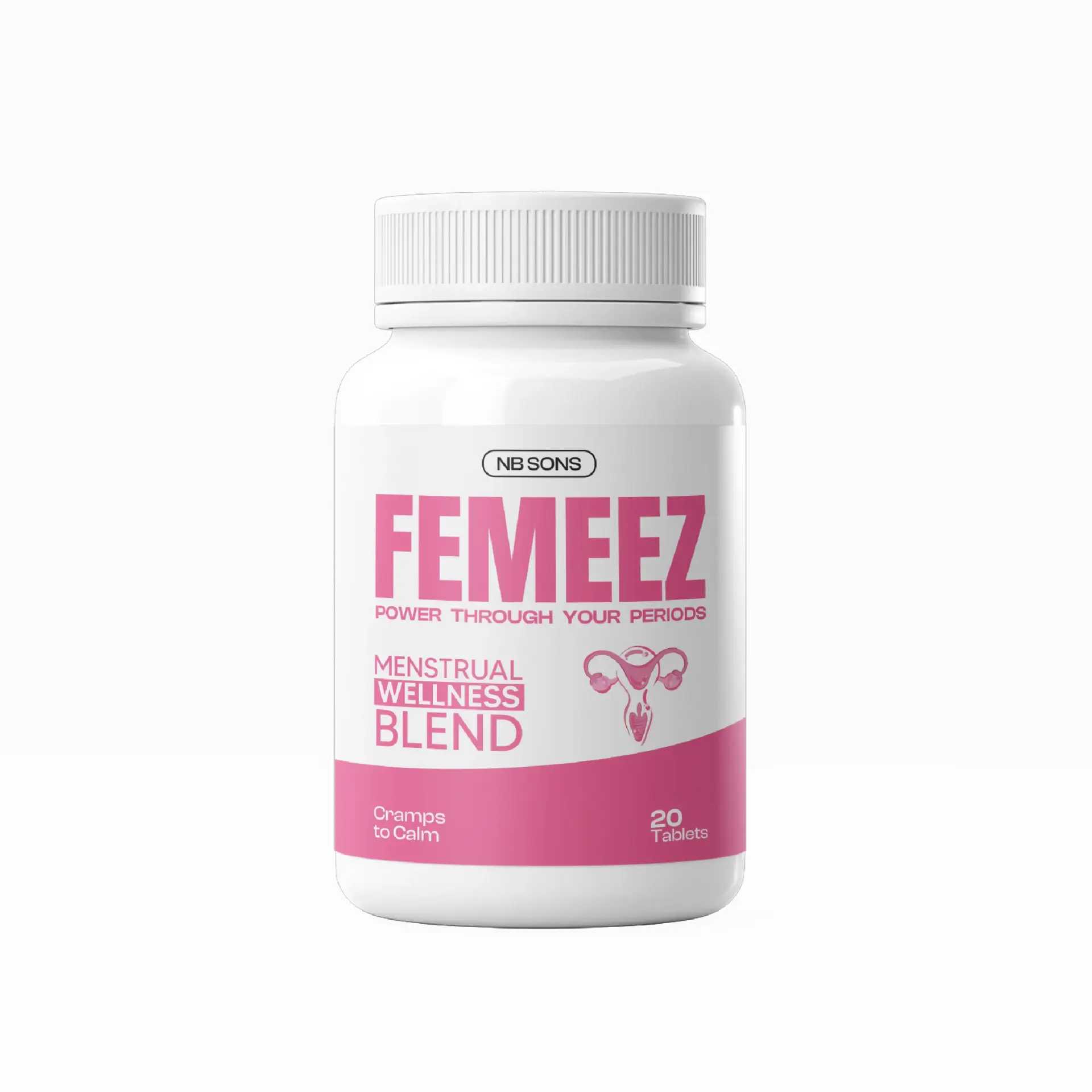
For the cramping and low mood side of a period, a menstrual wellness supplement like Femeez (Rs 950) combines chasteberry, ginger, chamomile, magnesium oxide and vitamins B6 and B12; the brand positions it as support for menstrual comfort rather than a medicine. Our period pain guide goes through what else helps.
If you want to try one
Buy the size your flow and age point to, and give it two full cycles before you decide. Use a pad as backup for the first couple of days so a leak is not a disaster. Trim the stem only after you have worn it a few times and know where it actually sits. If you want to know roughly when your next period is due so you can be ready, our ovulation calculator works it out from your cycle length, and the rest of our women's health range covers the supplements side.
Cups are not for everyone, and anyone who tells you they are is selling something. But if you are tired of the monthly cost, or you want twelve hours of not thinking about your period, it is a reasonable thing to try. The worst case is roughly the price of a few months of pads.
This article is for general information and does not replace advice from your doctor. If you have an IUD, ongoing pelvic pain, or unusually heavy bleeding, speak to a gynaecologist before changing period products.
Liked this one? Get the next in your inbox.
One fortnightly note from the editors, new pieces, restocks, and the routines we're actually using. Unsubscribe any time.