Acne Scars vs Dark Marks in Pakistan: What Actually Fades
Acne scars and dark marks are not the same thing. Here is how to tell which one you have, what fades with cream, and when to see a doctor.
The pimple healed three weeks ago. The flat brown patch it left behind is still on your cheek, and two layers of concealer are not covering it. Meanwhile there is a small dent near your jaw from a cyst last year, and that one has not changed at all.
Those two things look similar in the mirror and they are completely different problems. One will fade. The other will not, whichever serum you buy. Working out which you have is the most useful thing you can do before spending money on it.
The mirror test: flat or textured?
Stand near a window or lamp so the light hits your face from the side rather than straight on. Side lighting throws shadows into anything dented and flattens anything that is only a colour change.
- Flat, only a colour change. Brown, grey-brown, pink or red, but the surface of your skin is smooth when you run a finger over it. This is a mark, not a scar. Cleveland Clinic describes the brown version as postinflammatory hyperpigmentation, pigment left behind after injury to the skin such as acne, cuts or burns.
- Textured, dented or raised. Your finger can feel it. The skin has actually changed shape. This is a scar.
Most of what Pakistani women write to us about is the first kind. That is good news, because marks respond to what you can buy over the counter.
The scar shapes worth knowing
Cleveland Clinic groups the sunken ones as atrophic scars and describes them like this:
- Ice pick: "a hole that's wide at the top and narrows to a point as it goes deeper into the skin"
- Boxcar: "indents that have sharper edges. Those edges go down deep into the skin"
- Rolling: "indents...with sloping edges that makes the skin look uneven and wavy"
Then there are raised scars, hypertrophic or keloid, which happen when collagen overgrows during healing instead of falling short.
Marks versus scars, side by side
| Acne marks (PIH and redness) | Acne scars | |
|---|---|---|
| Surface | Completely flat | Dented or raised, you can feel it |
| Colour | Brown, grey-brown, pink or red | Often close to your skin tone |
| Under side lighting | Disappears into the skin | Casts a small shadow |
| Will it fade alone? | Usually yes, slowly | No |
| Do creams help? | Yes, meaningfully | Not for the dent itself |
| What actually works | Daily sunscreen plus azelaic acid, niacinamide, tranexamic acid or a retinoid | In-clinic procedures such as microneedling, peels, laser resurfacing, subcision or fillers |
| Realistic timeline | A few months to a year | Several sessions over months |
Why so many of us end up with marks
Two reasons, and both are fixable. The first is squeezing. The NHS is blunt about it: "Do not try to 'clean out' blackheads or squeeze spots. This can make them worse and cause permanent scarring." Every extra bit of inflammation you push into a spot gives your skin more to clean up afterwards, and more pigment gets dumped in the process. The same NHS page notes that cysts, the deepest kind of spot, carry the greatest risk of permanent scarring.
The second is sun. Pakistan gets strong UV nearly all year, and a brown mark already there will darken further with exposure. Cleveland Clinic's advice on hyperpigmentation is a broad spectrum sunscreen of SPF 30 or higher every day, plus limiting sun exposure. This is the step most people skip, and it is why their marks sit at the same shade for a year.
On the odds: Cleveland Clinic notes that about 80% of people between 11 and 30 will have acne, and one in five of that group will end up with scarring. Genetics, smoking, deeper lesions and delayed treatment all raise the risk.
What actually fades a mark
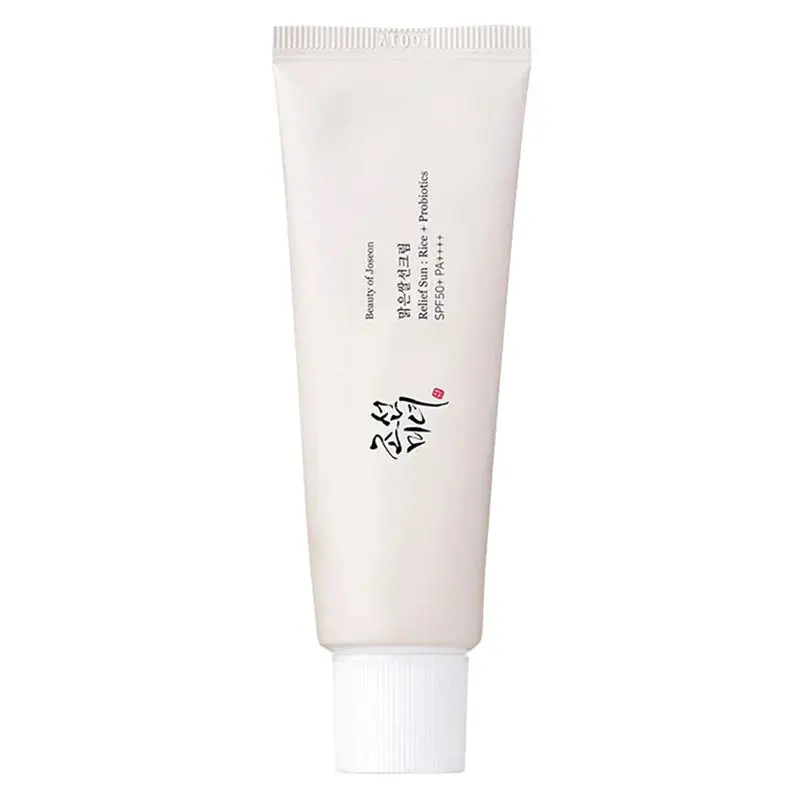
The single biggest lever is sunscreen, worn every day and reapplied outdoors. Without it the rest of this list is close to pointless. We compared formulas that suit our weather in our guide to the best sunscreens in Pakistan. A lightweight daily option is Beauty of Joseon Relief Sun: Rice + Probiotics SPF50+ PA++++ 50ml (Rs 4,210), which uses chemical filters for broad spectrum cover and wears like a light moisturising cream, so people actually reapply it.
On top of that, three ingredient routes have decent backing.
Azelaic acid
Cleveland Clinic lists azelaic acid among the topical options for hyperpigmentation. It also treats the acne itself, which matters when you are trying to stop new marks forming while old ones fade. The NHS notes that with azelaic acid you will usually need to use it for a month before your acne improves, so do not judge it at two weeks.
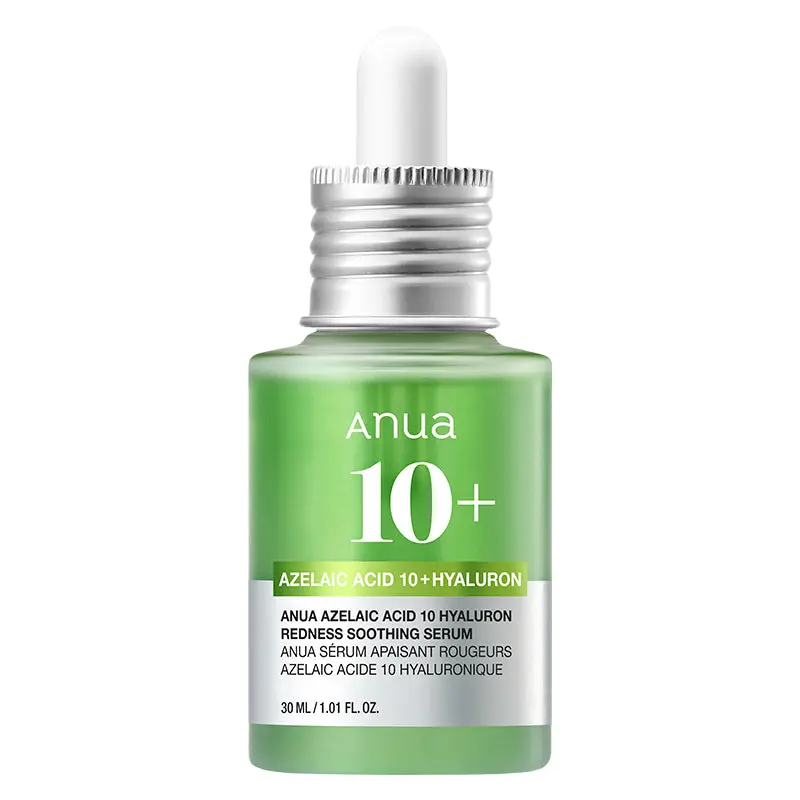
Anua Azelaic Acid 10% + Hyaluron Redness Soothing Serum 30ml (Rs 5,500) pairs 10% azelaic acid with hyaluronic acid in a watery texture. The brand says it was clinically tested for soothing redness caused by dryness, and it suggests starting one to two times a week and building up to twice daily as your skin adjusts. There is more detail in our azelaic acid guide.
Niacinamide with tranexamic acid
Tranexamic acid has become a favourite for stubborn pigment for a reason. A review of its use in dermatology, published in Acta Clinica Croatica and available through PubMed Central, describes it as able to suppress melanogenesis, which is why it is used in melasma, acne and postinflammatory hyperpigmentation.
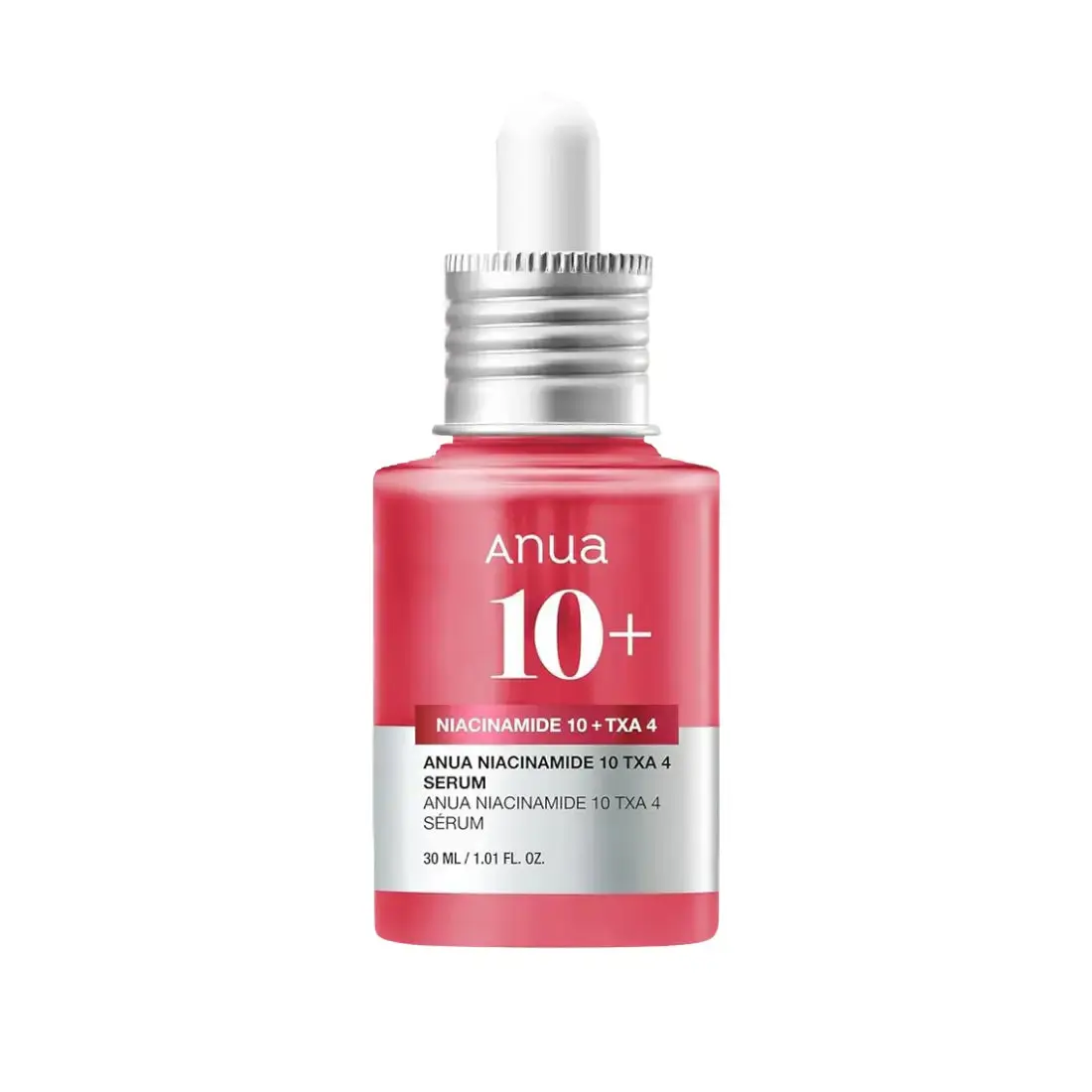
Anua Niacinamide 10% + TXA 4% Serum 30ml (Rs 5,410) combines 10% niacinamide with 4% tranexamic acid and 2% arbutin. It is fragrance free and alcohol free, which helps if your barrier is already irritated from acne treatment. Both serums are from Anua, and you can see the wider range in cleansers and treatments. Our separate write-ups on niacinamide and tranexamic acid go deeper on how to layer them.
Retinoids
Cleveland Clinic lists retinoids among the over-the-counter creams used for acne scarring, alongside alpha hydroxy acids, lactic acid and salicylic acid. They speed up cell turnover and work on the acne at the same time. Start slowly, because irritating already-marked skin can backfire. Our beginner's guide to retinol covers how to introduce it without a peeling disaster.
How long? Cleveland Clinic is honest about it: treatments "might take a few months or a year to work". Take a photo now in the same light so you have something to compare against, because day-to-day you will not notice the change.
What will not fix a dent
No serum rebuilds lost tissue. Cleveland Clinic explains that atrophic scars form when healing results in loss of tissue, which creates the pit. A cream on the surface cannot replace what is missing underneath. If a product is marketed as removing deep acne scars at home, that claim is doing more work than the formula.
What creams can do for a scarred face is even out the colour around it and stop new spots forming. That is worth having. It is simply a different job.
In-clinic options for real scars
For textured scarring, Cleveland Clinic lists resurfacing procedures such as chemical peels, dermabrasion, microdermabrasion and laser resurfacing, plus microneedling, subcision, dermal fillers, punch grafting, excision and steroid injections for raised scars.
Microneedling is the one most Pakistani clinics will offer first, and it has reasonable evidence behind it. A systematic review of randomised controlled trials in the International Wound Journal looked at nine trials and concluded that microneedling was effective for atrophic acne scars, alone or combined with other treatments, with no serious adverse effects reported across the studies.
A word of caution on lasers if you have deeper skin. A meta-analysis of non-ablative laser and energy-based treatments in Fitzpatrick skin phototypes IV to VI, published in Aesthetic Surgery Journal in 2022, found postinflammatory hyperpigmentation was the most common side effect at a pooled rate of 8.1%, with the risk rising alongside darker phototypes and higher energy settings. That is a reason to go to someone who treats brown skin every day and to ask what device they use, rather than a reason to avoid treatment. For a sense of how clinic pricing is structured here, see our piece on hydrafacial prices in Pakistan.
A routine you can start this week
Morning: gentle cleanser, niacinamide and tranexamic acid serum on damp skin, moisturiser, then sunscreen as the last step. Reapply the sunscreen if you are out in the middle of the day.
Night: cleanser, then either azelaic acid or a retinoid, then moisturiser. Do not start both on the same night. Pick one, give it six weeks, then decide.
Two rules save people a lot of money. Change one thing at a time, otherwise you will never know what worked. And treat the active acne properly while you are at it, because every new spot is a future mark. Our guide to getting rid of acne and our guide to dark spots pair well with this one.
When to see a dermatologist
The NHS lists scarring, or being at risk of scarring, as a reason for referral to a specialist. In practice, book an appointment if you are getting deep painful cysts, if you can feel dents forming, if six months of consistent over-the-counter treatment has changed nothing, or if the marks are affecting how you feel about going out. Prescription options are far stronger than anything on a shop shelf, and the earlier acne is controlled, the less there is to fix later.
The short version
Look at your skin in side lighting first. Flat colour means marks, and daily sunscreen with azelaic acid or a niacinamide and tranexamic acid serum will fade them over a few months. A dent you can feel is a scar, and that needs a clinic rather than a shelf. Most faces have some of both, so treat the marks yourself, get the acne under control, and save your money for procedures only where they are genuinely needed.
Frequently asked questions
Will my acne marks go away on their own?
Flat brown or red marks usually do fade without treatment, but slowly. Cleveland Clinic puts the timeline for hyperpigmentation treatments at a few months to a year, and untreated marks that keep getting sun can take longer. Daily sunscreen shortens that window most.
Can a cream remove a deep acne scar?
No. A dented scar is missing tissue, and a topical product cannot replace it. Creams can improve the colour and texture around the scar and prevent new ones, which is why they are still worth using while you consider in-clinic options.
Should I use azelaic acid or niacinamide first?
If you still get active spots, azelaic acid is the more useful starting point because it works on the acne and the pigment together. If your acne has settled and only the marks are left, a niacinamide and tranexamic acid serum is the gentler place to begin. Eventually you can use one in the morning and one at night.
Liked this one? Get the next in your inbox.
One fortnightly note from the editors, new pieces, restocks, and the routines we're actually using. Unsubscribe any time.