Vitamin D Test Price in Pakistan (2026): Lab Rates and How to Read Your Result
What a vitamin D test costs at Chughtai, Excel, IDC and Dvago in 2026, what your ng/mL number really means, and when a low result needs treating.
A friend in Lahore paid Rs 2,700 for a vitamin D test in August 2026. Her cousin walked into a bigger lab in the same city and was billed Rs 4,200 for the same blood draw, same machine type, same one-line result. Nobody explained the gap, and nobody explained the number that came back either. Here is what a vitamin D test costs across Pakistani labs, whether you actually need one, and what to do with the figure on your report.
Shop the picks in this guide (4)
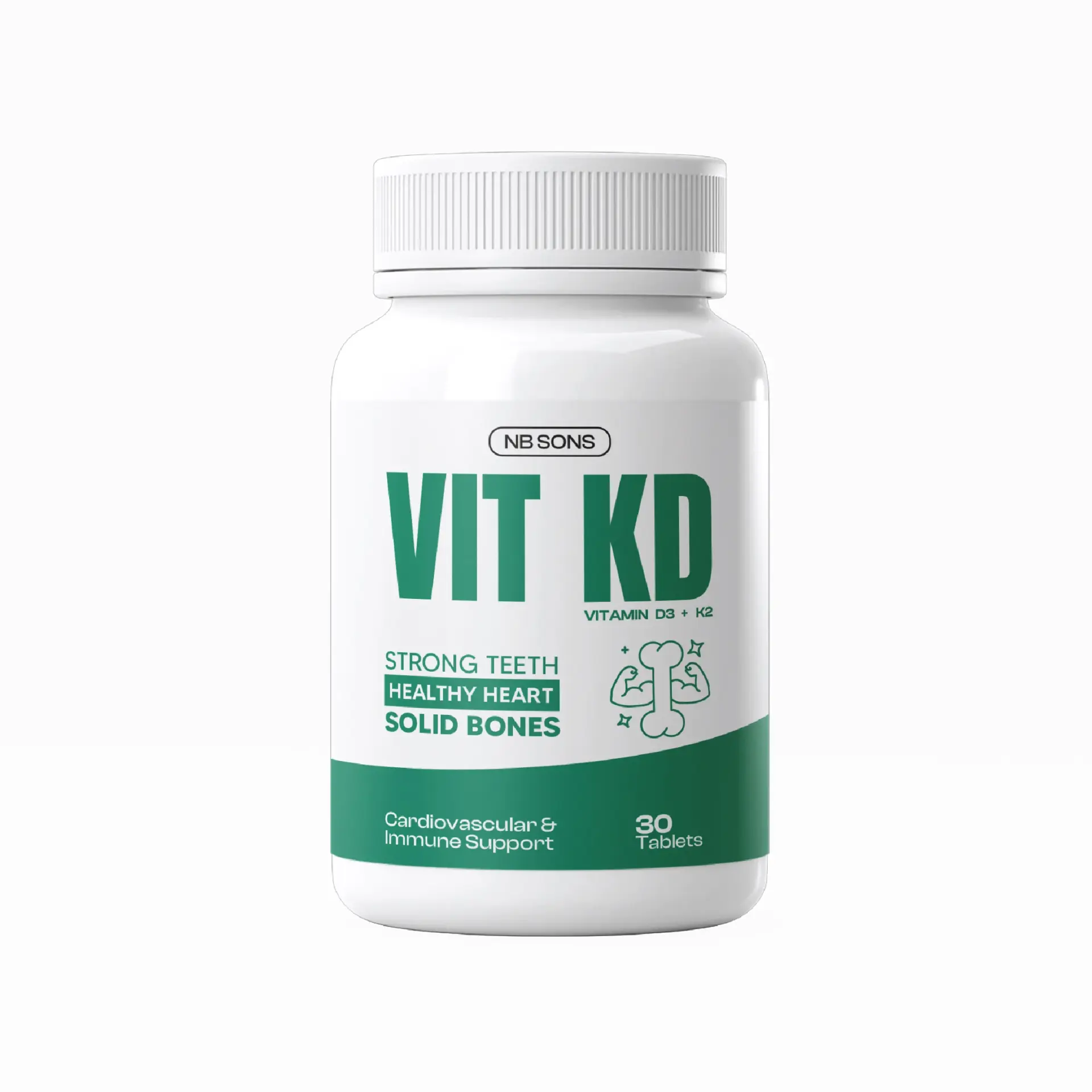
- Vit KD Vitamin D3 10,000 IU + K2, Rs 870, the high-strength D3 and K2 tablet for a confirmed low result, at the dose your doctor sets
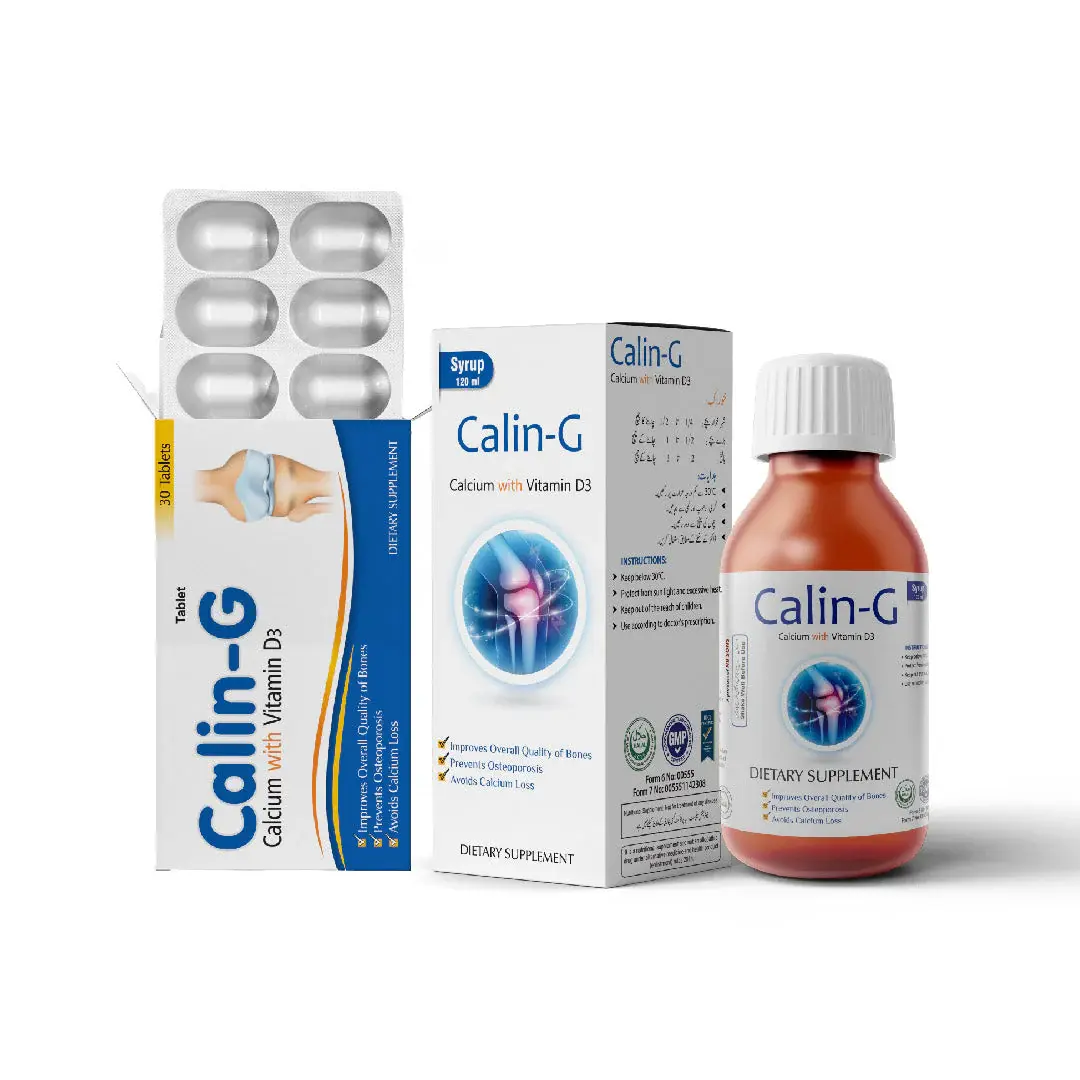
- Calin-G Calcium + Vitamin D3, Rs 420, the plain daily calcium tablet to take alongside it
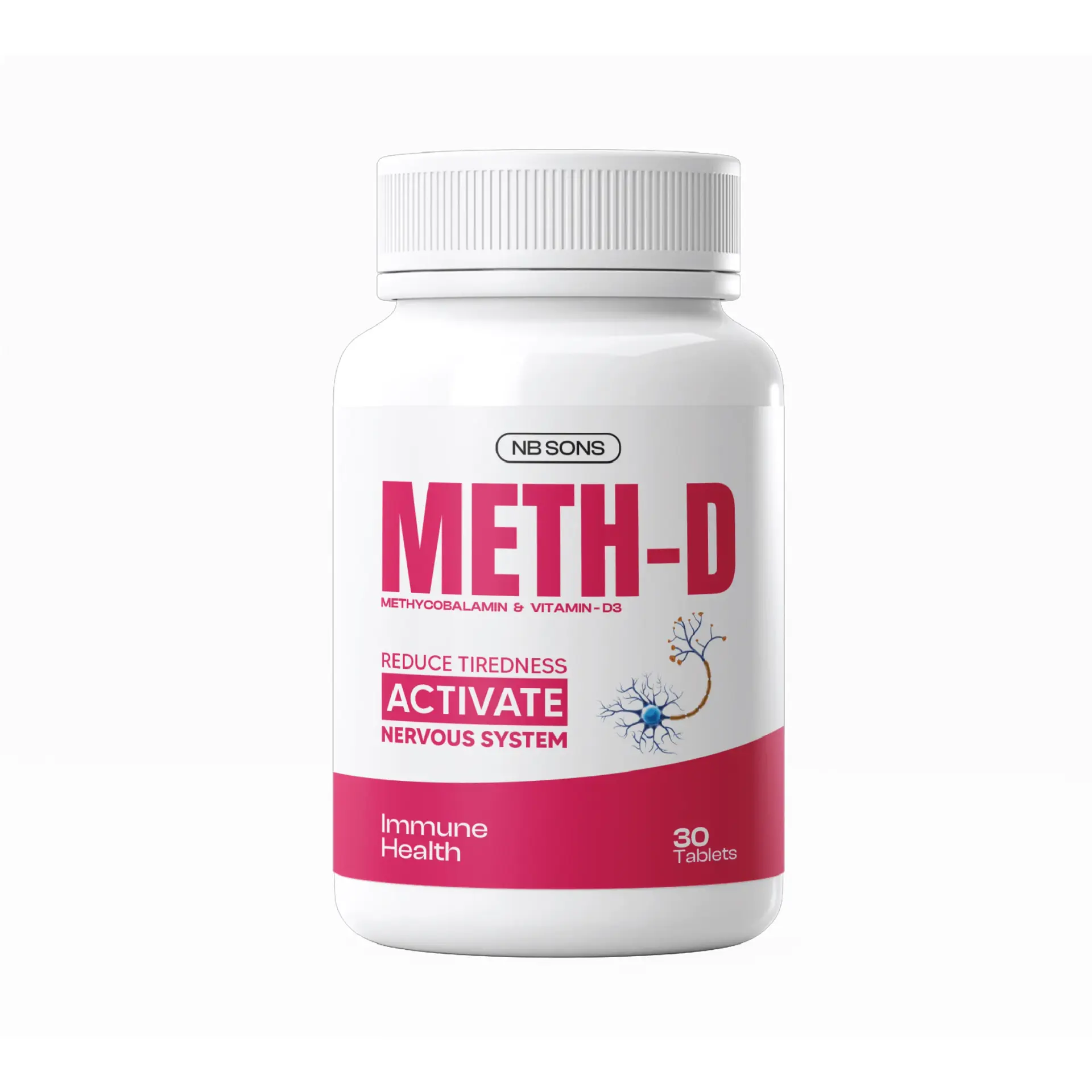
- Meth-D B12 + D3 Tablets, Rs 880, when tiredness comes with low B12 as well
- Calosent Effervescent Calcium, Rs 350, for anyone who cannot swallow tablets
Vitamin D test price in Pakistan: what labs charge in 2026
The test you want is called 25-OH Vitamin D. Labs also print it as 25-hydroxy vitamin D, Serum Vitamin D3, or Vitamin D (Total). They all mean the same blood test. If a receptionist offers you "Vitamin D3" and you asked for "Vitamin D", you are in the right place.
| Lab | Listed price (PKR) | Notes |
|---|---|---|
| Chughtai Lab | 4,200 | Free home sampling, same-day report |
| Excel Labs | 3,160 (listed down from 3,950) | Booked through Instacare |
| Islamabad Diagnostic Centre (IDC) | 3,500 to 4,500 | Range from published rate lists |
| Dvago (partner lab) | 2,664 (listed down from 3,700) | Online booking price |
| Aga Khan University Hospital | 15,350, discounted to 12,280 | This is a four-test bone panel, not a standalone vitamin D test |
These are lab fees, not our prices, and we cannot keep them live. Every figure in the table was checked against each lab's own published rate list in August 2026, and lab rates move, so ring the collection centre before you go. Outside the big brand-name chains, a standalone 25-OH vitamin D test in Pakistan generally sat somewhere between Rs 1,500 and Rs 4,500 on those same August 2026 rates. Smaller city labs and teaching hospital labs sit at the lower end.
Why the price varies so much
Vitamin D is not measured with a cheap strip. It needs a chemiluminescence immunoassay analyser and imported reagent kits, which is why it costs several times what a CBC test does. The big labs price in their branch network, home sampling and accreditation. A smaller lab running the same reagent on a smaller machine can charge less and still be accurate.
Two things are worth knowing before you chase the cheapest number. Some labs quote you a package rate that quietly bundles calcium and PTH, which is why the AKU figure above looks so high. And if a lab quotes you Rs 600 for "vitamin D", ask exactly which test that is, because that is closer to the price of a calcium level than a 25-OH assay.
Do you actually need this test?
This is the part most price lists skip. In 2024 the Endocrine Society published a guideline recommending against routine 25-hydroxyvitamin D screening in generally healthy people, on the grounds that no particular blood level has been shown to predict who benefits from treatment. That recommendation surprised a lot of doctors, because the same society had spent years encouraging testing.
So who should still get tested? Broadly, people with a reason: bone pain or muscle weakness that will not settle, a fracture from a minor fall, a diagnosis of osteoporosis or osteomalacia, chronic kidney or liver disease, malabsorption conditions such as coeliac disease, long-term steroid use, or a doctor who wants a baseline before starting high-dose treatment. If you are being sent for the test as part of a general "wellness panel" with no symptoms, it is reasonable to ask your doctor what they will do differently with the result.
Testing is also fair when your symptoms could be several things at once. Constant tiredness, aching legs and low mood overlap with anaemia and thyroid problems, which is why doctors in Pakistan often order vitamin D alongside a TSH test and a CBC. Our guide to why you feel tired all the time covers the other suspects worth ruling out.
How to prepare for the test
No fasting is needed. You can eat normally, go at any time of day, and take your usual medicines. A phlebotomist draws one small tube from your arm and the whole thing takes about five minutes. Most labs report within 24 to 48 hours, and some offer same-day results.
One practical tip: if you are already taking a high-dose vitamin D supplement or had an injection in the last few weeks, tell the lab and tell your doctor. It changes how your result should be read.
Reading your vitamin D report
Your result comes back as a single number in ng/mL. Here is how most Pakistani labs band it:
| Level (ng/mL) | What the lab calls it |
|---|---|
| Below 12 | Severe deficiency |
| 12 to 20 | Deficiency |
| 20 to 30 | Insufficiency |
| 30 to 100 | Optimal |
| Above 100 | Risk of toxicity |
Now the nuance nobody mentions. That 30 ng/mL cut-off is not universal. The US Institute of Medicine, whose reference intakes underpin most Western labelling, uses a lower bar: under 12 ng/mL is deficient, 12 to 20 is inadequate, and 20 ng/mL or above is considered sufficient for bone health in most healthy people. So a result of 24 ng/mL can come back flagged in bold red at a Pakistani lab while sitting inside the adequate range by that standard.
What this means for you in practice: a number in the low twenties is worth a conversation, not a panic. A number under 12 with bone pain or muscle weakness is worth treating properly and promptly.
If your number is low, you have plenty of company
A cross-sectional study of 26,750 people published in BMC Public Health in 2022 found 56% of the Pakistani sample were vitamin D deficient at under 20 ng/mL, with another 20% insufficient. Only about a quarter were in the sufficient range. Adolescents aged 13 to 18 came out worst, at 71% deficient. Sunshine is not the problem in this country. Covered clothing, indoor work, air pollution, sunscreen habits and darker skin all cut how much vitamin D the skin actually makes, and food here contributes very little.
What treatment usually looks like
Your doctor will pick one of two routes.
The injection route. A single intramuscular ampoule of 200,000 IU cholecalciferol, sold under brands like Indrop D and Sunny D Insta, cost roughly Rs 250 to Rs 320 at Pakistani pharmacies when we checked in August 2026. We do not sell it, and pharmacy prices vary by city. It is cheap and it works fast, which is why it is prescribed so widely here. It is also easy to overdo. Repeat injections without a follow-up test are how people end up with a level above 100 ng/mL and raised blood calcium. Do not take a second ampoule because a relative told you to.
The oral route. Daily or weekly oral vitamin D3 is gentler and easier to adjust. The Endocrine Society specifically prefers daily lower-dose supplementation over infrequent large doses. The Institute of Medicine sets the recommended daily allowance for adults at 600 IU, rising to 800 IU after age 70, with a tolerable upper limit for long-term daily intake of 4,000 IU. Higher weekly doses are used for correcting a real deficiency, and that is a decision for your doctor rather than a shopkeeper.
If you are on the oral route, a few things make a real difference:
- Take it with a meal that contains some fat. Vitamin D is fat-soluble and absorption drops noticeably on an empty stomach.
- Pair it with adequate calcium. There is no point pushing vitamin D absorption if there is little calcium to absorb. Calin-G is the plain daily version of that, calcium carbonate 500 mg with vitamin D3 400 IU at Rs 420, and our guide to how much calcium you need and when to take it has the timing details.
- Consider vitamin K2. It helps direct absorbed calcium into bone. Vit KD combines D3 10,000 IU with K2 (MK-7) 180 mcg at Rs 870, and is meant as a weekly-style high dose under medical advice rather than something to swallow daily.
- If your B12 is also low, which is common on largely vegetarian or low-meat diets, Meth-D covers methylcobalamin 1500 mcg and vitamin D3 400 IU in one tablet at Rs 880.
- For anyone who struggles with tablets, Calosent is an effervescent calcium drink with vitamins D3, C and B6 at Rs 350, useful for daily maintenance rather than correcting a deficiency.
You can see the full range of vitamin D tablets available in Pakistan and how they compare on strength and price, or browse the bone and joint category if calcium is the bigger gap.
Your body weight changes the dose you need
Vitamin D is stored in fat tissue, so a larger body distributes the same dose across a bigger volume and tends to show lower blood levels for the same intake. If your result is low and your weight is high, standard dosing may under-correct you, which is a reasonable thing to raise with your doctor. Our BMI calculator takes ten seconds if you want the number before your appointment.
When to retest
Not in two weeks. Vitamin D moves slowly, and levels take around three months to settle after starting treatment. Retesting at 8 to 12 weeks gives your doctor something meaningful to act on. Retesting at three weeks gives you a bill and a number that is still climbing.
If you were treated for a severe deficiency, one follow-up test to confirm you have come back into range is sensible. After that, most people without an ongoing medical reason do not need annual vitamin D testing at all.
The short version
On the August 2026 rates above, budget Rs 2,500 to Rs 4,500 for a 25-OH vitamin D test at a major Pakistani lab, less at a smaller one, and ask what is included before you pay. No fasting required. Read your number against the Institute of Medicine bands as well as the lab's own, because the low twenties are not the emergency the bold red print suggests. If you are genuinely deficient, correct it under supervision, take the oral dose with food, and retest after two to three months rather than two weeks.
This article is for general information and does not replace advice from your doctor. Vitamin D dosing above the recommended daily allowance, and injections in particular, should be taken on medical advice.
Sources
- Chughtai Lab, 25-OH Vitamin D Level Test Price and Details
- Arshad & Zaidi, Vitamin D levels among children, adolescents, adults and elders in the Pakistani population, BMC Public Health, 2022
- Endocrine Society, Vitamin D for the Prevention of Disease clinical practice guideline, 2024
- Institute of Medicine, Dietary Reference Intakes for Calcium and Vitamin D, National Academies Press, 2011
Got your result and want to act on it? If the number is low, start with Vit KD at Rs 870, the D3 and K2 combination to take with a fatty meal at the dose your doctor sets, and add bone and joint calcium if your diet is short on it. Cash on delivery across Pakistan, and delivery is free on orders over Rs 5,000 in Punjab.
Liked this one? Get the next in your inbox.
One fortnightly note from the editors, new pieces, restocks, and the routines we're actually using. Unsubscribe any time.