Tinted Sunscreen in Pakistan: Benefits & Why It Beats Plain SPF (2026)
Tinted sunscreen protects your skin from Pakistan's harsh sun with light coverage and no white cast, so SPF and base go on in one daily step.
According to the World Health Organization, most skin cancers and premature skin ageing are linked to unprotected sun exposure, yet dermatologists across Pakistan report that many people still skip sunscreen every single day. The number one reason they give is the white cast. A tinted sunscreen fixes that problem while still protecting your skin, which is why "tinted sunscreen" is now one of the most searched skincare terms in Pakistan. This guide explains what tinted sunscreen is, how it differs from plain SPF, and why a 3-in-1 formula might be the easiest way to actually wear sunscreen every day.
What is tinted sunscreen?
Tinted sunscreen is a normal sunscreen with a small amount of iron oxide or pigment added, giving the formula a soft beige or warm nude colour.
The tint blends into most skin tones instead of sitting on top as a grey or white film. It also gives light, even coverage, similar to a tinted moisturiser or a very sheer foundation.
Underneath the tint, it still does the same core job as any sunscreen, containing UV filters that absorb or reflect sunlight before it can damage your skin.
Tinted sunscreen vs plain sunscreen: what actually changes
The active protection ingredients are largely the same. The difference is cosmetic and practical, not medical.
- Plain, mineral based sunscreens often contain zinc oxide or titanium dioxide, which can leave a white or grey cast on medium to deep skin tones.
- Tinted sunscreens add pigment to correct that cast, so the formula looks close to bare skin rather than chalky.
- Tinted formulas often double as light base makeup, evening out redness, dark spots, and blemish marks.
- Plain sunscreens are usually better if you want zero colour, for example under heavy makeup you will layer separately.
If you already use and enjoy a plain sunscreen, that is fine. Our guide to the best sunscreen for oily skin in Pakistan covers how to pick a mattifying formula if that is your priority.
Why the "white cast" makes so many Pakistanis skip SPF
South Asian skin tones range from light wheatish to deep brown. Most mineral sunscreens were originally formulated for fair European skin.
On deeper tones, these formulas can oxidise and turn ashy or grey within minutes. Many people try sunscreen once, see the cast in a photo, and quietly give up on it.
This is a real barrier to daily protection, not vanity. Sunscreen only works if you actually apply and reapply it every day, a point the American Academy of Dermatology also stresses. Tinted sunscreen removes this barrier by sitting closer to your natural tone, with no chalky finish to avoid in photos or daylight.
UV protection basics for Pakistan's intense sun
Pakistan gets strong, direct sunlight for most of the year, especially between April and September. Understanding UV rays helps you choose the right product.
UVA and UVB, in plain terms
- UVA rays penetrate deep into the skin. They are the main driver of premature ageing, fine lines, and pigmentation, and they pass through window glass and clouds.
- UVB rays mostly affect the surface of the skin. They cause sunburn and play a major role in skin cancer risk.
A good sunscreen protects against both. Look for the words "broad spectrum" on the label, which means it covers UVA and UVB.
What the SPF number actually means
SPF measures protection against UVB rays specifically. SPF 30 blocks about 97 percent of UVB rays, while SPF 50 blocks around 98 percent, so the jump from 30 to 50 is smaller than it sounds.
What matters more than chasing a higher number is applying enough product, and reapplying it. The NHS notes that most people apply far less sunscreen than the amount used in official SPF testing, which lowers the real protection you get.
Reapplication matters more than the number
Sunscreen breaks down with sweat, humidity, and time. The Cleveland Clinic recommends reapplying roughly every two hours when outdoors, and immediately after heavy sweating or swimming.
If you commute, run errands, or stand outside for prayers, your morning SPF is likely long gone by the afternoon.
The 3-in-1 angle: why combining moisturiser, SPF, and coverage works
A 3-in-1 tinted sunscreen moisturiser combines three steps into one product. That means one tube does the job of a moisturiser, a sunscreen, and a light base.
This matters on real Pakistani mornings, where getting out the door on time rarely leaves room for a five step routine. Fewer steps means you are more likely to actually do it, every single day.
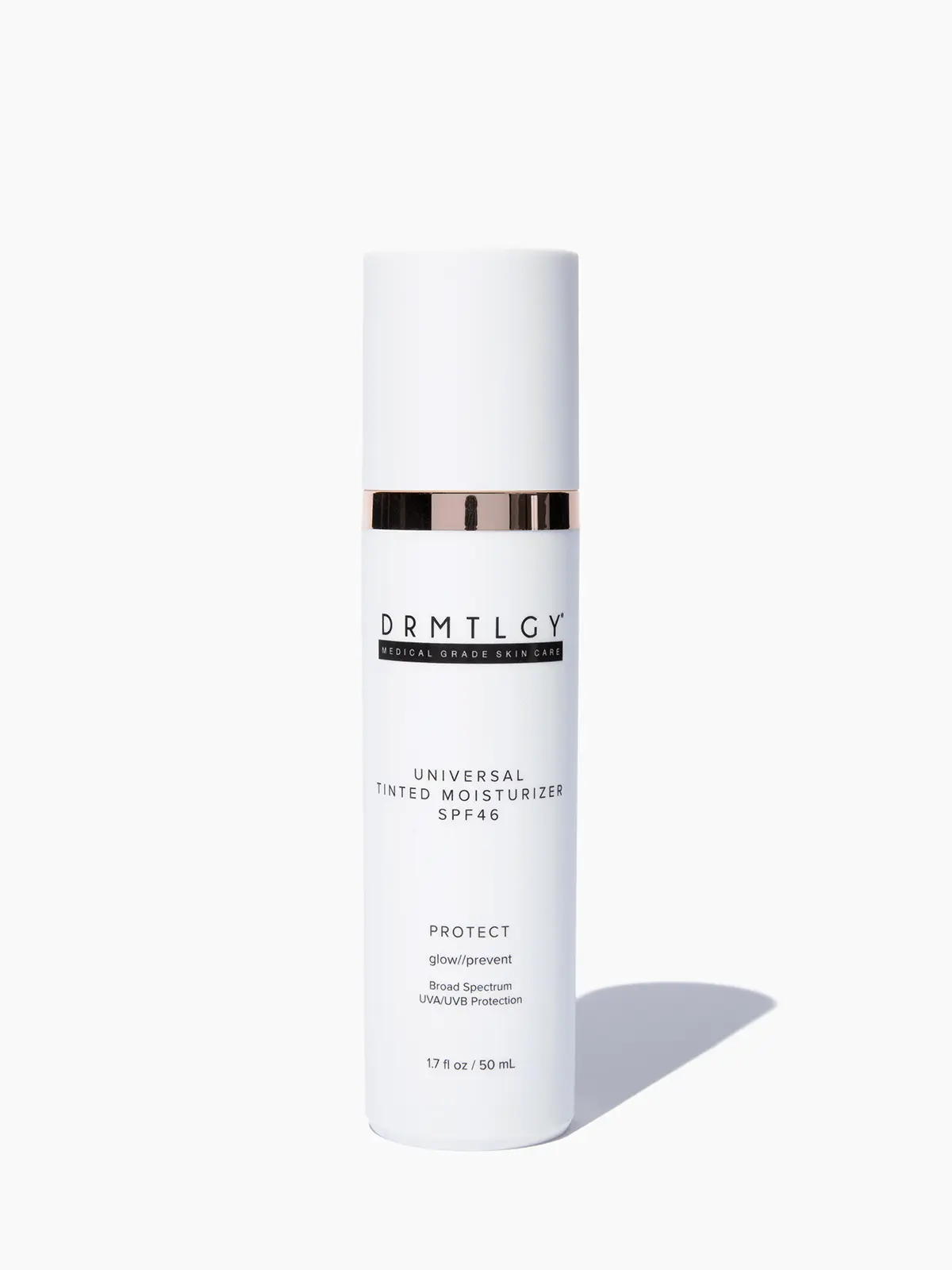
Our Tinted Sunscreen Moisturizer 3-in-1 SPF 46 is built exactly for this. It moisturises dry patches, protects with broad spectrum SPF 46, and gives light, breathable coverage that evens out tone, all in one step, for PKR 1,999.
Good for daily wear under a dupatta or hijab
Many women in Pakistan wear a dupatta, hijab, or cap that covers the hairline and part of the face. Sunlight still reaches the forehead, nose, cheeks, and jaw during a commute or school run.
A lightweight, non greasy 3-in-1 formula sits comfortably under fabric without feeling heavy or sliding by midday.
Good for all day outdoor errands
If your day involves the market, a rickshaw ride, a queue, or walking between offices, you need something that survives heat and humidity without a full touch up kit in your bag. A tinted 3-in-1 gives you protection and a fresh look from the same tube.
Who should still use a dedicated, separate sunscreen instead
Tinted 3-in-1 formulas are not the right fit for everyone, and that is worth being honest about.
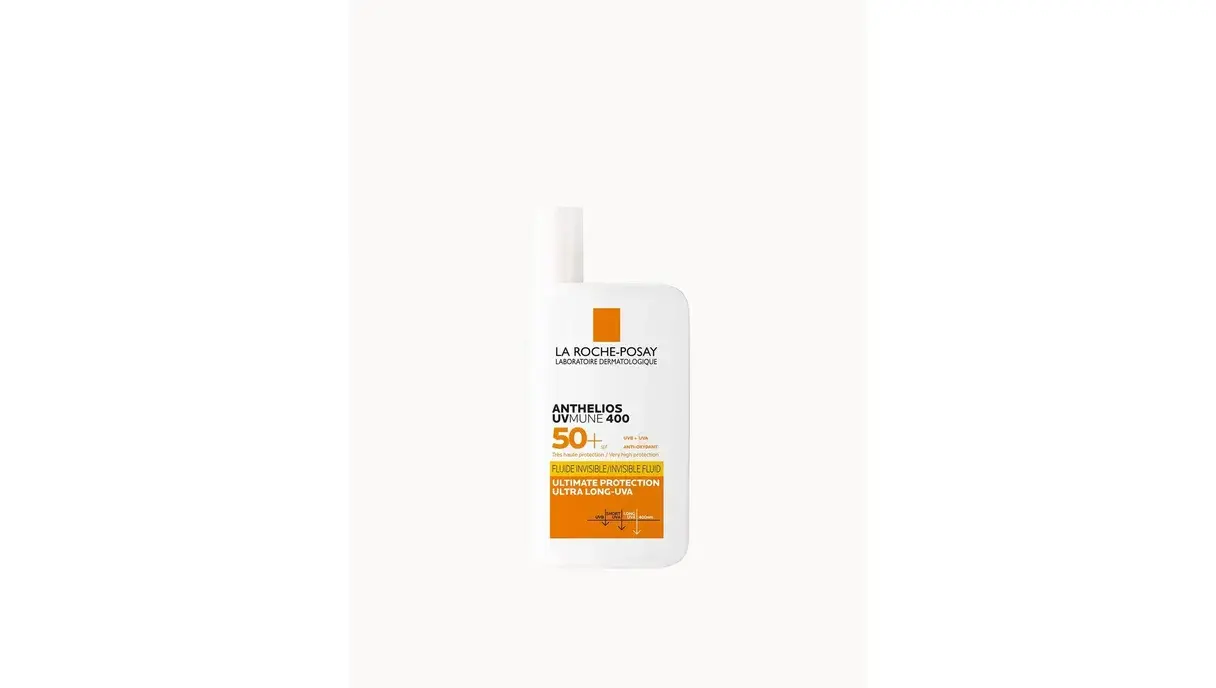
- Very oily or acne prone skin that needs a strictly matte, oil free finish may prefer a dedicated gel or fluid sunscreen without added moisturiser.
- Active breakouts can sometimes feel aggravated by any added coverage layer, so a simple, fragrance free sunscreen may be gentler.
- Those needing heavier coverage, for example to cover deep pigmentation or melasma, may still want a separate foundation or concealer layered over sunscreen rather than relying on tint alone.
- Swimming or heavy sweating for hours may call for a dedicated water resistant sunscreen rather than a daily wear moisturiser format.
If you fall into these groups, our guide to the best sunscreen for oily skin in Pakistan walks through how to choose a plain, mattifying option instead.
How to apply and reapply tinted sunscreen correctly
- Cleanse and let your skin dry fully. Applying sunscreen to damp skin can dilute it and reduce protection.
- Use about a quarter teaspoon for the face and neck. Most people apply far less than this, which is the biggest reason SPF underperforms in real life.
- Massage it in evenly, including the ears, hairline, and neck, areas people often forget.
- Wait a minute or two before applying makeup on top, if you use any.
- Reapply every two hours outdoors, or straight after heavy sweating, washing your face, or swimming.
- On heavy outdoor days, keep a small compact of the same formula or a setting spray with SPF for a quick midday top up over makeup.
Tinted sunscreen and pigmentation, tan, and dark spots
Sunscreen alone will not remove existing tan, melasma, or dark spots, but it is the single most important step to stop them getting worse. Unprotected sun exposure keeps triggering more pigment production in skin already prone to it.
If tan or dark patches are already a concern, pair daily SPF with a proper repair routine. Our guides on how to remove sun tan and how to treat dark spots on your face cover what helps once the damage is there. See how to reduce melanin in skin naturally for more on pigment itself.
A quick comparison: tinted vs plain sunscreen
| Factor | Tinted sunscreen | Plain sunscreen |
|---|---|---|
| White cast | Minimal to none, pigment corrects it | Possible, especially mineral formulas |
| Coverage | Light, evens out tone | None, skin tone unchanged |
| Routine steps | Can replace moisturiser and light base | Standalone step only |
| Best for | Daily wear, combination to dry skin, no makeup days | Very oily or acne prone skin wanting pure matte finish |
| Reapplication | Same rules apply, every two hours outdoors | Same rules apply, every two hours outdoors |
This article was written and medically reviewed to our medical review board standards and is for general guidance, not personal medical advice. Always speak to a doctor or pharmacist about your own situation.
Shop Tinted Sunscreen Moisturizer 3-in-1 SPF 46 →Frequently asked questions
Does tinted sunscreen protect skin as well as plain sunscreen?
Yes, when it lists an SPF number and broad spectrum protection, a tinted sunscreen protects against UVA and UVB just like a plain one. The tint is a cosmetic addition, not a replacement for the active UV filters.
Can I skip moisturiser if I use a 3-in-1 tinted sunscreen?
For most normal to combination skin, a well formulated 3-in-1 like our Tinted Sunscreen Moisturizer 3-in-1 SPF 46 can replace a separate moisturiser for daytime. Very dry skin may still want a richer moisturiser underneath, especially in winter.
Will tinted sunscreen replace my foundation?
It can replace foundation on low makeup days or for light, natural coverage. If you need to cover deeper pigmentation, melasma, or acne scarring, you may still want a foundation or concealer layered over it.
How much tinted sunscreen should I actually use on my face?
About a quarter teaspoon for the full face and neck is the amount used in official SPF testing. Using less reduces the real protection you get, even if the label says SPF 46 or higher.
Do I need to reapply tinted sunscreen over makeup?
Yes, if you are outdoors for more than two hours. A pressed powder SPF, a setting spray with SPF, or simply patting on a little more of the same tinted formula are practical ways to reapply without disturbing makeup.
Is SPF 46 enough for Pakistan's sun?
SPF 46 offers strong daily protection and blocks around 98 percent of UVB rays when applied correctly and reapplied every two hours. For most daily indoor and outdoor activity, this is a solid, practical choice.
Can tinted sunscreen cause breakouts?
It depends on the formula and your skin type. Non comedogenic, lightweight formulas suit combination and normal skin well. If you have very oily or acne prone skin, a dedicated matte sunscreen without added tint may suit you better.
Liked this one? Get the next in your inbox.
One fortnightly note from the editors, new pieces, restocks, and the routines we're actually using. Unsubscribe any time.