Pimple Patch Price in Pakistan: Which Spots They Fix and How to Use One
Pimple patch price in Pakistan, which spots hydrocolloid patches actually help, how long to wear one, and when acne needs more than a sticker.
It is the night before a mehndi and a whitehead has come up on your chin. You can squeeze it and live with a red, scabbed mark in every photo, or you can put a small clear sticker on it, go to sleep, and peel off a flatter, calmer spot in the morning. That sticker is a pimple patch, and for this one job it works well.
This guide covers what a pimple patch actually does, which spots it helps and which it does not, how to use one properly, and what you should pay for an original one in Pakistan.
Pimple patch price in Pakistan: what we stock
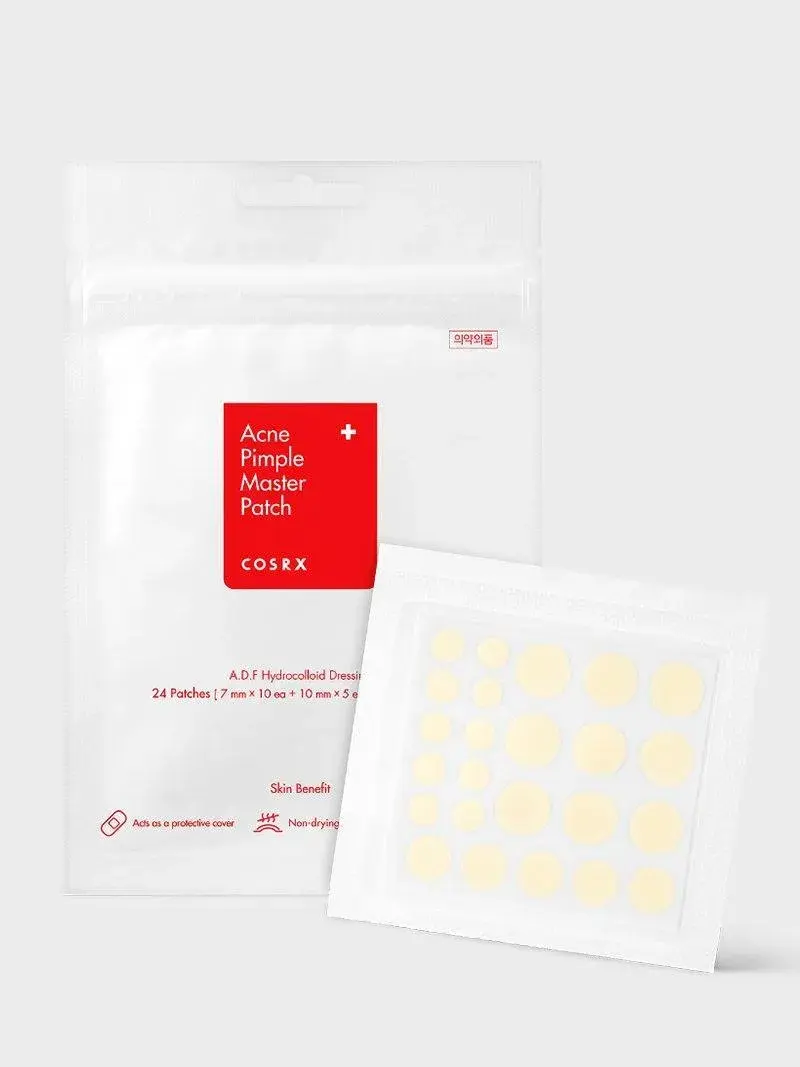
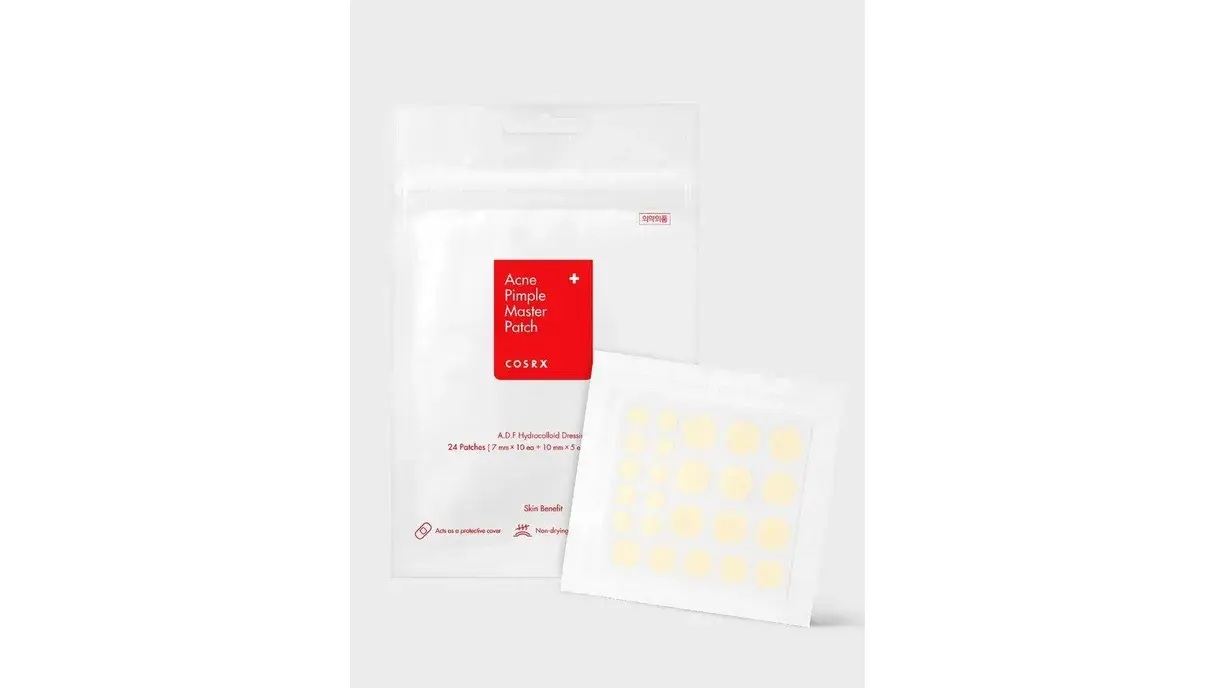
The patch most people mean when they say "pimple patch" is the Korean original: COSRX Acne Pimple Master Patch, 24 patches (Rs 1,150). One sheet holds 24 round hydrocolloid patches in three sizes, so a single pack lasts through several breakouts.
A patch only treats the spot you can see. If you get breakouts every week, the patch belongs next to a daily product that works on clogged pores. Two we stock that do that:
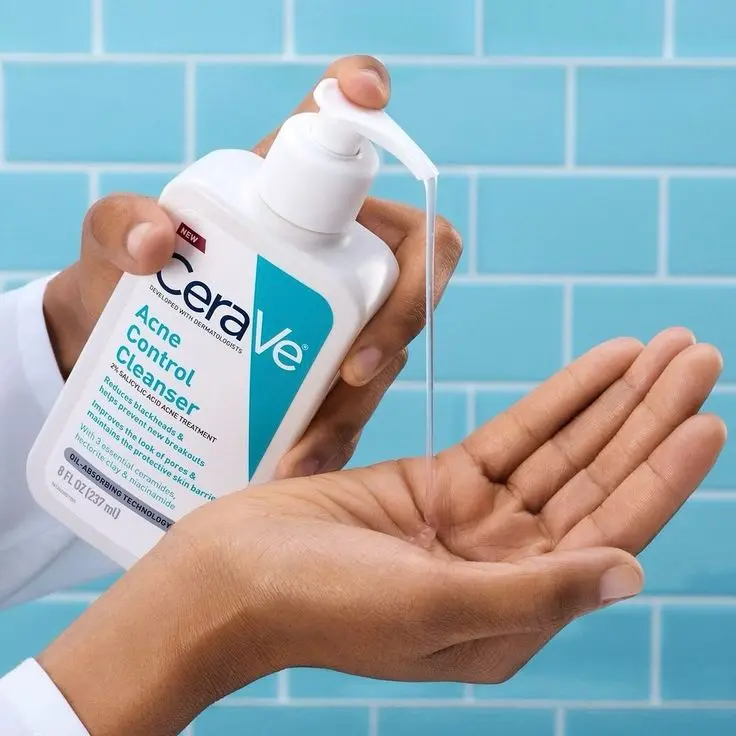
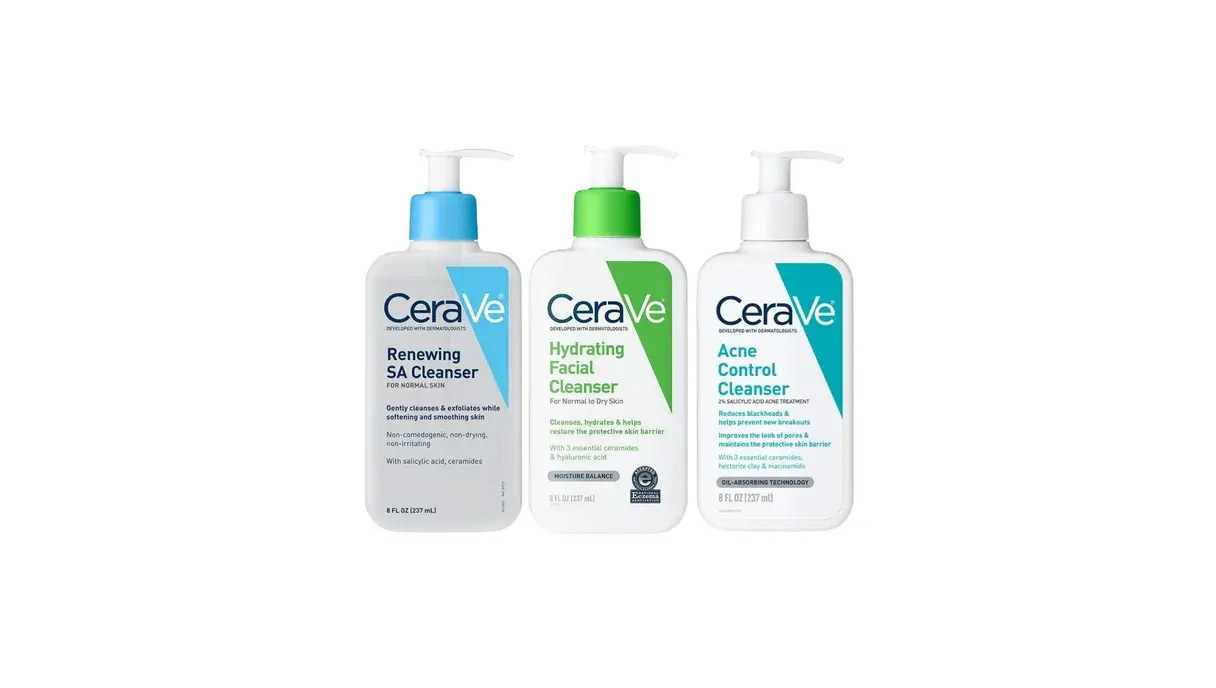
- CeraVe Acne Control Cleanser (Rs 6,590): a gel-to-foam wash with 2% salicylic acid, plus ceramides to stop it drying the skin out.
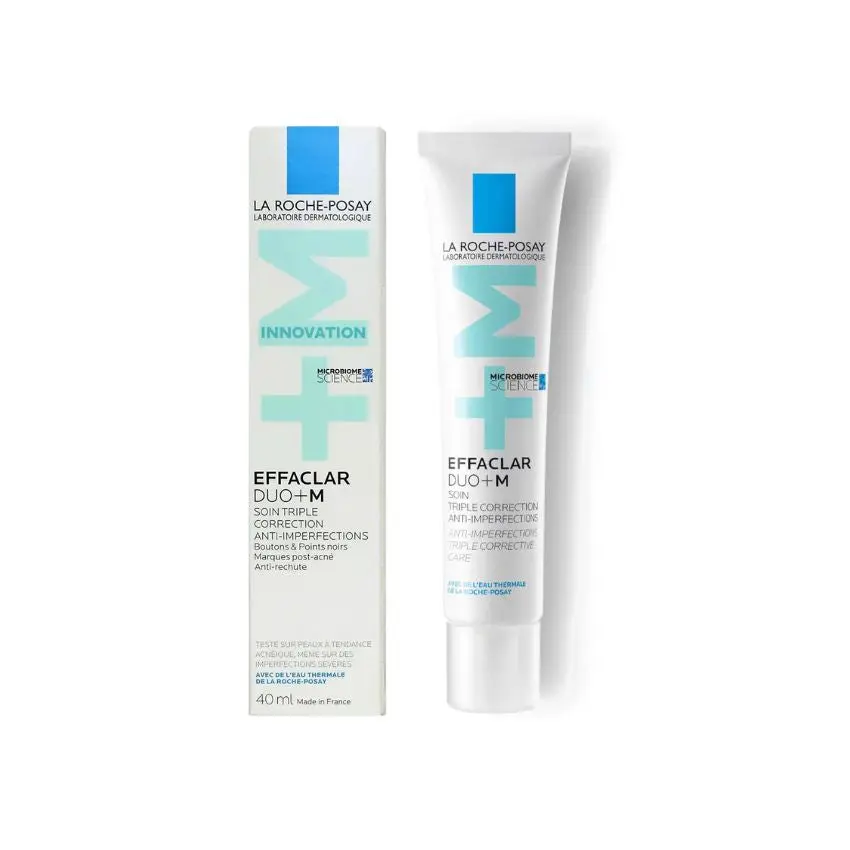
- La Roche-Posay Effaclar Duo+M, 40ml (Rs 5,999): a moisturiser for oily, blemish-prone skin with salicylic acid, LHA, niacinamide and zinc PCA.
Other Pakistani stores list the same 24-patch COSRX sheet anywhere from about Rs 900 to about Rs 2,400 (checked October 2026). A price far below the usual range for an imported brand is worth a second look at who is selling it.
What a pimple patch actually is
A pimple patch is a small sticker made of hydrocolloid, a slightly gummy gel used in wound dressings. Cleveland Clinic explains that pimple stickers grew out of the hydrocolloid wound dressings doctors started using in the 1970s, when moist wound healing became the norm.
The patch does two things. It soaks up fluid such as pus and oil from the spot, and it covers the spot so dirt, bacteria and your own fingers stay off it. As Cleveland Clinic's dermatologist puts it, pimple patches are "really just wound healing dressings for a very specific type of lesion."
COSRX describes the hydrocolloid in its patch the same way: it absorbs discharge and keeps the area moist. The brand lists the full ingredients on its product page: petroleum resin, cellulose gum, styrene isoprene styrene block copolymer, polyurethane film, polyisobutylene, liquid paraffin and tetrakismethane. There is no salicylic acid or tea tree oil in it, which matters if your skin is sensitive.
Which spots a patch helps, and which it does not
This is where most people get disappointed, usually because they put a patch on the wrong kind of spot. Cleveland Clinic says patches work best on spots that are open and oozing, including ones you have already picked or popped. There is some evidence they can also reduce the size and redness of closed pimples, but they help less there.
| What you see | Will a patch help? | What to do instead or as well |
|---|---|---|
| A whitehead with a visible head | Yes, this is the main use | Patch overnight; do not squeeze first |
| A spot you already popped or picked | Yes, it covers and protects the open spot | Wash the area, dry it, then patch |
| A red bump with no head yet | A little, at best | Leave it alone and keep up your acne routine |
| Blackheads | Not really | Salicylic acid products over a few weeks |
| Deep, painful lumps under the skin | No | See a doctor or dermatologist |
| Dark marks left after spots | No | Sunscreen and patience; see our marks guide below |
Cleveland Clinic is clear that patches are limited for acne as a whole. They cannot stop new spots forming or clear the clogged pores that start them. Our own product page says the same: COSRX patches are for whiteheads and surface spots, not deep cystic acne.
Why a patch beats squeezing
The real benefit of a patch is often that it stops you picking. The NHS advises against picking or squeezing spots because it can cause scars. Cleveland Clinic's guide to pimple popping adds infection, more breakouts and dark spots that can take months to fade.
That last point matters for brown skin. A spot you leave alone may be gone in days, while the dark mark from squeezing it can stay for much longer. If marks are already your bigger problem, read acne scars vs dark marks to work out which one you have.
How to use a pimple patch properly
The steps are simple, but small mistakes stop the patch sticking or working.
- Wash your hands and the spot. Use a gentle cleanser. If the spot has already been popped, clean away whatever came out of it.
- Dry the skin completely. Cleveland Clinic notes that the adhesive will not stick well to wet skin. Do not put toner, serum or moisturiser under the patch.
- Pick the right size. COSRX says to choose a patch bigger than the spot. Our sheet has 9 large, 5 medium and 10 small patches (the brand's own count).
- Press it on and leave it. Our product page suggests at least six hours, and most people wear one overnight.
- Peel it off when it has turned white. The white, cloudy centre is the fluid the hydrocolloid has absorbed. If the spot is still open, wash and dry it and put on a fresh patch.
The COSRX patch is thin and matte, so you can wear one in the day too. Put the patch on first and do your makeup around and over it.
Common mistakes
- Squeezing the spot hard before patching. A patch works with what is already near the surface; forcing it there damages the skin around it.
- Using one patch over a whole cluster of small bumps. Patches are spot dressings, not a mask.
- Reusing a patch that has come loose. Use a new one.
Who should be careful
Cleveland Clinic points out that some patches add salicylic acid or tea tree oil to dry spots out, and that both can irritate sensitive skin. The adhesive itself can also bother skin that reacts to plasters or tape. If the skin around a patch goes red, itchy or bumpy, stop using it.
A patch is not a treatment for acne that leaves scars, keeps coming back, or sits deep under the skin. Those need a proper routine, and often a doctor.
Pairing patches with an acne routine
The NHS suggests washing twice a day with a gentle cleanser, removing makeup at night, choosing non-comedogenic products, and trying over-the-counter treatments such as salicylic acid or benzoyl peroxide. Cleveland Clinic's dermatologist names the same ingredients, plus adapalene, as the things that actually prevent spots.
The CeraVe Acne Control Cleanser is a simple way to get salicylic acid into a routine. Its active ingredient is salicylic acid 2%, and our listing advises using it morning and evening, or once a day if your skin feels sensitive. Using it alongside another acne medicine makes dryness and irritation more likely, so check with your dermatologist if you are on prescription treatment.
If you would rather put the active in your moisturiser, Effaclar Duo+M combines salicylic acid and LHA with niacinamide. La Roche-Posay says its own testing showed fewer blackheads, blemishes and post-acne marks after four weeks of daily use. Apply it after cleansing and follow with sunscreen in the day.
For a fuller comparison of salicylic washes and how often to use them, see our salicylic acid face wash guide. For a step-by-step plan, read how to get rid of acne. You can browse everything in this space under cleansers and treatments or the COSRX range.
When to see a doctor
The NHS says to see a GP if you have tried treating acne yourself and it is not getting better, if you have lots of spots, or if the spots are deep, painful or leaving scars. Also go if you see signs of a skin infection, such as hot, swollen and red skin. The NHS notes that redness can be harder to see on brown skin, so heat and swelling are useful clues.
Acne that is affecting your mood or confidence is a good enough reason on its own. A doctor can prescribe treatments that are stronger than anything sold over the counter. For deep, painful acne, our guide to cystic acne creams and face washes explains the options to ask about.
Pimple patch FAQ
Do pimple patches work overnight?
On a whitehead or a popped spot, a patch worn overnight usually leaves it flatter and less angry by morning. Cleveland Clinic's dermatologist says the blemish "may be smaller and less inflamed" when you peel it off. It will not make a deep spot vanish in one night.
Can I use a pimple patch on a popped pimple?
Yes. Cleveland Clinic says this is where patches are most useful. Wash and dry the area first, then cover it.
Do pimple patches remove acne scars?
No. A patch can help a spot heal without the extra damage that picking causes, but it does not treat scars or dark marks that are already there.
How many patches do I get, and how long does a pack last?
The COSRX sheet has 24 patches. Since you use one per spot per night, a sheet lasts most people through several breakouts.
The bottom line
A pimple patch is a small dressing that does one thing well: it helps a surface spot or a picked spot heal, and it keeps your fingers off it. Keep a sheet of COSRX Acne Pimple Master Patch in your drawer for emergencies, and if spots are a weekly thing, put your effort into a daily routine and, when needed, a doctor's visit.
Liked this one? Get the next in your inbox.
One fortnightly note from the editors, new pieces, restocks, and the routines we're actually using. Unsubscribe any time.