Nizoral Shampoo Price in Pakistan: How to Use 2% Ketoconazole for Dandruff
Nizoral shampoo price in Pakistan, plus how to use the 2% ketoconazole formula for dandruff, how often, who should avoid it and gentler options.
If you have washed your hair every other day, switched shampoos three times and still find white flakes on your black kameez by lunchtime, you are probably the person Nizoral is made for. It contains an antifungal medicine, ketoconazole, and it is used differently from a normal shampoo. Get the routine wrong and it feels like it does nothing.
Here is what the bottle is, what it costs, how to use it the way the leaflet and the NHS describe, and when a gentler shampoo is the better buy.
Nizoral shampoo price in Pakistan, and the options next to it
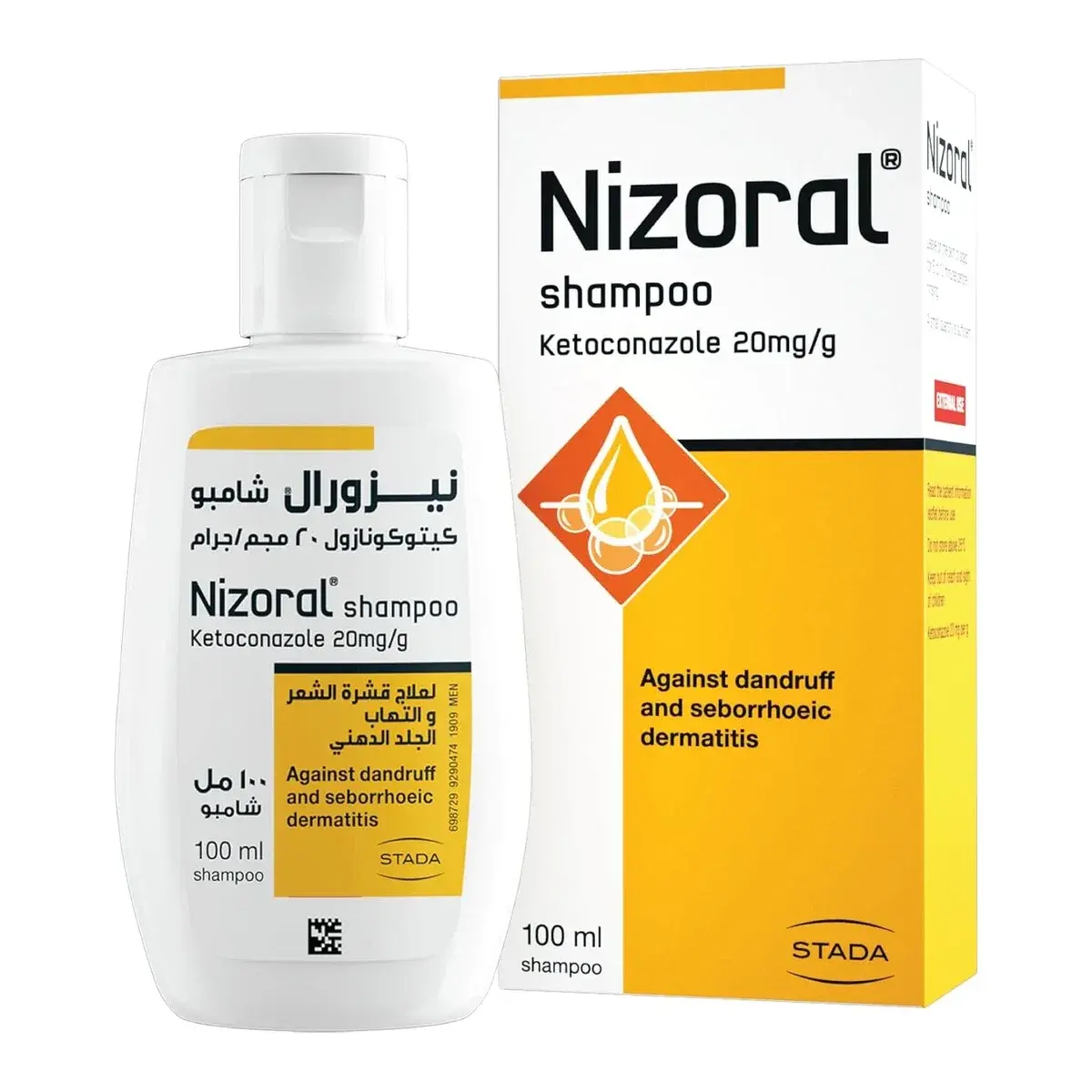
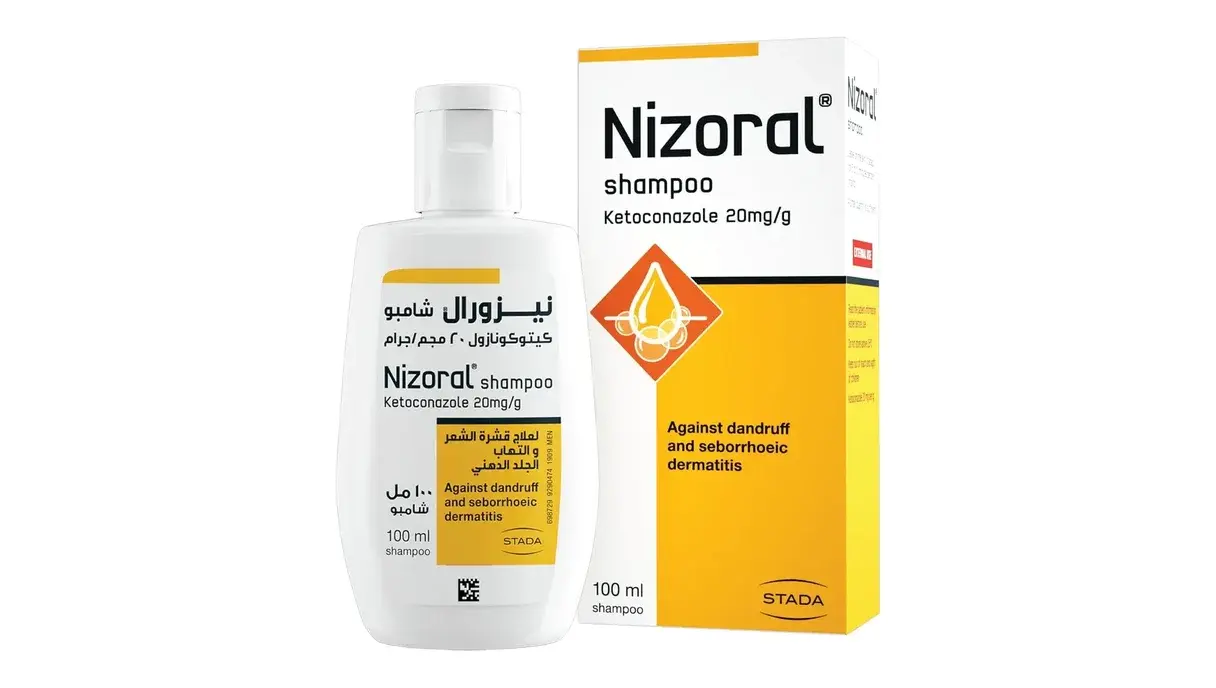
We stock Nizoral Anti-Dandruff Shampoo 2% Ketoconazole 100ml (Rs 4,999). For comparison, a large Pakistani pharmacy chain listed the same 100ml bottle at about Rs 4,700 when we checked in October 2026, so the imported 2% bottle sits in that range wherever you buy it.
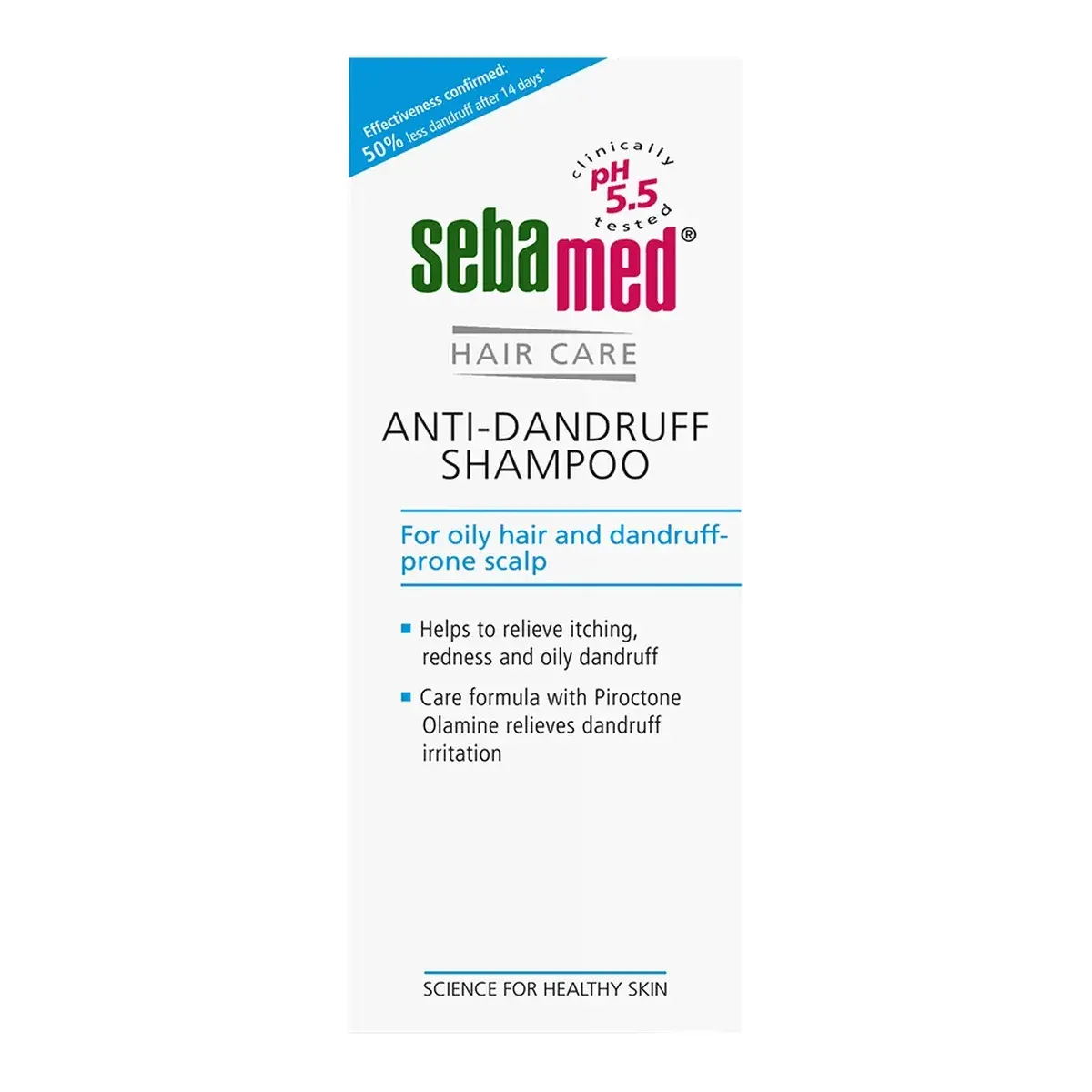
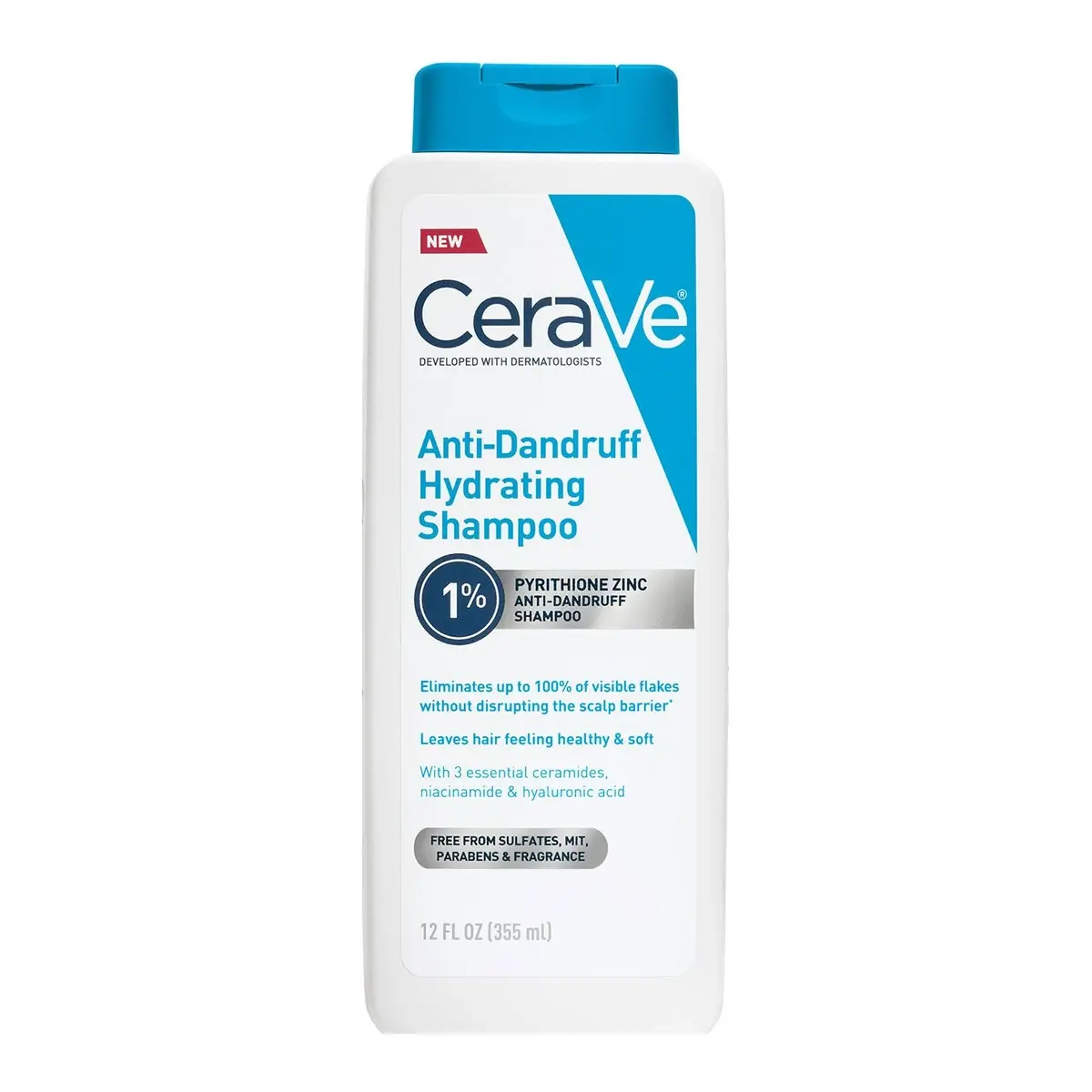
If you want an everyday shampoo instead of a medicated one, the two we point people to most are Sebamed Anti-Dandruff Shampoo 200ml (Rs 4,400) and CeraVe Anti-Dandruff Hydrating Shampoo 355ml (Rs 6,500). There is more on choosing between them further down.
A 100ml bottle looks small, but you only use Nizoral twice a week during treatment and then once every week or two, so it lasts longer than its size suggests.
What is in the bottle
The active ingredient is ketoconazole at 2%, which our listing and the box give as 20mg per gram. Ketoconazole is an antifungal medicine. The NHS explains that it works by killing the fungus (yeast) behind certain skin infections, and lists dandruff and seborrhoeic dermatitis among the conditions it treats, along with athlete's foot and pityriasis versicolor.
The rest is an ordinary shampoo base led by sodium lauryl ether sulfate; the full list is on our product page.
2% or 1%: why the strength on the label matters
Nizoral is sold in two strengths around the world. The American bottle, Nizoral Anti-Dandruff (often called Nizoral A-D), contains 1% ketoconazole, as the brand's US website states. The bottle we sell is the 2% formula. Both are real products; they are simply different strengths.
So when you compare prices online, check the strength and size on the listing before you compare the number. A cheaper 1% bottle and a 2% bottle are not the same purchase.
Why dandruff keeps coming back
Most dandruff is not about dirt. The NHS says dandruff is not caused by poor hygiene and can be driven by a type of yeast that naturally lives on the skin, with stress and cold weather making it worse. It is not harmful and you cannot catch it.
Cleveland Clinic names that yeast as Malassezia. It lives on everyone's skin and is usually harmless, but it grows well in oily areas, and when there is too much of it the skin reacts with flakes, itching and redness. On a teen's or adult's scalp, Cleveland Clinic says this is usually what we call dandruff.
Cleveland Clinic also describes seborrhoeic dermatitis as something that comes and goes over a lifetime with no cure, only management. That is the honest reason a single bottle of anything rarely ends dandruff for good, and why the maintenance step below matters as much as the first few weeks.
How to use Nizoral shampoo
Always follow the leaflet in your pack first. The steps below match what our listing gives from the label and what the NHS sets out for ketoconazole shampoo.
- Wet your hair and scalp with water.
- Massage a small amount into the scalp (not just the lengths) until it lathers.
- Leave it on for 3 to 5 minutes. This contact time is easy to skip, and it matters.
- Rinse it off well, keeping it out of your eyes and mouth. If it gets in your eyes, rinse with water.
- Wash your hands afterwards.
How often
For dandruff, the NHS says to use the shampoo twice a week for 2 to 4 weeks, then once every 1 to 2 weeks to stop the dandruff coming back. The same pattern applies to seborrhoeic dermatitis on the scalp. On the other days, wash with your normal shampoo.
Our listing adds a note from the leaflet: if you already use a steroid lotion on your scalp, it should be reduced gradually over the first 2 to 3 weeks rather than stopped suddenly. If that applies to you, check with the doctor who prescribed it.
The NHS notes that some people keep using it every 1 to 2 weeks for months or years to stop dandruff returning. Using it more often than that does not help: the NHS says overuse can leave the skin irritated or red.
What a realistic result looks like
According to the NHS, ketoconazole shampoo usually takes 2 to 4 weeks to work for dandruff and seborrhoeic dermatitis. If your symptoms are no better after 4 weeks, the NHS advice is to talk to a pharmacist or doctor, because you may need a different treatment.
Who should not use it, and side effects
The NHS says most adults and children aged 12 and over can use ketoconazole shampoos. Our product listing, following the pack leaflet, describes this bottle as an adult product and says the leaflet does not recommend it for children, so for anyone under 18, ask a doctor first. Do not use it if you have ever had an allergic reaction to ketoconazole or any of the other ingredients.
On pregnancy and breastfeeding, the NHS says ketoconazole shampoo can be used, because only tiny amounts are absorbed, but it still advises telling your doctor if you are pregnant, trying to get pregnant or breastfeeding. Our listing gives the same advice: ask a doctor or pharmacist first.
Side effects with the shampoo are unusual when it is used correctly, the NHS says, and the most common one is irritated skin. Stop and see a doctor if your scalp becomes very red, sore, peeling or blistered. Swelling of the lips, face, tongue or throat, or trouble breathing, is a rare allergic reaction that needs emergency help at once (see the NHS side effects page).
Nizoral vs Sebamed vs CeraVe vs La Roche-Posay
Not everyone with flakes needs a medicated shampoo. The NHS lists ketoconazole, coal tar and salicylic acid as ingredients to look for, and Cleveland Clinic suggests trying an over-the-counter shampoo with zinc, selenium or coal tar for mild dandruff first. Here is how the four we stock compare, using the details on our own product pages.
| Shampoo | Active | How often | Best for | Price |
|---|---|---|---|---|
| Nizoral 2% 100ml | Ketoconazole 2% (antifungal medicine) | Twice a week for 2 to 4 weeks, then every 1 to 2 weeks | Stubborn dandruff and seborrhoeic dermatitis | Rs 4,999 |
| Sebamed Anti-Dandruff 200ml | Piroctone olamine, pH 5.5 | Every wash | Mild flakes, an itchy scalp, maintenance between Nizoral days | Rs 4,400 |
| CeraVe Anti-Dandruff Hydrating 355ml | Pyrithione zinc 1%, ceramides | Two or three times a week | Flakes plus a dry, tight scalp; fragrance free | Rs 6,500 |
| La Roche-Posay Kerium DS 125ml | Pyrithione zinc plus salicylic acid | Twice a week for 2 to 4 weeks | Thick, stuck-on scale | Rs 6,900 |
A simple way to choose
If your flakes are light and your scalp just itches, start with Sebamed or CeraVe and give it the NHS's four weeks. If you have tried an ordinary anti-dandruff shampoo properly and the flakes, redness or greasy yellow scale are still there, that is where Nizoral comes in.
A practical pairing is Nizoral on its two days a week and a gentle anti-dandruff shampoo on the days in between; our Sebamed listing describes it as a maintenance wash between medicated treatments. Once things settle, Nizoral drops to once every week or two and the gentle shampoo carries the rest. If your lengths feel dry, condition them only, keeping conditioner off the scalp.
Does Nizoral help hair fall?
This is the question we get most after price. The honest answer from the sources we use is narrow: Cleveland Clinic notes that seborrhoeic dermatitis can cause hair shedding from scratching in affected areas, but not permanent hair loss. Calming the scalp can help with that kind of shedding.
Neither the NHS nor our listing names hair loss among ketoconazole shampoo's uses, so we will not tell you it regrows hair. If your hair is thinning at the crown or your parting is widening, read our guides on how to reduce hair fall and minoxidil for hair loss, and see a dermatologist to find the cause.
When it is not dandruff
Flakes are not always dandruff. The NHS lists several conditions that can look like it, including psoriasis (red, crusty patches with silvery scales), ringworm of the scalp (a rash, sometimes with patchy hair loss), eczema and a reaction to hair dye or styling products. These need a different treatment.
See a doctor if any of these apply, based on the NHS and Cleveland Clinic advice:
- You have used an anti-dandruff shampoo for at least 4 weeks and nothing has changed.
- Your scalp is red, swollen, very itchy, painful or weeping fluid.
- You have flaky, itchy patches on your face, eyebrows, ears, chest or other parts of your body.
- You have patchy hair loss with the rash.
- It is affecting your sleep, work or confidence.
Flat, round patches on the chest, back, neck or upper arms that turn paler than the skin around them can be pityriasis versicolor, a common fungal infection. Ketoconazole shampoo is one of its treatments, but it is used differently, and the NHS says not to diagnose it yourself, so see a doctor or pharmacist first. If you get spots on the forehead alongside your dandruff, our guide to fungal acne explains a related problem.
Buying genuine Nizoral
Our stock is the 100ml 2% pack shown in our product photo: an English and Arabic label, "Ketoconazole 20mg/g" on the bottle and box, and the line "Against dandruff and seborrhoeic dermatitis". Whatever pack you buy, the strength and the ketoconazole content should be printed clearly on both the bottle and the box, with a leaflet inside.
Be careful with prices far below the going rate for the same 2% 100ml size, and with listings that do not say the strength at all. If anything about your order looks wrong when it arrives, our returns page explains what to do with unopened items.
Frequently asked questions
Can I use Nizoral every day?
No. The NHS and our listing both say twice a week for 2 to 4 weeks, then once every 1 to 2 weeks. Use your normal or a gentle anti-dandruff shampoo on the other days.
The short version
If ordinary anti-dandruff shampoos have not worked, Nizoral 2% is a sensible next step. Use it twice a week, leave it on for 3 to 5 minutes, keep it going every week or two once the flakes clear, and see a doctor if nothing changes in four weeks.
For lighter flaking, start with the gentler shampoos in our anti-dandruff collection or browse all Nizoral stock. Not sure what your scalp needs? Try our free Hair & Scalp Finder, and for the bigger picture see our dandruff treatment guide.
Liked this one? Get the next in your inbox.
One fortnightly note from the editors, new pieces, restocks, and the routines we're actually using. Unsubscribe any time.