How to Increase Height Naturally: Nutrition, Sleep & Realistic Expectations (Pakistan 2026)
How to increase height naturally: the nutrition, sleep and activity that support growth in kids and teens in Pakistan, and the facts about adult height.

Did you know your adult height is mostly set by your genes, with science estimating roughly 80 per cent of it comes from your parents? If you are searching for how to increase height naturally, this honest guide is for you. We will explain what really drives height growth, when the growing years end, and how nutrition and sleep can help. We will also be clear about what no pill or stretch can do. This is the truth about qad lamba karne ka tarika, without the scams.
The honest truth about how to increase height
Height is mostly decided by your genetics. Your DNA sets the range you can reach. Good food, sleep and health then help you reach the top of that range.
Your bones grow at soft areas called growth plates. These sit near the ends of your long bones. While they stay open, your bones can still get longer.
Growth plates close after puberty. For most people this happens in the late teens to early twenties. Once they close, your bones cannot grow longer.
So real height gain is possible during the growing years. After the plates close, true bone length will not change. Anyone promising new inches in adults is selling a myth.
When does height growth actually happen?
Most height is gained in two main bursts. The first is in early childhood. The second is the big growth spurt during puberty.
Girls often grow fastest between about 10 and 14 years. Boys usually grow fastest a little later, around 12 to 16 years. Everyone has their own timing.
After this spurt, growth slows down. Within a few years the growth plates fuse and close. The NHS explains how children grow at different rates, which is normal. You can read more on the NHS child height and weight pages.
This is why the childhood and teen years matter so much. They are the window when good habits truly support growth.
Nutrition that supports growth in children and teens
You cannot out-eat your genes. But poor nutrition can stop a child reaching their full height. Good food gives bones the building blocks they need.
A balanced plate is the goal. Children and teens need enough energy and a mix of nutrients every day. Crash diets during the growing years can harm growth.
Protein for building bone and muscle
Protein is the main building block of the body. It supports bone, muscle and tissue growth. In Pakistan, good sources include eggs, milk, daal, chicken, fish and yoghurt.
Aim for some protein at each meal. An egg at breakfast or a glass of milk are simple, cheap options.
Calcium and vitamin D for strong bones
Calcium gives bones their hardness. Vitamin D helps the body absorb that calcium. Without enough vitamin D, calcium cannot do its job well.
Milk, yoghurt, cheese and leafy greens supply calcium. The NIH calcium fact sheet lists daily needs by age. Teens have high calcium needs because their bones are growing fast.
Vitamin D deficiency is very common in Pakistan, even with our strong sun. Many people stay indoors or cover up, so levels run low. We cover this in detail in our guide to vitamin D deficiency in Pakistan.
Zinc and a varied diet
Zinc supports growth and a healthy appetite. Low zinc has been linked with slower growth in children. Meat, eggs, daal and nuts all provide zinc.
The simplest plan is variety. Mix proteins, dairy, fruit, vegetables and whole grains across the week. No single food is magic.
Does milk increase height?
Milk does not directly stretch your bones. But it is one of the best foods to support growth in children and teens. That is why people ask if milk can increase height.
One glass packs protein, calcium and often added vitamin D. These are exactly the nutrients growing bones need. So milk helps you reach your full height potential.
For a child who already drinks milk and eats well, more milk will not add extra inches. The benefit is making sure no nutrient is missing during the growing years.
Sleep: when growth hormone does its work
Sleep is one of the most underrated parts of growth. Your body releases most of its growth hormone during deep sleep at night. Poor sleep means less of this key hormone.
Children and teens need more sleep than adults. School-age children need roughly 9 to 12 hours. Teens still need about 8 to 10 hours each night.
Late-night screens and irregular bedtimes hurt sleep quality. A calm, dark room and a steady bedtime help a lot. Good sleep supports growth, mood and focus together.
Exercise, stretching and posture
Active children tend to have healthier, stronger bones. Weight-bearing play like running, jumping and skipping loads the bones in a good way. Sports such as cricket, football, swimming and badminton are all great.
You may have heard that hanging or stretching makes you taller. Stretching will not lengthen your bones. But it does help your posture, which is a real and useful benefit.
Mayo Clinic notes that exercise keeps bones and muscles strong across life. See their overview of exercise benefits. Strong core muscles help you stand tall and avoid slouching.
Posture and footwear: looking your tallest as an adult
Once your growth plates close, you cannot add real bone length. This is the honest part. But you can still look taller than you do when slouching.
Good posture can reveal centimetres you are hiding. Many adults lose visible height by rounding their shoulders and back. Standing tall, with shoulders back, makes an instant difference.
A strong core and back hold that posture in place. Supportive footwear and good shoes add a little visible height too. These are honest, visible gains, not new bone length.
Supplements: genuine support versus marketing myths
No supplement can make an adult grow taller. Be very careful with any product that promises inches in adults. That framing is a scam.
During the growing years, supplements have one honest role. They fill gaps when diet or sunlight falls short. They support normal growth, they do not force extra height.
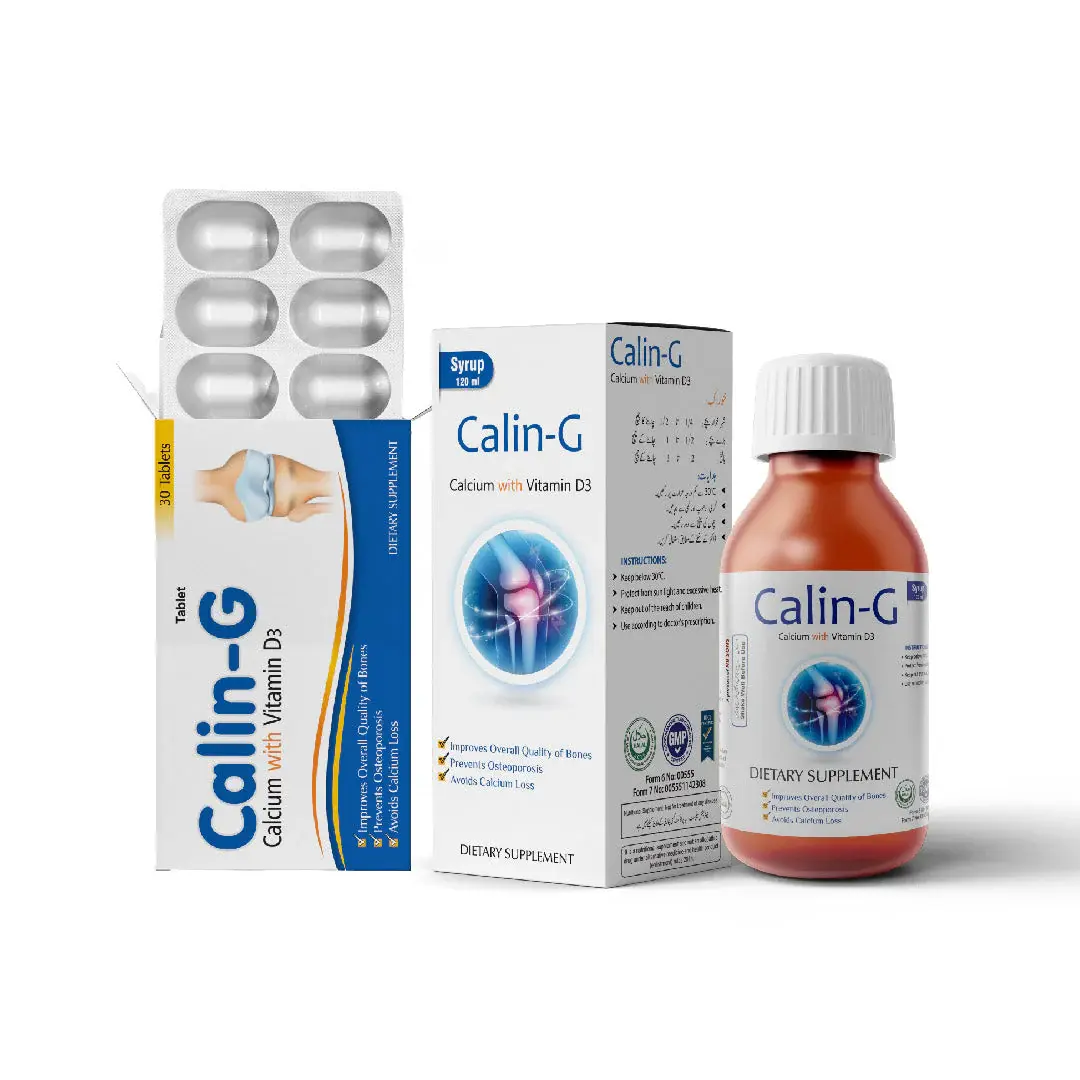
If a child does not get enough sun or dairy, a vitamin D and calcium product can help. A daily option like CALIN-G Calcium + Vitamin D3 costs around Rs 420 and covers both nutrients together.
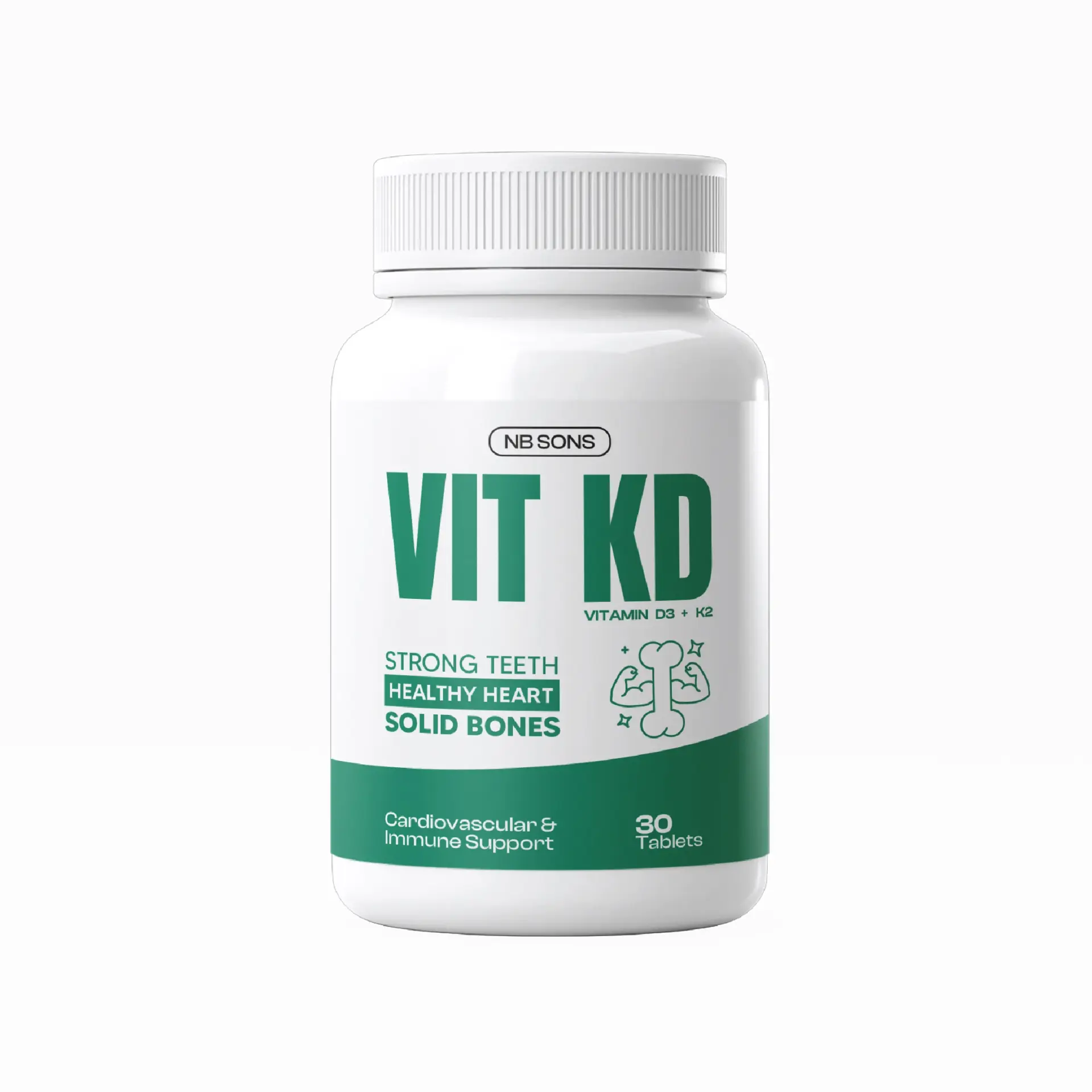
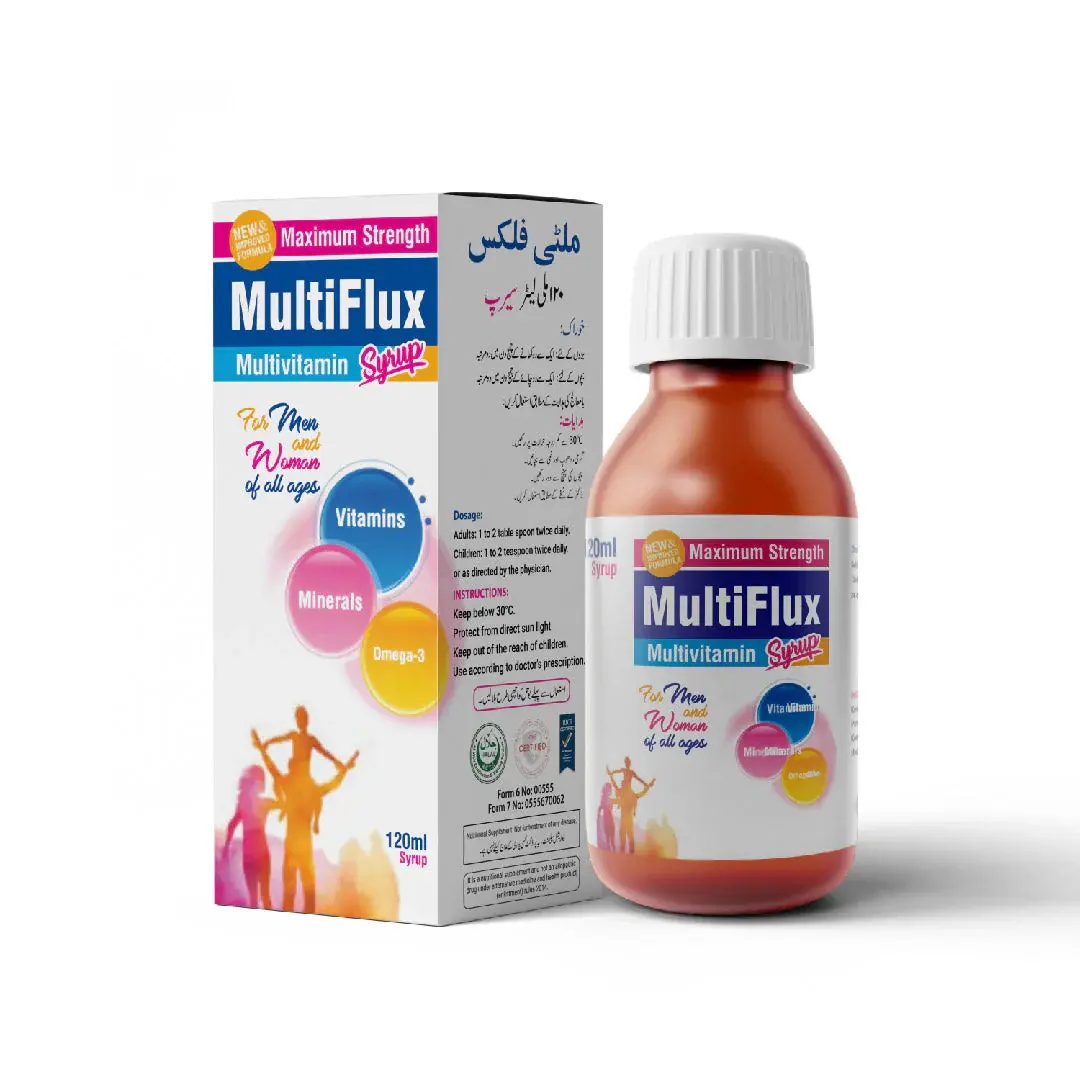
For higher-dose vitamin D needs confirmed by a doctor, Vit KD Vitamin D3 + K2 (around Rs 870) pairs D3 with vitamin K2. A balanced children's multivitamin such as Multiflux Multivitamin (around Rs 530) can cover small gaps in a fussy eater's diet.
An effervescent nutrition drink like Calosent (around Rs 350) can make daily nutrients easier for children who dislike tablets. For our wider picks, see our guide to the best multivitamins for kids in Pakistan. Always treat these as support, not as height boosters.
Calcium myths and the role of milk products
More calcium than you need will not build extra height. The body only uses what it requires for growing bones. Extra is simply passed out.
The goal is enough, not more. Pair calcium with vitamin D and protein for the best effect. Our deeper guide explains the benefits of calcium tablets in Pakistan.
For teens building muscle alongside growth, protein matters too. If you train, our article on protein supplements for men in Pakistan explains sensible intake. Food first, supplements only to fill the gaps.
When to see a doctor about height or growth
Most short children are simply following their family pattern. That is normal and healthy. But some signs are worth checking with a doctor.
- A child who is much shorter than peers, or has stopped growing.
- Growth that suddenly slows or crosses centile lines on a growth chart.
- Signs of very delayed puberty in the teen years.
- Poor appetite, fatigue or other symptoms alongside slow growth.
A doctor can check growth charts, diet and overall health. Some causes, like thyroid problems or hormone issues, are treatable when found early. Catching them during the growing years matters most.
This article was written and medically reviewed to our medical review board standards and is for general guidance, not personal medical advice. Always speak to a doctor or pharmacist about your own situation.
Shop CALIN-G Calcium + Vitamin D3 →Frequently asked questions
Can I increase my height after 21?
For most adults, no. Growth plates usually close in the late teens to early twenties. After that, bones cannot grow longer. You can still look taller with better posture and supportive footwear.
What is the best qad lamba karne ka tarika for children?
There is no single trick. The honest approach is balanced food, enough protein, calcium and vitamin D, good sleep and regular activity during the growing years. These help a child reach their full genetic height.
Do height-increase pills or sprays work?
No adult product can add real bone length. Such claims are marketing myths. Supplements only help during the growing years by filling nutrient gaps, and even then they support normal growth, not extra height.
Does milk really make you taller?
Milk does not stretch bones directly. But it supplies protein, calcium and often vitamin D, which growing bones need. In children and teens, it helps them reach their full height potential.
How much sleep do teens need for growth?
Teens generally need about 8 to 10 hours a night. Most growth hormone is released during deep sleep. Regular, good-quality sleep supports healthy growth.
Can exercise or stretching make me taller?
Exercise builds strong bones and good posture, both valuable. Stretching does not lengthen bones, but it helps you stand tall and avoid slouching, so you look your full height.
My child is short. Should I worry?
Usually not, especially if the parents are not very tall. But if growth has slowed, stopped, or comes with other symptoms, see a doctor. Early checks can find treatable causes.
Liked this one? Get the next in your inbox.
One fortnightly note from the editors, new pieces, restocks, and the routines we're actually using. Unsubscribe any time.