Best Multivitamin for Kids in Pakistan (2026): A Parent's Guide
The best multivitamin for kids in Pakistan: when children need one, which nutrients matter, what to check on the label, and why to ask a doctor first.
Iron deficiency is one of the most widespread nutrition gaps in South Asian children, and Pakistan is no exception. So it is no surprise that many parents wonder whether the best multivitamin for kids could help. A children's multivitamin can feel like useful insurance, especially with a fussy eater.
But which nutrients actually matter, and when is a supplement genuinely helpful? Here is a practical, doctor-first guide for parents in Pakistan. This article is general information only, not medical advice. Always speak to your child's paediatrician before starting any supplement.
Does my child need a multivitamin?
A balanced diet is always the first goal. Most children who eat a varied diet get what they need from food. A multivitamin can help bridge gaps when a child is a picky eater, eats little fruit and veg, or has a restricted diet.
It is a top-up, not a replacement for good meals. Always check with your child's doctor before starting any supplement. They can advise on what your child actually needs and the right dose for their age.
Some children are more likely to have gaps worth discussing with a doctor. These include very selective eaters, children on vegetarian or dairy-free diets, those who are often unwell, and children who spend little time outdoors. None of this means a supplement is automatically needed. It only means a chat with the paediatrician is worthwhile.
The nutrients that matter most for children
| Nutrient | Why it matters |
|---|---|
| Vitamin D | Bones and immunity, and deficiency is very common in Pakistan, even in sunny cities |
| Iron | Growth, energy and concentration; iron deficiency is widespread in South Asian children |
| Zinc | Immune support and healthy growth |
| Vitamin C | Immunity and iron absorption |
| B vitamins | Energy and a healthy appetite |
Iron and vitamin D are the two most common shortfalls in Pakistani children. That is why so many paediatricians check for them.
Vitamin D is harder to get from food and depends a lot on sunlight. Children often miss this when they stay indoors or are kept well covered. Iron matters for growing bodies and for concentration at school. A diet heavy in milk and light in iron-rich foods can leave a gap.
Food first: easy wins before supplements
Before reaching for a bottle, small changes to meals often go a long way. Here are a few practical, Pakistan-friendly ideas:
- For iron: lentils (daal), eggs, chicken, red meat, and dark leafy greens like palak.
- For vitamin C (which helps iron absorb): oranges, guava, lemon, tomato and capsicum alongside iron-rich meals.
- For calcium and vitamin D: milk, yoghurt, paneer, eggs, and some safe morning sun.
- For zinc: chicken, eggs, chickpeas (channa) and nuts where age-appropriate.
Two simple habits help children get more from the food they already eat. Serve iron-rich food with a little vitamin C, and keep tea away from mealtimes.
What to look for in a kids' supplement
- Age-appropriate dosing. Children need far less than adults, so never give an adult product.
- An easy format. Syrups, drops and chewables are easier for young children than tablets.
- Low or no added sugar where possible, and a taste they will actually accept.
- A trusted, authentic brand with clear ingredient labelling.
A safety-first approach
- Talk to your doctor first, especially for iron. Too much iron is harmful, so it should be given on advice, not guesswork.
- Follow the dose on the label for your child's age, and never double up.
- Keep all supplements out of reach. Chewables and gummies look like sweets to children.
- Food first. Use supplements to fill gaps, not to excuse a poor diet.
- Stop and ask if your child has a reaction, an upset stomach, or is already taking other medicines, in case anything overlaps.
Supplements support a balanced diet. They do not cure illness or guarantee height, immunity or appetite. Any product that promises those things is overpromising. Used sensibly and on a doctor's advice, they are simply a way to fill genuine gaps.
Kids' supplements available in Pakistan
All are authentic, with cash on delivery nationwide. Choose with your doctor's guidance:
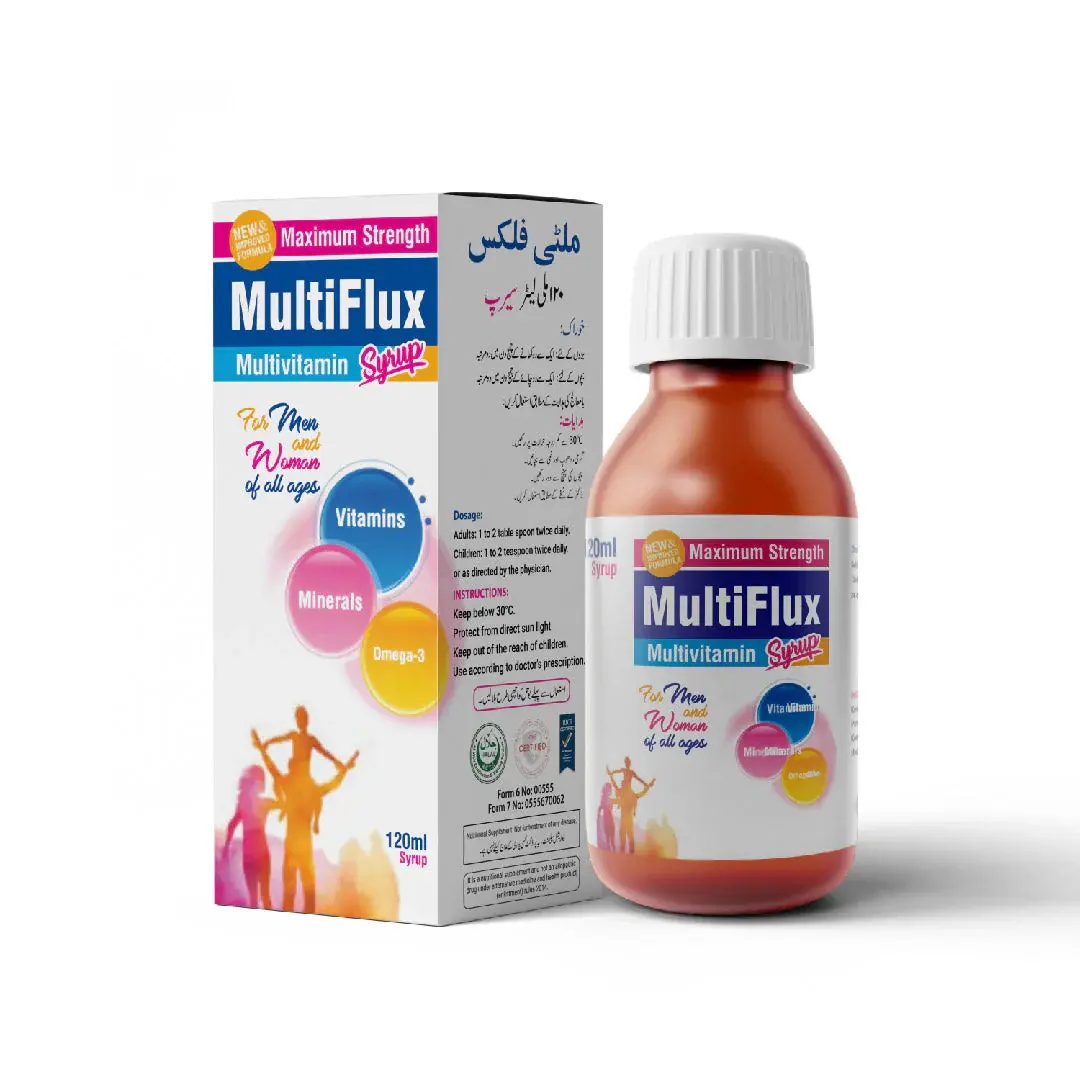
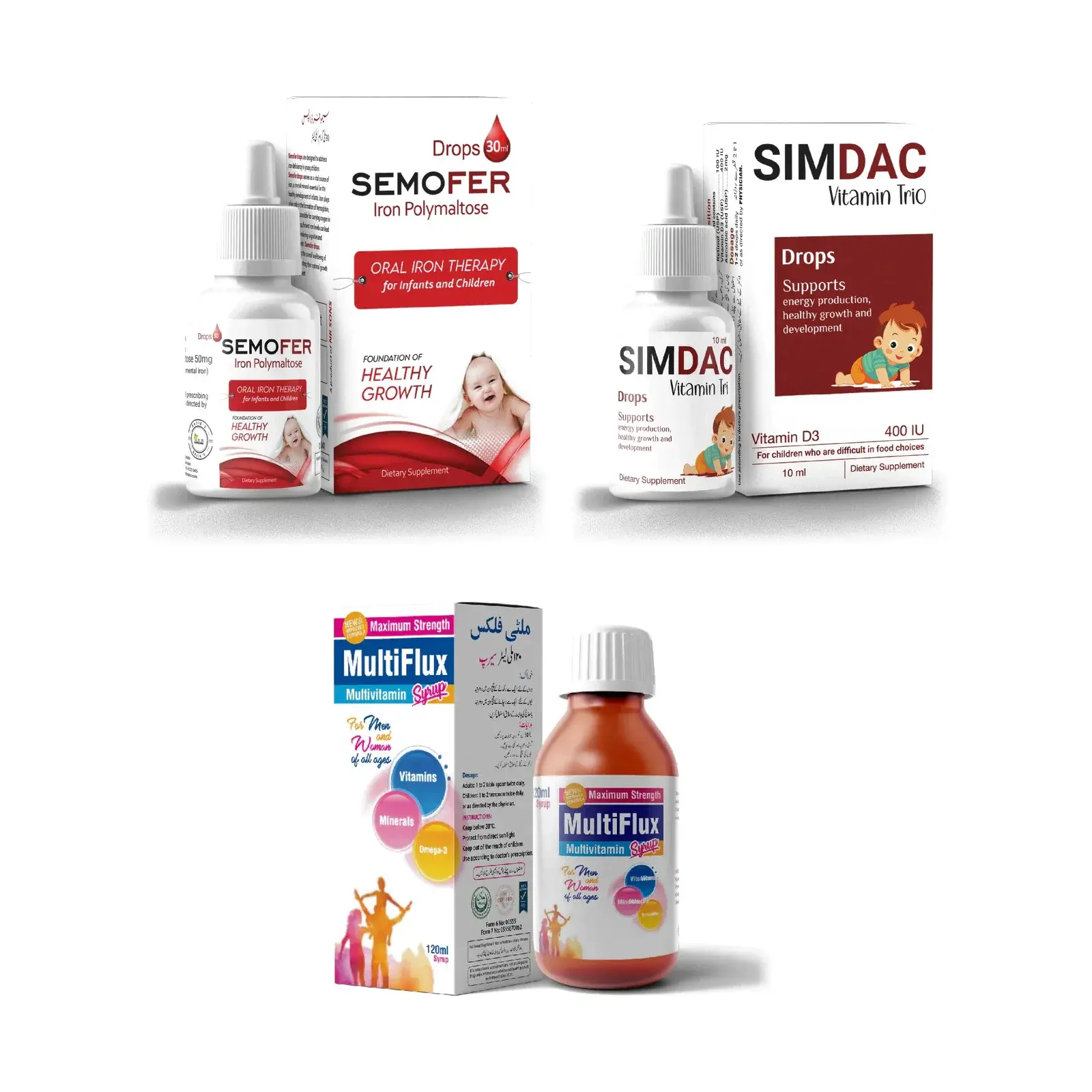
- Everyday multivitamin: Multiflux comes in a syrup that is easy for children to take.
- All-in-one kids' bundle: Kids Daily Defense pairs iron, vitamin D and a multivitamin in one pack.
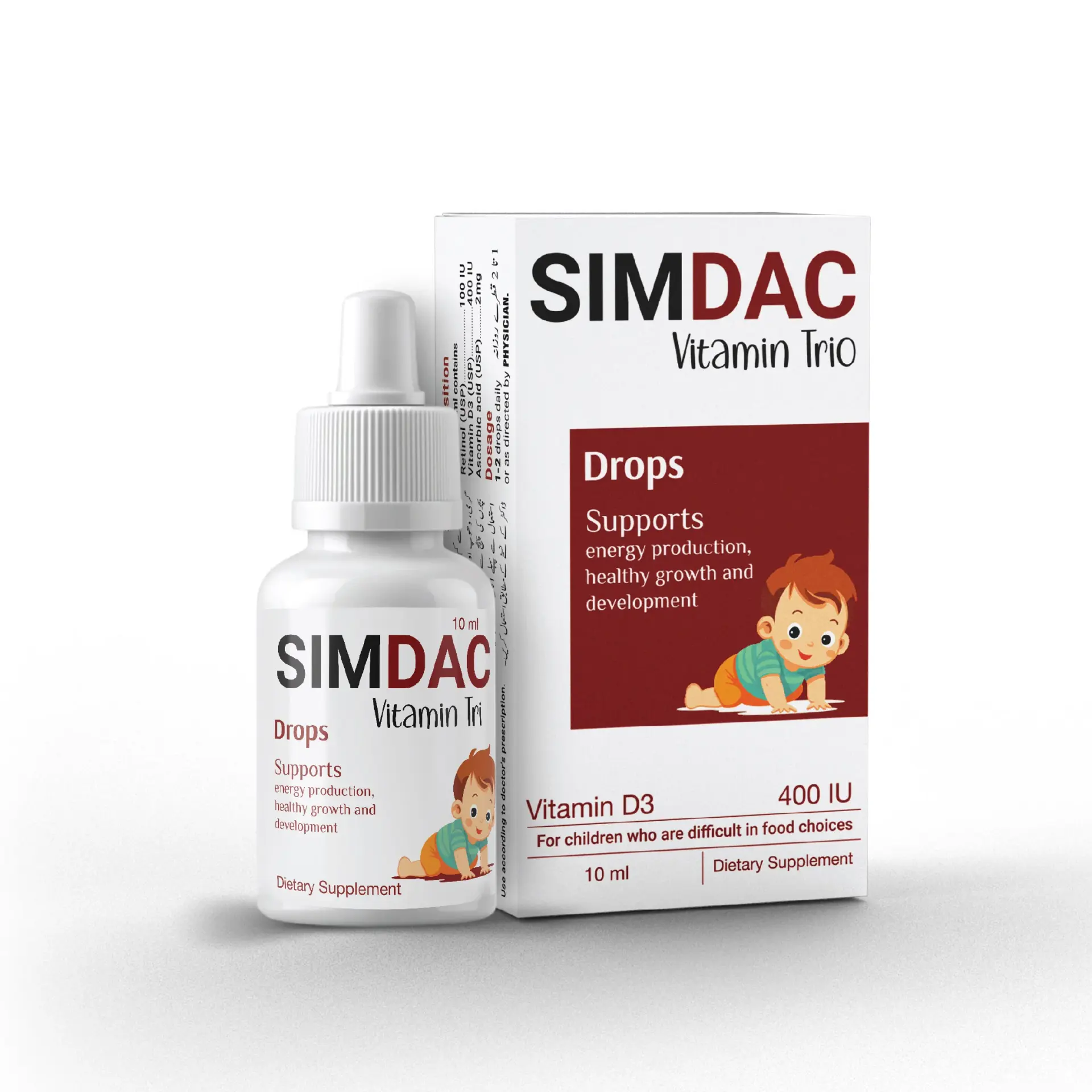
- Vitamin D drops: Simdac Drops for bone and immune support.
- Iron support: Semofer, for use on a doctor's advice.
- Zinc for immunity: SimZee Zinc Syrup.
Browse everything in kids or all wellness.
Shop Kids' Supplements →The bottom line
For most children, good food does most of the work. But a well-chosen, age-appropriate multivitamin can help fill real gaps, especially vitamin D and iron, which are common shortfalls here.
Start with your doctor's advice, then choose authentic products from our kids' range, with cash on delivery across Pakistan.
Frequently asked questions
At what age can children take a multivitamin?
Many syrups and drops are made for specific age ranges from infancy upward. Always choose an age-appropriate product and confirm with your child's doctor.
Which vitamins are most important for kids in Pakistan?
Vitamin D and iron are the most common shortfalls in Pakistani children, followed by zinc and vitamin C for immunity. A doctor can test and advise.
Are gummy vitamins good for children?
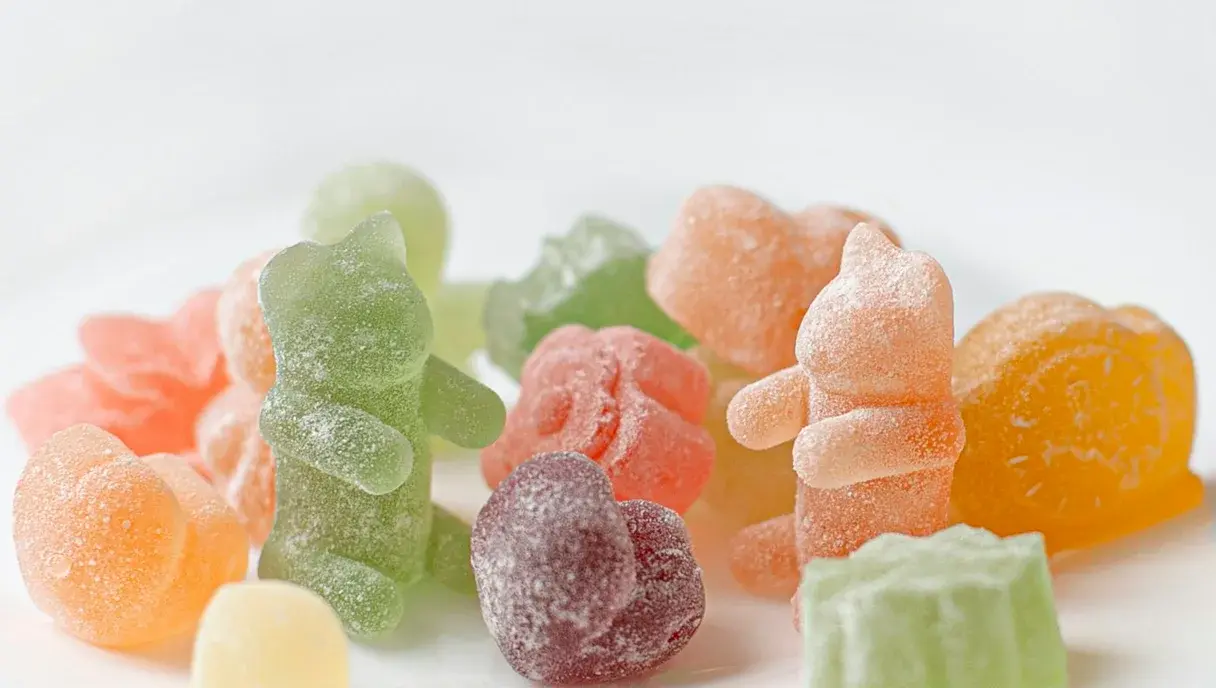
They are easy and tasty, which helps with fussy eaters. But watch the sugar and, crucially, store them out of reach, since children may mistake them for sweets.
Can a multivitamin replace healthy food?
No. A balanced diet comes first, and supplements only fill genuine gaps. Use them as a top-up, not a substitute.
How long should my child take a supplement?
That depends on the reason and should be guided by your doctor. Some are short courses to correct a deficiency, others are seasonal. Avoid giving any supplement forever without review.
Can my child take more than one supplement at once?
Only on a doctor's advice. Combining products can lead to too much of a single nutrient, especially iron or fat-soluble vitamins, so check before stacking them.
My child eats well, do they still need a multivitamin?
Often not. A child who eats a varied diet usually gets what they need from food. A multivitamin is most useful for genuine gaps, which a paediatrician can help identify.
Liked this one? Get the next in your inbox.
One fortnightly note from the editors, new pieces, restocks, and the routines we're actually using. Unsubscribe any time.