Chia Seeds in Urdu: Benefits, the Tukh Malanga Confusion, and 2026 Prices
Chia seeds have no real Urdu name, and they are not tukh malanga. How to tell the two seeds apart, the benefits that hold up, and what chia costs in Pakistan.
Half of Pakistan is buying the wrong seed. Ask for chia at a pansar store and there is a good chance you will walk out with tukh malanga, because shopkeepers use the names interchangeably and the two look similar enough in a jar. They are different plants, with different nutrition, different prices, and different jobs in your kitchen. This guide settles the confusion: what chia seeds are actually called in Urdu, how to tell them apart from tukh malanga in ten seconds, which benefits are backed by evidence, and what a fair price looks like in Pakistan. A short summary in Urdu follows the first section.
Shop the picks in this guide (4)
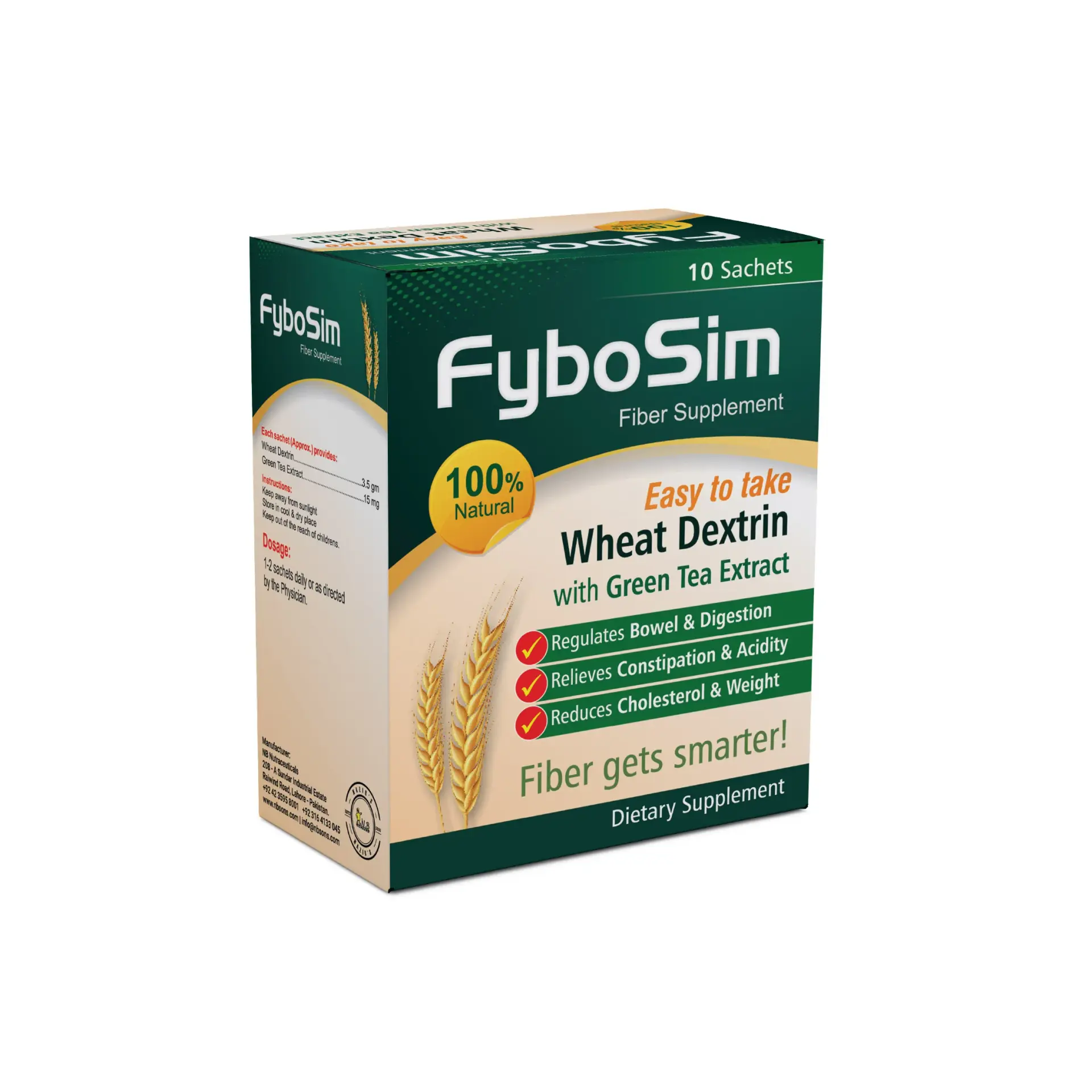
- Fybosim natural fibre sachets, Rs 390, for when a spoonful of chia is not enough fibre to keep you regular
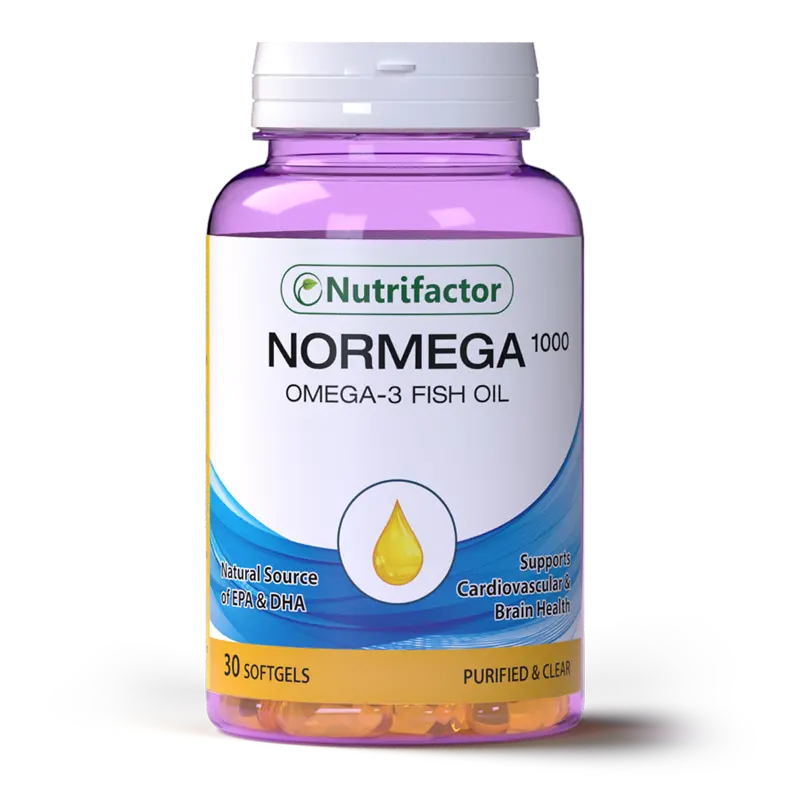
- Nutrifactor Normega 1000 fish oil, Rs 1,580, the EPA and DHA omega-3 that chia cannot give you directly
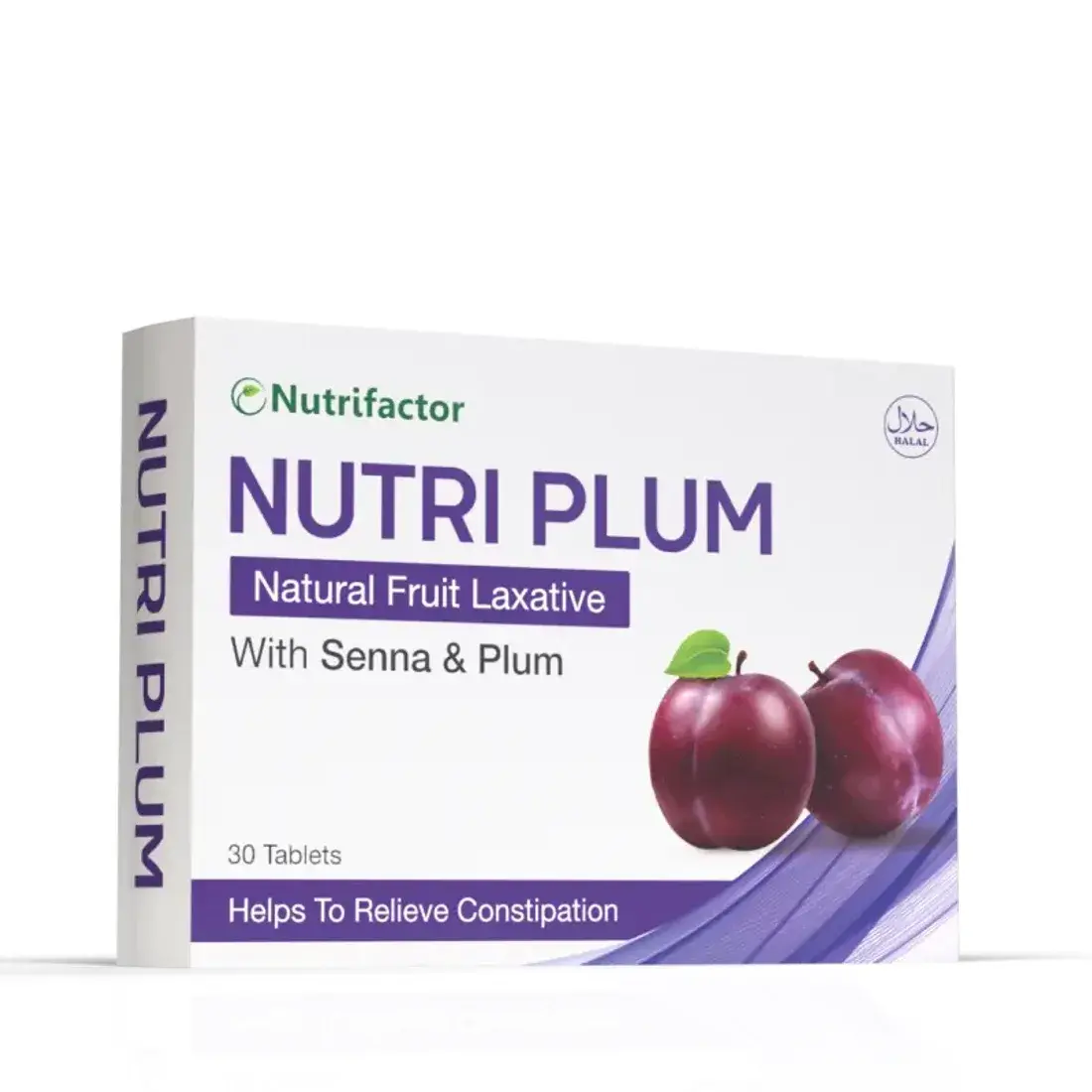
- Nutrifactor Nutri Plum, Rs 1,200, gentle overnight help for occasional constipation when diet is not enough
- Calin-G calcium with vitamin D3, Rs 420, if bones are the reason you started eating chia
What are chia seeds called in Urdu?
Here is the honest answer most articles dodge: chia seeds have no traditional Urdu name, because the plant is not ours. Chia (Salvia hispanica) is native to Mexico and Central America, and it only reached Pakistani shops in the last couple of decades. So in Urdu we simply say "chia seeds" or "chia ke beej" (چیا کے بیج). Any pansari who tells you chia is just the English word for tukh malanga is repeating a mix-up, not a translation.
Tukh malanga (تخم ملنگا), also written tukhm-e-balanga, is the seed of the sweet basil plant. Its English name is basil seeds, and in India the same seed is sold as sabja. This is the black seed our grandmothers soaked for sharbat and doodh soda long before anyone in Karachi had heard the word chia. Both seeds swell in water and both are good for you, which is exactly why the confusion survives. But they are not the same thing, and if you are paying chia prices for tukh malanga, you are being overcharged by two to three times.
چیا سیڈز اردو میں: نام، فوائد، استعمال اور احتیاط
چیا سیڈز کا کوئی پرانا اردو نام نہیں ہے، کیونکہ یہ پودا میکسیکو اور وسطی امریکہ سے آیا ہے۔ اردو میں انہیں "چیا سیڈز" یا "چیا کے بیج" ہی کہا جاتا ہے۔ تخم ملنگا ان سے الگ بیج ہے: یہ نیاز بو (سویٹ بیسل) کا بیج ہے، جسے انگریزی میں basil seeds کہتے ہیں۔
چیا اور تخم ملنگا میں فرق کیسے پہچانیں
چیا کے بیج سرمئی، سفید، بھورے اور کالے رنگ کے ملے جلے ہوتے ہیں اور پانی میں 20 سے 30 منٹ میں آہستہ آہستہ پھول کر نرم جیل بناتے ہیں۔ تخم ملنگا بالکل کالا ہوتا ہے اور تقریباً 5 منٹ میں پھول جاتا ہے، ہر بیج کے گرد سرمئی جیلی بن جاتی ہے۔ اگر آپ کے "چیا" پانچ منٹ میں پھول جائیں تو وہ غالباً تخم ملنگا ہیں۔
چیا سیڈز کے فوائد
- ہاضمہ اور قبض: دو کھانے کے چمچ (تقریباً 28 گرام) چیا میں تقریباً 10 گرام فائبر ہوتا ہے، جو ایک بالغ کی روزانہ ضرورت کا تقریباً ایک تہائی ہے۔
- پیٹ بھرا رہنا اور وزن: معدے میں بننے والا جیل دیر تک بھوک نہیں لگنے دیتا۔ یہ کم کھانے میں مدد دیتا ہے، خود وزن کم نہیں کرتا۔
- دل کی صحت: فائبر، پودوں والا اومیگا 3 (ALA) اور اینٹی آکسیڈنٹس بہتر کولیسٹرول اور بلڈ پریشر سے جڑے ہیں۔ یہ دوا کا متبادل نہیں۔
- بلڈ شوگر: یہ جیل کھانے کی شکر کو آہستہ خون میں جانے دیتا ہے، جو روٹی اور چاول والی غذا میں مفید ہے۔ شوگر کے مریض اسے علاج نہ سمجھیں۔
- ہڈیاں: چیا میں کیلشیم، میگنیشیم اور فاسفورس ہوتا ہے، لیکن کیلشیم کی اصل کمی صرف چیا سے پوری نہیں ہوتی۔
چیا سیڈز کیسے استعمال کریں
سب سے اہم اصول: ہمیشہ بھگو کر کھائیں، سوکھے بیج چمچ بھر کر نہ نگلیں۔ ایک کھانے کا چمچ ایک گلاس پانی میں ڈال کر 20 سے 30 منٹ رکھیں، چاہیں تو لیموں ملا لیں۔ دہی، لسی یا دودھ میں رات بھر بھگو کر بھی کھا سکتے ہیں۔ پہلے ہفتے روزانہ ایک چائے کا چمچ لیں، پھر آہستہ آہستہ ایک سے دو کھانے کے چمچ تک بڑھائیں، اور دن بھر پانی خوب پئیں۔
احتیاط
ایک دم زیادہ مقدار لینے سے پیٹ پھولنا اور گیس ہو سکتی ہے۔ جنہیں نگلنے میں دشواری ہو وہ خاص احتیاط کریں۔ خون پتلا کرنے، بلڈ پریشر یا شوگر کی دوا لینے والے روزانہ استعمال سے پہلے اپنے ڈاکٹر یا فارماسسٹ سے پوچھ لیں۔ حمل میں عام غذائی مقدار عموماً ٹھیک سمجھی جاتی ہے، پھر بھی ڈاکٹر کو بتا دیں۔
قیمت: اگست 2026 میں ڈرائی فروٹ کی دکانوں پر صاف چیا سیڈز تقریباً 600 سے 1,000 روپے فی 250 گرام تھے، جبکہ تخم ملنگا 300 سے 500 روپے فی 250 گرام۔
Chia seeds vs tukh malanga: how to tell them apart
You can identify each seed at the shop counter without a label:
| Chia seeds | Tukh malanga (basil seeds) | |
|---|---|---|
| Colour | Mixed grey, white, brown and black | Uniform jet black |
| Shape | Small ovals, slightly flattened | Tiny teardrops, like miniature til |
| In water | Swells slowly, 20 to 30 minutes, forms a soft gel | Swells within 5 minutes, each seed gets a grey jelly halo |
| Taste | Almost none, faintly nutty | Almost none, mild basil note |
| Known for | Fibre, protein and plant omega-3 | Cooling effect, used in sharbat and falooda |
| Typical retail price | Rs 600 to Rs 1,700 per 250g | Rs 300 to Rs 500 per 250g |
Those two price ranges are what other sellers were charging when we checked Pakistani dry fruit shops and online retailers in August 2026. We do not sell chia or tukh malanga ourselves, so treat them as a benchmark and check the shelf on the day you buy. The water test is the quickest identity check. Drop a spoonful in a glass: if the seeds balloon almost immediately, that is tukh malanga. Chia takes its time. Neither result is bad news, but you should know what you paid for.
What is actually inside chia seeds
Chia earned its reputation on nutrition density. Two tablespoons (about 28g) give you roughly 10 grams of fibre, which is close to a third of what an adult needs in a full day. The same spoonfuls carry complete protein with all nine essential amino acids, a rarity for a plant food, plus calcium, magnesium and phosphorus. Chia is also one of the richest plant sources of alpha-linolenic acid (ALA), the plant form of omega-3 fat.
One honest caveat on the omega-3 claim, because sellers love to skip it: your body converts ALA into the EPA and DHA forms it actually uses, and that conversion is inefficient. Chia is a real contribution to your omega-3 intake, but it is not a replacement for oily fish or a fish oil supplement like Nutrifactor Normega 1000 (Rs 1,580), which gives you 180mg of EPA and 120mg of DHA per softgel with no conversion step. Treat chia as a fibre and mineral powerhouse that also brings some omega-3 to the table, and you will have the right expectations.
The benefits that hold up
Strip away the superfood marketing and chia still has a strong case. Research links adequate fibre intake to a lower risk of heart disease, type 2 diabetes and digestive disorders, and chia is one of the easiest ways to add fibre to a Pakistani diet that is usually short on it.
- Digestion and constipation. Soaked chia adds soft bulk that keeps things moving. For a country that eats a lot of white atta, rice and chai, this alone justifies the jar. If constipation is a regular problem, our guide to the best fibre supplements in Pakistan covers stronger options, including fibre sachets like Fybosim at Rs 390, and Nutrifactor Nutri Plum for occasional overnight relief when diet alone is not shifting things.
- Fullness and weight control. In the stomach, chia forms a gel that slows digestion and keeps you full for longer, which quietly cuts snacking. It supports a calorie deficit; it does not create one. Check your actual daily need with our free calorie calculator, and see our natural weight loss guide for the full picture.
- Heart health. The fibre, ALA and antioxidants in chia are each associated with better cholesterol and blood pressure numbers. It is support for a sensible diet, not a substitute for prescribed medicine.
- Steadier blood sugar. The same gel slows how fast carbohydrates hit your bloodstream, a useful property when your plate is built around roti or rice. Diabetics should still count it as part of their overall plan, not a treatment.
- Bones. Chia carries meaningful calcium, magnesium and phosphorus, all three of which most Pakistani diets under-deliver. It will not close a real calcium gap on its own though: for that you want a proper tablet such as Calin-G, which pairs 500 mg of calcium carbonate with 400 IU of vitamin D3 so the calcium is actually absorbed.
How to use chia seeds (the right way)
One rule matters more than the rest: soak them first. Dry chia swells many times its size when it meets liquid, and you want that happening in a glass, not in your throat. Never swallow dry spoonfuls of chia.
- Chia water: One tablespoon in a glass of water, wait 20 to 30 minutes (or overnight in the fridge), add lemon if you like. The simplest daily habit.
- In dahi or lassi: Stir a tablespoon into yogurt at night; by morning it is a thick, filling breakfast. Works in raita too.
- Chia pudding: Three tablespoons in a cup of milk with a little honey, refrigerated overnight. Kheer texture, fraction of the sugar.
- Sprinkled: Over fruit chaat, salad, oatmeal or smoothies. Dry sprinkling is fine when the seeds are mixed into moist food in small amounts.
Start with one teaspoon a day for the first week, then build up to one or two tablespoons. Chia absorbs a lot of water, so drink properly through the day, especially in this heat.
Side effects and who should be careful
For most healthy adults, soaked chia in food amounts is safe. Three groups should pause. First, anyone who jumps straight to three tablespoons a day: that much sudden fibre causes bloating and gas, which is why you build up slowly from a teaspoon. Second, people with swallowing difficulties, and anyone tempted to eat dry seeds by the spoon. Third, people on blood thinners, blood pressure or diabetes medicine: chia can nudge the same numbers your medicine controls, so ask your doctor or pharmacist before making it a daily habit. In pregnancy, normal food amounts are generally considered fine, but mention it to your doctor like any other change.
Chia seeds price in Pakistan (2026)
Prices vary widely by brand, and the gap is mostly packaging and marketing rather than the seed itself. None of these are our products, so we cannot show you a live price: the figures below are what each seller listed when we surveyed them in August 2026, and brands move them often.
| Product | Size | Price listed, August 2026 (PKR) |
|---|---|---|
| Khan Dry Fruits chia seeds | 250g | Rs 600 |
| Khan Dry Fruits chia seeds | 1kg | Rs 2,400 |
| Superfoodie premium chia seeds | 1kg | Rs 1,947 (list Rs 2,600) |
| ChiltanPure chia seeds | 250g | Rs 1,699 |
| ChiltanPure chia seeds | 800g | Rs 2,999 |
| ChiltanPure basil seeds (tukh malanga), for comparison | 220g | Rs 500 |
On those August 2026 figures, a fair benchmark is Rs 600 to Rs 1,000 per 250g for clean, whole chia from a dry fruit seller, with branded organic jars costing more. Before buying loose seeds, check for dust, stones or a musty smell, and run the water test at home. If your "chia" balloons in five minutes, go back and have a word with your pansari.
Frequently asked questions
Are chia seeds and tukh malanga the same thing?
No. Chia comes from the Salvia hispanica plant of Mexico; tukh malanga is basil seed from the sweet basil plant. Chia has more fibre, protein and omega-3, while tukh malanga is the traditional cooling seed for sharbat. Both are healthy, but they are different seeds at different prices.
What are chia seeds called in Urdu?
There is no traditional Urdu name because the plant is foreign to our region. In Pakistan they are simply called chia seeds or chia ke beej. Tukh malanga is not the Urdu name for chia; it is a different seed.
What is tukh malanga called in English?
Basil seeds. In India the same seed is marketed as sabja seeds. If a recipe calls for basil seeds or sabja, your pansar store's tukh malanga is exactly the right thing.
Chia seeds ko Urdu mein kya kehte hain?
Urdu mein inka koi purana naam nahin, is liye inhein "chia seeds" ya "chia ke beej" hi kaha jata hai. Tukh malanga alag beej hai: woh niazbo (sweet basil) ka beej hai, jise English mein basil seeds kehte hain.
How much chia should I take daily?
One to two tablespoons a day, always soaked, is the sensible range for an adult. Start with a teaspoon in the first week so your gut adjusts to the extra fibre, and drink plenty of water.
Do chia seeds help with weight loss?
They help you stay full, which makes eating less easier. No seed burns fat on its own; weight loss still comes from a calorie deficit and movement. Use our free BMI calculator to see where you stand and set a realistic target.
Is the expensive imported chia better than local packed chia?
Usually not in any way your body can measure. Chia is chia; what you are paying extra for is branding, a jar and sometimes better cleaning. Clean seeds from a trusted dry fruit seller were going for Rs 600 to Rs 1,000 per 250g when we checked in August 2026, and at that price they are a perfectly good buy.
Do you sell chia seeds at Yellow Pink?
No, chia is a grocery item and we leave it to the dry fruit shops. What we do stock is the supplement side of the same job: fibre sachets for regularity, fish oil for the EPA and DHA chia cannot supply, and calcium with vitamin D3 for bones.
This article is for education and does not replace medical advice. Speak to a doctor or pharmacist about your own situation.
Chia is one of the rare food trends that deserves the shelf space, as long as you buy the real seed at the real price. Add a spoonful to your dahi tonight, give it two weeks, and let your digestion cast the deciding vote.
If the fibre part is what you came for and a spoonful of seeds is not doing it, Fybosim is the sachet most readers start with at Rs 390, and the rest of our digestive and gut range sits alongside it. Cash on delivery across Pakistan, and delivery is free on orders over Rs 5,000 in Punjab.
Liked this one? Get the next in your inbox.
One fortnightly note from the editors, new pieces, restocks, and the routines we're actually using. Unsubscribe any time.