How to Choose the Right Supplement: Pakistan Buyer’s Guide 2026
A practical buyer's guide to choosing the right supplement in Pakistan, from reading labels to spotting quality and value.
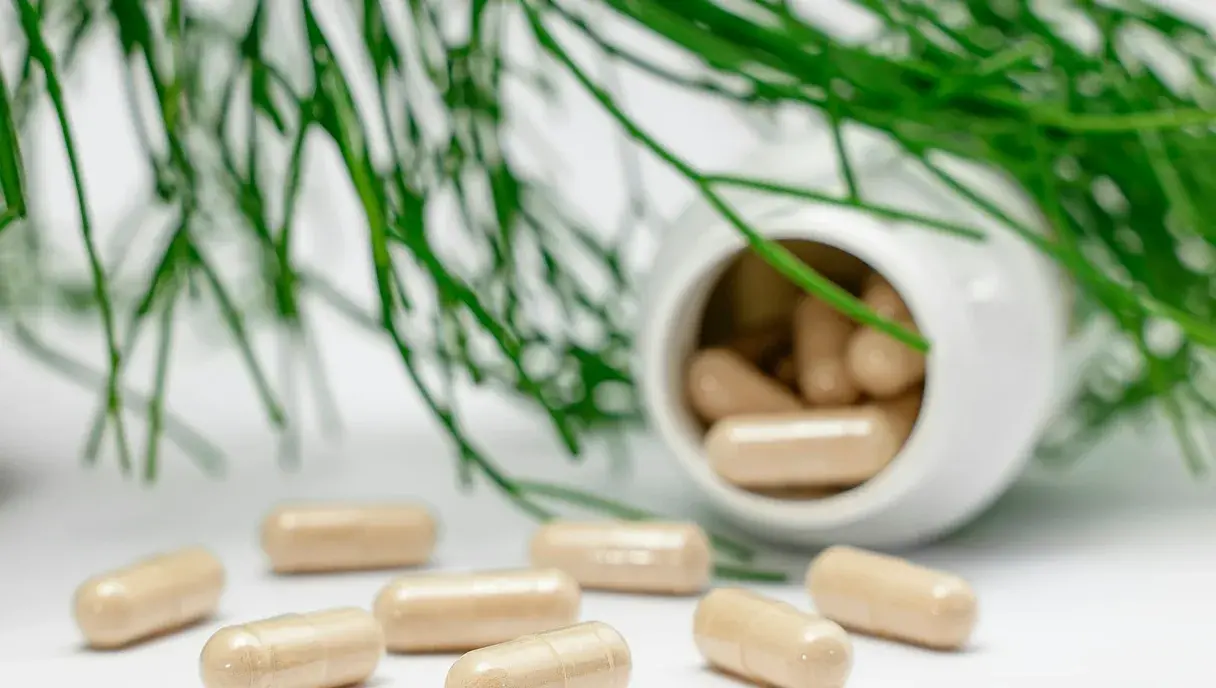
Did you know that an estimated 70 to 80% of Pakistanis are deficient in Vitamin D, despite year-round sunshine? Deficiencies like this are common, yet most people still guess when they buy supplements. This guide shows you exactly how to choose supplements Pakistan actually needs.
Pakistan's supplement market has exploded. Industry reports suggest it is now worth over PKR 50 billion and growing fast. Walk into any pharmacy in Karachi, Lahore, or Islamabad, and the shelves are packed with hundreds of options.
But here is the problem. Most people pick what a friend recommended, grab whatever is cheapest, or buy off a social media ad. Whether you have constant fatigue, hair fall, weak bones, or just want to look after your health, this buyer's guide walks you through what to look for, what to avoid, and how to make smart choices without wasting money.
Why Most Pakistanis Choose the Wrong Supplement
Let us be honest about how most supplement purchases happen in Pakistan. Someone sees a glow-up before-and-after on Instagram. Someone asks the pharmacist for "something for energy." Someone buys the brand their gym buddy swears by. These methods are not completely wrong, but they skip the most important step. Figuring out what your body actually needs.
Pakistan has some of the highest rates of micronutrient deficiency in South Asia. Vitamin D deficiency affects an estimated 70 to 80% of the population. Iron-deficiency anaemia is very common among women and children. Vitamin B12 deficiency is often ignored, yet it quietly causes fatigue, nerve issues, and mood problems in millions.
Despite this, most people treat these issues with generic multivitamins or trendy supplements that may not address their actual gaps at all. The result? Wasted money, zero results, and sometimes side effects from supplements you never needed.
Step 1: Identify Your Actual Deficiency
Before you spend a single rupee, get a blood test. A basic panel covering Vitamin D, B12, iron (ferritin), and CBC (complete blood count) costs around PKR 2,000 to 4,000 at most labs. That is cheaper than one month's supply of a supplement you may not even need.
Common symptoms and what they might point to:
- Fatigue and low energy: Vitamin D, B12, iron, or general nutritional gaps
- Hair fall and brittle nails: Biotin, zinc, iron, or protein deficiency
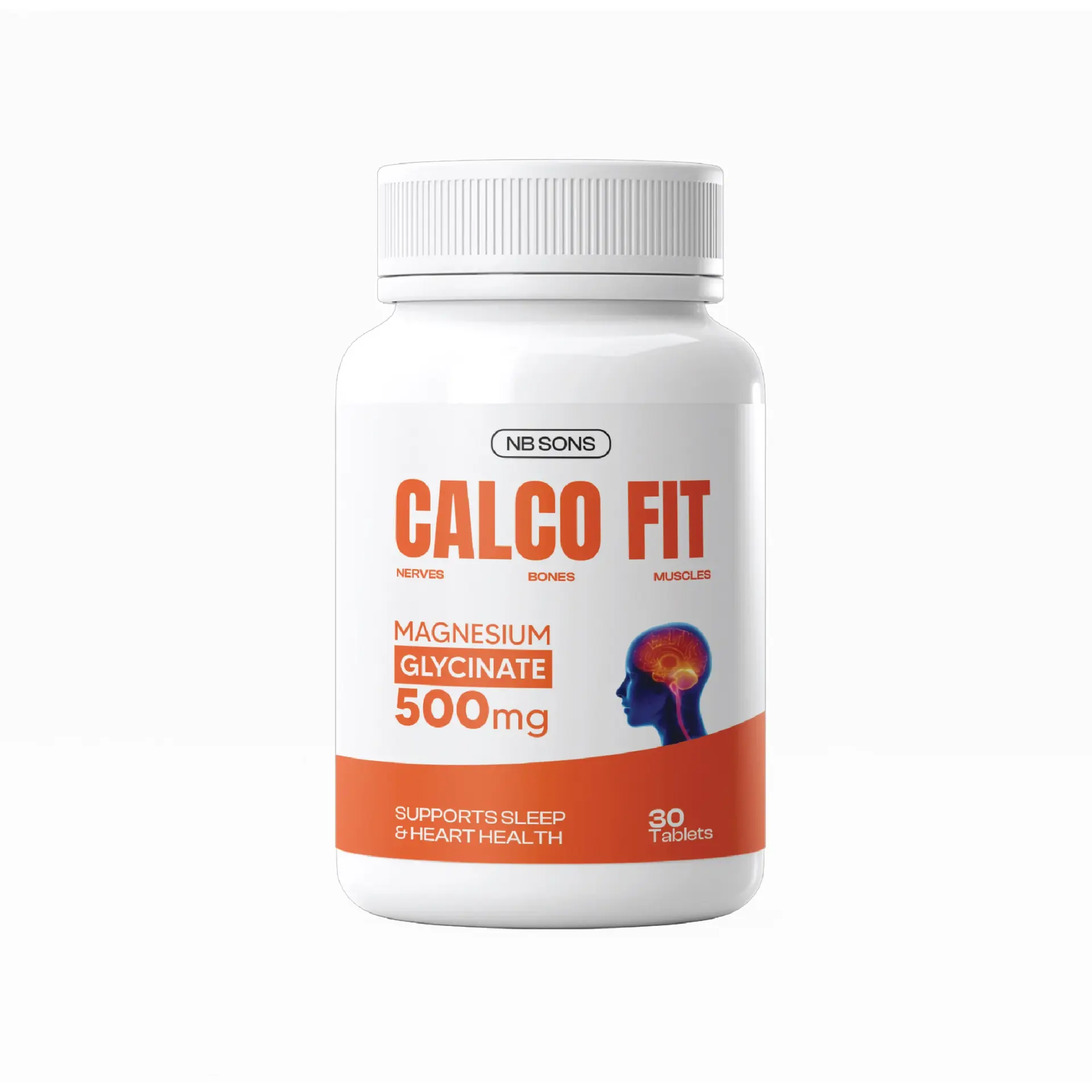
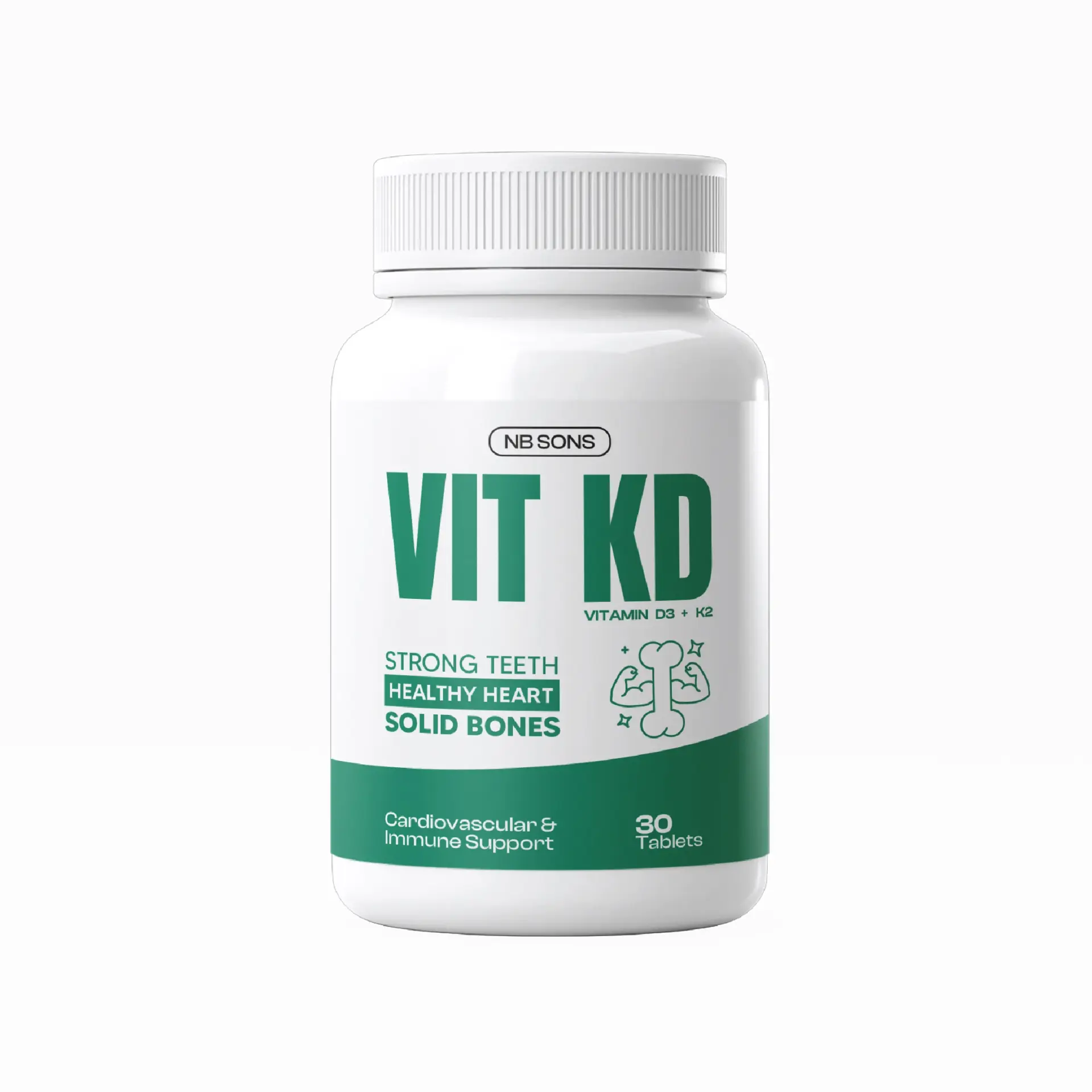
- Weak bones or joint pain: Calcium, Vitamin D, Vitamin K2, consider Calco Fit or Vit KD
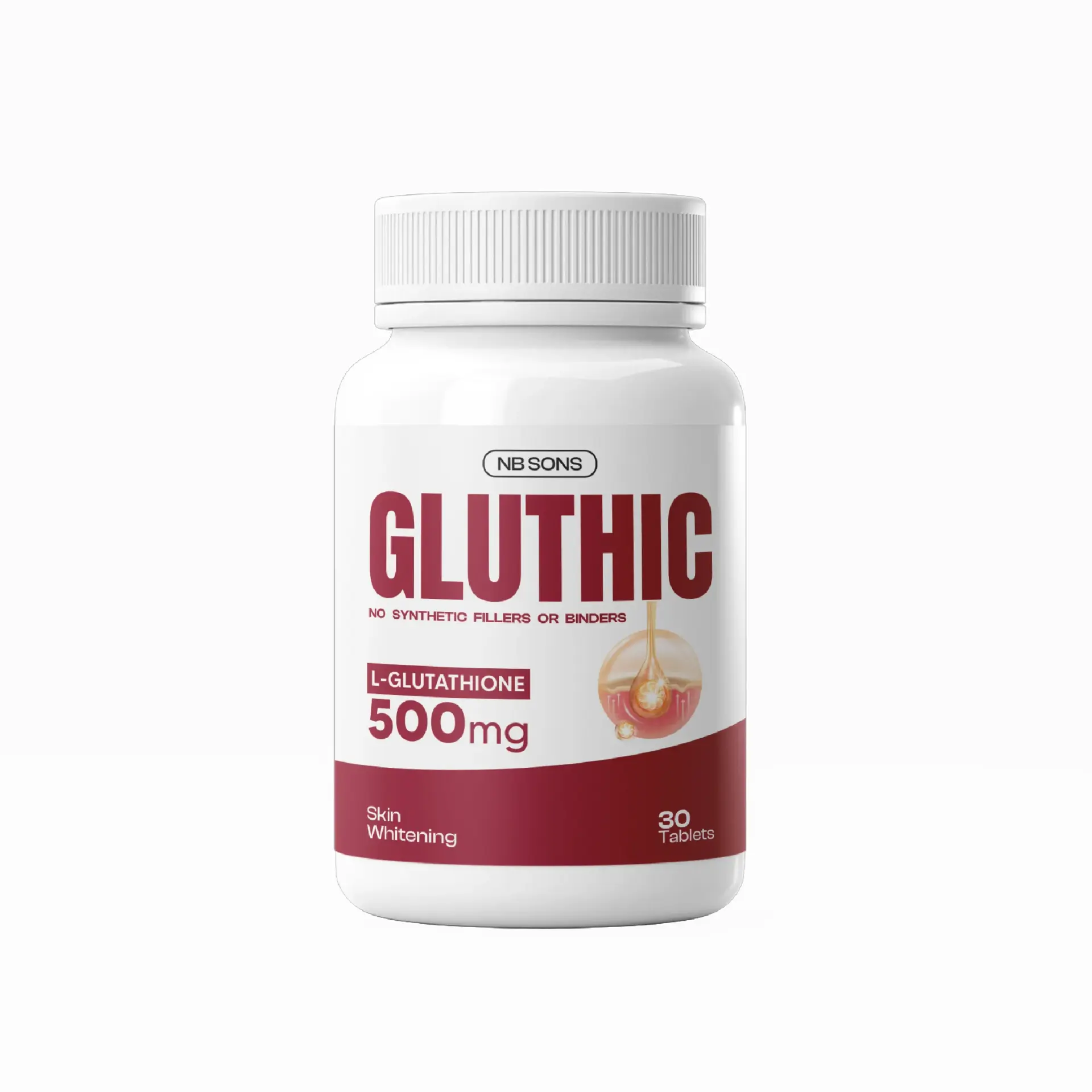
- Skin dullness or hyperpigmentation: Glutathione, Vitamin C, Gluthic is worth looking into
- Digestive issues or bloating: Fibre, probiotics, Fybosim may help
- Fertility concerns in men: L-arginine, antioxidants, check out Argivital or X-Fit
- PCOS or female hormonal issues: Myo-inositol, folate, M-Sol is designed specifically for this
- Hair thinning (men): Consider MORR, which targets scalp health
Do not self-diagnose serious conditions. If symptoms are severe or persistent, see a doctor before starting any supplement.
Step 2: Read the Label (What to Look For)
Most people in Pakistan skip the label entirely. That is a mistake. Here is what actually matters:
Active Ingredient and Dosage
Check the amount of the active ingredient per serving. For Vitamin D, the therapeutic dose for deficiency is usually 1000 to 4000 IU daily. Many cheap multivitamins have only 200 to 400 IU, which is barely enough to maintain existing levels. Always match the dose to what your doctor or blood test suggests.
Form of the Nutrient
This one surprises people. Not all forms of a nutrient are absorbed equally. For example:
- Magnesium glycinate absorbs better than magnesium oxide
- Methylcobalamin (B12) is used better than cyanocobalamin
- Ferrous bisglycinate causes less constipation than ferrous sulfate
- Vitamin D3 (cholecalciferol) is more effective than D2
Additives and Fillers
Look for unnecessary artificial colours, sweeteners, or binders. High-quality supplements keep this list short. If the inactive ingredients list is longer than the active one, that is worth questioning.
Expiry Date and Manufacturing Info
In Pakistan, some supplements sit on pharmacy shelves for years. Always check the expiry. Also look for DRAP (Drug Regulatory Authority Pakistan) registration where it applies. It is not required for all supplements, but it is a positive sign for quality assurance.
Step 3: Match the Supplement to Your Life Stage
Your nutritional needs change at different stages of life. A 22-year-old gym guy needs something very different from a 45-year-old mother of three, or a 60-year-old man with joint pain. Here is a practical breakdown:
Teenagers and Young Adults (15-25)
Focus on bone health, energy, and immune function. Iron is especially important for young women. Vitamin D and calcium during these years literally build the bone density you will rely on for the rest of your life.
Women in Reproductive Years (20-40)
Iron, folate, and Vitamin D are priorities. Women with PCOS often benefit from myo-inositol. If you are trying to conceive, start prenatal-type nutrition early. M-Sol is designed specifically for hormonal balance and PCOS support.
Men Focused on Fitness or Fertility (20-40)
Zinc, magnesium, B vitamins, and amino acids become relevant. L-arginine supports circulation and performance. Argivital combines L-arginine with key cofactors for men's health, while X-Fit supports vitality and reproductive wellness.
Adults Over 40
Bone density, joint health, and cardiovascular support become priorities. Vitamin K2 works alongside Vitamin D to direct calcium into bones rather than arteries. Vit KD combines both in one formula. For joint support, Calco Fit provides targeted calcium and joint nutrients.
Step 4: Understand Quality Signals in Pakistan
The Pakistani supplement market has improved a lot, but quality still varies a lot. Here is how to separate the good from the mediocre:
- Local pharmaceutical-grade brands: Companies with a pharmaceutical manufacturing background tend to have better quality controls than random import brands
- Transparent formulations: Good brands list exact amounts of each ingredient. A "proprietary blend" without amounts is a yellow flag
- Reasonable price points: Very cheap supplements, under PKR 200 for a month's supply, almost always cut corners on ingredient quality or dose
- Clinical backing: Some products like Gluthic are formulated with bioavailability in mind, using glutathione forms that actually get absorbed
- Healthcare professional trust: Products recommended by doctors and gynaecologists in Pakistan tend to have earned that credibility through consistency
Who Needs What: Quick Reference Table
| Who You Are | Common Deficiency | Recommended Supplement | Product to Consider |
|---|---|---|---|
| Woman with PCOS / hormonal issues | Myo-inositol, folate, Vitamin D | Inositol + folate complex | M-Sol |
| Man with fertility concerns | Zinc, L-arginine, antioxidants | Male fertility formula | Argivital, X-Fit |
| Anyone with fatigue/low energy | Vitamin D, B12, iron | Test first, then target | Vit KD |
| Adult with joint or bone pain | Calcium, Vitamin D, K2 | Calcium + Vitamin D + K2 | Calco Fit, Vit KD |
| Anyone with skin dullness | Glutathione, Vitamin C | Glutathione formula | Gluthic |
| Man with hair thinning | DHT sensitivity, nutritional gaps | Hair health formula | MORR |
| Anyone with bloating/constipation | Fiber, gut flora | Fiber supplement | Fybosim |
Red Flags to Avoid
Once you know what to look for, it is just as important to know what to run from:
- Miracle claims: "Lose 10kg in 10 days" or "cure your diabetes naturally" are not supplement claims. They are illegal health claims and a sign of a dishonest brand
- No ingredient list: Any supplement that will not tell you exactly what is in it has something to hide
- Copied or counterfeit products: Buy from trusted pharmacies or official brand websites. Pakistan has a significant counterfeit supplement problem, especially for imported brands
- Unverified social media brands: An Instagram page with 50K followers does not equal product quality. Look for a physical presence, clear contact info, and verifiable manufacturing
- Combinations that cancel out: Some nutrients compete for absorption. Taking calcium and iron together, for example, reduces absorption of both. Quality brands account for this in their formulations
- Too many supplements at once: Starting five new supplements at the same time makes it impossible to know what is working or causing side effects
Final Thoughts: Smart Supplementation in Pakistan
Learning how to choose supplements Pakistan actually needs is not complicated, but it does take a bit of intention. Test before you supplement. Read the label. Match your choice to your life stage and actual deficiencies. Buy from brands that are transparent about what is in their products.
Pakistan's supplement landscape has grown up a lot. You do not need to import expensive foreign brands when well-formulated, pharma-grade local options exist. YellowPink's range, including Argivital, Gluthic, M-Sol, X-Fit, Calco Fit, Vit KD, MORR, and Fybosim, is built specifically for Pakistani needs, with formulations that address the deficiencies common in our population.
Start with knowledge. Supplement with purpose. Your health is worth that extra ten minutes of research.
This article was written and medically reviewed to our medical review board standards and is for general guidance, not personal medical advice. Always speak to a doctor or pharmacist about your own situation.
Shop All Supplements →Frequently asked questions
Do I need a prescription to buy supplements in Pakistan?
Most supplements in Pakistan are available over-the-counter without a prescription. However, higher-dose therapeutic products, like high-dose Vitamin D injections or iron infusions, do require one. For standard supplements, you can buy freely. Even so, consulting a doctor before starting is always a good idea.
Are local Pakistani supplement brands as good as imported ones?
Many local brands have improved their quality significantly in recent years. In fact, some Pakistani pharmaceutical companies produce supplements to international standards. Local brands also tend to be much more affordable without sacrificing efficacy. YellowPink products, for example, are formulated specifically for Pakistani health needs and made to pharmaceutical-grade standards.
How long should I take a supplement before seeing results?
It depends on the supplement and your starting point. Vitamin D and iron levels usually take 2 to 3 months of consistent use to normalise. Skin-related supplements like glutathione may take 4 to 8 weeks for visible changes. Hair supplements usually need 3 to 6 months. Do not give up too early, but do retest your levels to confirm progress.
Can I take multiple supplements together?
Some combinations work well together, like Vitamin D and K2, or iron and Vitamin C. Others interfere with each other, like calcium and iron, or zinc and copper in high doses. If you take more than two or three supplements, it is worth checking for interactions or asking a pharmacist.
When should I see a doctor instead of self-supplementing?
See a doctor if you have symptoms lasting more than a few weeks, extreme fatigue, unexplained weight changes, significant hair loss, or if you are pregnant or planning to become pregnant. Also consult a doctor if you are on any medication, since some supplements interact with drugs like blood thinners, thyroid medication, or antidepressants.
Liked this one? Get the next in your inbox.
One fortnightly note from the editors, new pieces, restocks, and the routines we're actually using. Unsubscribe any time.