Best Cough Syrup in Pakistan: Dry, Wet & Herbal Options Compared (2026)
Best cough syrup in Pakistan compared: FINKuff, Simrid and Pelargonium Ivy Leaf for dry or chesty coughs, plus home remedies and when to see a doctor.

A cough turns up with the season in Pakistan, when the weather flips and smog settles over cities like Lahore and Karachi. Most people reach for whatever the pharmacy counter hands over, but not every cough syrup in Pakistan does the same job, and picking the wrong one can leave you coughing for longer than you need to. This guide compares the cough syrups we actually stock, explains the difference between a dry and a wet cough, and helps you choose sensibly.
Shop the picks in this guide (3)
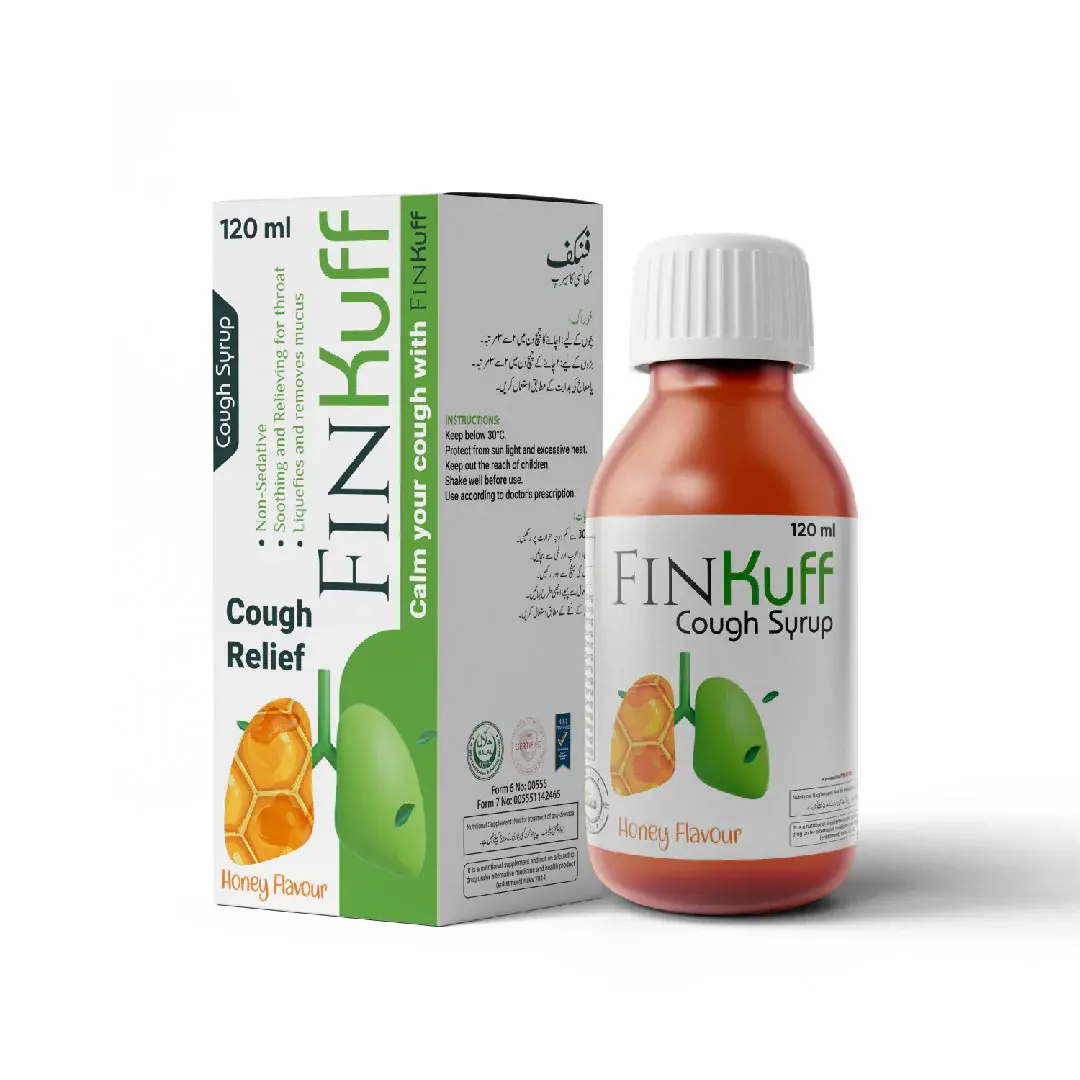
- FINKuff Cough Syrup for Adults & Kids, Rs 950, one bottle for a dry or a productive cough in a mixed household
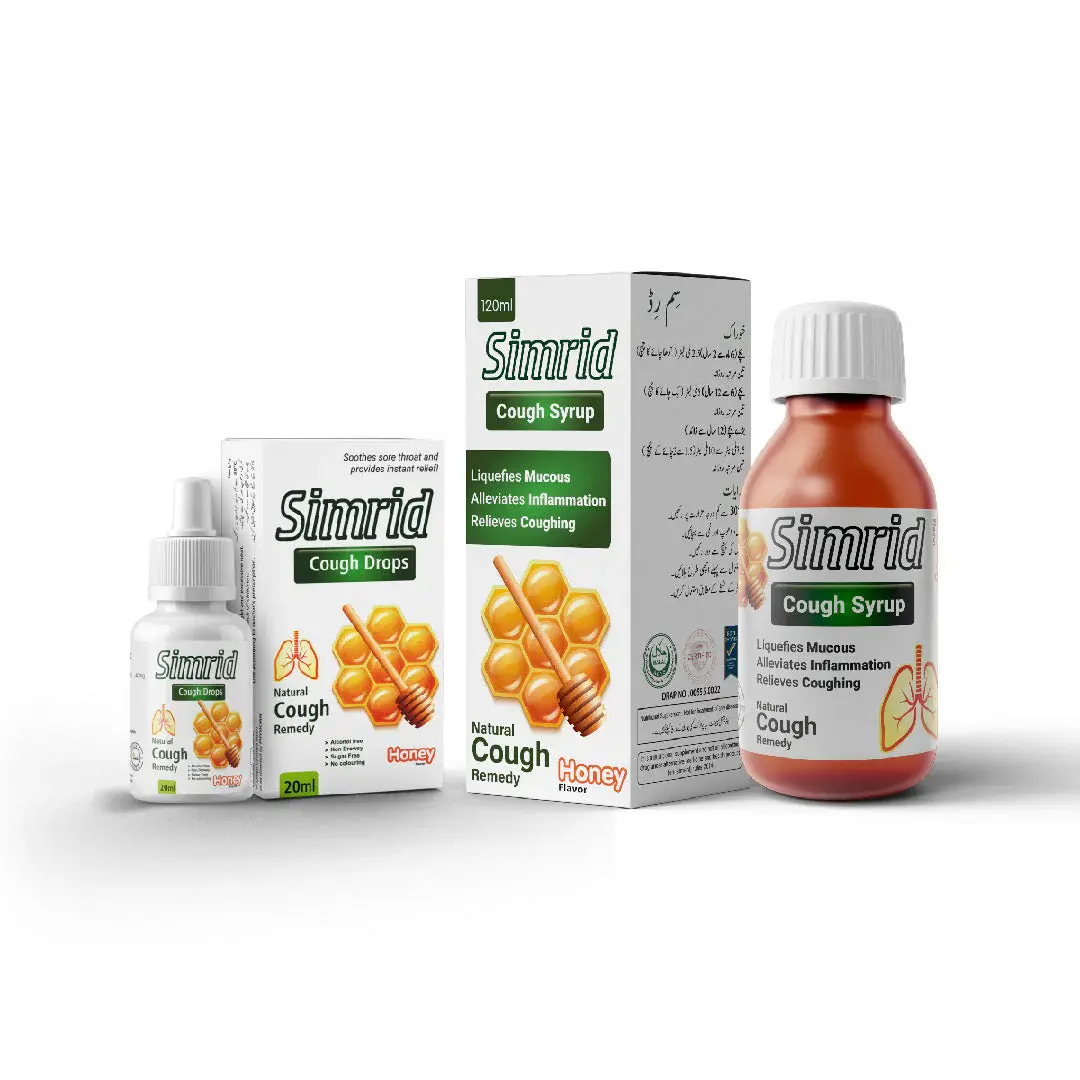
- Simrid Ivy Leaf Syrup & Drops, Rs 250, the budget pick for a chesty cough, with drops for younger children
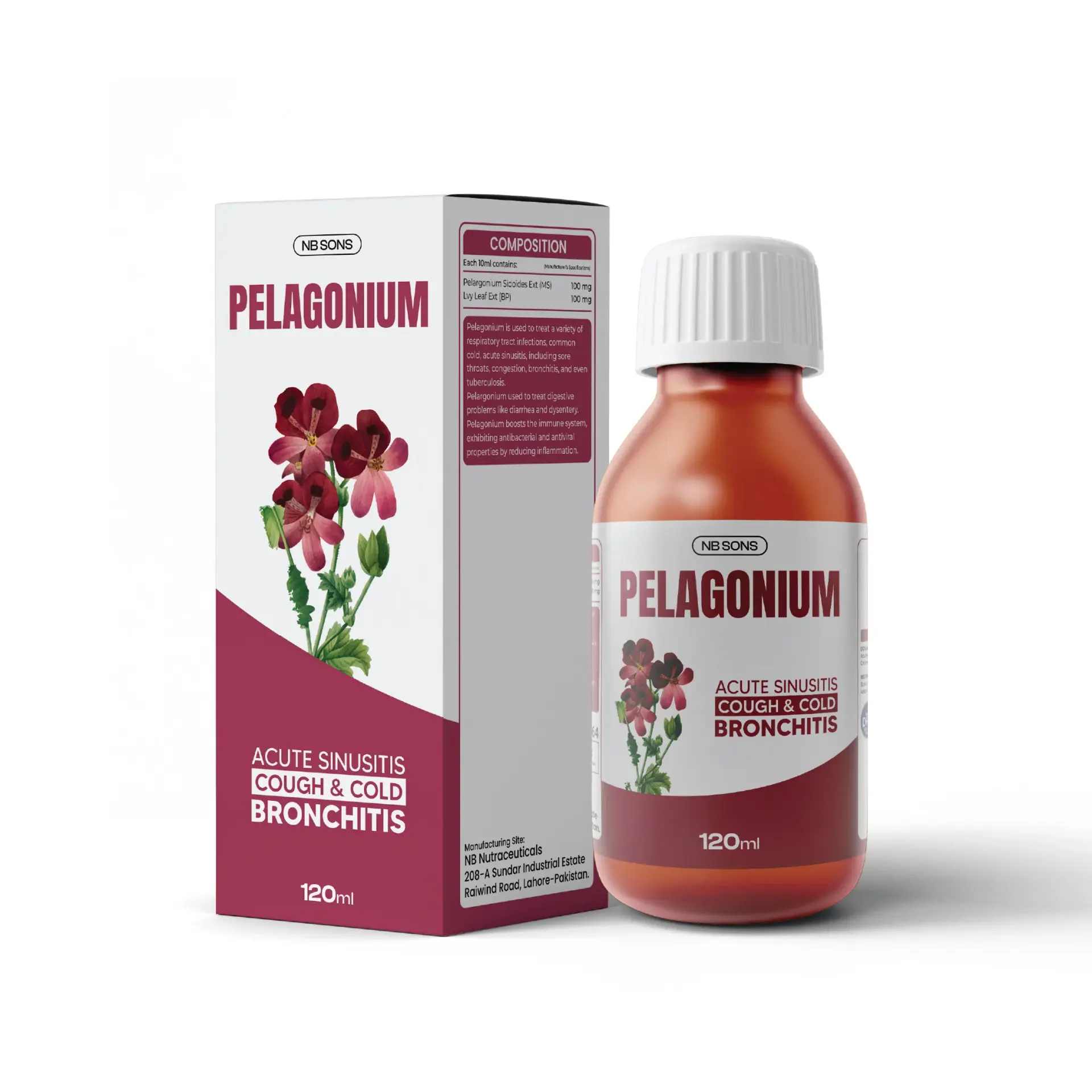
- Pelargonium & Ivy Leaf Cough Syrup, Rs 350, for a tight chest where the mucus will not shift
Dry cough vs wet cough: why the type matters
Not all coughs are the same, and the syrup that helps one type can be the wrong choice for another.
A dry cough is tickly and does not bring up mucus. It is often triggered by throat irritation, viral infections, allergies, or dust and smog exposure, which is common in Pakistani cities during winter. For this kind, a soothing syrup is usually more comfortable, because it calms the urge to cough.
A wet or productive cough brings up mucus from the chest. Here, the goal is different. You generally want an expectorant, something that loosens and thins mucus so it clears more easily, rather than something that suppresses the cough completely. Cleveland Clinic draws the same line: expectorants thin mucus so you can cough it out, while suppressants calm the part of the brain that tells you to cough.
Using the wrong type is not dangerous, but it is often ineffective. Suppressing a chesty cough completely can leave mucus sitting in the airways for longer.
What to check before you buy
Three things decide which bottle is right for you: whether the cough is dry or chesty, who in the house will be taking it, and what you want to spend. Most people skip the first question entirely and buy on price or on the name they recognise, which is how a chesty cough ends up being treated with something meant to soothe a tickly throat.
Below, we compare the three cough syrups in our own catalogue honestly, including where each one falls short.
Option 1: FINKuff, the general-purpose all-rounder
FINKuff Cough Syrup for Adults & Kids is priced at Rs 950 and is a herbal blend, with tulsi, vasaka, licorice, clove, cardamom and ginger extracts among others. It is made for both adults and children, which makes it a practical single bottle for a household that does not want a separate product for every family member.
It suits people who want one dependable syrup at home without researching cough types in detail. Its herbal extracts are used to soothe throat irritation in a dry cough and to help loosen mucus in a productive one, so it is a reasonable starting point for general khansi ka syrup needs when you are not sure which kind you have.
It costs more than the other two options here. Take the dose marked on the pack, and check with a paediatrician before giving it to a very young child.
Option 2: Simrid Ivy Leaf Syrup, budget herbal expectorant
Simrid Ivy Leaf Syrup & Drops costs Rs 250, making it the most affordable option we stock. It is an ivy leaf preparation, which means it is best suited to a wet or chesty cough where mucus needs loosening, not a dry, tickly one. It comes as a 120 ml syrup for adults and older children and as 20 ml drops for younger children, so the same brand covers both.
The syrup carries 35 mg of ivy leaf (Hedera helix) extract per 5 ml, and the drops 40 mg per 1 ml. Ivy leaf is a familiar name on Pakistani cough shelves, and its natural saponins are the reason it is used to thin chest mucus so it is easier to bring up. There is nothing sedating in it, which matters if you need to take a dose before work or school.
We would not recommend it as the first choice for a purely dry, non-productive cough, since an expectorant is not designed for that symptom pattern. Anyone with a known plant allergy should take it only on professional advice.
Option 3: Pelargonium and Ivy Leaf, for a tight chest
Pelargonium & Ivy Leaf Cough Syrup is priced at Rs 350 and combines pelargonium sidoides with ivy leaf extract. It sits between the other two on price and is the pick for a tight, chesty cough that leaves mucus sitting on the chest.
Like Simrid, it leans herbal and suits a chesty, productive cough rather than a dry one, though it also helps a sore throat feel more comfortable. It is made for adults and older children: the NHS lists pelargonium as a herbal cough option suitable for people aged 12 or over, so check the pack before giving it to a younger child.
Comparison table: which cough syrup fits your symptoms
| Product | Type | Best for | Price | Age suitability |
|---|---|---|---|---|
| FINKuff Cough Syrup | Herbal syrup, general-purpose | General cough, unsure symptom type, whole family | Rs 950 | Adults and kids, dose marked on the pack |
| Simrid Ivy Leaf Syrup & Drops | Herbal expectorant | Wet or chesty cough, budget-conscious buyers | Rs 250 | Syrup for adults and older children, drops for younger children |
| Pelargonium & Ivy Leaf Cough Syrup | Herbal, pelargonium plus ivy leaf | Tight chest, mucus that will not shift | Rs 350 | Adults and older children, check the pack |
If we had to summarise it in one line: choose FINKuff when you want one reliable option for the household, choose Simrid when cost matters most and the cough is chesty, and choose the Pelargonium and Ivy Leaf syrup when the chest feels tight and congested.
Home remedies that complement your syrup
A good cough syrup for adults works best alongside simple home care. None of these replace medicine, but they can ease discomfort.
- Warm honey and lemon in water can soothe an irritated throat between doses. The NHS says hot lemon and honey can have a similar effect to cough syrup.
- Staying well hydrated with warm fluids helps thin mucus naturally.
- Steam or a humidifier can ease dryness in the airways, especially in air-conditioned rooms.
- Avoiding smoke, dust and strong fragrances reduces further irritation.
- Resting your voice and getting enough sleep supports recovery.
Honey should never be given to infants under one year of age due to the risk of infant botulism.
When a cough needs a doctor, not just a syrup
The NHS says a cough usually clears up on its own within three to four weeks. Some symptoms mean you should stop self-treating and see a doctor promptly.
- A cough lasting more than three weeks without improvement.
- Coughing up blood or blood-streaked mucus.
- Difficulty breathing, wheezing or chest pain.
- A cough that is very bad or is getting worse quickly.
- A baby under three months old with a temperature of 38C or higher, which the NHS says needs urgent advice.
- Unexplained weight loss alongside a persistent cough.
These red-flag symptoms deserve a same-day medical opinion rather than another bottle from the pharmacy shelf. The NHS cough guidance and the Cleveland Clinic overview on cough both set out similar red flags and are useful references if you want to read further.
Cough syrup for kids: what to keep in mind
Children's coughs are usually caused by common colds and settle on their own. Always check the minimum age on the label before giving any syrup to a child, and never exceed the stated dose. The NHS points out that some cough medicines should not be given to children under 12 at all, which is why the age line on the pack matters more than the brand.
If you already have a young child at home, our guide to the best multivitamin for kids in Pakistan covers general paediatric wellness alongside cough season.
Cough syrup and your wider immune health
Cough syrups ease symptoms. They do not replace a healthy immune system. Pakistan's dusty spring season and sudden weather shifts both raise the chance of catching something that starts as a tickly throat and becomes a full cough.
For a broader look at supporting your body through cough and cold season, see our guides on immunity boosting supplements for spring and natural relief for spring allergies in Pakistan, since allergy-related throat irritation is often mistaken for a cough that needs syrup alone.
Why we recommend FINKuff as our main pick
Of the three, FINKuff is our main recommendation for most households, because one bottle is meant to cover both a dry cough and a chesty one, and the same syrup is dosed for adults and for children. If your cough is clearly chesty and you want a lighter, herbal, cheaper option instead, Simrid or the Pelargonium and Ivy Leaf syrup are honest alternatives rather than lesser ones.
This article was written and medically reviewed to our medical review board standards and is for general guidance, not personal medical advice. Always speak to a doctor or pharmacist about your own situation.
Shop FINKuff Cough Syrup →Related guides
Still not sure which bottle to order? Start with FINKuff Cough Syrup if the household needs one syrup that covers both a dry and a chesty cough, or browse the full cough and respiratory range to compare them side by side. We ship across Pakistan with cash on delivery, and delivery is free on orders over Rs 5,000 in Punjab.
Frequently asked questions
What is the best cough syrup for dry cough in Pakistan?
For a dry, tickly cough without mucus, a general-purpose syrup like FINKuff is often more suitable than a herbal expectorant, since expectorants are designed to loosen mucus rather than soothe an irritated throat.
Is Simrid good for a dry cough?
Simrid is an ivy leaf preparation, so it is better matched to a wet, chesty cough. For a purely dry cough, a general-purpose option is usually a better fit.
Can adults and children use the same cough syrup?
Some products, including FINKuff, are formulated for both adults and children, but always check the label for age-specific dosing before giving any syrup to a child. The NHS notes that some cough medicines are not suitable for children under 12.
How long should a cough last before I see a doctor?
The NHS says most coughs clear up on their own within three to four weeks. If yours continues beyond three weeks, or comes with blood, breathing difficulty or chest pain, see a doctor rather than continuing self-treatment.
Are herbal cough syrups like Simrid and Pelargonium Ivy Leaf safe?
They are widely used as herbal respiratory support, but as with any supplement, check the label for age suitability and speak to a pharmacist if you are pregnant, breastfeeding or taking other medication.
What home remedies help alongside a cough syrup?
Warm honey and lemon, staying hydrated, using a humidifier and avoiding smoke or dust can all ease symptoms, but they work best alongside, not instead of, an appropriate syrup.
Can I give honey to a baby with a cough?
No. Honey should never be given to infants under one year old because of the risk of infant botulism. A baby under three months old with a temperature of 38C or higher needs urgent medical advice regardless of remedy.
Liked this one? Get the next in your inbox.
One fortnightly note from the editors, new pieces, restocks, and the routines we're actually using. Unsubscribe any time.