Immunity Boosting Supplements for Spring: Complete Guide
The best immunity boosting supplements for spring in Pakistan, plus simple habits to stay well through allergy and cold season.
Did you know? Studies suggest more than 70% of Pakistani adults are low in Vitamin D, even in our sunny climate. That matters most in spring, when winter has drained your reserves and your immune system is under pressure. This guide covers the immunity boosting supplements that matter most for spring in Pakistan.
Spring here is complicated. The weather turns pleasant and the jacaranda trees bloom across Islamabad. But for many Pakistanis, the air also fills with pollen.
Energy dips. Colds keep circulating. The body struggles to keep up. Winter has depleted key nutrients, the temperature swings are abrupt, and the immune system is working overtime.
The right supplements can genuinely help here. Not in a vague, marketing way, but in a specific, evidence-backed sense. Certain nutrients are foundational to immunity. Deficiencies in them are common in Pakistan for documented reasons. Restoring them has measurable effects on how well the body defends itself.
Why Spring Is an Immune-Vulnerable Season in Pakistan
Most people think of winter as the sick season. In many ways it is. But spring brings its own immune challenges that often go unnoticed.
First, there is the post-winter nutrient dip. Vitamin D is built up through sun exposure, and levels usually hit their annual low at the end of winter. Even in sunny Pakistan, winter means less time outdoors. More time in offices and homes. Vitamin D levels end up well below optimal.
Second, spring is allergy season in a very real way. The paper mulberry tree spread aggressively across our cities over recent decades. It releases huge amounts of pollen from late February through April.
This keeps the immune system in a state of chronic activation. That can paradoxically exhaust the resources available for fighting real pathogens. People battling seasonal allergies are often more open to respiratory infections at the same time.
Third, the transition itself is stressful for the body. Warm days and cold nights, shifting humidity, and changes in eating patterns all play a part. This is especially true post-Ramadan, when many people’s nutrition routines are in flux. Together they create conditions where immune gaps turn into actual illness.
The good news is that targeted supplementation during this window has a solid evidence base. Here is what actually works.
Vitamin D: The Foundation of Spring Immunity
If there is one supplement Pakistani adults need in spring, it is probably Vitamin D. Multiple studies on Pakistani populations have found deficiency rates above 70% in adults, even in sunny regions.
The reasons are well understood. Darker skin tones need more sun exposure to make the same amount of Vitamin D. Cultural dress reduces the skin exposed to sun. Much of the population works indoors. Air pollution in cities like Lahore and Karachi also cuts UV penetration.
Vitamin D is not just a bone nutrient. It is a steroid hormone that regulates hundreds of genes, including many that govern immunity.
It activates T-cells and macrophages, the front-line defenders against pathogens. It also calms inflammation, helping prevent the kind of overreaction that makes viral illness worse. Low Vitamin D is consistently linked with more frequent and more severe respiratory infections.
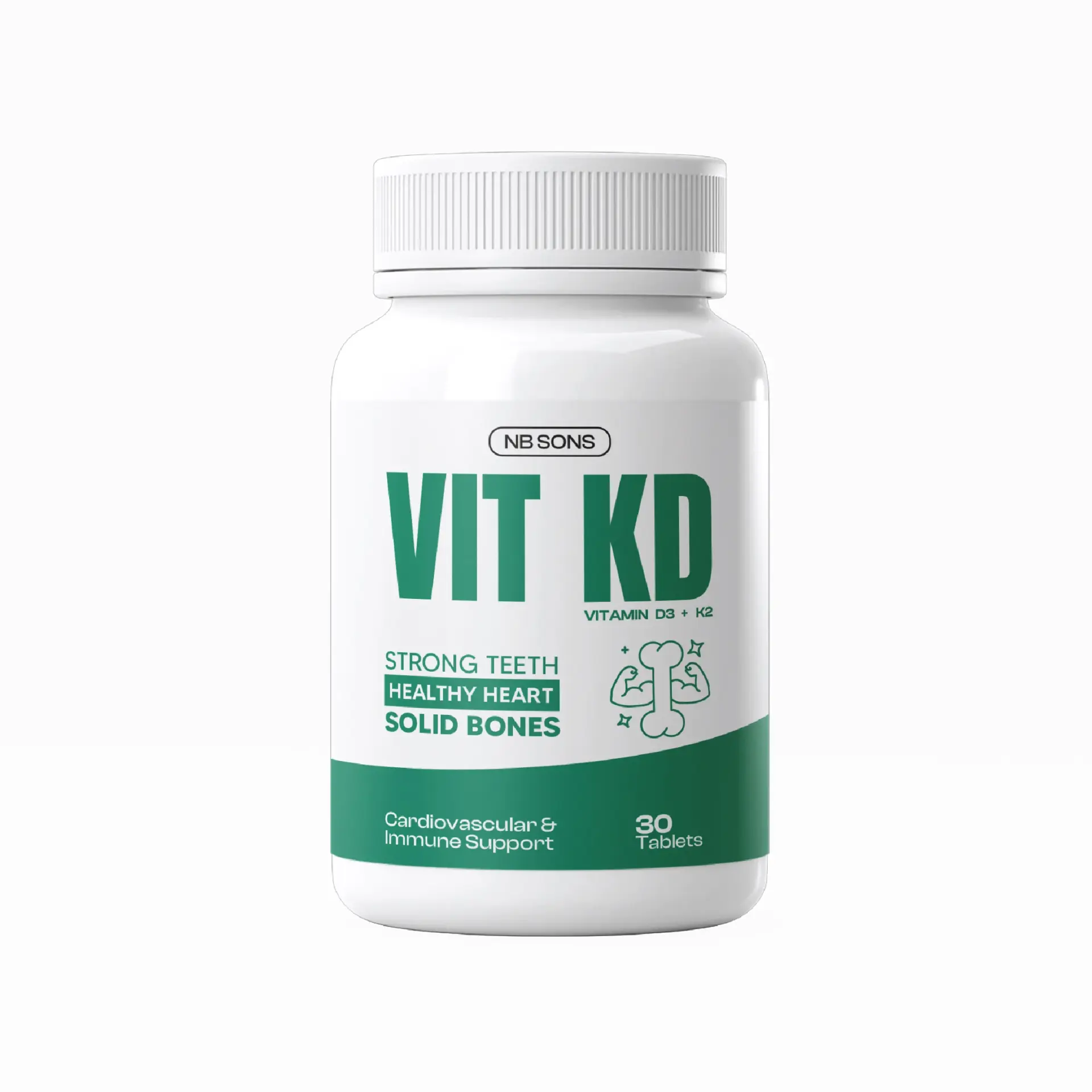
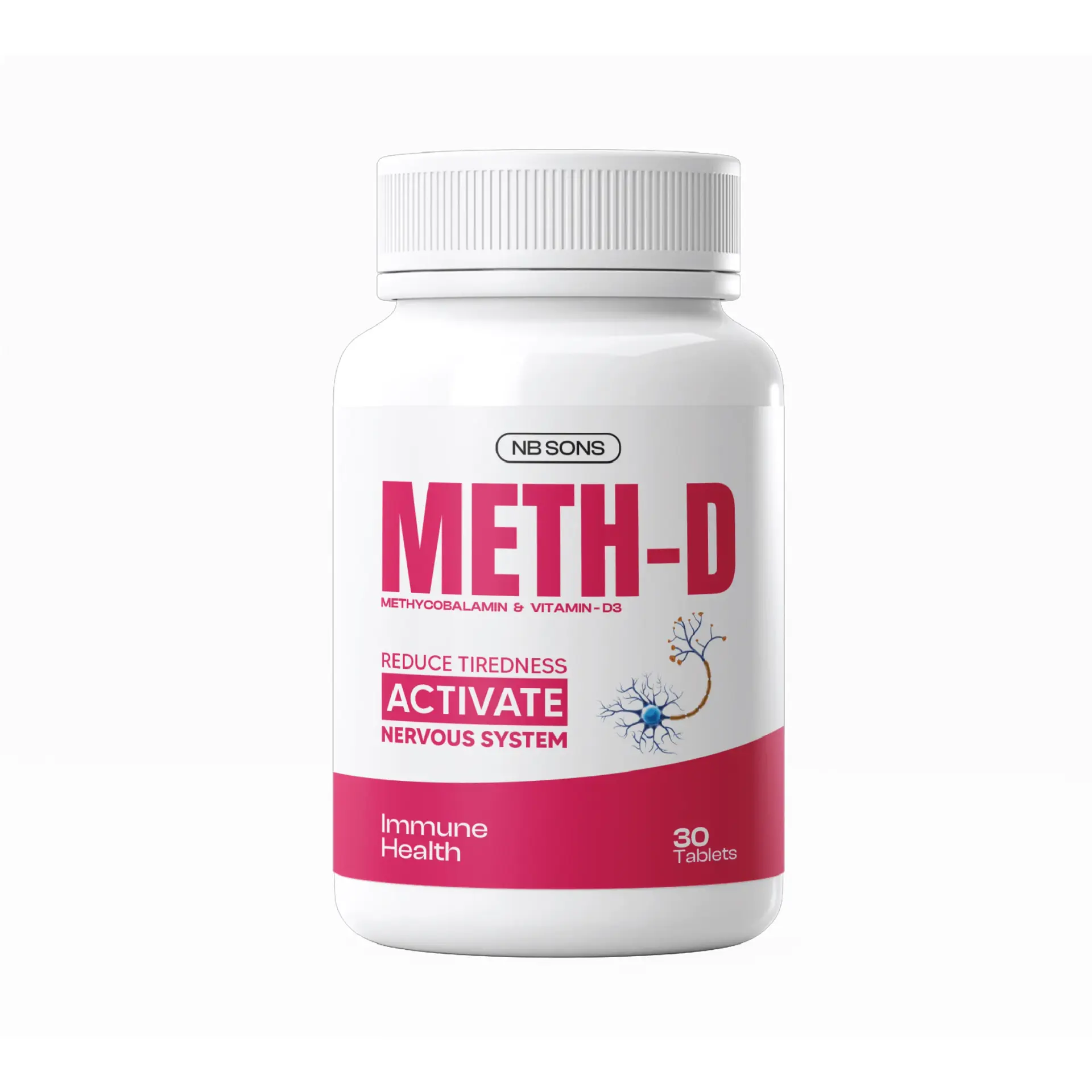
For spring, doses of 2,000 to 5,000 IU daily are common for deficient adults. Higher doses up to 10,000 IU are used therapeutically under medical supervision. Vit KD provides 10,000 IU of Vitamin D3 with Vitamin K2. The K2 matters because it directs calcium to bones rather than arteries, making high-dose D3 safer. For a lower daily dose, Meth D combines Vitamin D3 with Vitamin B12, covering two common Pakistani deficiencies at once.
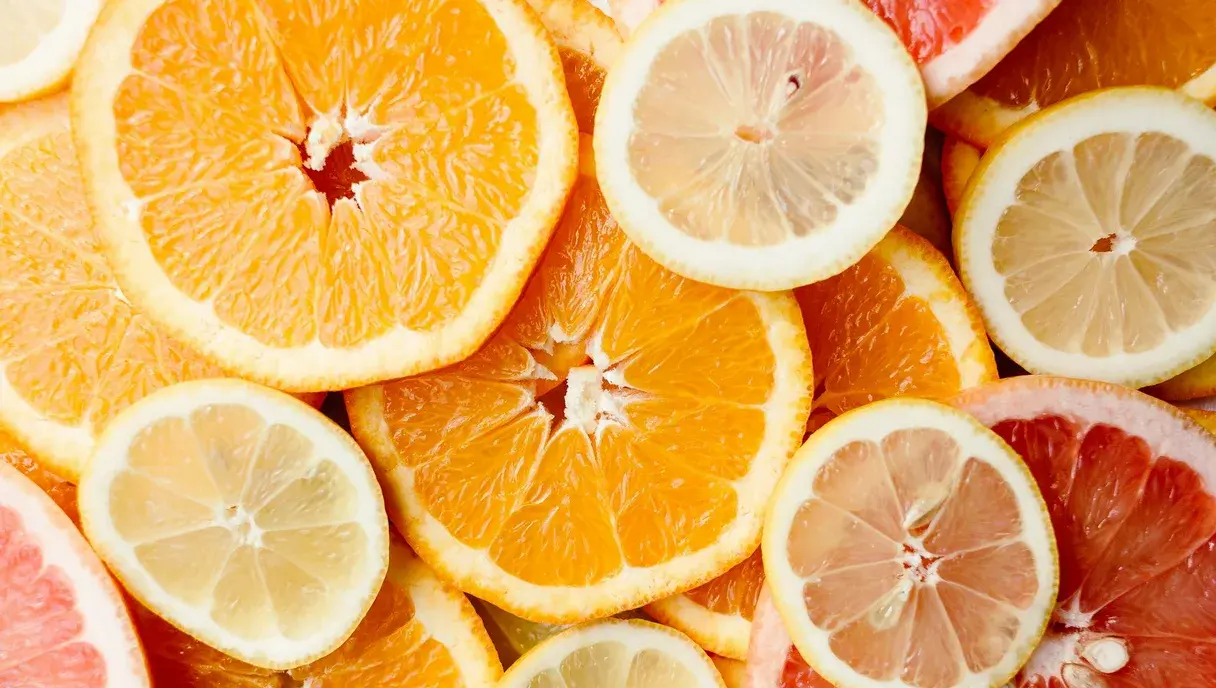
Vitamin C: More Than Just Oranges
Vitamin C has the longest history in immune research. The evidence is more nuanced than fans or sceptics tend to admit.
Supplemental Vitamin C does not prevent colds in the general population in trials. But it does reduce how long and how severe colds are when taken regularly. For people under physical stress, such as athletes, the sleep-deprived, or those in demanding periods, it can lower infection rates. It also has mild antihistamine effects that help during allergy season.
Vitamin C is needed to make and run several immune cells. Neutrophils, the most common white blood cells, hold Vitamin C at 50 to 100 times the level in plasma. They deplete it fast during infection. Supplementing helps keep those levels up.
It also supports the skin and mucous barriers that stop pathogens entering in the first place.
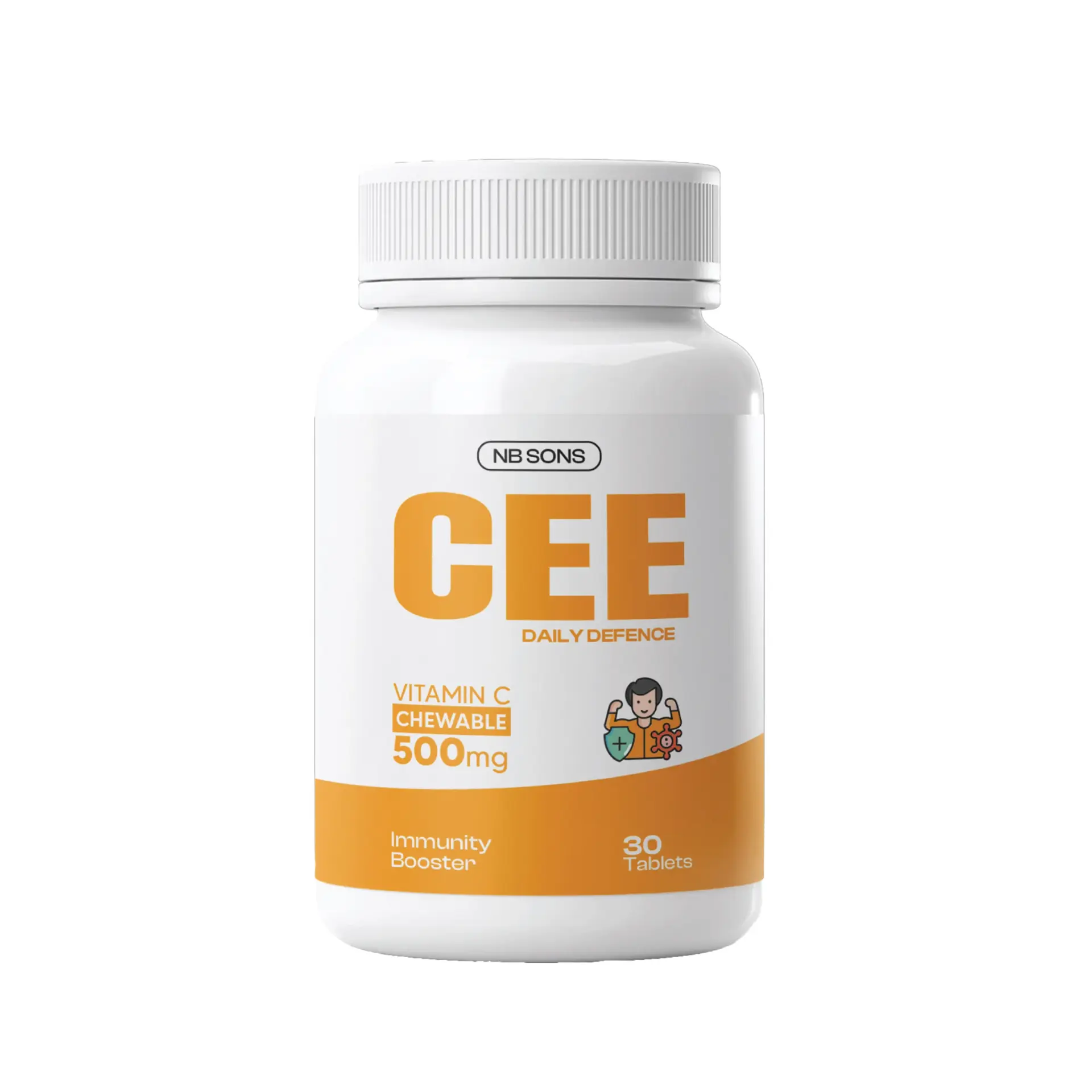
In Pakistan, mild Vitamin C shortfalls are common, especially after winter when fruit intake drops. For spring, 500 to 1,000mg daily is well supported. Cee 500mg gives a clean daily dose. Asco C effervescent delivers 1,000mg with excellent absorption in a fizzy format, handy when you are already fighting something or during high-pollen days.
Zinc: The Immune Mineral Most Pakistanis Don’t Get Enough Of
Zinc deficiency is widespread in South Asia, including Pakistan, mostly for dietary reasons. Plant-heavy diets contain phytates that bind zinc and reduce absorption. Some food preparation methods raise phytate content further. And the most zinc-rich foods, like red meat and shellfish, are eaten less in many households.
Zinc is essential to nearly every part of immunity. It is needed to develop and activate T-lymphocytes, natural killer cells, and macrophages. It keeps the thymus gland, which produces T-cells, structurally sound.
Even mild zinc deficiency weakens cell-mediated immunity. That means the body fights viral infections less well. During respiratory infections, zinc lozenges have been shown to shorten illness, as zinc ions act directly against viruses in the upper airway.
For spring, 15 to 25mg of elemental zinc daily is a reasonable target. Zinc appears in several multi-nutrient formulas, or you can take it on its own. Take it with food to avoid stomach upset, and not at the same time as iron, since the two compete for absorption.
Vitamin B12 and the Energy-Immunity Connection
B12 deficiency is common in Pakistan for two reasons. One is dietary, with lower intake of animal products in many homes. The other is absorption. H. pylori infection is very common here, and it damages the stomach cells that make intrinsic factor, the protein needed to absorb B12. People with untreated H. pylori can be deficient even with a good diet.
B12 is needed to make DNA in fast-dividing cells, which includes immune cells. Without enough of it, white blood cell production suffers.
B12 deficiency also causes deep fatigue that undermines everything. When you are exhausted, sleep is disrupted, cortisol patterns shift, and immunity weakens. The energy and immune effects of B12 are tightly linked.
Meth D is a practical choice here. It combines methylcobalamin, the active form of B12 that the body retains better than cyanocobalamin, with Vitamin D3. For spring, that combination makes a lot of sense.
Moringa: Pakistan’s Native Immune Superfood
Moringa oleifera is native to South Asia and has been used in traditional medicine here for centuries. The science is now catching up.
Moringa leaves contain useful amounts of Vitamin C, beta-carotene, iron, calcium, and various polyphenols with anti-inflammatory and antioxidant effects. Several studies confirm that Moringa extract supports immunity, including better natural killer cell activity.
What makes it interesting for spring is its breadth. It offers broad nutritional support rather than a single nutrient. For people whose diets are inconsistent, as many are during the post-Ramadan period, that is sensible. MORR Moringa extract provides a standardised dose with documented active compounds, which matters because raw moringa products vary a lot in potency.
Glutathione: The Master Antioxidant and Immune Regulator
Glutathione is made naturally in every cell and is the body’s primary antioxidant defence. During immune activation, white blood cells produce oxidative compounds to kill pathogens. Glutathione protects the immune cells themselves from that damage. It also helps lymphocytes multiply, the process by which immunity scales up against an infection.
The catch with oral glutathione is absorption. Standard capsules are largely broken down by digestion before reaching the bloodstream. Liposomal forms absorb better.
The most effective route is often through precursors. N-acetyl cysteine (NAC) supplies the rate-limiting building block for glutathione. Alternatively, the reduced glutathione in Gluthic uses a formulation built for better stability and absorption.
Vitamin C also helps recycle glutathione. That is another reason combining these two during spring makes sense.
Fiber and Gut Health: The Immunity Foundation You Can’t See
Around 70 to 80% of the immune system sits in and around the gut. The gut microbiome, the trillions of bacteria in your digestive tract, helps train and regulate immune responses. A disrupted microbiome is consistently linked with weaker immunity and more infections.
Spring and post-Ramadan periods often disrupt gut bacteria. Erratic eating, heavy fried foods, less fruit and veg, and more sugar all play a part. Fiber from fruits, vegetables, and whole grains is the main food source for good gut bacteria. When fiber drops, the microbiome shifts away from immune-supporting species.
Supplementing fiber during these disruptions helps keep the microbiome healthy. Fybosim combines fiber with glutathione in one product, a useful dual-purpose option for spring gut and immune health. It is especially relevant if your diet has been irregular or your digestion has been off.
How to Build a Spring Immunity Stack
Rather than taking everything at once, prioritise the most impactful and most commonly deficient nutrients first. Here is a sensible progression.
Core (High Priority)
- Vitamin D3 + K2 (Vit KD), 10,000 IU daily if you haven’t been supplementing, 2,000 to 5,000 IU if you’ve been on maintenance doses
- Vitamin C (Cee 500mg or Asco C), 500 to 1,000mg daily with meals
- B12 + D3 combo (Meth D), if you prefer a lower-dose D3 option combined with B12
Enhanced Support
- Zinc, 15 to 25mg daily, with food, separate from iron
- Moringa (MORR), daily, as a broad nutritional support supplement
- Fiber (Fybosim), especially during dietary disruption periods
Targeted Addition
- Glutathione (Gluthic), particularly useful during active illness, high pollen days, or periods of unusual stress
Most of these can be taken together. A few practical notes still help. Vitamin D is fat-soluble, so take it with a meal containing fat. Vitamin C boosts iron absorption, so keep it separate from iron supplements. Zinc and iron compete, so space them apart. At normal doses, none of these cause worrying interactions with each other.
Lifestyle Factors That Multiply Supplement Effectiveness
Supplements work within the context of your habits. Their benefit shrinks when other immune foundations are weak.
Sleep is the most important. Immune cells are produced and activated during deep sleep, and chronic sleep loss suppresses immunity more severely than almost any nutrient deficiency. Spring changes in light and temperature can disrupt sleep for some people. That is worth addressing directly rather than piling on more supplements.
Exercise helps immunity at moderate intensities. But very long, intense sessions, like marathon training or high-volume gym work, briefly suppress it. The “open window” of immune suppression after very hard exercise is real. For most people starting or resuming exercise in spring, moderate activity will improve immunity rather than harm it.
Hydration matters mechanically too. The mucous membranes lining your airways need water to work as barriers, and dehydration impairs lymphatic function. Spring heat, especially from April onwards, raises your fluid needs noticeably.
Final Thoughts
Spring immunity in Pakistan is a real and fixable concern. Post-winter Vitamin D depletion, high pollen, dietary flux, and temperature swings put the immune system under unusual pressure. Targeted supplementation, especially Vitamin D3, Vitamin C, B12, and zinc, offers evidence-backed support during this window.
The products in this guide are available through Yellow Pink Pakistan, formulated for the Pakistani context. If you are unsure where to start, Vitamin D3 is the single highest-impact choice for most Pakistanis. Add Vitamin C for respiratory and antihistamine support, and consider Moringa as a broad foundation if your diet has been variable through the post-Ramadan period.
Your immune system does its best work when it has the right resources. This spring, give it what it needs.
This article was written and medically reviewed to our medical review board standards and is for general guidance, not personal medical advice. Always speak to a doctor or pharmacist about your own situation.
Shop Immunity & Defence →Frequently asked questions
How long does it take for immunity supplements to work?
It depends on the supplement and your starting level. Vitamin C acts on immune cells relatively fast, within days at sufficient doses. Vitamin D takes longer, usually 2 to 4 weeks of regular use before blood levels rise meaningfully in deficient people. Zinc effects appear within a few weeks of correcting a deficiency. So starting 3 to 4 weeks before peak pollen and cold season beats starting once you are already sick.
Are these supplements safe to take together?
Yes, at the doses described above. Vitamin C, Vitamin D, B12, zinc, Moringa, and fiber all have well-established safety profiles with no harmful interactions between them. The main caution is Vitamin D at high doses for long periods. 10,000 IU daily suits a deficiency-correction phase but should not continue indefinitely without periodic blood checks. For most people, moving to 2,000 to 4,000 IU after a few months makes sense.
Can I give these supplements to my children for spring immunity?
Children need different doses than adults. Vitamin D and Vitamin C products made for children are fine, but at much lower doses. That is typically 600 to 1,000 IU Vitamin D for under-12s, and 250 to 500mg Vitamin C. Zinc needs are lower too. Use age-appropriate formulas rather than adult products at reduced doses, as some forms and excipients differ. Check with a paediatrician if in doubt.
Will taking these supplements prevent me from getting sick?
“Prevention” overstates it. Good immune nutrition improves your immune system’s ability to detect, respond to, and clear pathogens. That usually means infections are shorter and milder, not completely avoided. Correcting Vitamin D deficiency has the strongest evidence for reducing respiratory infections. Vitamin C cuts duration. Zinc reduces severity. Think of it as giving your immune system the resources to do its job well, not a guarantee against illness.
Liked this one? Get the next in your inbox.
One fortnightly note from the editors, new pieces, restocks, and the routines we're actually using. Unsubscribe any time.