Spring Allergies in Pakistan: Natural Prevention & Relief Guide
Suffering from spring allergies in Pakistan? Natural supplements and lifestyle strategies to prevent & relieve pollen allergy symptoms this season.
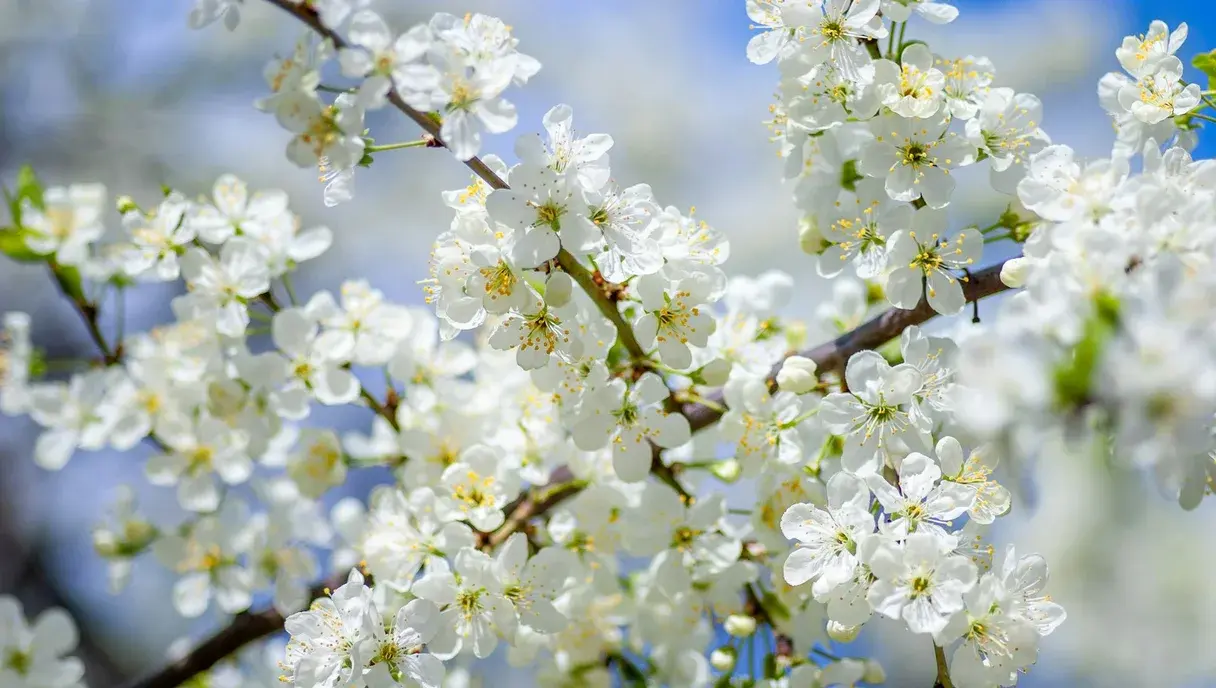
What’s Actually Happening During an Allergic Reaction
Understanding the mechanism helps explain why natural approaches work. Your immune system meets a harmless substance, like pollen, and wrongly labels it a threat. It then makes IgE antibodies against it.
On the next exposure, these antibodies tell mast cells to release histamine and other inflammatory compounds. Histamine causes the classic symptoms. You get sneezing, itching, a runny nose, watery eyes, and congestion.
Conventional medicine blocks histamine receptors after the fact. Natural approaches work differently. Some stabilise mast cells before histamine is released, and quercetin is the main example.
Others calm the overall inflammatory environment. Some support the mucosal barriers that are your first line of defence. And some strengthen immune regulation, so your body is less likely to overreact in the first place.
Natural Supplements for Spring Allergy Prevention in Pakistan
Vitamin C: The Antihistamine You Already Have
Vitamin C has genuine antihistamine properties. It directly breaks down histamine in the bloodstream. Research shows that people with higher blood levels of Vitamin C carry lower histamine levels.
Supplementing can lower histamine within weeks. For allergy management, studies typically use 500 to 2,000mg per day.
In Pakistan, Vitamin C deficiency is more common than most people realise. It rises in the winter months leading into spring. So starting before peak pollen season makes sense.
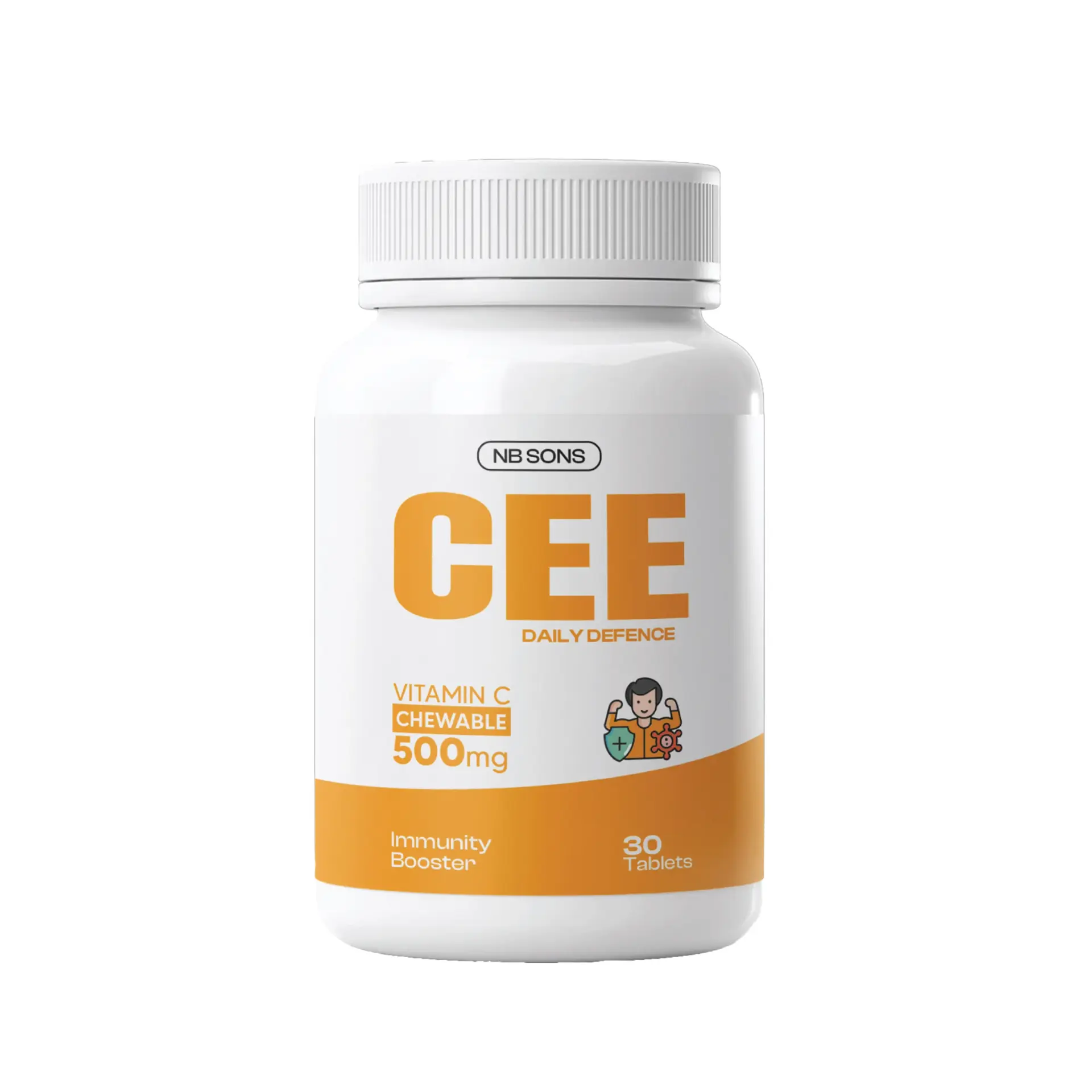
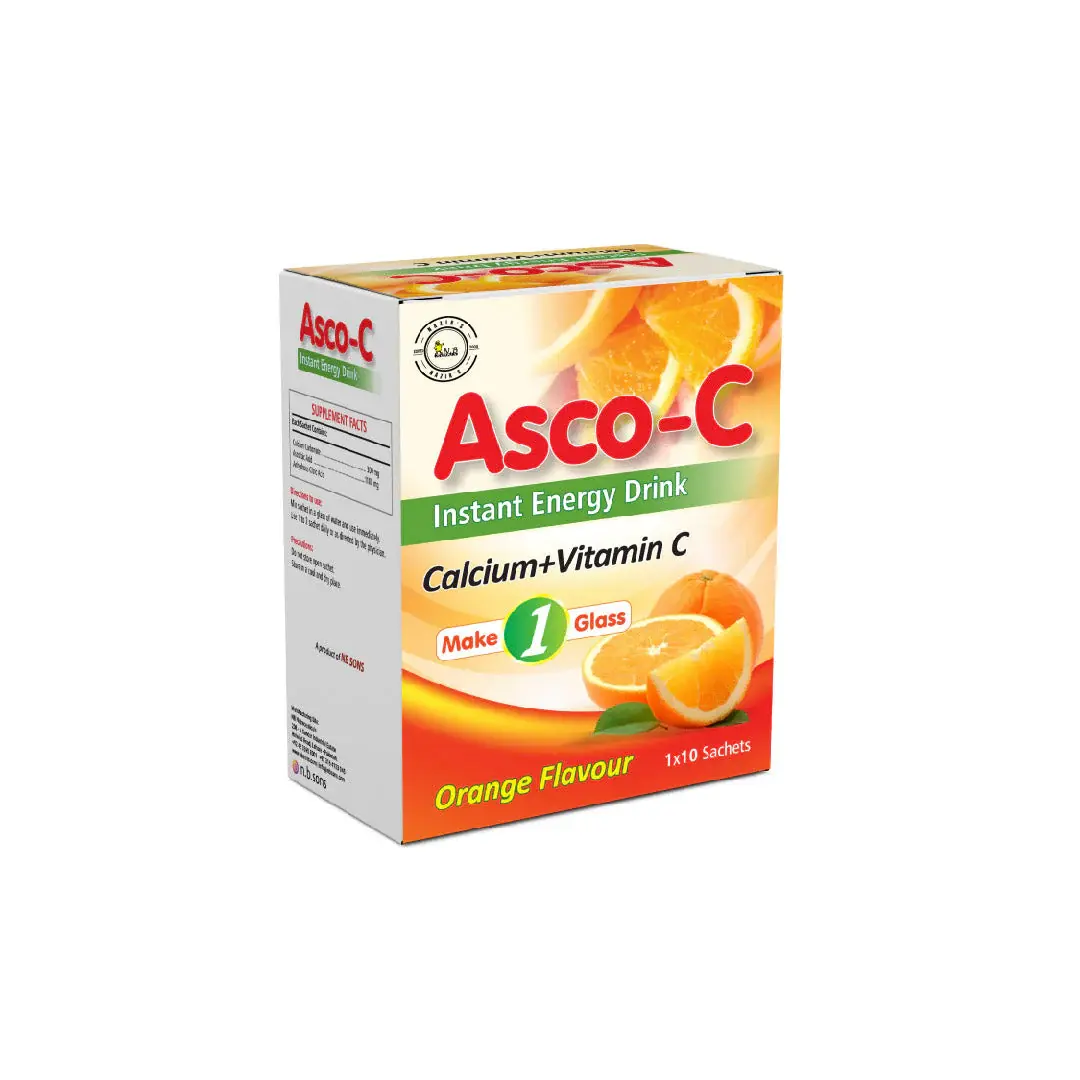
Cee 500mg provides a solid daily dose. Asco C effervescent is an enjoyable way to get 1,000mg with good absorption. Vitamin C also supports Vitamin D activation and collagen in your mucous membranes, your body’s physical barrier against allergens.
Take Vitamin C with meals to avoid stomach upset at higher doses. Spread the doses through the day rather than one large dose. You will retain more that way.
Vitamin D: The Immune Regulator
The link between Vitamin D deficiency and allergy severity is one of the most consistent findings in immunology. Vitamin D regulates the balance between Th1 and Th2 immune responses. Allergic conditions are linked to Th2 dominance.
Adequate Vitamin D helps restore that balance. This makes the immune system less likely to overreact to harmless triggers like pollen.
Vitamin D deficiency is extremely common in Pakistan, which is a paradox in such a sunny country. Cultural clothing and indoor lifestyles mean deficiency rates reach 60 to 80% in some studies. Many allergy sufferers go into spring chronically deficient, and this amplifies their reactivity.
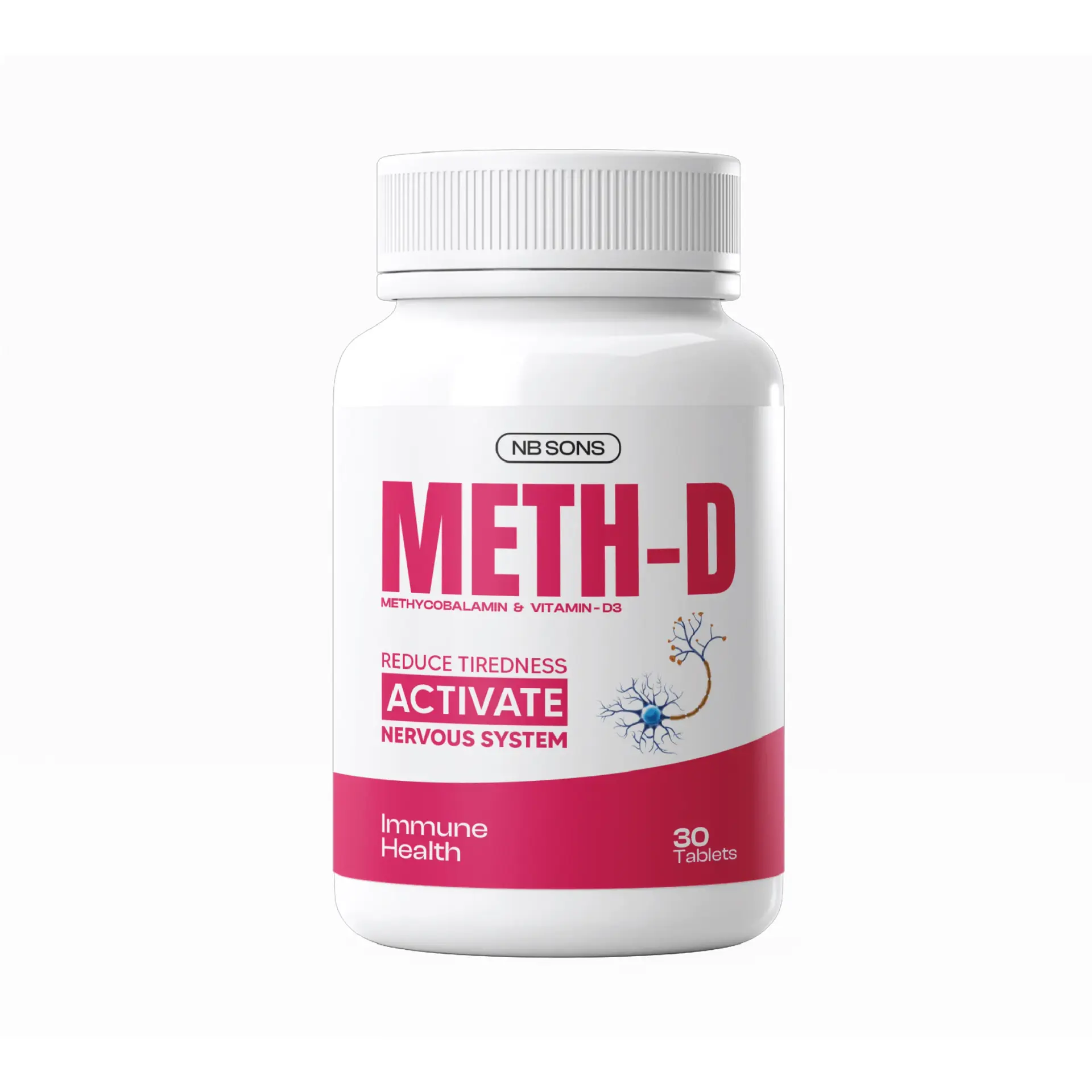
Meth D (Vitamin D3 + B12) provides a strong therapeutic dose for people with verified deficiency. Vit KD (Vitamin D3 10,000 IU + K2) is the higher-dose option for more significant deficiency.
If you haven’t tested your Vitamin D level, now is an excellent time. A simple blood test tells you where you stand. Correcting deficiency before pollen season peaks is one of the most impactful things you can do.
Moringa (Morr): Pakistan’s Natural Anti-Allergy Superfood
Moringa oleifera, the drumstick tree, is native to Pakistan and has featured in local cuisine for centuries. It contains isothiocyanates, in particular moringa isothiocyanate (MIC). Laboratory and animal studies show MIC inhibits key enzymes in the allergic inflammatory cascade.
Early human research suggests moringa may make the immune response less sensitive to allergens. Beyond that, moringa is one of the most nutrient-dense plants in the world. It is high in Vitamin C, quercetin, beta-carotene, chlorogenic acid, and many minerals.
This nutritional density supports the broad anti-inflammatory environment that keeps allergy symptoms in check. MORR provides standardised moringa extract. That makes dosing consistent, unlike variable leaf powders.
There is something fitting about using a native Pakistani plant against a problem partly caused by a non-native imported tree. MORR is worth considering as part of a spring allergy protocol. Its safety profile and broader health benefits are a bonus.
Magnesium: Reducing Airway Reactivity
Magnesium has bronchodilatory and anti-inflammatory properties relevant to respiratory allergies. In emergency medicine, intravenous magnesium is used for severe asthma attacks. Oral magnesium at normal supplemental doses works more subtly.
It can lower the baseline level of bronchial reactivity in people prone to symptoms during allergy season. Magnesium also reduces mast cell reactivity directly. Mast cells, the cells that release histamine, need enough magnesium for proper regulation.
A deficiency raises mast cell sensitivity. That means more histamine release for the same allergen exposure. Magnesium deficiency is again very common in Pakistan, due to dietary patterns and mineral-poor soil. Correcting it can meaningfully reduce symptom severity.
Calco Fit provides magnesium glycinate, one of the most bioavailable forms. Take it with dinner or before bed. It also supports sleep quality, which often suffers during allergy season when nighttime congestion is at its worst.
Vitamin C + Glutathione Combination: The Skin and Mucosal Barrier
Glutathione is your body’s master antioxidant. It is a key part of the immune system’s regulatory network. High glutathione levels in the airways neutralise oxidative damage from allergens and pollutants before it can trigger an inflammatory cascade.
Research shows people with lower glutathione levels have more severe allergic symptoms and asthma. Gluthic provides oral glutathione in a form designed for systemic absorption.
Combining it with Vitamin C is the classic pairing. Vitamin C regenerates oxidised glutathione back to its active form, extending its protective effect. This combination matters during spring in Pakistan, where city air quality is poor even before allergen season adds more oxidative stress.
Lifestyle Strategies That Significantly Reduce Allergy Symptoms
Monitor Pollen Counts and Plan Around Them
Pollen counts in Pakistan’s major cities peak between 6 and 10 AM, especially on warm, dry, windy days. They drop on rainy days, because rain washes pollen from the air, and in the late afternoon.
Once you know your worst days and times, plan around them. Move early morning runs to the evening. Keep windows closed in the morning. These small shifts can dramatically cut your exposure. Several international pollen apps cover Pakistani cities, and local news often reports pollen levels during peak season.
Nasal Saline Irrigation: Underused and Highly Effective
Nasal saline irrigation means using a neti pot or squeeze bottle with a saline solution to flush your nasal passages. It has strong clinical evidence behind it. It physically removes pollen, dust, and mucus, and it reduces inflammation.
Used consistently, it can cut the frequency and severity of symptoms significantly. It feels strange at first but quickly becomes routine. It is free, has no side effects, and uses materials from any pharmacy. Use distilled or cooled boiled water, never tap water in a neti pot, as that carries a small infection risk.
HEPA Filtration Indoors
A good HEPA air purifier in your bedroom makes a real difference. You spend 6 to 8 hours there every night. Cutting the pollen load in that space improves sleep and lowers the total allergen burden on your immune system.
Modern HEPA purifiers are reasonably affordable and widely available in Pakistan. Run yours with the door closed during peak pollen periods. Change or clean the filters regularly. A clogged filter stops working and can even recirculate debris.
Shower Before Bed
If you have been outside during the day, pollen clings to your hair, skin, and clothing. A shower before bed removes it from your body. It also stops pollen transferring to your pillow, which then sits inches from your face for eight hours.
This simple habit cuts nighttime symptoms substantially for many people. Washing your hair matters, because pollen builds up there.
Anti-Inflammatory Diet During Allergy Season
An already-inflamed body reacts more severely to allergens. The typical Pakistani diet is heavy in refined carbohydrates and cooking oils rich in omega-6 fats. It is low in fresh vegetables and fish. This creates a chronic low-grade inflammatory state that amplifies allergic responses.
During spring, deliberately eat more anti-inflammatory foods. Add more leafy greens. Use more turmeric in cooking, as its curcumin has well-documented anti-inflammatory effects. Eat more Vitamin C-rich fruit, and cut sugar and processed food.
If you drink green tea, note that it contains quercetin naturally. Two to three cups a day during allergy season gives a gentle quercetin dose alongside its other benefits. Avoid high-histamine foods during peak symptom periods, such as fermented foods, aged cheeses, and processed meats. They can stack on top of the histamine your body already releases from allergen exposure.
Building Your Spring Allergy Prevention Protocol
The most effective approach combines several strategies. Use supplements that work on different parts of the immune and inflammatory response. Pair them with physical strategies that reduce allergen exposure. Here is a practical protocol.
| Strategy | Timing | Mechanism |
|---|---|---|
| Vitamin D3 (Meth D or Vit KD) | Daily, start 4-6 weeks before peak season | Immune regulation, Th1/Th2 balance |
| Vitamin C (Cee 500mg or Asco C) | Daily, with meals | Antihistamine, mucosal support |
| Magnesium glycinate (Calco Fit) | Evening/before bed | Mast cell stabilisation, bronchodilation |
| Moringa (MORR) | Daily with breakfast | Anti-inflammatory, nutrient density |
| Glutathione (Gluthic) | Daily, with Vitamin C | Airway oxidative protection |
| Nasal saline irrigation | Morning (after outdoor exposure) and evening | Physical allergen removal |
| HEPA air purifier | Run continuously in bedroom | Reduced allergen burden during sleep |
| Evening shower | Before bed | Remove pollen from hair/skin |
Start the supplement protocol at least 4 weeks before you usually notice symptoms. Vitamin D in particular takes weeks to reach therapeutic blood levels. It is not an acute fix, it is a baseline correction. Nasal irrigation and HEPA filtration can start immediately and help right away.
When Natural Approaches Aren’t Enough
Natural supplements and lifestyle strategies work well for mild to moderate allergic rhinitis. But if your seasonal allergies are severe, see a specialist. That is true if they badly affect your quality of life, work, or sleep, or if you are developing asthmatic symptoms.
An allergist or pulmonologist can help. Pakistan has ENT specialists and allergists in all major cities. Options like allergen immunotherapy (allergy shots or sublingual drops) can give long-term desensitisation to specific allergens like paper mulberry pollen.
Non-sedating antihistamines such as loratadine, cetirizine, and fexofenadine are safe for most people. You can use them on peak symptom days without the drowsiness of older drugs like chlorpheniramine. Nasal corticosteroid sprays, like fluticasone, are highly effective, non-systemic, and safe for the whole season with minimal side effects.
These conventional options combine well with natural strategies. They work on different mechanisms, so there is no conflict in using both.
Conclusion
Spring allergies in Pakistan are genuinely severe, with one of the worst paper mulberry seasons anywhere in the world. But you are not entirely at their mercy. Start by correcting foundational deficiencies in Vitamin D, Vitamin C, and Magnesium.
Then add targeted anti-inflammatory support with MORR moringa and Gluthic glutathione. Layer on smart physical strategies too, such as saline irrigation, HEPA filtration, and avoiding pollen during peak hours. Together these can significantly reduce both the frequency and severity of symptoms.
Start early, be consistent, and combine approaches. Natural allergy management is not about replacing pharmaceutical support when you need it. It is about building a body that needs less of it. Explore Yellow Pink’s range of vitamins and supplements to build your spring health protocol.
Did you know that during peak season, pollen counts in Islamabad regularly hit levels that international monitoring systems class as “extreme”? Every year, as winter fades and the trees bloom, millions of Pakistanis start sneezing. Eyes water, noses run, throats itch, and sleep becomes a battle against congestion.
Spring allergies, or allergic rhinitis, affect a large share of the population. Yet most people either suffer in silence or reach straight for antihistamines that leave them drowsy and dependent.
The good news is there are evidence-backed, natural ways to prevent and relieve spring allergies in Pakistan. This guide explains why Pakistani spring is so hard on allergy sufferers, what is happening inside your immune system, and the supplements and habits that genuinely help, without the side effects of long-term antihistamine use.
Why Pakistan’s Spring Is Especially Hard on Allergy Sufferers
Spring in Pakistan is one of the most intense pollen seasons in the world, particularly in cities like Islamabad, Lahore, and Rawalpindi. The paper mulberry tree was introduced decades ago as a fast-growing ornamental and shade tree. It has since spread aggressively across the country. It now causes the majority of spring allergy cases.
Paper mulberry pollen season usually runs from late February through April. It peaks in March and early April. During the peak, pollen counts in Islamabad regularly reach levels classed as “extreme” in international monitoring systems. The Environmental Protection Agency of Pakistan has flagged paper mulberry as a major public health concern, and allergy clinics report huge spikes in patients during this window.
Beyond paper mulberry, spring brings Chenopodium (goosefoot), grasses, acacia, and various weed pollens into the air at the same time. Add year-round dust, vehicle emissions, and industrial particulates in urban areas, and your immune system faces a constant challenge. For people who are already sensitised, whose immune systems have “learned” to react to specific allergens, spring becomes genuinely miserable.
What’s Actually Happening During an Allergic Reaction
Understanding the mechanism helps explain why natural approaches work. Your immune system meets a harmless substance, like pollen, and wrongly labels it a threat. It then makes IgE antibodies against it.
On the next exposure, these antibodies tell mast cells to release histamine and other inflammatory compounds. Histamine causes the classic symptoms. You get sneezing, itching, a runny nose, watery eyes, and congestion.
Conventional medicine blocks histamine receptors after the fact. Natural approaches work differently. Some stabilise mast cells before histamine is released, and quercetin is the main example.
Others calm the overall inflammatory environment. Some support the mucosal barriers that are your first line of defence. And some strengthen immune regulation, so your body is less likely to overreact in the first place.
Natural Supplements for Spring Allergy Prevention in Pakistan
Vitamin C: The Antihistamine You Already Have
Vitamin C has genuine antihistamine properties. It directly breaks down histamine in the bloodstream. Research shows that people with higher blood levels of Vitamin C carry lower histamine levels.
Supplementing can lower histamine within weeks. For allergy management, studies typically use 500 to 2,000mg per day.
In Pakistan, Vitamin C deficiency is more common than most people realise. It rises in the winter months leading into spring. So starting before peak pollen season makes sense.
Cee 500mg provides a solid daily dose. Asco C effervescent is an enjoyable way to get 1,000mg with good absorption. Vitamin C also supports Vitamin D activation and collagen in your mucous membranes, your body’s physical barrier against allergens.
Take Vitamin C with meals to avoid stomach upset at higher doses. Spread the doses through the day rather than one large dose. You will retain more that way.
Vitamin D: The Immune Regulator
The link between Vitamin D deficiency and allergy severity is one of the most consistent findings in immunology. Vitamin D regulates the balance between Th1 and Th2 immune responses. Allergic conditions are linked to Th2 dominance.
Adequate Vitamin D helps restore that balance. This makes the immune system less likely to overreact to harmless triggers like pollen.
Vitamin D deficiency is extremely common in Pakistan, which is a paradox in such a sunny country. Cultural clothing and indoor lifestyles mean deficiency rates reach 60 to 80% in some studies. Many allergy sufferers go into spring chronically deficient, and this amplifies their reactivity.
Meth D (Vitamin D3 + B12) provides a strong therapeutic dose for people with verified deficiency. Vit KD (Vitamin D3 10,000 IU + K2) is the higher-dose option for more significant deficiency.
If you haven’t tested your Vitamin D level, now is an excellent time. A simple blood test tells you where you stand. Correcting deficiency before pollen season peaks is one of the most impactful things you can do.
Moringa (Morr): Pakistan’s Natural Anti-Allergy Superfood
Moringa oleifera, the drumstick tree, is native to Pakistan and has featured in local cuisine for centuries. It contains isothiocyanates, in particular moringa isothiocyanate (MIC). Laboratory and animal studies show MIC inhibits key enzymes in the allergic inflammatory cascade.
Early human research suggests moringa may make the immune response less sensitive to allergens. Beyond that, moringa is one of the most nutrient-dense plants in the world. It is high in Vitamin C, quercetin, beta-carotene, chlorogenic acid, and many minerals.
This nutritional density supports the broad anti-inflammatory environment that keeps allergy symptoms in check. MORR provides standardised moringa extract. That makes dosing consistent, unlike variable leaf powders.
There is something fitting about using a native Pakistani plant against a problem partly caused by a non-native imported tree. MORR is worth considering as part of a spring allergy protocol. Its safety profile and broader health benefits are a bonus.
Magnesium: Reducing Airway Reactivity
Magnesium has bronchodilatory and anti-inflammatory properties relevant to respiratory allergies. In emergency medicine, intravenous magnesium is used for severe asthma attacks. Oral magnesium at normal supplemental doses works more subtly.
It can lower the baseline level of bronchial reactivity in people prone to symptoms during allergy season. Magnesium also reduces mast cell reactivity directly. Mast cells, the cells that release histamine, need enough magnesium for proper regulation.
A deficiency raises mast cell sensitivity. That means more histamine release for the same allergen exposure. Magnesium deficiency is again very common in Pakistan, due to dietary patterns and mineral-poor soil. Correcting it can meaningfully reduce symptom severity.
Calco Fit provides magnesium glycinate, one of the most bioavailable forms. Take it with dinner or before bed. It also supports sleep quality, which often suffers during allergy season when nighttime congestion is at its worst.
Vitamin C + Glutathione Combination: The Skin and Mucosal Barrier
Glutathione is your body’s master antioxidant. It is a key part of the immune system’s regulatory network. High glutathione levels in the airways neutralise oxidative damage from allergens and pollutants before it can trigger an inflammatory cascade.
Research shows people with lower glutathione levels have more severe allergic symptoms and asthma. Gluthic provides oral glutathione in a form designed for systemic absorption.
Combining it with Vitamin C is the classic pairing. Vitamin C regenerates oxidised glutathione back to its active form, extending its protective effect. This combination matters during spring in Pakistan, where city air quality is poor even before allergen season adds more oxidative stress.
Lifestyle Strategies That Significantly Reduce Allergy Symptoms
Monitor Pollen Counts and Plan Around Them
Pollen counts in Pakistan’s major cities peak between 6 and 10 AM, especially on warm, dry, windy days. They drop on rainy days, because rain washes pollen from the air, and in the late afternoon.
Once you know your worst days and times, plan around them. Move early morning runs to the evening. Keep windows closed in the morning. These small shifts can dramatically cut your exposure. Several international pollen apps cover Pakistani cities, and local news often reports pollen levels during peak season.
Nasal Saline Irrigation: Underused and Highly Effective
Nasal saline irrigation means using a neti pot or squeeze bottle with a saline solution to flush your nasal passages. It has strong clinical evidence behind it. It physically removes pollen, dust, and mucus, and it reduces inflammation.
Used consistently, it can cut the frequency and severity of symptoms significantly. It feels strange at first but quickly becomes routine. It is free, has no side effects, and uses materials from any pharmacy. Use distilled or cooled boiled water, never tap water in a neti pot, as that carries a small infection risk.
HEPA Filtration Indoors
A good HEPA air purifier in your bedroom makes a real difference. You spend 6 to 8 hours there every night. Cutting the pollen load in that space improves sleep and lowers the total allergen burden on your immune system.
Modern HEPA purifiers are reasonably affordable and widely available in Pakistan. Run yours with the door closed during peak pollen periods. Change or clean the filters regularly. A clogged filter stops working and can even recirculate debris.
Shower Before Bed
If you have been outside during the day, pollen clings to your hair, skin, and clothing. A shower before bed removes it from your body. It also stops pollen transferring to your pillow, which then sits inches from your face for eight hours.
This simple habit cuts nighttime symptoms substantially for many people. Washing your hair matters, because pollen builds up there.
Anti-Inflammatory Diet During Allergy Season
An already-inflamed body reacts more severely to allergens. The typical Pakistani diet is heavy in refined carbohydrates and cooking oils rich in omega-6 fats. It is low in fresh vegetables and fish. This creates a chronic low-grade inflammatory state that amplifies allergic responses.
During spring, deliberately eat more anti-inflammatory foods. Add more leafy greens. Use more turmeric in cooking, as its curcumin has well-documented anti-inflammatory effects. Eat more Vitamin C-rich fruit, and cut sugar and processed food.
If you drink green tea, note that it contains quercetin naturally. Two to three cups a day during allergy season gives a gentle quercetin dose alongside its other benefits. Avoid high-histamine foods during peak symptom periods, such as fermented foods, aged cheeses, and processed meats. They can stack on top of the histamine your body already releases from allergen exposure.
Building Your Spring Allergy Prevention Protocol
The most effective approach combines several strategies. Use supplements that work on different parts of the immune and inflammatory response. Pair them with physical strategies that reduce allergen exposure. Here is a practical protocol.
| Strategy | Timing | Mechanism |
|---|---|---|
| Vitamin D3 (Meth D or Vit KD) | Daily, start 4-6 weeks before peak season | Immune regulation, Th1/Th2 balance |
| Vitamin C (Cee 500mg or Asco C) | Daily, with meals | Antihistamine, mucosal support |
| Magnesium glycinate (Calco Fit) | Evening/before bed | Mast cell stabilisation, bronchodilation |
| Moringa (MORR) | Daily with breakfast | Anti-inflammatory, nutrient density |
| Glutathione (Gluthic) | Daily, with Vitamin C | Airway oxidative protection |
| Nasal saline irrigation | Morning (after outdoor exposure) and evening | Physical allergen removal |
| HEPA air purifier | Run continuously in bedroom | Reduced allergen burden during sleep |
| Evening shower | Before bed | Remove pollen from hair/skin |
Start the supplement protocol at least 4 weeks before you usually notice symptoms. Vitamin D in particular takes weeks to reach therapeutic blood levels. It is not an acute fix, it is a baseline correction. Nasal irrigation and HEPA filtration can start immediately and help right away.
When Natural Approaches Aren’t Enough
Natural supplements and lifestyle strategies work well for mild to moderate allergic rhinitis. But if your seasonal allergies are severe, see a specialist. That is true if they badly affect your quality of life, work, or sleep, or if you are developing asthmatic symptoms.
An allergist or pulmonologist can help. Pakistan has ENT specialists and allergists in all major cities. Options like allergen immunotherapy (allergy shots or sublingual drops) can give long-term desensitisation to specific allergens like paper mulberry pollen.
Non-sedating antihistamines such as loratadine, cetirizine, and fexofenadine are safe for most people. You can use them on peak symptom days without the drowsiness of older drugs like chlorpheniramine. Nasal corticosteroid sprays, like fluticasone, are highly effective, non-systemic, and safe for the whole season with minimal side effects.
These conventional options combine well with natural strategies. They work on different mechanisms, so there is no conflict in using both.
Frequently Asked Questions
When should I start taking allergy supplements in Pakistan?
Ideally 4 to 6 weeks before your symptoms usually begin. For most of Pakistan, paper mulberry season peaks in March and April. Start your supplements, especially Vitamin D and Vitamin C, in late January or early February. This gives your system time to build optimal blood levels and better immune regulation before heavy exposure begins.
Can I take allergy supplements alongside antihistamines?
Yes. The supplements listed here, Vitamin D, Vitamin C, Magnesium, Moringa, and Glutathione, have no significant interactions with common antihistamines like cetirizine or loratadine. Natural supplements and pharmaceutical antihistamines work through different mechanisms and complement each other well. If you are on prescription allergy medication or immunotherapy, mention your supplements to your doctor, but interactions are unlikely with these specific ones.
Is paper mulberry pollen the only spring allergen in Pakistan?
It is the dominant one in urban Pakistan, especially Islamabad and northern Punjab, but not the only one. Spring also brings Chenopodium (goosefoot family), various grass pollens, and acacia into the air. In coastal cities like Karachi, the seasonal pattern is somewhat different. If your symptoms persist outside the March to April window, you may be reacting to other allergens. Allergy skin testing or blood IgE testing can identify your specific triggers accurately.
Do children need different supplements for spring allergies?
Children benefit from the same foundations, Vitamin D correction, Vitamin C, and nasal saline irrigation, but the doses differ a lot from adults. Vitamin D dosing in children should be guided by a paediatrician, based on age and blood levels. Nasal saline irrigation is safe for children from infancy onward with a gentle, age-appropriate technique. For children with significant symptoms, a paediatric allergist evaluation is the best route.
Conclusion
Spring allergies in Pakistan are genuinely severe, with one of the worst paper mulberry seasons anywhere in the world. But you are not entirely at their mercy. Start by correcting foundational deficiencies in Vitamin D, Vitamin C, and Magnesium.
Then add targeted anti-inflammatory support with MORR moringa and Gluthic glutathione. Layer on smart physical strategies too, such as saline irrigation, HEPA filtration, and avoiding pollen during peak hours. Together these can significantly reduce both the frequency and severity of symptoms.
Start early, be consistent, and combine approaches. Natural allergy management is not about replacing pharmaceutical support when you need it. It is about building a body that needs less of it. Explore Yellow Pink’s range of vitamins and supplements to build your spring health protocol.
This article was written and medically reviewed to our medical review board standards and is for general guidance, not personal medical advice. Always speak to a doctor or pharmacist about your own situation.
Shop All Supplements →Frequently asked questions
When should I start taking allergy supplements in Pakistan?
Ideally 4 to 6 weeks before your symptoms usually begin. For most of Pakistan, paper mulberry season peaks in March and April. Start your supplements, especially Vitamin D and Vitamin C, in late January or early February. This gives your system time to build optimal blood levels and better immune regulation before heavy exposure begins.
Can I take allergy supplements alongside antihistamines?
Yes. The supplements listed here, Vitamin D, Vitamin C, Magnesium, Moringa, and Glutathione, have no significant interactions with common antihistamines like cetirizine or loratadine. Natural supplements and pharmaceutical antihistamines work through different mechanisms and complement each other well. If you are on prescription allergy medication or immunotherapy, mention your supplements to your doctor, but interactions are unlikely with these specific ones.
Is paper mulberry pollen the only spring allergen in Pakistan?
It is the dominant one in urban Pakistan, especially Islamabad and northern Punjab, but not the only one. Spring also brings Chenopodium (goosefoot family), various grass pollens, and acacia into the air. In coastal cities like Karachi, the seasonal pattern is somewhat different. If your symptoms persist outside the March to April window, you may be reacting to other allergens. Allergy skin testing or blood IgE testing can identify your specific triggers accurately.
Do children need different supplements for spring allergies?
Children benefit from the same foundations, Vitamin D correction, Vitamin C, and nasal saline irrigation, but the doses differ a lot from adults. Vitamin D dosing in children should be guided by a paediatrician, based on age and blood levels. Nasal saline irrigation is safe for children from infancy onward with a gentle, age-appropriate technique. For children with significant symptoms, a paediatric allergist evaluation is the best route.
Liked this one? Get the next in your inbox.
One fortnightly note from the editors, new pieces, restocks, and the routines we're actually using. Unsubscribe any time.