Alpha Arbutin Serum in Pakistan: What It Fades, How to Use It and What to Expect
Alpha arbutin serum fades post-acne marks and sun spots by slowing melanin. What the research shows, how to use it, and why sunscreen decides the result.
You picked up a brightening serum because of one stubborn mark: the brown patch left behind by last winter's breakout, or the shadow on your upper lip that gets darker every summer in Lahore. Somewhere on the label it says alpha arbutin. So what is it actually doing, how long should you give it, and is it worth the money when niacinamide and vitamin C are fighting for the same shelf space?
This guide answers those questions using the research that exists, which is less than the marketing suggests but more than nothing. It also covers how to fit an alpha arbutin serum into a routine that works in Pakistani sun.
What alpha arbutin is
Arbutin is a plant compound found in bearberry leaves, and chemically it is a derivative of hydroquinone, the older and stronger prescription lightener. A review of post-acne pigmentation in darker skin describes arbutin as a hydroquinone derivative without the melanotoxic effects of hydroquinone itself (Davis and Callender, Journal of Clinical and Aesthetic Dermatology).
There are two forms. The one sold simply as "arbutin" is the beta form. Alpha arbutin is the other form, and researchers report that it is better at blocking tyrosinase, the enzyme your skin uses to make melanin (Tantanasrigul et al., Journal of Cosmetic Dermatology). The same paper notes that alpha arbutin also interferes with the maturing of melanosomes, the little packets that carry pigment up to the surface.
In plain terms: alpha arbutin turns down pigment production. It does not bleach the colour you already have. The dark cells on the surface still have to shed on their own schedule, which is why this ingredient rewards patience.
What an alpha arbutin serum can help with
Hyperpigmentation is a broad label. Cleveland Clinic lists its common causes as sun damage, hormone changes such as pregnancy, injury to the skin including acne, some medicines including birth control pills, and melasma (Cleveland Clinic). Alpha arbutin can play a part with several of these, with different expectations for each.
Post-acne marks
The flat brown or dark marks that stay after a pimple heals are postinflammatory hyperpigmentation. They are more common and more intense in brown skin, and the review above names topical tyrosinase inhibitors, arbutin among them, as part of first-line treatment alongside sunscreen. The same review adds an honest caveat: clinical studies of arbutin specifically for these marks in darker skin types are lacking. If your marks are pitted or raised rather than flat, that is scarring, and no serum fixes texture. Our guide on acne scars vs dark marks helps you tell them apart.
Melasma
Melasma shows up as brown or grey-brown patches on the cheeks, forehead, nose and above the upper lip. Cleveland Clinic notes it is far more common in women, often linked to pregnancy and hormones, and more likely in people with brown skin or skin that tans easily (Cleveland Clinic). That describes a lot of us.
The most useful study here is a small Thai trial. Thirty women with melasma used a cream with 5% alpha arbutin and 2% kojic acid on one side of the face and a prescription triple combination cream on the other, for 12 weeks. Measured pigment and melasma scores improved similarly on both sides. The prescription side showed more redness and stinging, and melasma came back more strongly on that side once treatment stopped (Tantanasrigul et al.). It was a pilot study, so treat it as encouraging rather than settled.
Melasma is chronic and stubborn. If your patches are large, spreading or not moving after a few months of careful home care, see a dermatologist. The prescription options are stronger, and a doctor can also confirm the patches really are melasma.
Sun spots and general dullness
Small brown spots from years of sun respond to the same approach. Tone that looks uneven overall often improves too, especially when alpha arbutin is paired with niacinamide, which many formulas now do.
How strong is the evidence, really?
Here is the part product pages skip. A systematic review of natural ingredients for hyperpigmentation found that arbutin showed efficacy, but it also pointed out that only a single randomised trial independently supported arbutin's clinical use at the time, and called for more studies (Hollinger et al., Journal of Clinical and Aesthetic Dermatology).
So alpha arbutin sits in the "gentle, reasonably promising" group. It is a sensible choice if you want something you can use daily without much irritation. It is not a replacement for a dermatologist when pigmentation is severe.
One more point from the Davis and Callender review: arbutin's effect depends on dose, and higher concentrations can cause paradoxical darkening. That is a good reason to use a ready-made serum as directed rather than mixing powders at home or stacking several arbutin products at once.
Alpha arbutin vs other brightening ingredients
| Ingredient | What the sources say | Good fit for |
|---|---|---|
| Alpha arbutin | Blocks tyrosinase and slows pigment production; fewer side effects than prescription cream in the Thai trial | Sensitive skin, daily long-term use, post-acne marks |
| Niacinamide | Listed by Cleveland Clinic among topical options for hyperpigmentation | Oily or acne-prone skin, pairing with other actives |
| Tranexamic acid | Widely used for melasma and stubborn patches | Melasma, often combined with niacinamide |
| Kojic acid | Reduces the amount of melanin skin produces, per Cleveland Clinic | Often combined with arbutin |
| Hydroquinone | The stronger parent compound of arbutin | Only under a doctor's supervision |
Tranexamic acid has the stronger track record for melasma, and we cover it in depth in our tranexamic acid guide. Kojic acid has its own guide here, and niacinamide is covered in our niacinamide serum guide.
Two alpha arbutin serums we stock
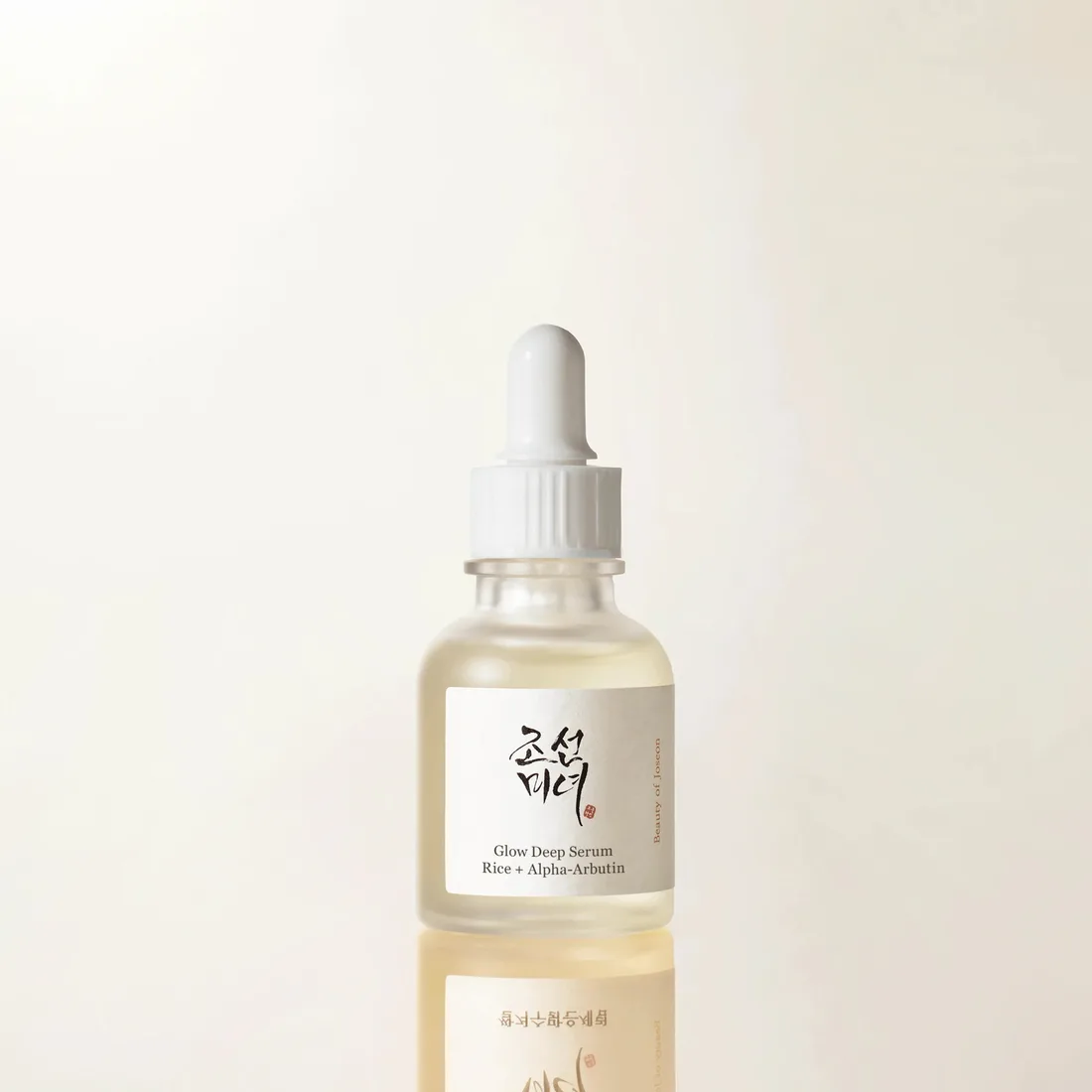
Beauty of Joseon Glow Deep Serum: Rice + Alpha-Arbutin
The Beauty of Joseon Glow Deep Serum (Rs 4,999) is a 30ml watery serum built on 68% rice bran water, with 2% alpha arbutin and niacinamide as the actives. It is fragrance-free and alcohol-free, and the brand lists it for all skin types. The texture is light enough for Karachi humidity. This is the one to pick if your main concern is marks and dullness and your skin reacts easily.
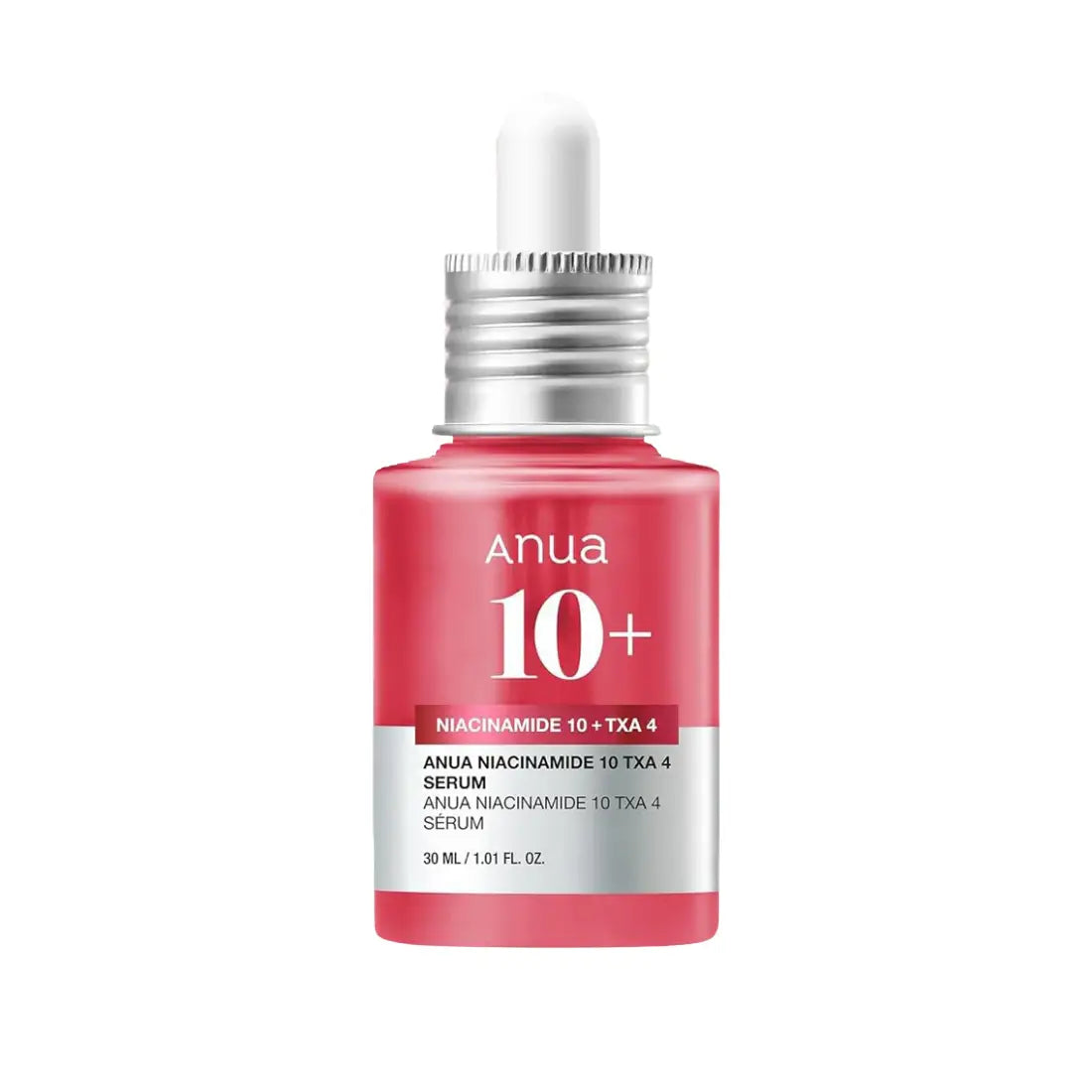
Anua Niacinamide 10% + TXA 4% Serum
If melasma or a stubborn patch is the problem, the Anua Niacinamide 10% + TXA 4% Serum (Rs 5,410) puts 2% arbutin alongside 10% niacinamide and 4% tranexamic acid, plus a vitamin C derivative, ceramide and hyaluronic acid, in 30ml. It is also fragrance-free and alcohol-free. It makes sense when you want the arbutin and tranexamic acid approaches in a single step rather than layering two serums.
Both sit with the rest of our range under serums, and you can browse more from Beauty of Joseon and Anua.
How to use an alpha arbutin serum
- Patch test. Apply a little along the jaw for two days before using it on your whole face, especially if your skin is sensitive.
- Apply to clean skin. After cleansing and toner, pat 2 to 3 drops over the face, including the areas you are not treating, so tone evens out rather than leaving lighter patches.
- Follow with moisturiser. Serums are thin; a moisturiser on top keeps the barrier comfortable.
- Morning or night. The Beauty of Joseon product page says the brand recommends evening use. The Anua serum is directed for morning and night. Follow the label of the product you have.
- Sunscreen every morning. This is the step that decides whether any of the above works.
Alpha arbutin layers easily with niacinamide and hyaluronic acid. If you also use a retinoid, the Beauty of Joseon product page advises starting on alternate nights and seeing how your skin handles it. Our skincare routine order guide covers where each layer goes.
Sunscreen is not optional
Cleveland Clinic names sun radiation and hormones as the two main causes of melasma, and lists avoiding sun damage with sunscreen and protective clothing as the first step for hyperpigmentation in general. The PIH review makes the same point: depigmenting agents are first-line therapy together with photoprotection. Skip sunscreen and a brightening serum ends up working against your commute.
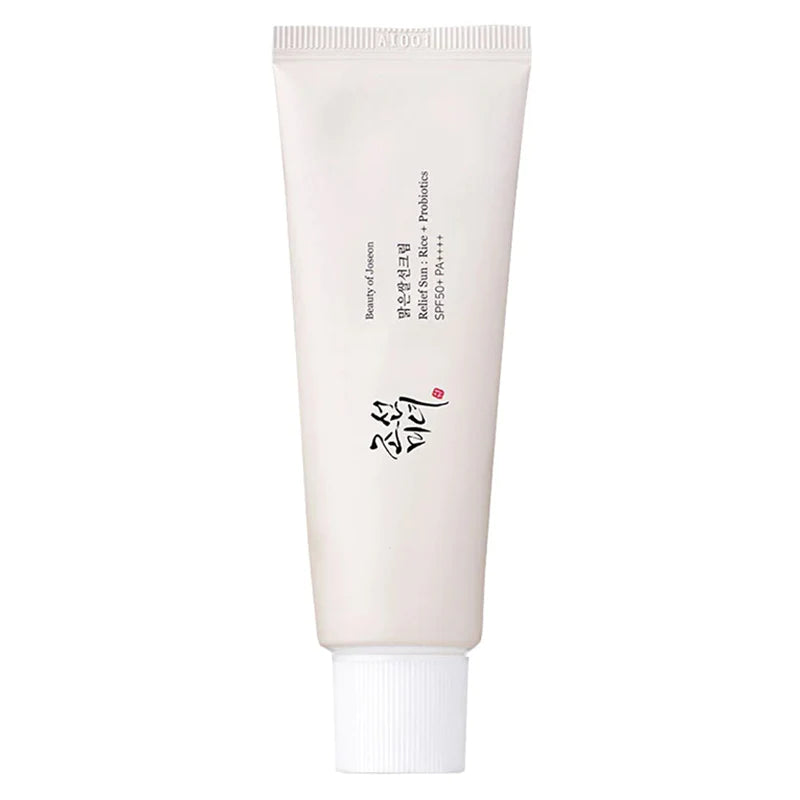
A lightweight option that does not leave a white cast on brown skin is the Beauty of Joseon Relief Sun: Rice + Probiotics SPF50+ PA++++ (Rs 4,210). Its product page says to apply a generous layer to the face, neck and ears and reapply at least every two hours outdoors. For more choices, see our sunscreen guide.
How long before you see results?
Give it at least several weeks of consistent use before you decide. The Thai melasma trial ran for 12 weeks, which is a fair window to judge any brightening routine. Take a photo in the same spot, in daylight, on day one and every four weeks. Pigment fades slowly enough that you will not notice it in the mirror day to day.
If nothing has shifted by three months, or the patches are getting bigger, that is the point to see a dermatologist rather than add a third serum.
Side effects and who should be careful
- Alpha arbutin is generally gentle, but any serum can cause redness or itching in sensitive skin. Stop if it stings persistently.
- More is not better. Because high arbutin concentrations can darken skin paradoxically, stick to one arbutin product used as directed.
- If you are pregnant or breastfeeding, ask your doctor before starting any brightening active. Melasma in pregnancy often fades after delivery, according to Cleveland Clinic.
- New dark patches that come with other symptoms, or a spot that changes shape or colour, need a doctor, not a serum.
The short version
Alpha arbutin is a gentle ingredient that slows pigment production. It suits post-acne marks, sun spots and mild melasma, especially on sensitive skin. The evidence is promising but thin, so set realistic expectations. Use one well-made serum on clean skin, follow it with moisturiser, wear sunscreen every single morning, and judge it at the three-month mark. For deeper or spreading pigmentation, our pigmentation and melasma guide covers the next steps.
This article is general information, not a consultation. For severe, spreading or unusual pigmentation, see a dermatologist.
Liked this one? Get the next in your inbox.
One fortnightly note from the editors, new pieces, restocks, and the routines we're actually using. Unsubscribe any time.